
A Home That Feels Good to Live In
A happy home environment isn’t about perfection or constant cheerfulness. It’s about consistency, emotional safety, and small everyday habits that make life feel manageable and warm. When you step into your space, you should feel a sense of ease rather than tension. The following 20 signs reflect a home where people feel respected, supported, and genuinely comfortable being themselves.

1. Open Communication Feels Natural
In a happy home, people talk openly without fear of being dismissed or judged. You’re able to express concerns, ideas, or even frustrations in a respectful way. Conversations don’t always have to be deep, but they feel honest. This kind of communication builds trust over time.

2. Laughter Happens Regularly
You don’t have to plan for joy because it shows up on its own. Whether it’s sharing a joke, teasing lightly, or enjoying a funny moment, laughter is part of daily life. It helps reduce stress and strengthens emotional connections. Even small laughs can shift the mood in a positive direction.

3. Everyone Feels Respected
Respect is shown in how people speak, listen, and treat each other’s boundaries. You’re not interrupted constantly or dismissed when you share something important. Differences in opinions don’t turn into personal attacks. That sense of mutual respect creates a stable and supportive atmosphere.

4. There’s a Sense of Safety
You feel physically and emotionally safe within your home. There’s no fear of sudden outbursts, harsh criticism, or unpredictable behavior. This stability allows everyone to relax and be themselves. A safe environment is one of the most essential foundations of happiness at home.

5. Responsibilities Are Shared Fairly
Chores and responsibilities aren’t left to one person all the time. People contribute in ways that feel balanced and reasonable. Even if roles differ, there’s an understanding that everyone is helping maintain the home. This prevents resentment and promotes cooperation.
6. Personal Space Is Respected
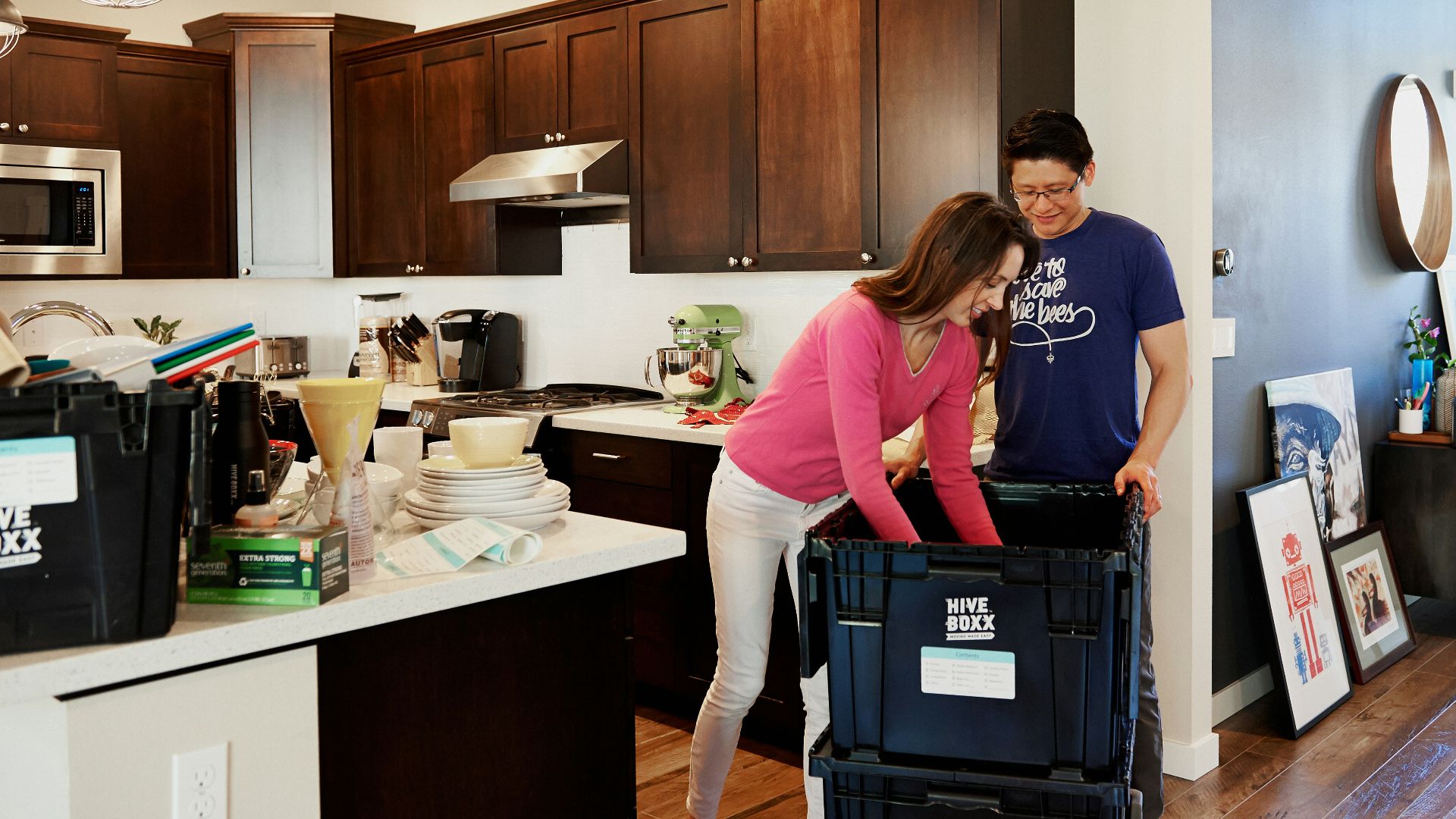
Even in close households, people are allowed time alone when they need it. You can recharge without feeling guilty or pressured to always engage. Privacy is acknowledged as important rather than selfish. This balance helps maintain emotional well-being.

7. Support Is Readily Available
When something goes wrong, you don’t feel like you’re dealing with it alone. Someone listens, offers help, or simply checks in on you. Emotional support doesn’t have to be dramatic to be meaningful. Small gestures often make the biggest difference.

8. Conflicts Are Handled Calmly
Disagreements happen, but they don’t spiral out of control. People take time to listen and work toward a resolution instead of trying to win. Apologies are given sincerely when needed. Over time, this approach reduces tension and builds stronger relationships.
9. Appreciation Is Expressed Often
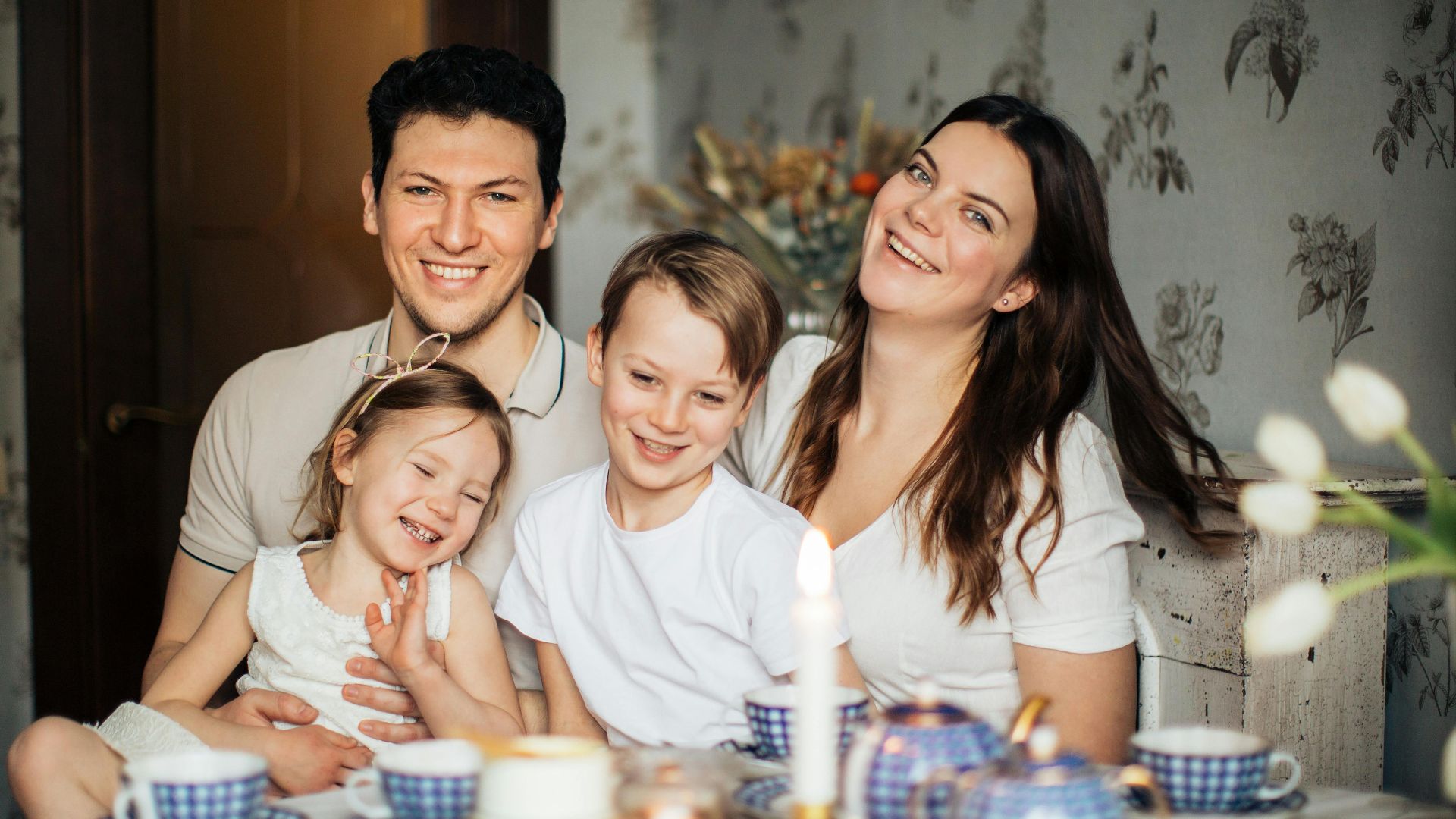
Gratitude isn’t assumed, it’s spoken. You hear “thank you” for everyday efforts, even small ones. Acknowledging what others do helps everyone feel valued. It also encourages continued kindness within the household.

10. Routines Feel Comfortable, Not Rigid
There’s a sense of structure, but it doesn’t feel restrictive. Daily habits provide stability while still allowing flexibility when needed. You don’t feel stressed if plans shift slightly. This balance keeps the home both organized and relaxed.

11. People Feel Heard
When you speak, others actually listen instead of waiting to respond. Your thoughts and feelings are taken seriously. Even if someone disagrees, they acknowledge your perspective. Feeling heard is key to emotional connection.

12. The Environment Is Generally Calm
The home isn’t filled with constant noise, tension, or chaos. While busy moments happen, there’s an overall sense of calm. This allows people to focus, rest, and think clearly. A peaceful setting supports mental health.

13. Kindness Is a Daily Habit
Small acts of kindness happen naturally, like helping with tasks or checking in on someone’s day. These actions aren’t forced or rare. They’re part of how people treat each other regularly. Over time, kindness becomes the norm.
 National Cancer Institute on Unsplash
14. Boundaries Are Understood and Honored
People recognize when someone needs space or has limits. Boundaries aren’t ignored or mocked. Instead, they’re respected as part of healthy relationships. This creates a sense of security for everyone involved.

15. There’s Emotional Consistency
You don’t feel like you’re walking on eggshells. Moods may change, but they aren’t extreme or unpredictable. This consistency helps everyone feel grounded. It also makes communication easier and more effective.

16. Shared Moments Matter
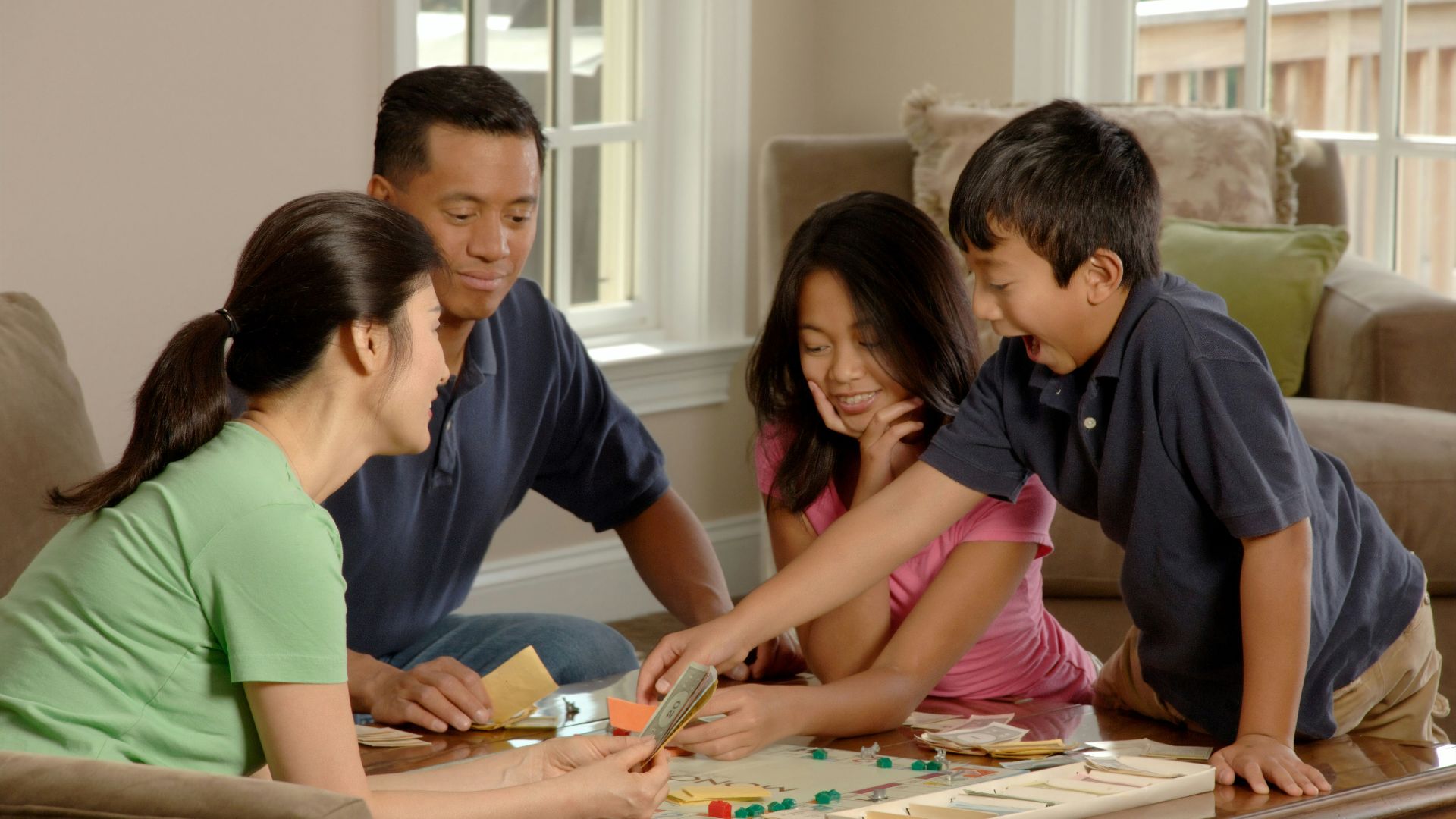
Spending time together feels meaningful rather than forced. Whether it’s meals, conversations, or simple activities, there’s a sense of connection. These shared moments strengthen relationships over time. They don’t have to be elaborate to be valuable.

17. Mistakes Are Treated as Learning Opportunities
When someone makes a mistake, the focus is on understanding rather than blaming. You’re encouraged to improve instead of being shamed. This approach builds confidence and resilience, and also creates a more forgiving environment.

18. The Space Feels Welcoming
The physical environment contributes to comfort and ease. It doesn’t have to be perfect or expensive, but it feels cared for. You enjoy being there rather than wanting to escape. A welcoming space supports emotional well-being.

19. Humor Isn’t Used to Hurt
Jokes and teasing stay respectful and light. No one uses humor as a way to criticize or belittle others. This keeps interactions positive and safe. It also ensures that laughter strengthens rather than damages relationships.

20. People Feel Comfortable Being Themselves
You don’t feel pressured to act differently to fit in. Your personality, preferences, and emotions are accepted. This authenticity creates a deeper sense of belonging. A home where you can truly be yourself is one of the clearest signs of happiness.