
The Room Notices Before You Do
Some people walk into a room and nothing changes. Other people walk in and the whole energy shifts, sometimes in ways nobody can quite explain out loud. It's rarely about volume or how put together someone looks, and more about a kind of gravity that pulls attention without asking for it. Most people who have this quality don't even notice it happening, since it feels normal to them and strange to everyone else. Here's 20 signs your presence changes the room.

1. Conversations Pause When You Walk In
People often stop mid-sentence for half a second when you enter, not out of awkwardness but because attention naturally redirects toward the door. It's subtle, more of a beat than an actual silence, but it happens often enough that you've probably noticed it. Nobody plans this reaction, it just happens.
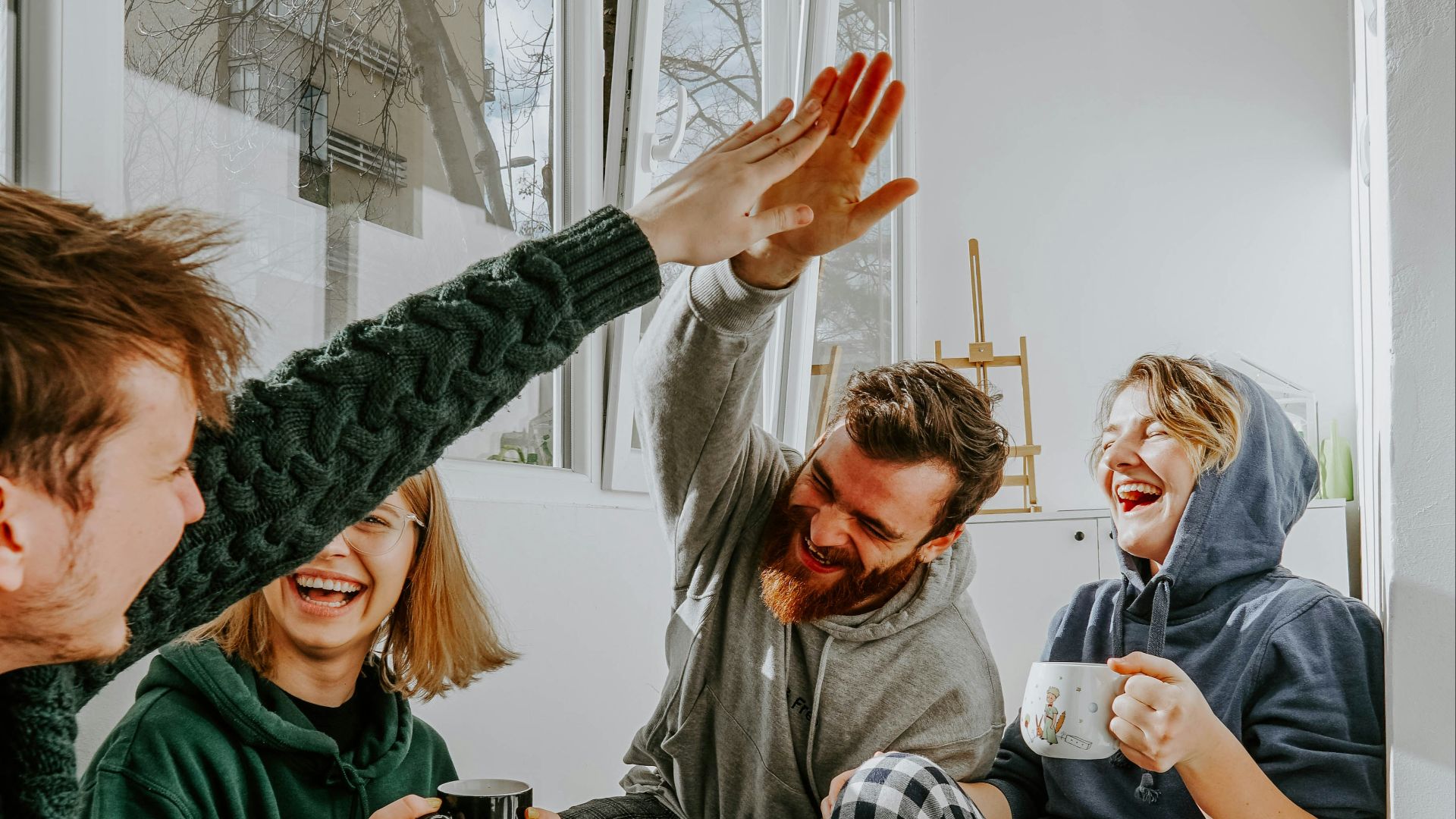
2. People Save You a Seat
Somehow there's always a chair left open near you, even in a crowded room where nobody explicitly claimed it for you. People gravitate toward proximity without fully realizing why, treating the space next to you as slightly more valuable than the rest of the room. It rarely feels forced, just quietly consistent.

3. Your Opinion Gets Asked First
In group conversations, people tend to look your way before offering their own take, almost like they want a read on the room before committing to anything. It's not that your opinion is objectively better, just that people trust the way you deliver it. Over time, this becomes a pattern nobody really questions.

4. Laughter Follows You Into a Room
Even before you say anything, rooms tend to loosen up a little once you're in them, and laughter comes more easily around you than it does elsewhere. People relax their guard slightly, willing to be a little sillier than they'd normally allow themselves to be. That shift usually happens faster than anyone can explain.

5. People Remember Small Details About You
Conversations with you tend to stick, and people bring up things weeks later that you barely remember mentioning. It's not because you were trying to be memorable, just that something about how you say things makes it land differently. That kind of retention is hard to fake.
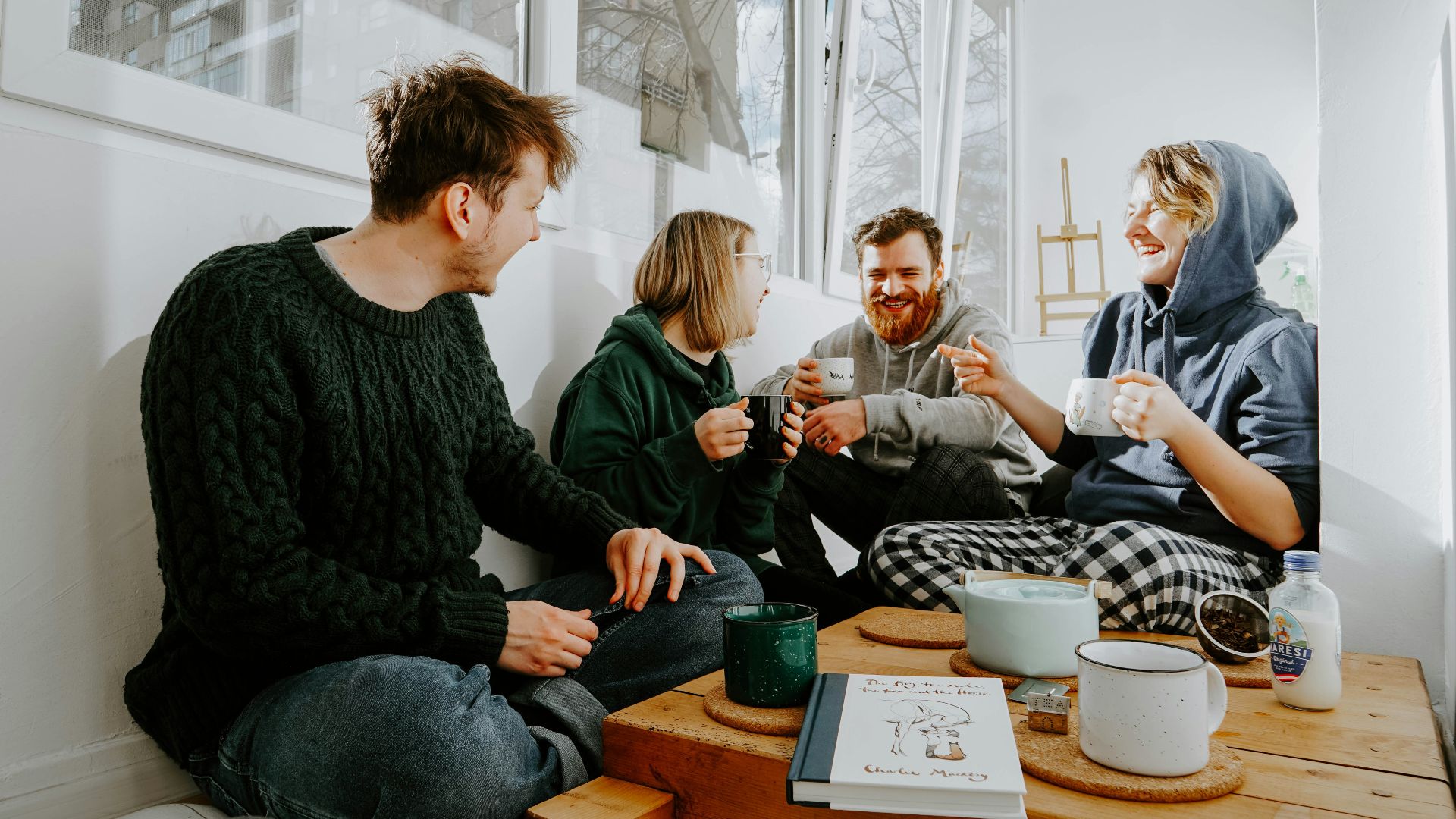
6. Strangers Approach You First
At parties or in waiting rooms, people who don't know you tend to strike up conversation first, often without an obvious reason. Something about your posture or expression reads as approachable, even when you're not actively inviting attention. It happens often enough that you've probably stopped noticing it.

7. The Room's Energy Shifts When You Leave
People often feel a room deflate slightly once you step out, even if nobody says it out loud. Conversations tend to quiet down, or the tone gets a little more subdued, at least for a few minutes. It's rarely dramatic, just a noticeable dip in energy.

8. People Repeat Your Words Later
Phrases you use casually have a way of resurfacing in other people's conversations days or weeks after you said them. They rarely credit you directly, mostly because they've absorbed the phrase as their own by that point. It's a strange, quiet form of influence.

9. Eye Contact Lingers a Beat Longer
People tend to hold eye contact with you slightly longer than they do with others, whether out of interest or simple attentiveness. It's a small thing, but it changes the tone of conversations, making them feel a little more direct and personal. Most people don't consciously register why it happens.
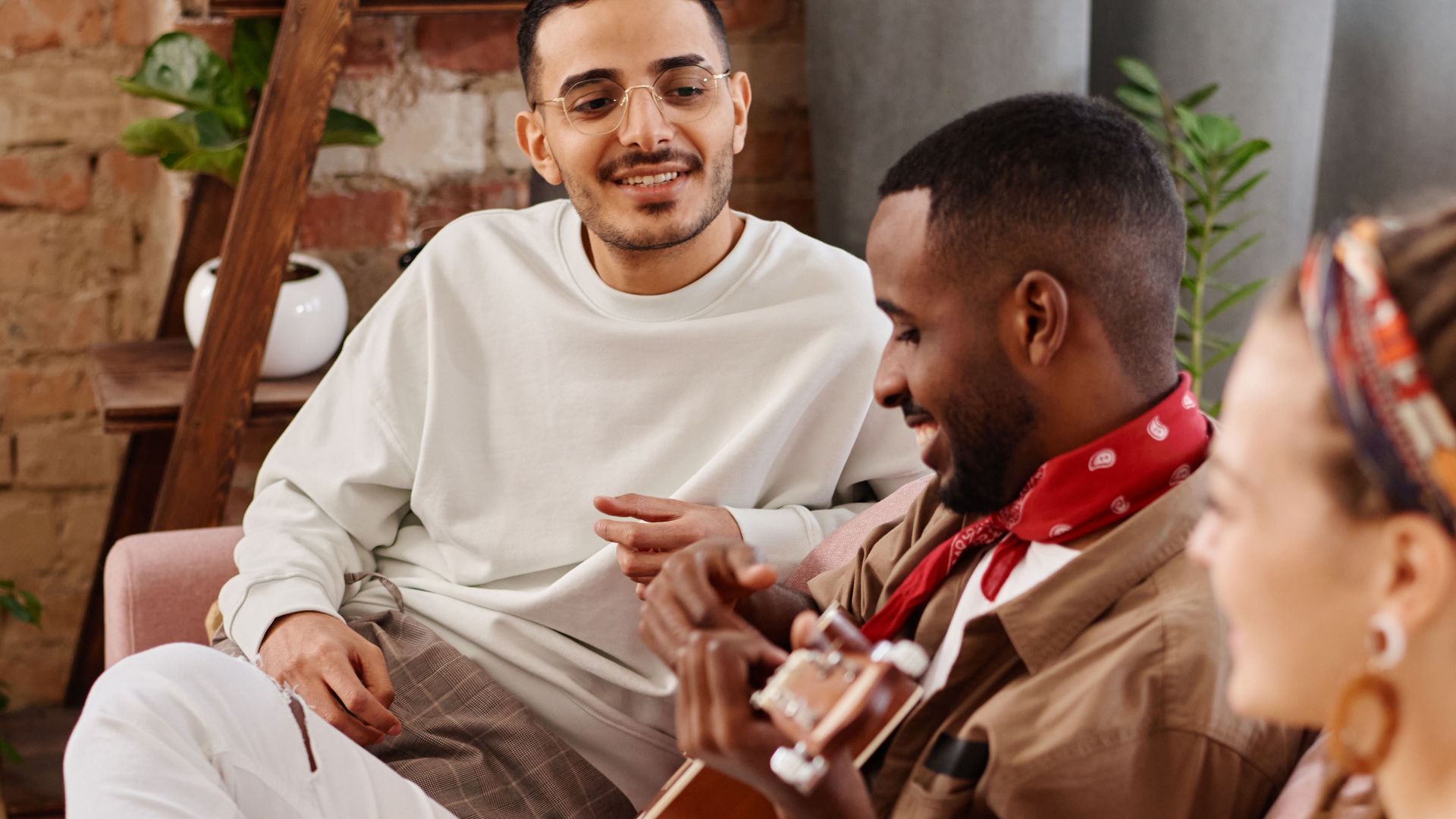
10. You Set the Tone Before Anyone Speaks
Walking into a tense room, your mood alone can shift the temperature before a single word gets exchanged. People take cues from your face and posture, adjusting their own energy to match. That kind of quiet influence is hard to teach.

11. People Dress a Little Nicer Around You
Without ever asking for it, friends tend to put in slightly more effort when they know you'll be around. It's not about intimidation, more a subtle desire to match whatever standard you're unintentionally setting. Most people wouldn't admit to doing this on purpose.

12. Your Texts Get Answered Fast
People tend to respond to you quicker than they do to others, even when they're clearly busy with something else. There's a quiet sense that your message matters enough to interrupt whatever else is happening. That kind of priority isn't something you can request.
 Priscilla Du Preez 🇨🇦 on Unsplash
13. People Introduce You First
At gatherings, you're often the one people mention first when introducing their friend group, almost like a headline before the rest of the cast. It's a small habit, but it says something about how people rank you in their social circle. Nobody plans it, it just comes out that way.

14. Conversations Get Deeper Around You
Small talk with you rarely stays small for long, drifting toward more honest or personal territory faster than people expect. Something about the way you listen makes people comfortable going further than they planned to. That shift usually happens before either of you notices it.

15. People Wait for Your Reaction
In group settings, people often glance your way after telling a joke or sharing news, checking your response before fully committing to their own. Your reaction carries a kind of weight that shapes how the room settles on how to feel about something. That's not a small thing to hold.

16. You're Remembered After One Meeting
People who meet you once tend to bring you up again later, sometimes months afterward, in ways that suggest the encounter actually stuck. That kind of memorability isn't about being loud or flashy, more about leaving an impression that outlasts the moment itself.

17. People Relax Their Guard Around You
Friends and even acquaintances tend to let their posture soften around you, dropping some of the performance they keep up elsewhere. It's a quiet signal of trust, even when nobody says as much directly. That kind of ease isn't something everyone gets.

18. Your Absence Gets Noticed Immediately
When you skip an event, people tend to ask about it almost right away, rather than realizing later that you weren't there. That immediate awareness says something about how present your presence usually is. Absence has a way of confirming what presence already built.
 Katarzyna Grabowska on Unsplash
19. People Ask What You Think Before Deciding
Group decisions, even small ones like where to eat, often pause until your input comes in. It's rarely because you insist on weighing in, more that people have learned your read on things tends to be useful. That kind of trust builds slowly and rarely announces itself.

20. Rooms Feel Different Once You Walk In
It's hard to name exactly what changes, but people often describe a room as feeling different once you're in it, whether calmer or simply more alive. That kind of effect can't really be manufactured or faked for long. It either happens naturally, or it doesn't happen at all.