What They're Actually Trained For
Flight attendants spend most of a flight handling drink carts and boarding lines, which makes it easy to forget the job exists for a very different reason. Underneath the routine service moments sits a layer of training built entirely around emergencies most passengers never witness and hopefully never will. Some of what they notice and do during a normal flight only makes sense once that safety-first framing clicks into place. Here's 20 secrets flight attendants won't tell you.
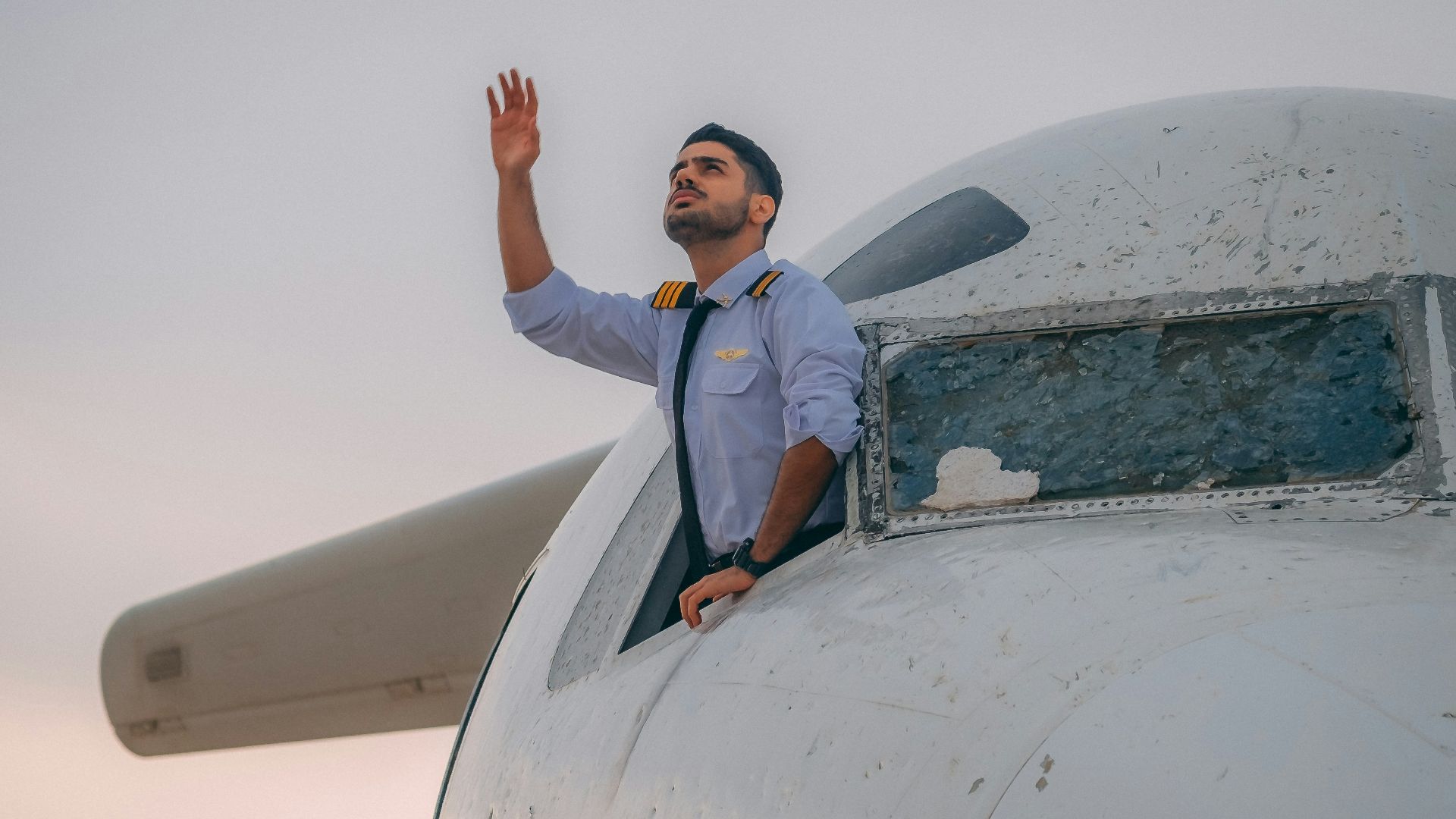
1. They're There For Safety
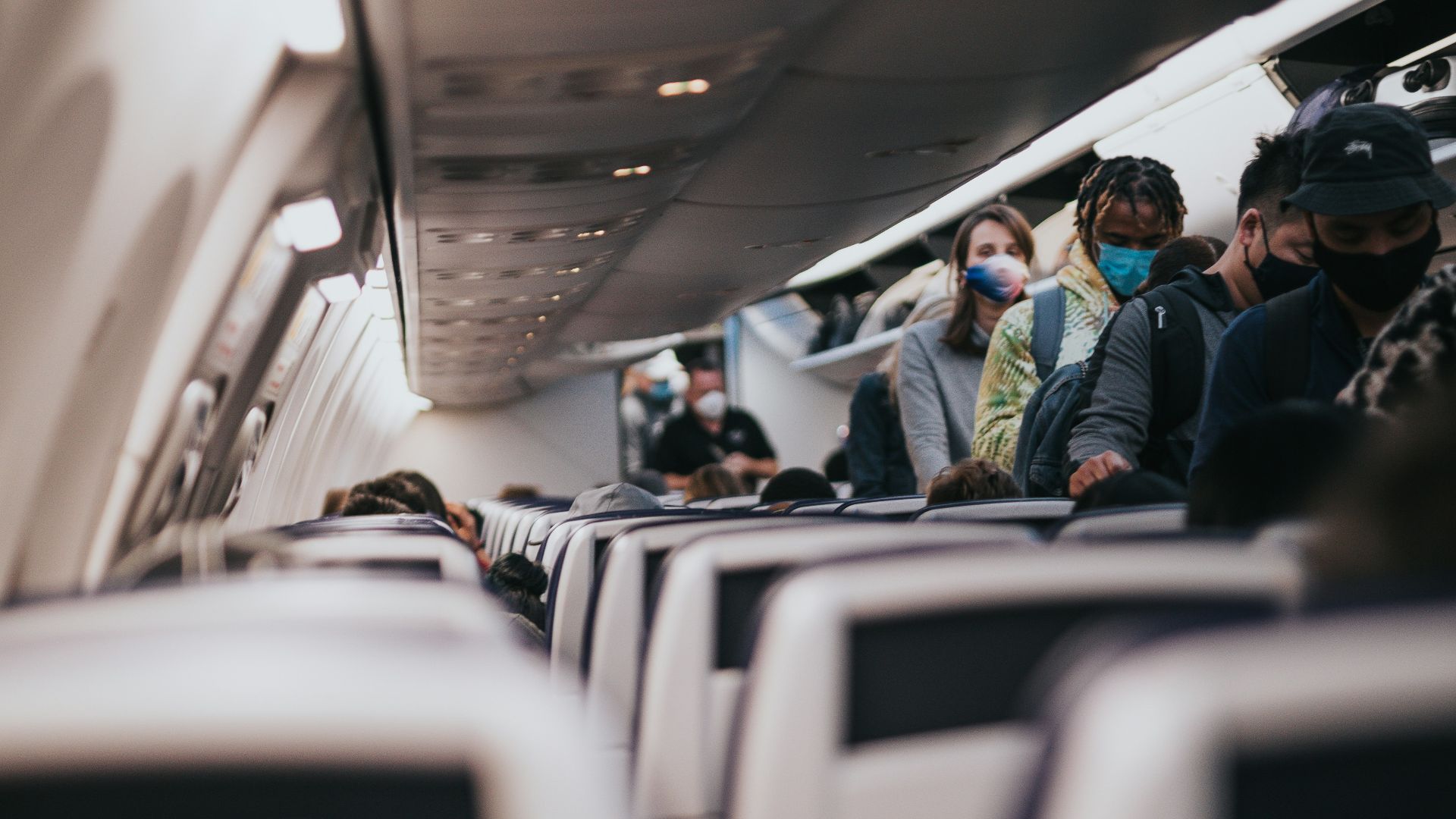
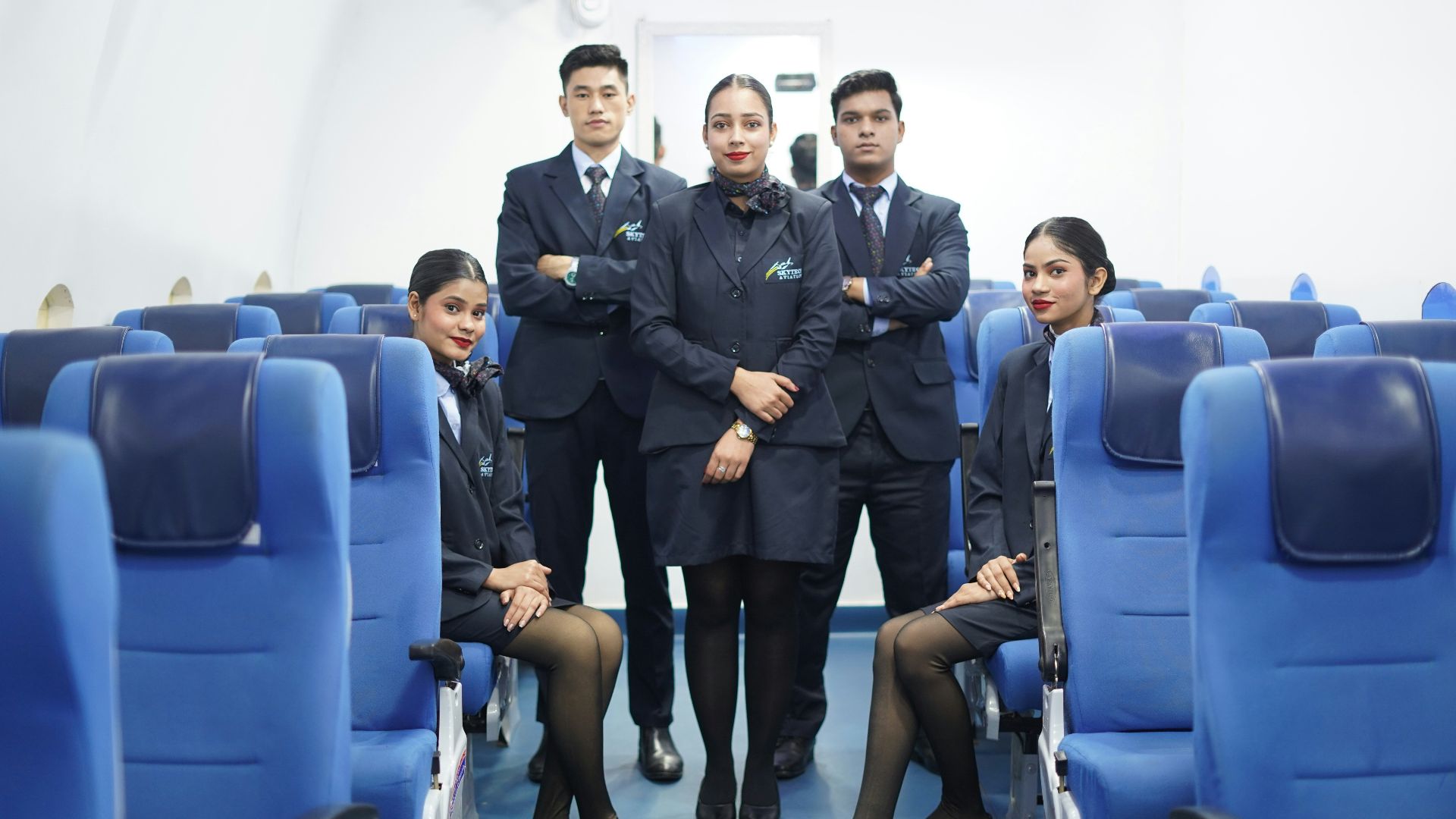
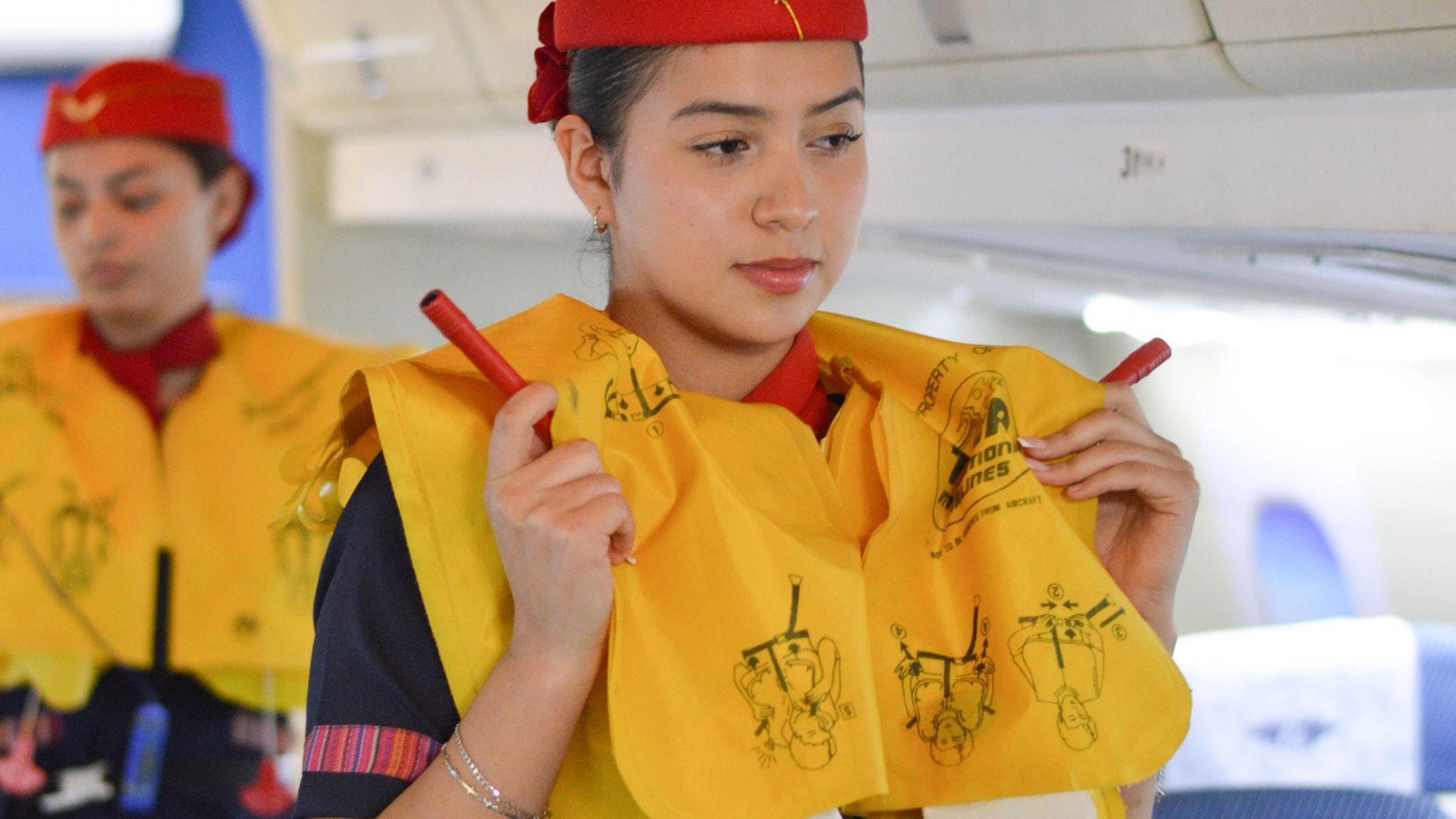
Federal aviation regulations require a minimum number of flight attendants per aircraft specifically for emergency evacuation purposes, not beverage service. The drink cart is a bonus on top of a job that legally exists to get people off a plane fast if something goes wrong.
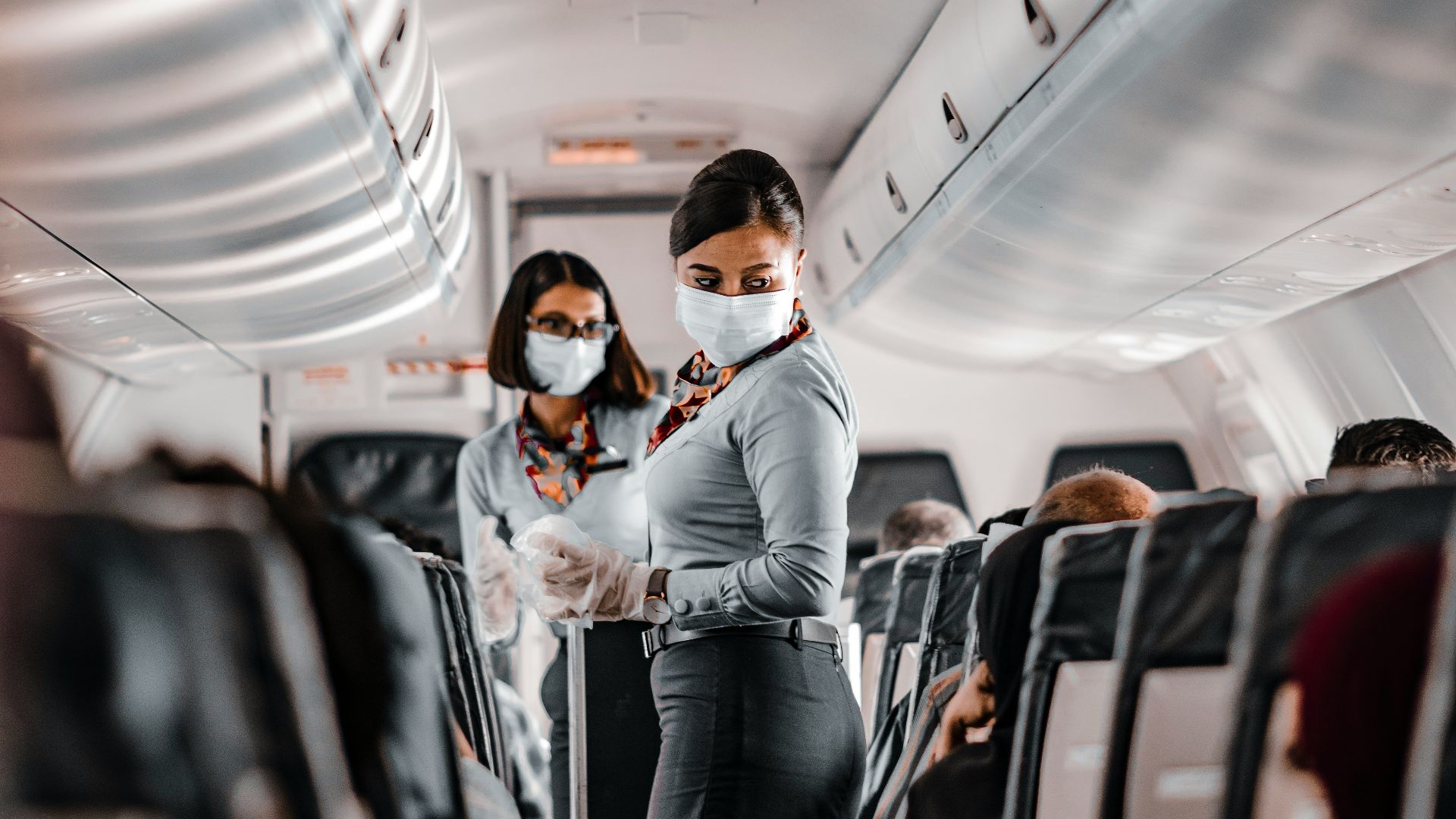 Ismail Mohamed - SoviLe on Unsplash
2. The Boarding Scan
That friendly greeting at the door doubles as a quick assessment of who's seated near emergency exits and whether they look capable of opening a heavy exit door if needed. Passengers who seem unable to help are sometimes reseated without much explanation.
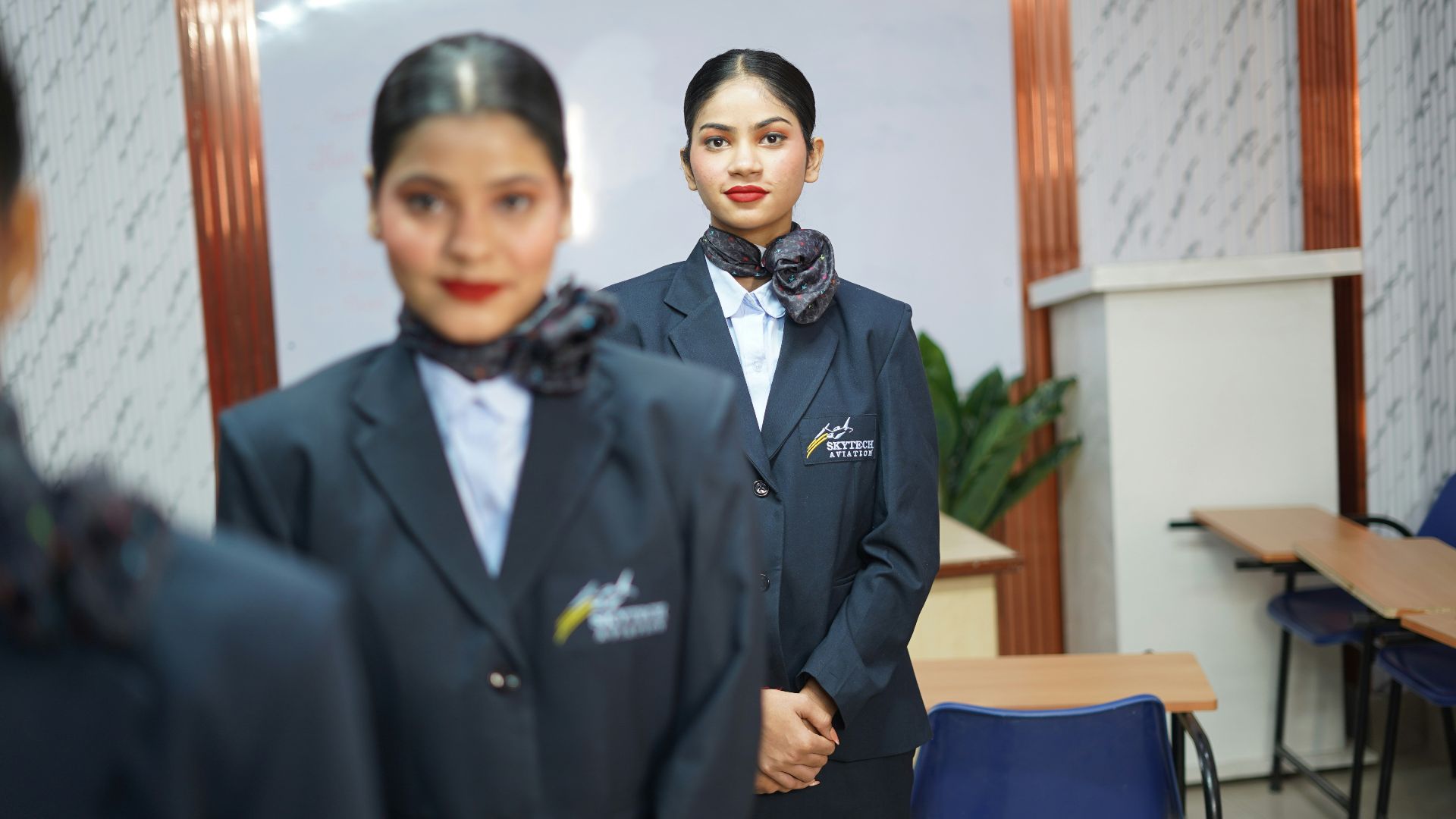
3. Watching Each Other's Faces
During takeoff and landing, crew members are trained to watch each other's expressions rather than stare out the window, since a colleague's reaction often signals trouble faster than anything visible outside. A calm face from the crew is doing more reassurance work than most passengers realize.
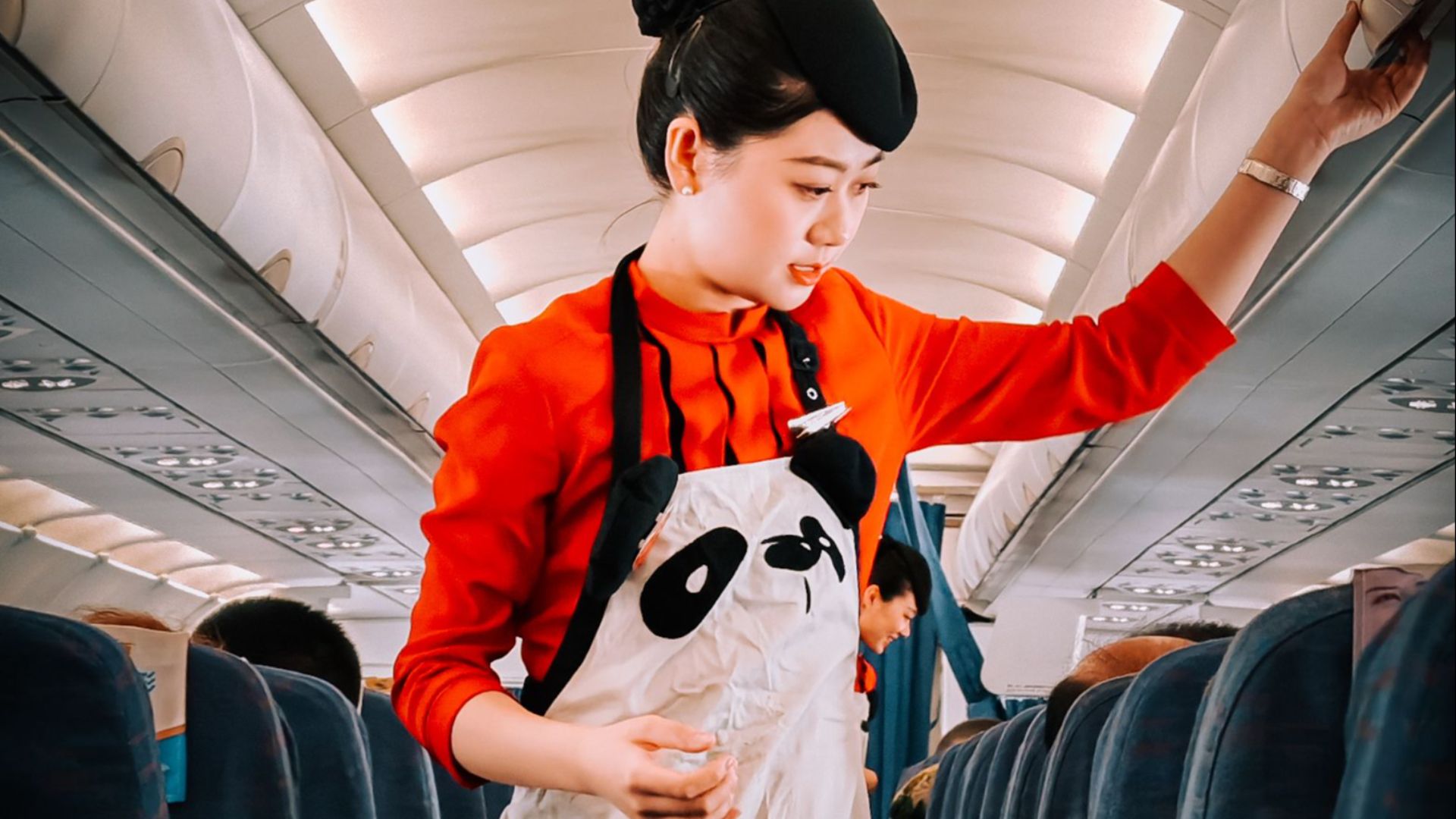
4. Skipping the Coffee and Tap Water
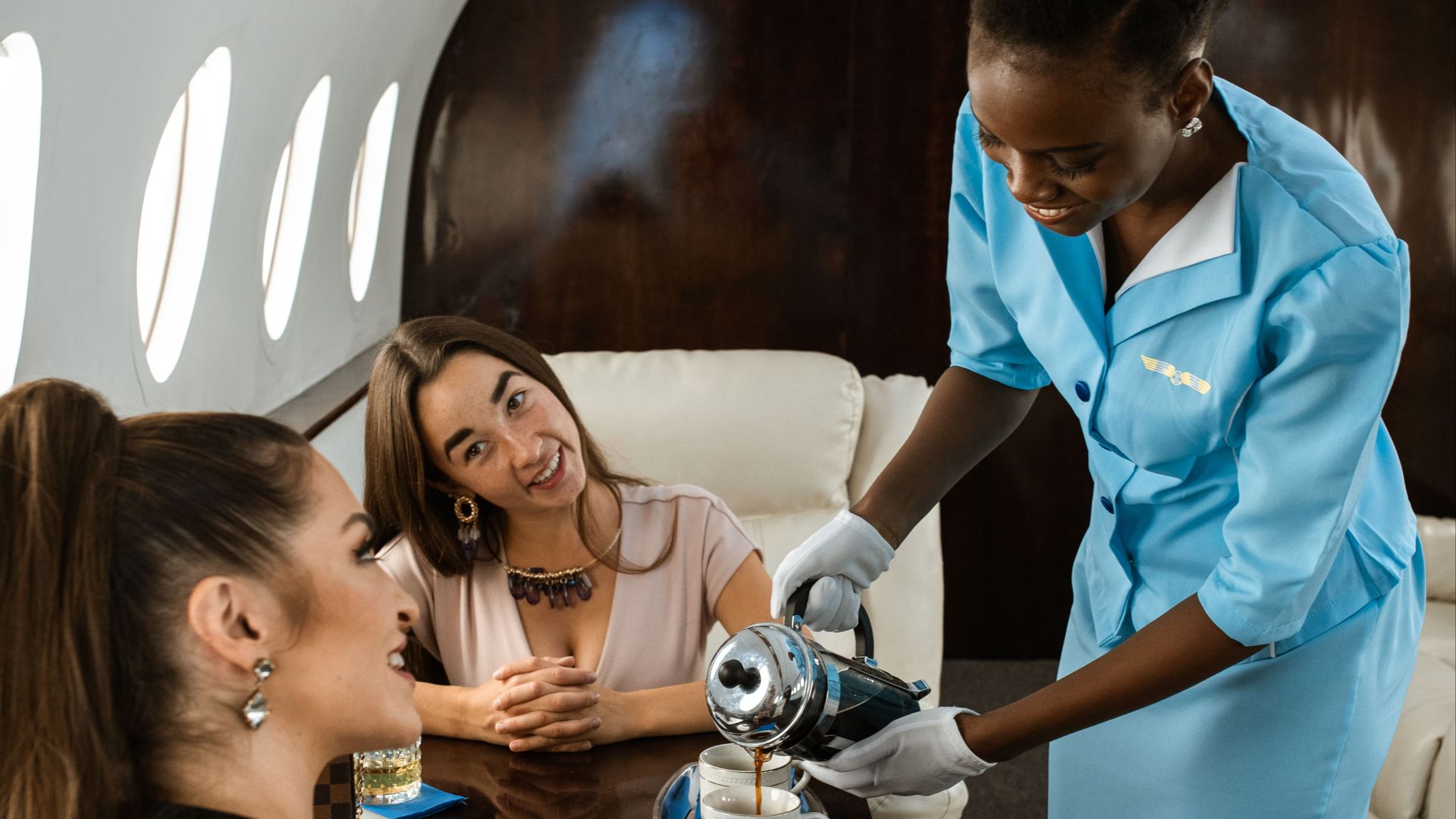
Many flight attendants avoid drinking coffee or tea made from the onboard water tanks, since aircraft water systems aren't always cleaned as often as ground-based ones. Bottled water and canned drinks are generally considered the safer bet during a flight.
5. Different Crew Meals
Pilots are often required to eat different meals from each other specifically so food poisoning can't incapacitate both at the same time. The policy sounds extreme until it's framed as a straightforward backup plan for an unlikely but serious scenario.
6. Cabin Lights Dim for a Reason
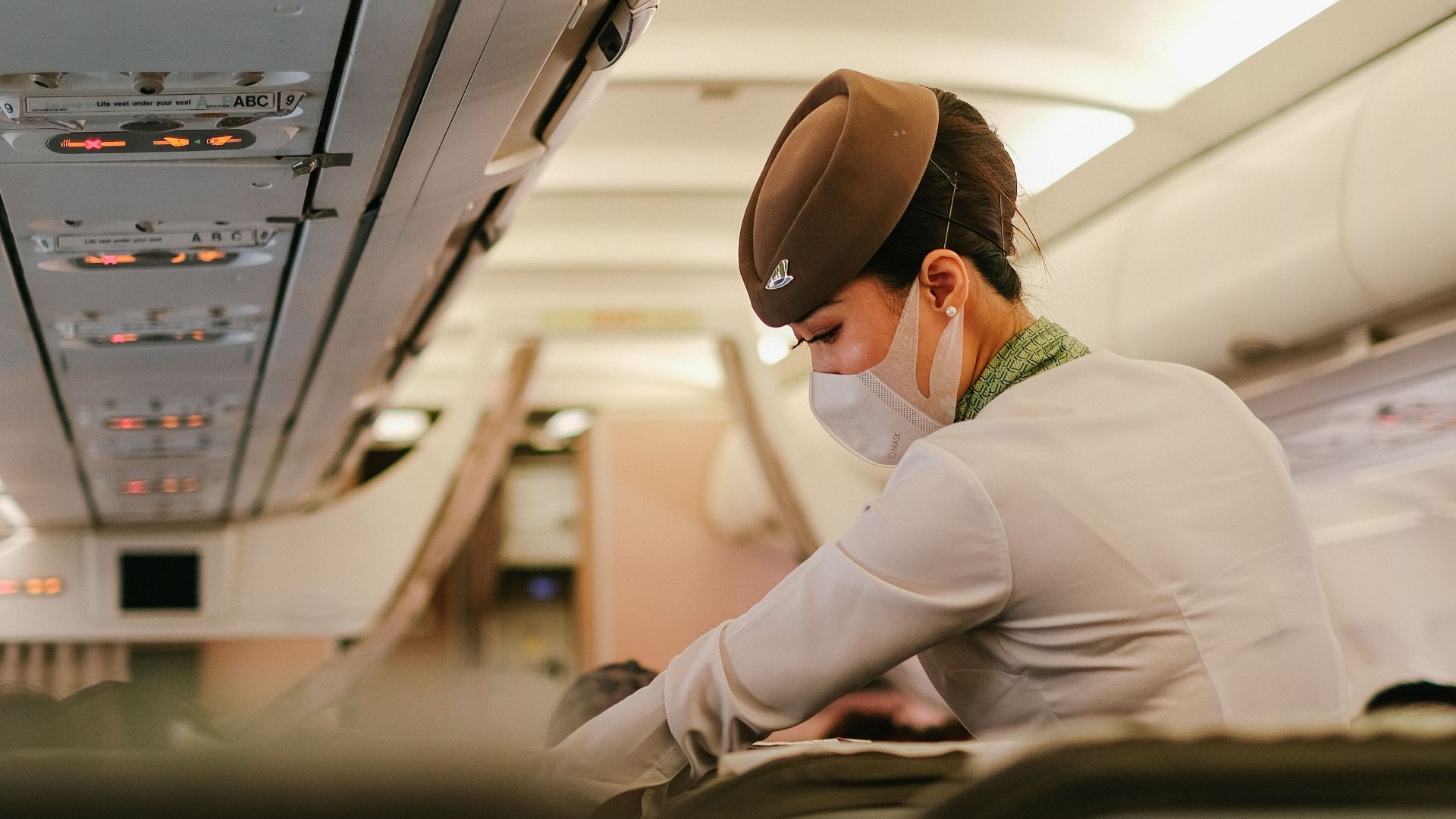
Dimming the cabin during nighttime takeoffs and landings helps passengers' eyes adjust to darkness in advance, in case an emergency evacuation happens in low light. It has nothing to do with setting a relaxing mood, despite how it feels.
7. The Brace Position's Real Purpose
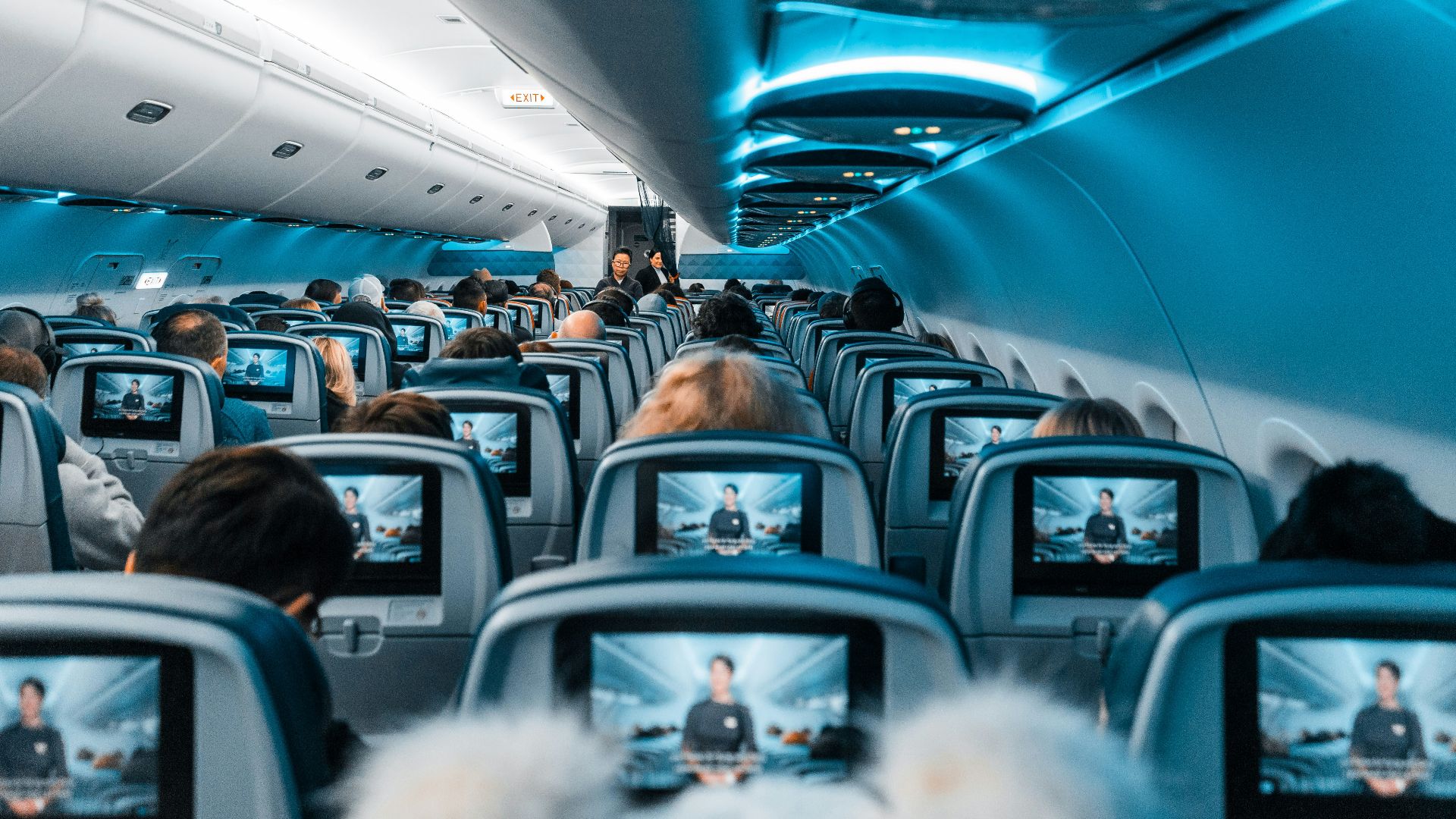
The brace position exists mainly to reduce injuries from being thrown forward during a sudden impact, not to guarantee survival outright. Crew members are trained to enforce it firmly because the difference in injury severity can be significant.
8. Counting Rows to the Exit
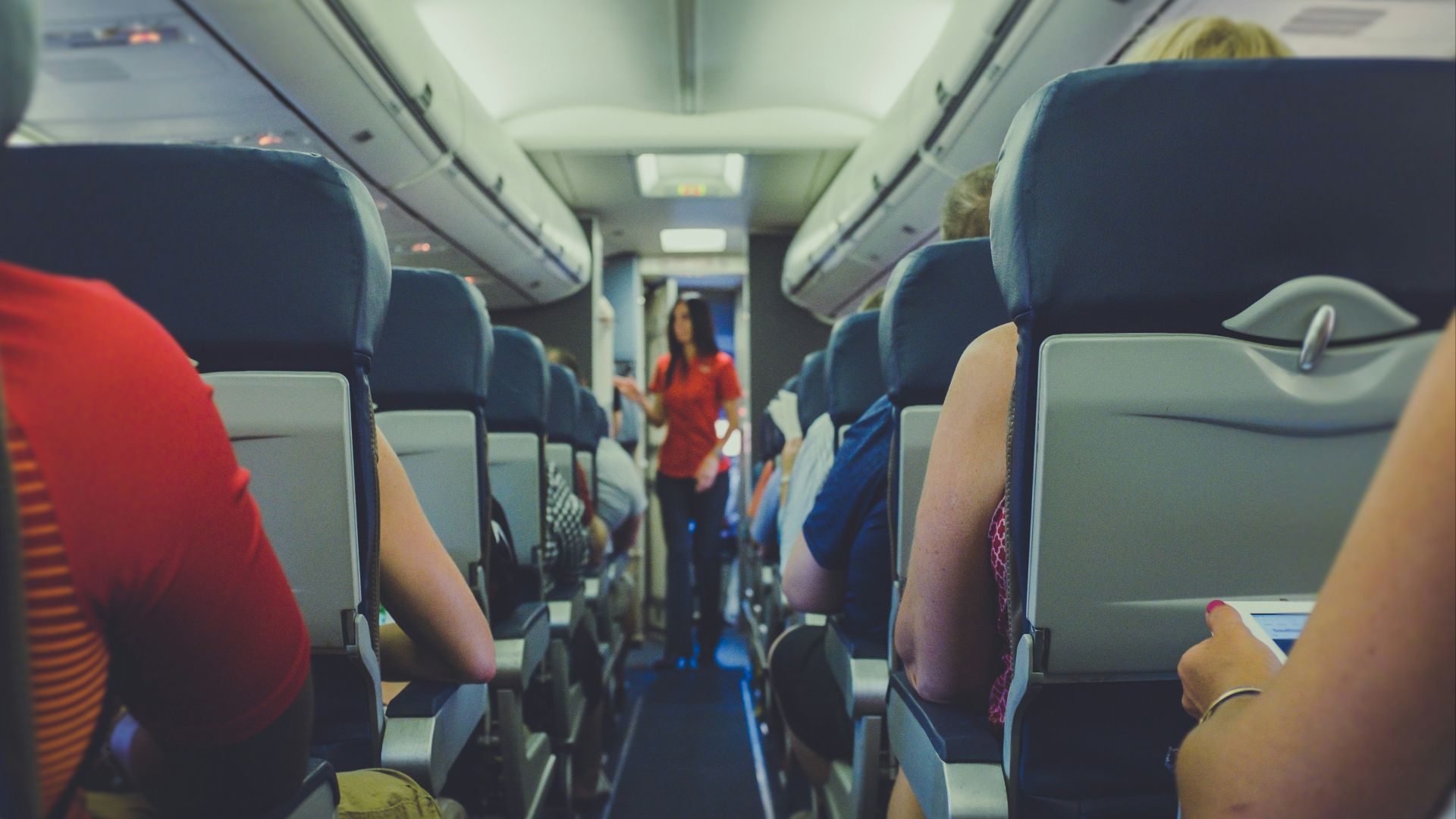
Flight attendants are trained to count the number of rows between their position and the nearest exit, since thick smoke during an emergency can make it impossible to see more than a few inches ahead. That mental count becomes the only reliable way to navigate blind.
9. HEPA-Filtered Cabin Air
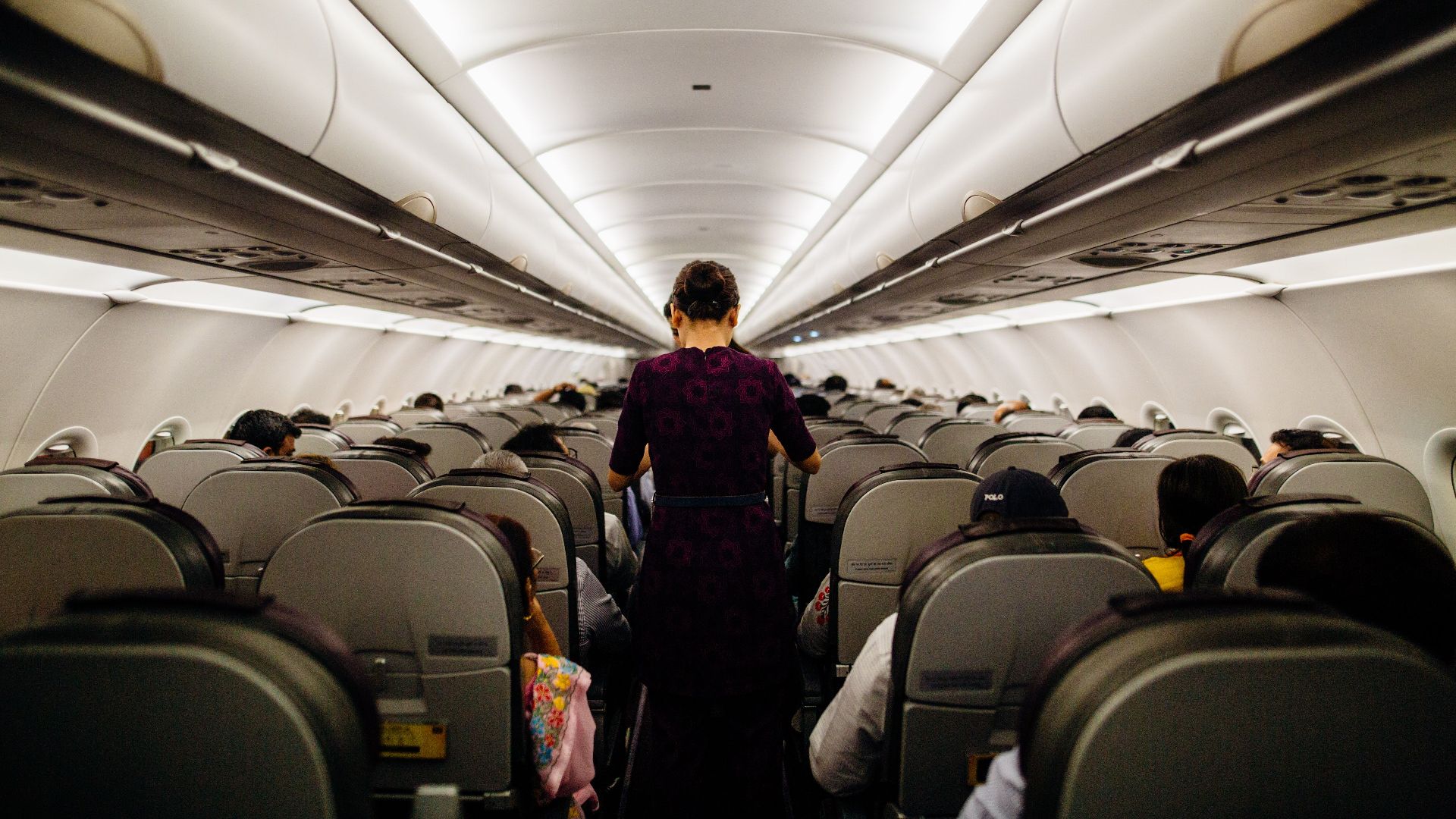
Modern aircraft typically filter recirculated cabin air through the same type of HEPA filters used in hospitals, removing the vast majority of airborne particles. The common worry about planes being unusually germy doesn't line up with how the air system actually works.
10. Cross-Checking the Doors
The cross-check announcement before takeoff means two crew members are physically confirming each other's door is armed correctly for an emergency slide deployment, not just following a script. A missed step here has caused real incidents in aviation history, which is why the redundancy exists.
11. Trained to Spot Trafficking
Many airlines now train flight attendants to recognize behavioral signs of human trafficking among passengers, including mismatched interactions between an adult and a minor or someone who seems unable to speak for themselves. Crew members have intervened and alerted authorities using exactly this training.
12. Restraint Kits Onboard
Commercial flights typically carry restraint kits, including flex-cuffs, specifically for handling passengers who become violent or unmanageable mid-flight. Their use is rare, but crews train for the scenario as part of standard certification.
13. Turbulence Barely Registers to Them
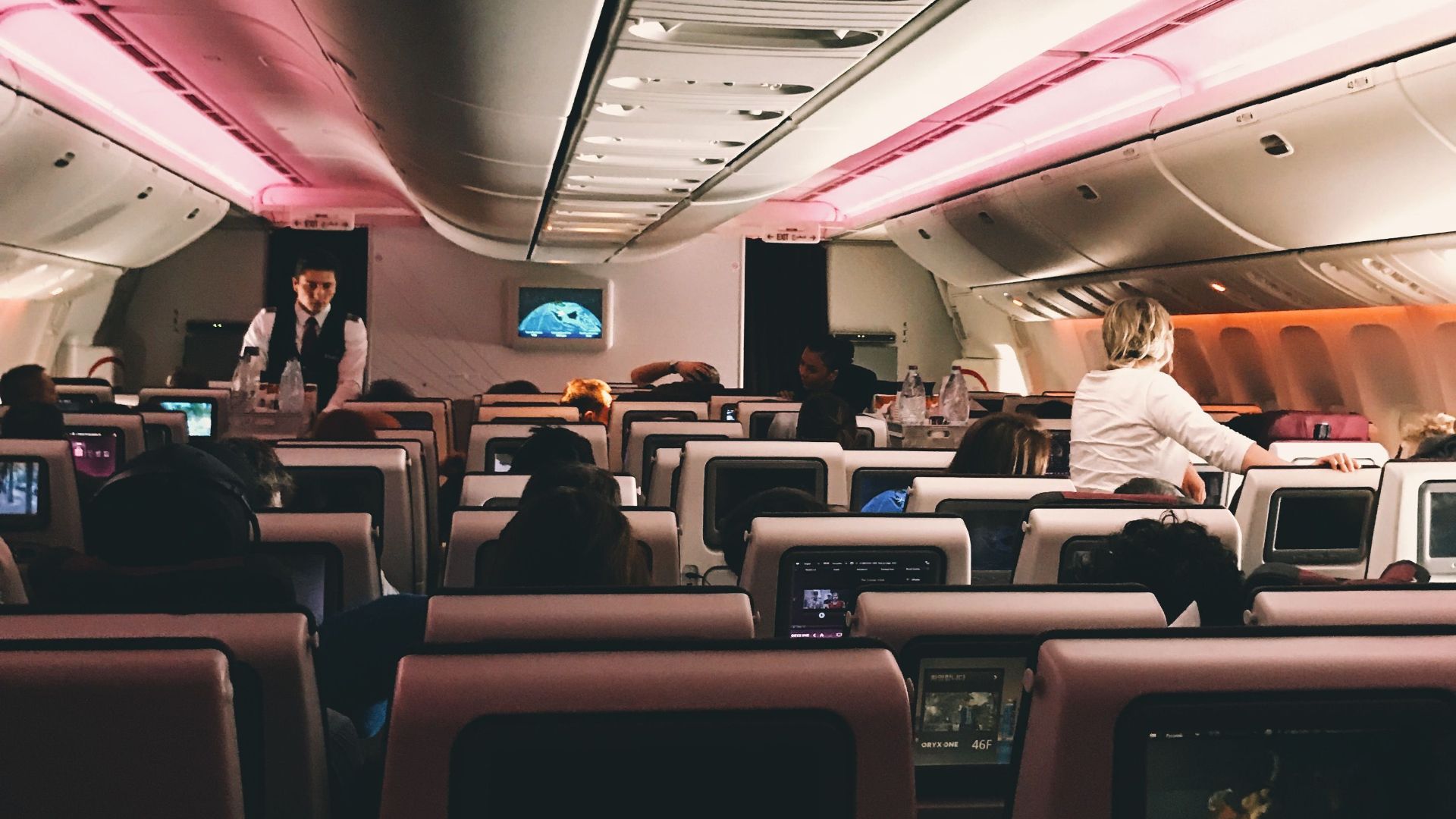
Flight attendants tend to stay visibly calm during turbulence because aircraft are engineered to handle far more stress than a rough patch of air actually produces. What feels alarming from a passenger seat usually looks routine from the jump seat.
14. Refusing to Serve Alcohol
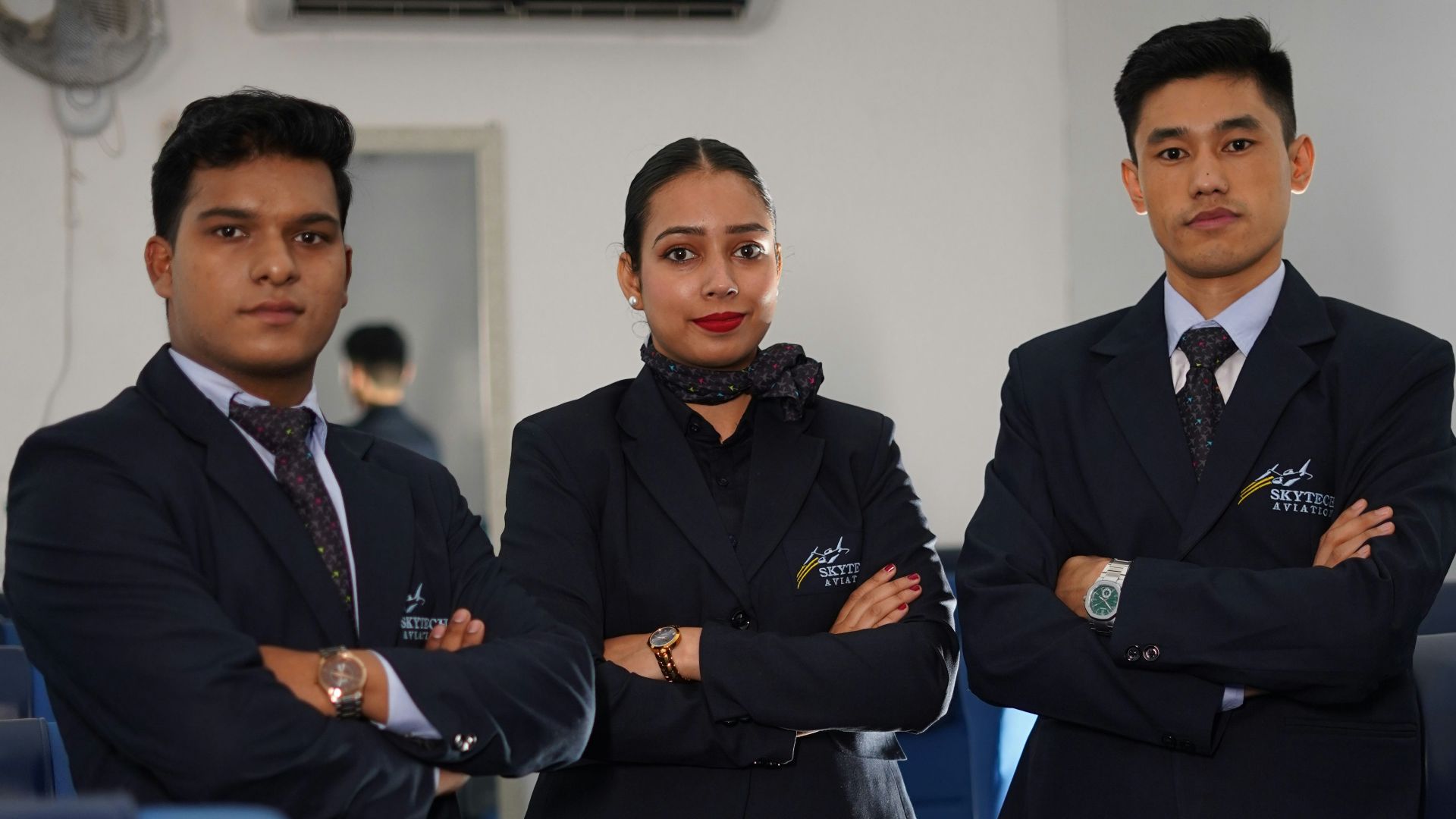
Crew members can legally refuse to serve alcohol to a passenger who appears intoxicated, and can arrange for law enforcement to meet a disruptive passenger at the gate. The decision isn't personal; it's a standard part of managing safety onboard.
15. Blankets and Pillows Aren't Always Fresh
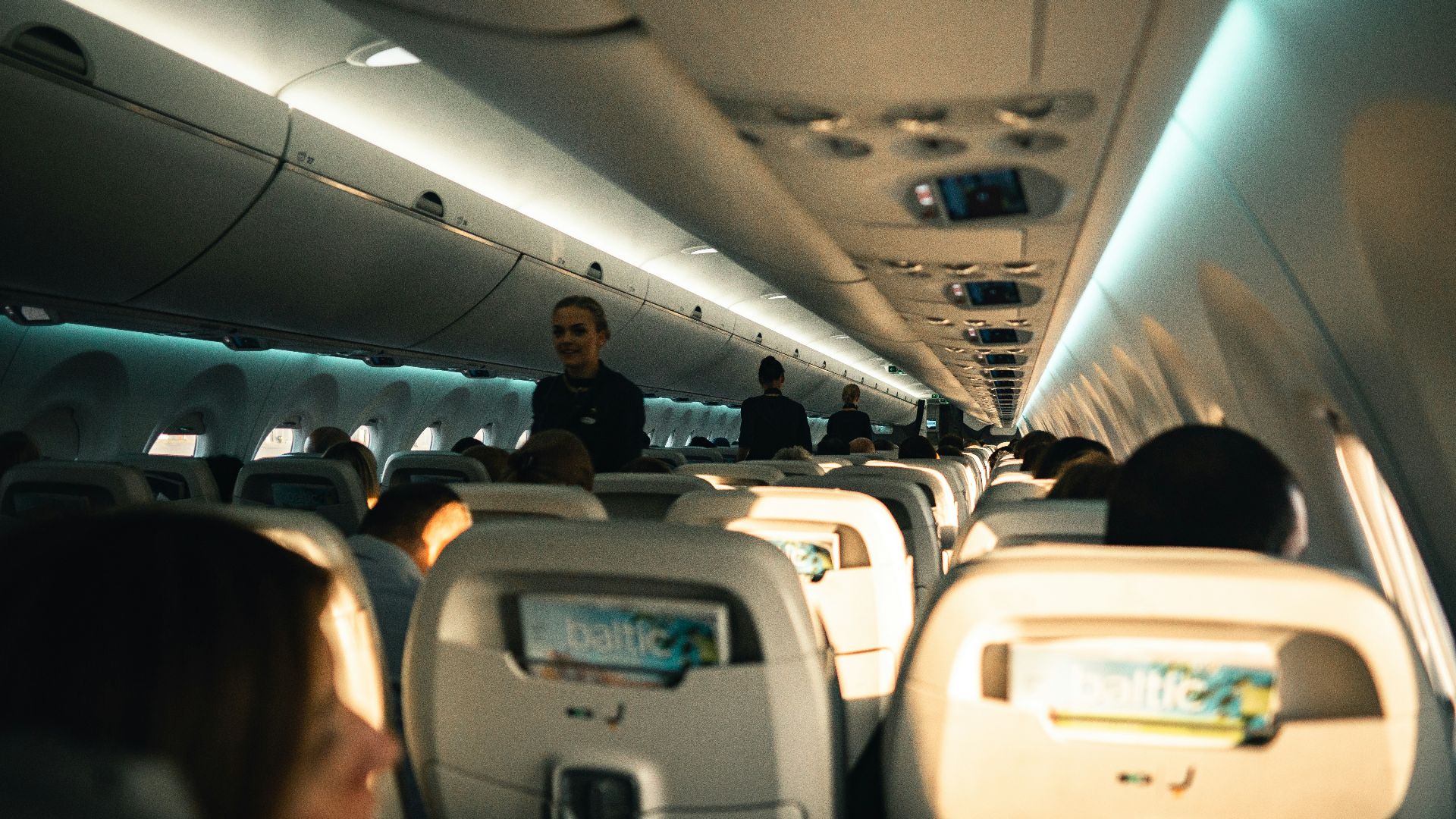
Budget carriers in particular have faced criticism over the years for reusing blankets and pillows across multiple flights without laundering them between every use. Bringing a personal blanket on a long flight remains a popular workaround among frequent travelers who've heard the complaints.
16. Tracking "Problem" Aircraft
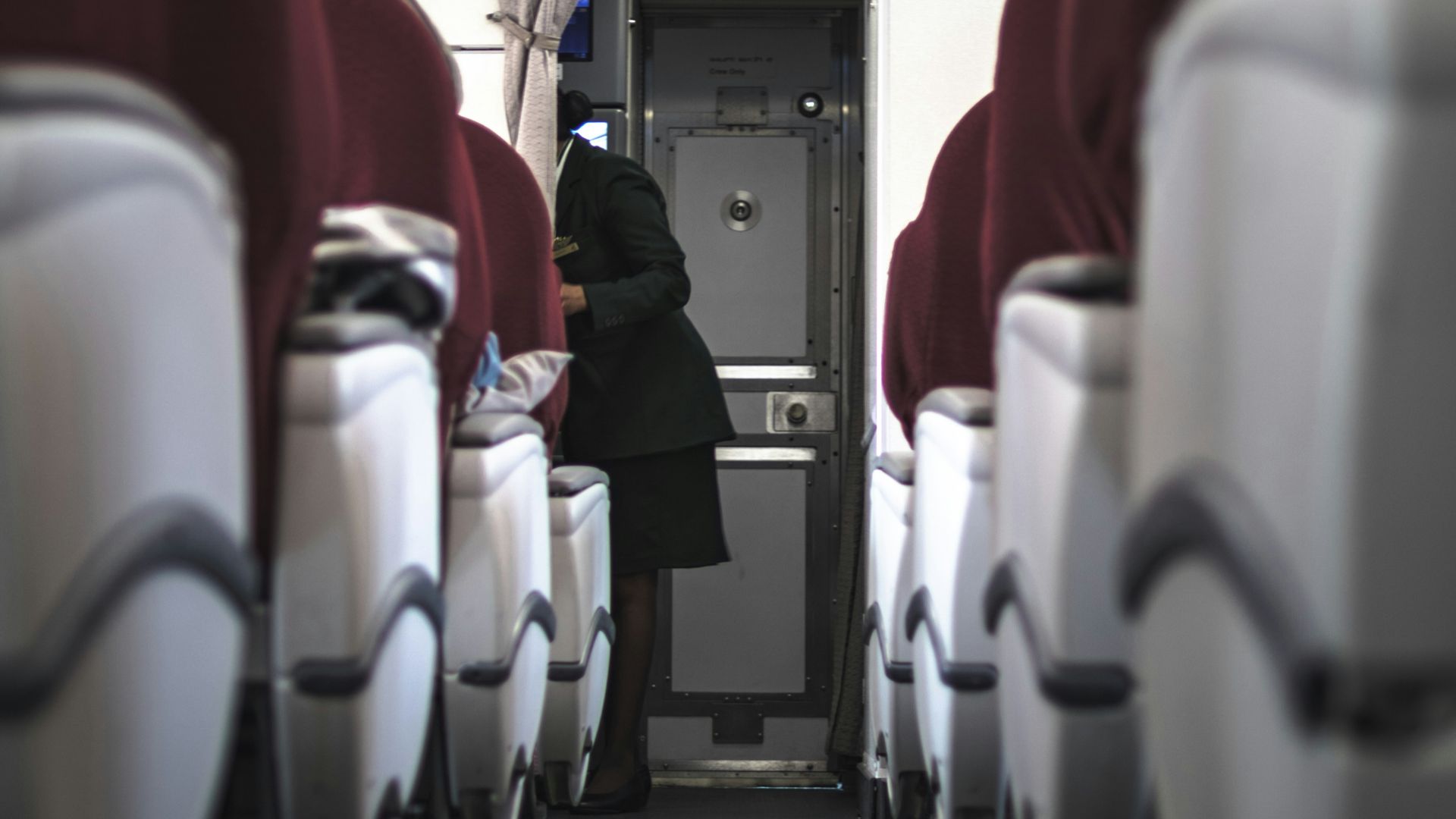
Some flight attendants informally keep track of which specific aircraft tend to have recurring maintenance issues, based on which tail numbers show up repeatedly in delay reports. It's not an official system, but word travels fast within a crew base.
17. Discreet Ways to Call for Help
Several airlines train staff to use specific, low-key phrases or signals that alert other crew members to a developing problem without announcing it to the entire cabin. The goal is managing a situation calmly before it escalates into something passengers even notice.
18. Boarding Order and Bin Space
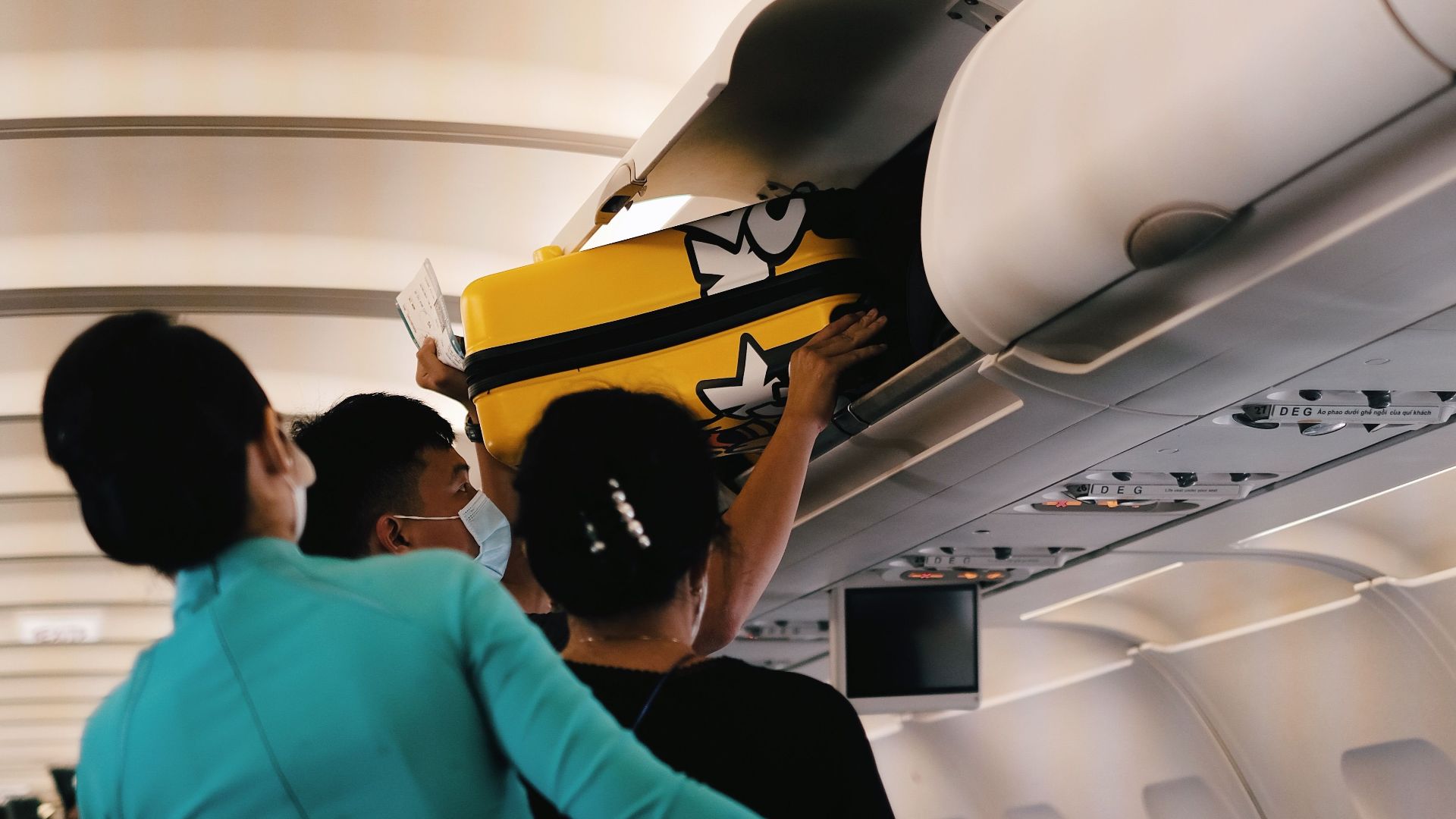
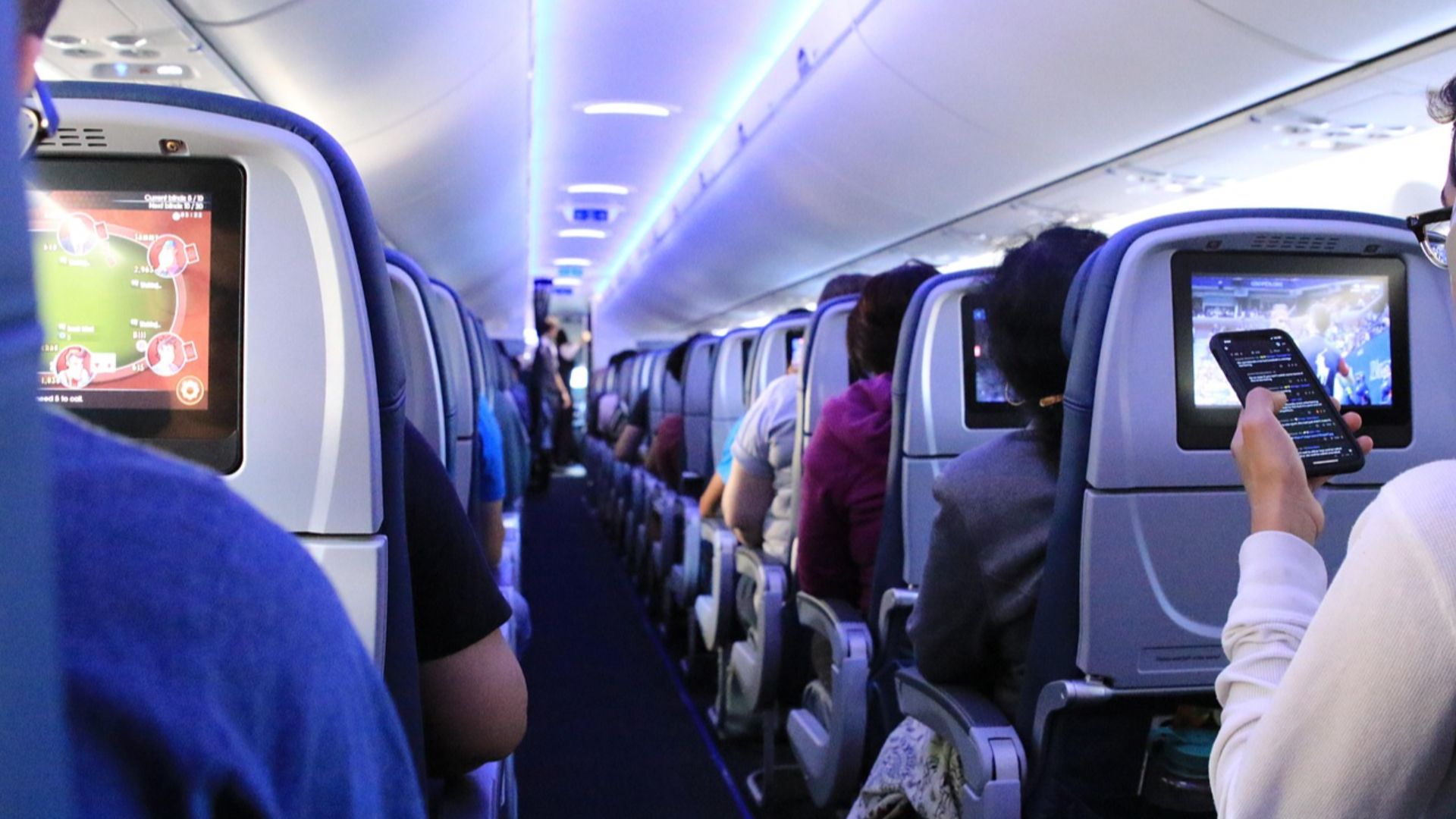
Priority boarding groups exist partly to manage overhead bin space efficiently, not purely as a loyalty perk, since early boarders claim bin space that later passengers would otherwise fight over. Airlines that ignore this tend to see boarding times balloon.
19. They Remember Regulars
Crew members who work the same routes repeatedly often recognize frequent flyers and their usual preferences, even without saying so directly. Company policy generally limits how much extra they're allowed to offer, but a familiar face still tends to get a slightly smoother flight.
 Gerrie van der Walt on Unsplash
20. Minimum Crew Ratios Are Legal Requirements
The number of flight attendants required on a given aircraft is set by aviation regulators based on passenger capacity and exit configuration, not by airline preference. It's one more example of a role built around a legal safety mandate that happens to come with a drink cart attached.