
Childhood Rarely Needs a Big Price Tag
Expensive toys and elaborate surprises can certainly excite children, but price alone doesn't determine how meaningful something becomes. Developmental research consistently emphasizes the importance of responsive relationships, play, conversation, routines, and supportive attention in children's well-being and learning. Here are 20 things kids value more than expensive gifts.
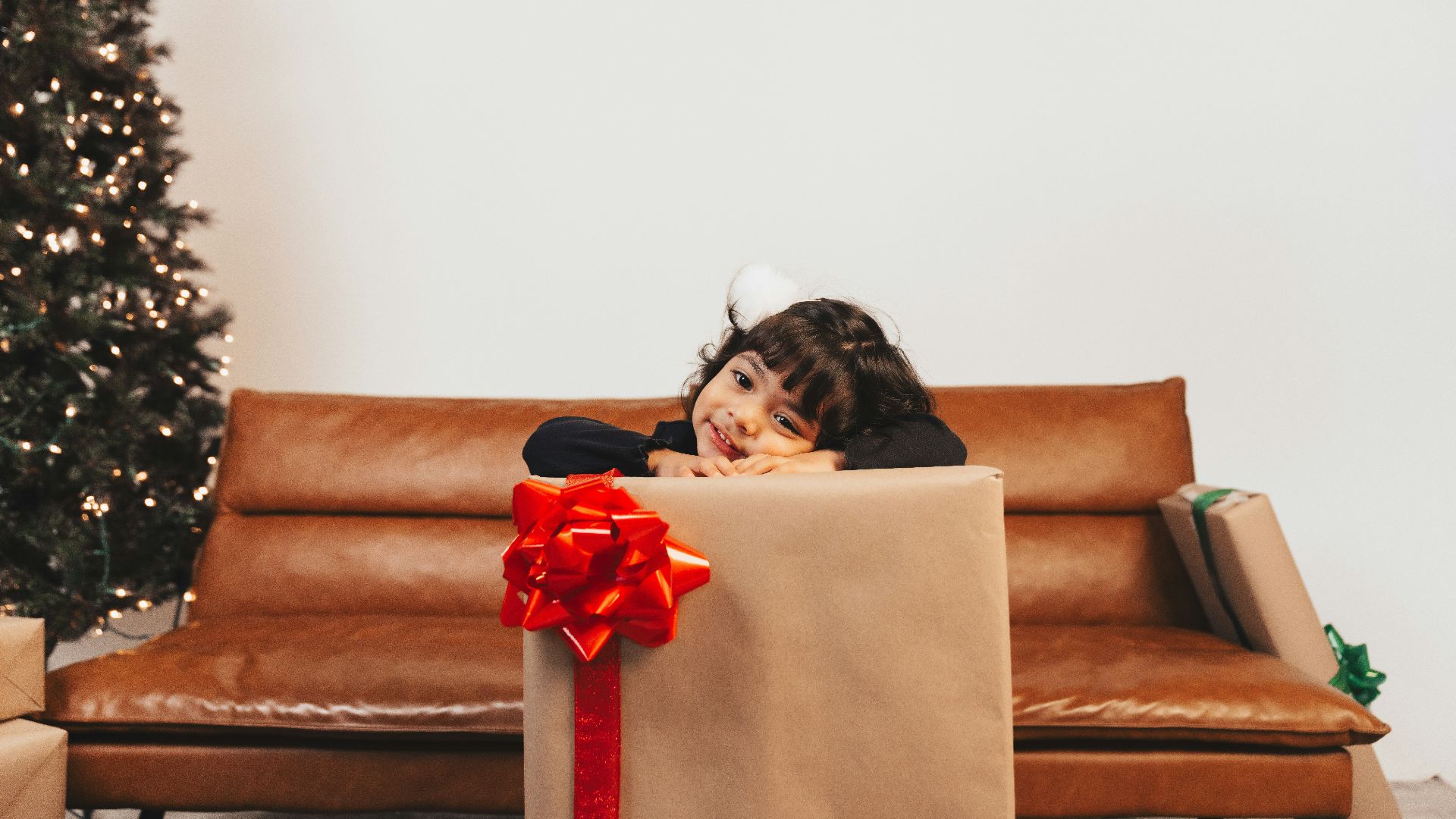
1. Your Undivided Attention
Children notice when an adult is truly engaged rather than simultaneously checking their phone or completing another task. Back-and-forth interaction with caregivers supports healthy social, emotional, and cognitive development, particularly during the early years.
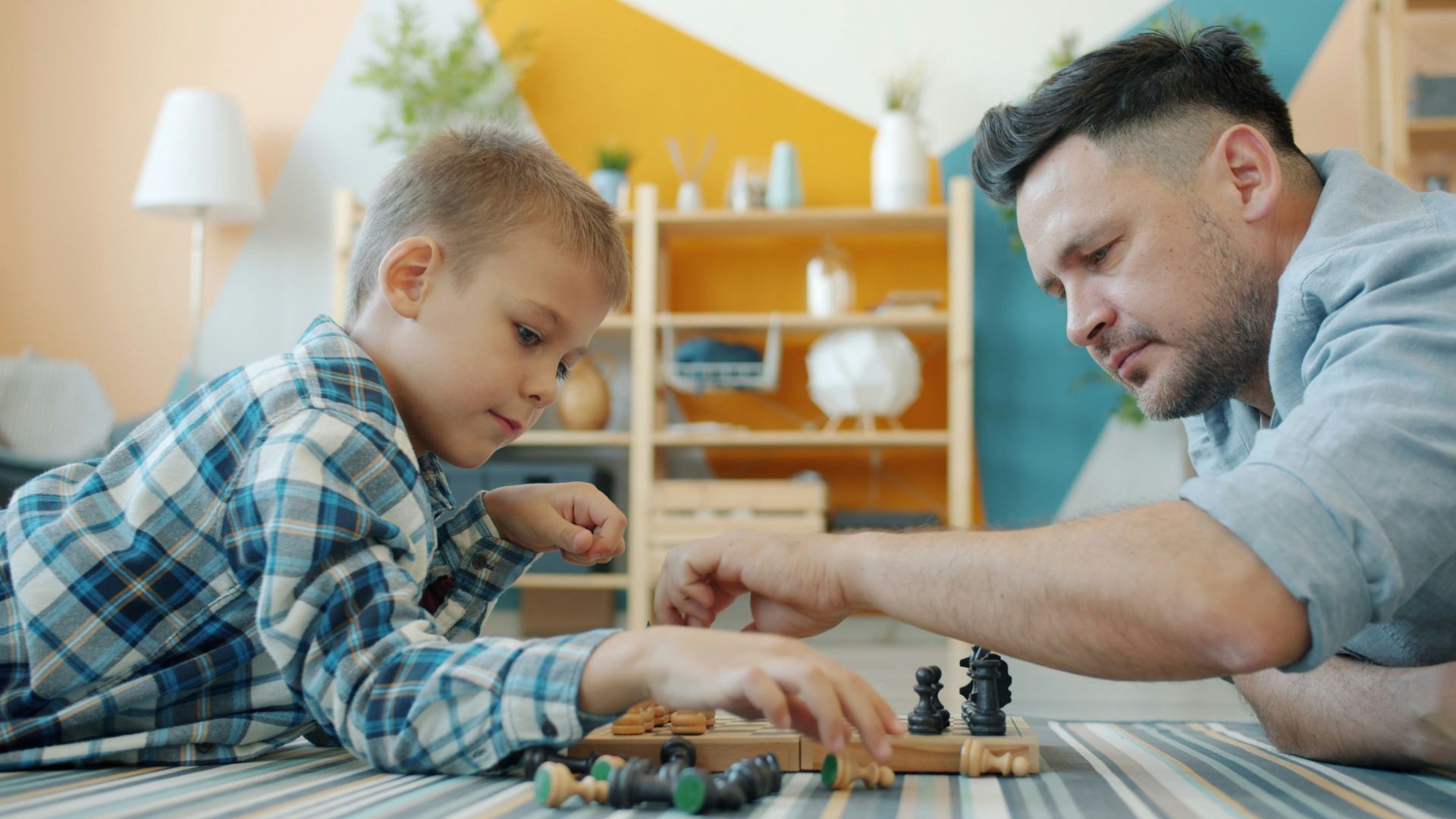
2. Time Spent Playing Together
Participating in a child's game communicates interest in something they've chosen for themselves. Shared play can encourage communication, creativity, and emotional development while giving adults opportunities to understand their children's interests. You don't need an elaborate playroom either, since simple games can be a lot of fun.
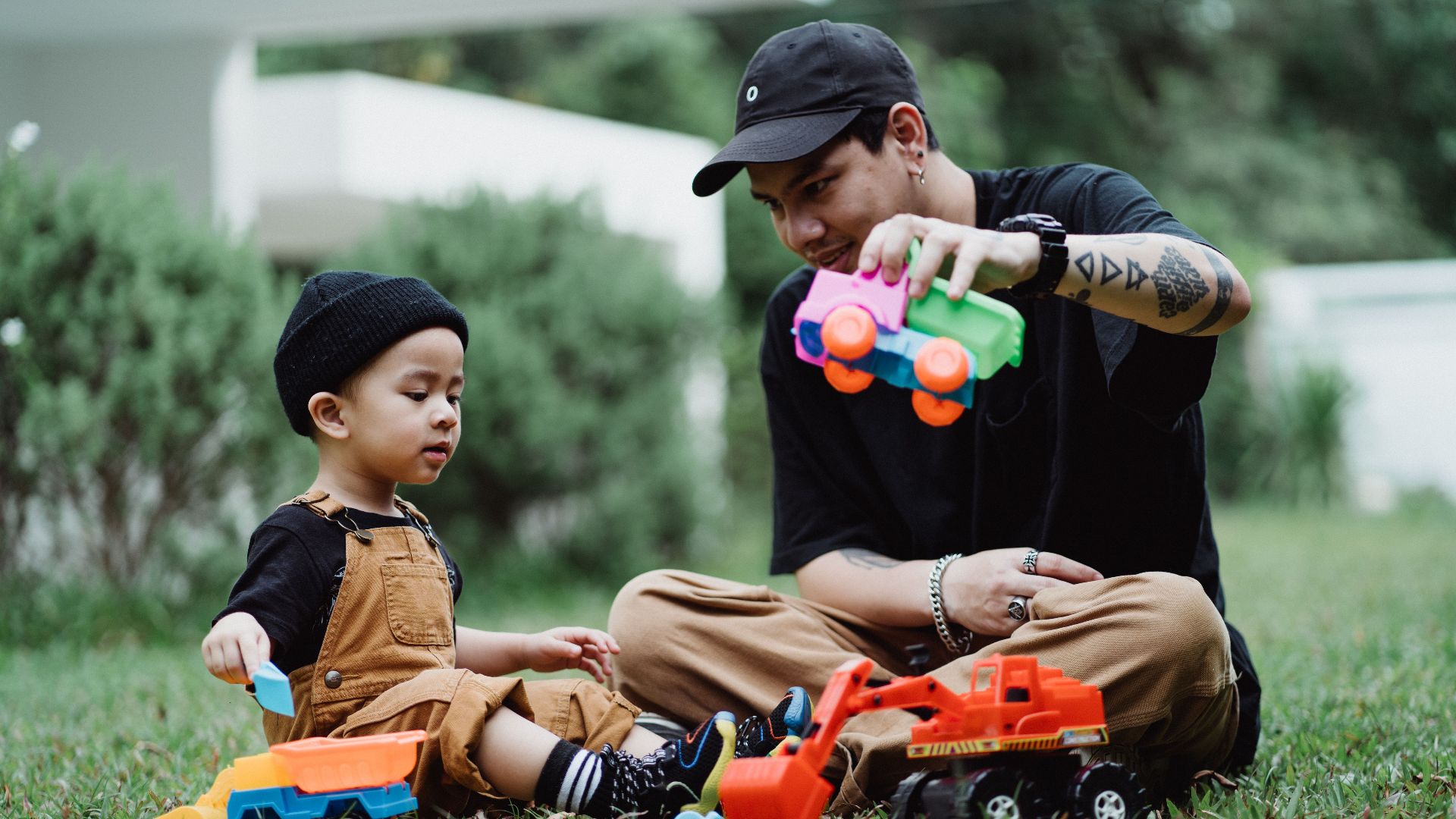
3. Being Listened To Seriously
A story about playground politics may seem minor to an adult, but it can feel extremely important to the child telling it. Listening without immediately interrupting, correcting, or dismissing the subject shows that their thoughts deserve attention. Over time, open communication can make it easier for children to approach adults with bigger problems or questions.
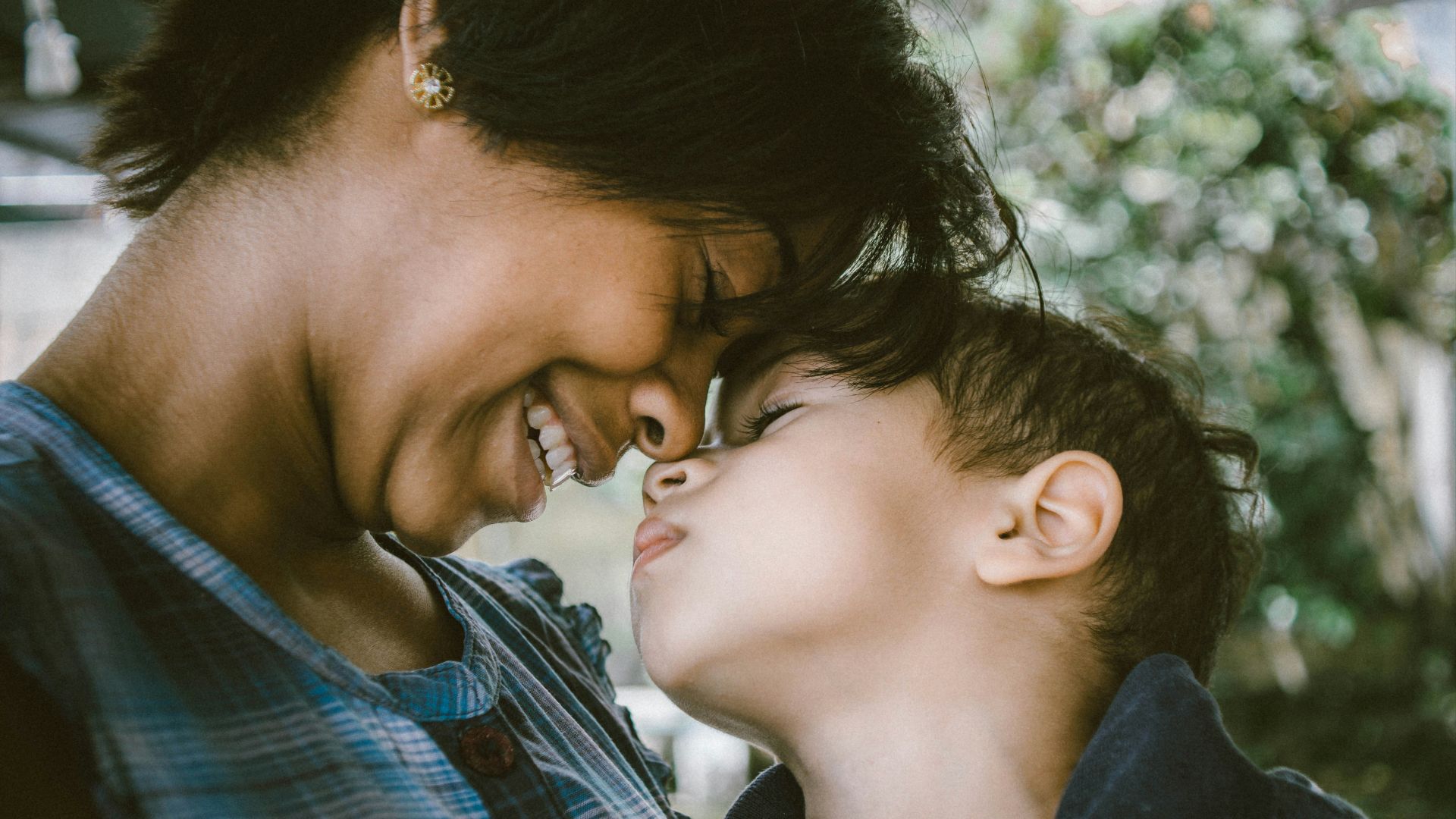
4. Family Traditions
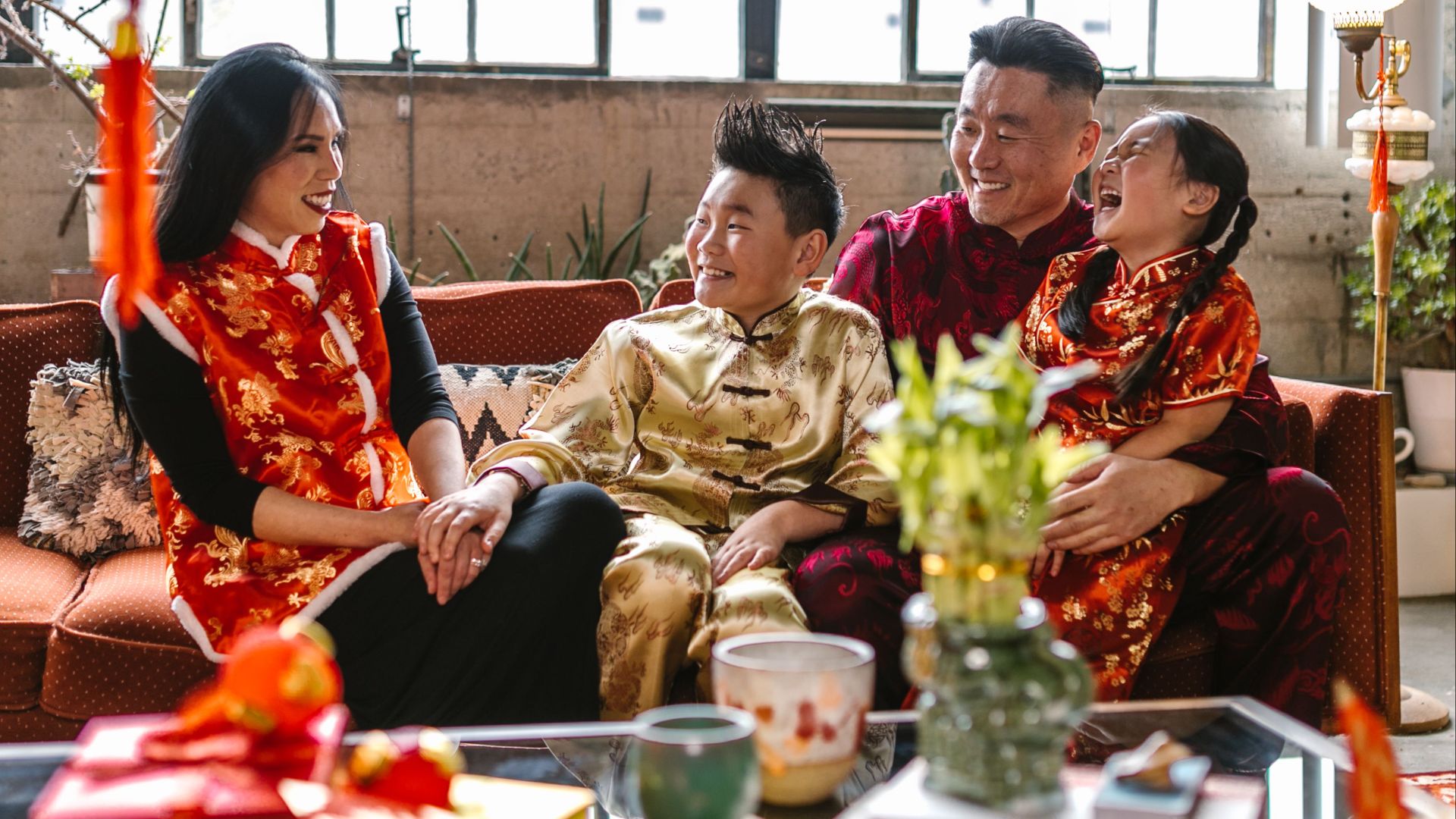
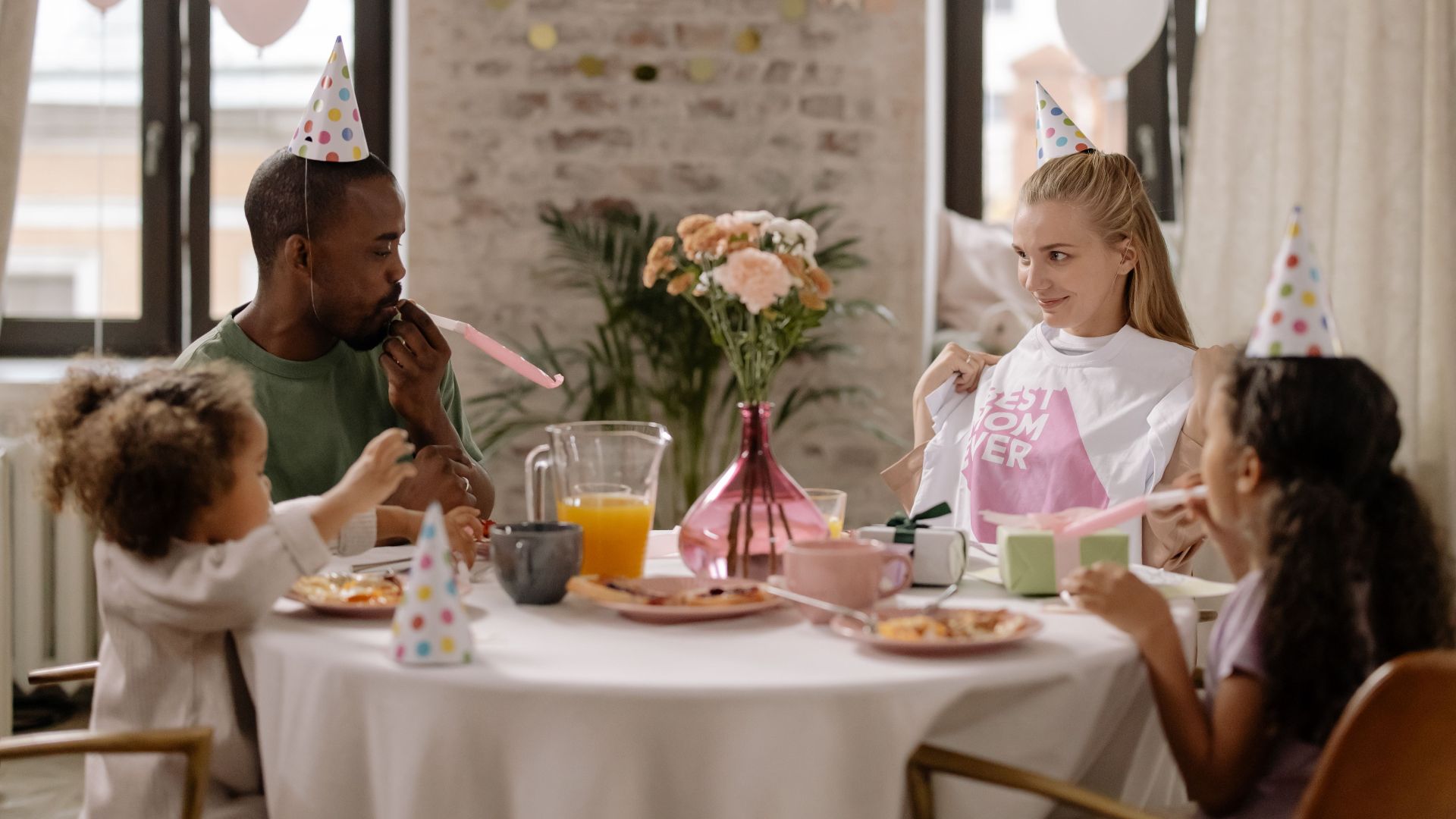
Family customs give children familiar experiences they can anticipate throughout the year. Birthday breakfasts, holiday cookie baking, Friday movie nights, or summer outings don't have to be elaborate to become meaningful. Their consistency is often what makes them memorable, particularly because traditions connect activities with people and shared family history.
5. Genuine Praise
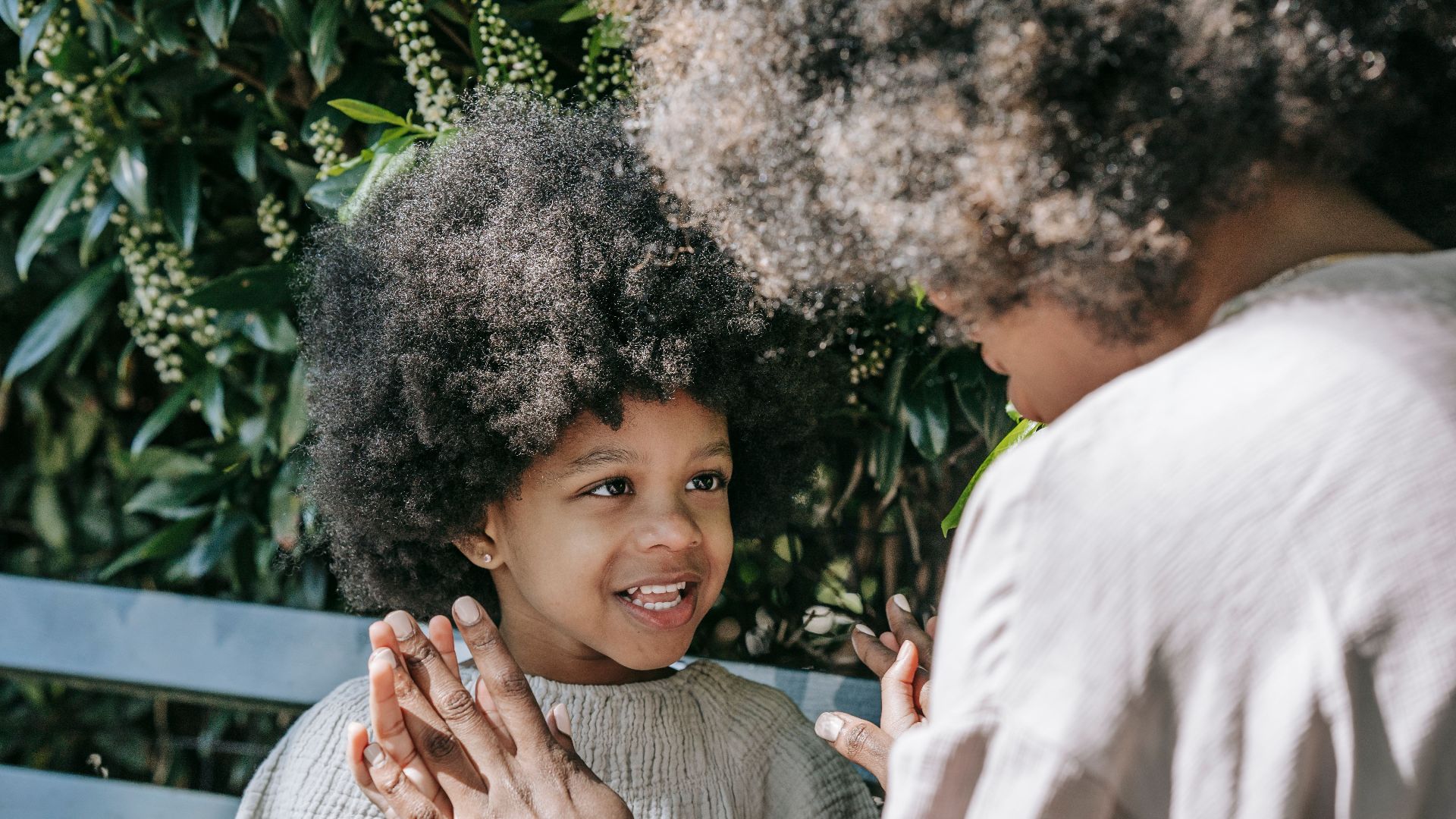
Children typically benefit more from specific encouragement than from automatic compliments attached to everything they do. Noticing persistence, kindness, improvement, or effort tells them exactly what behavior you're appreciating.
6. A Favorite Meal
Food can become associated with comfort, routine, celebrations, and family life. Making a child's favorite pancakes, soup, or birthday dinner demonstrates that you've remembered something specific to them and that they genuinely enjoy.
7. One-On-One Outings
Children in busy households don't always get much uninterrupted time with one particular parent, grandparent, or caregiver. A trip to the library, park, café, or a walk on a local trail can create that opportunity without requiring an expensive destination.

8. Being Allowed To Make Choices
Kids spend much of their lives following schedules and decisions made by adults, so appropriate opportunities for choice can feel important. Letting them select the family board game, afternoon activity, dinner vegetable, or bedtime story gives them a shred of independence.
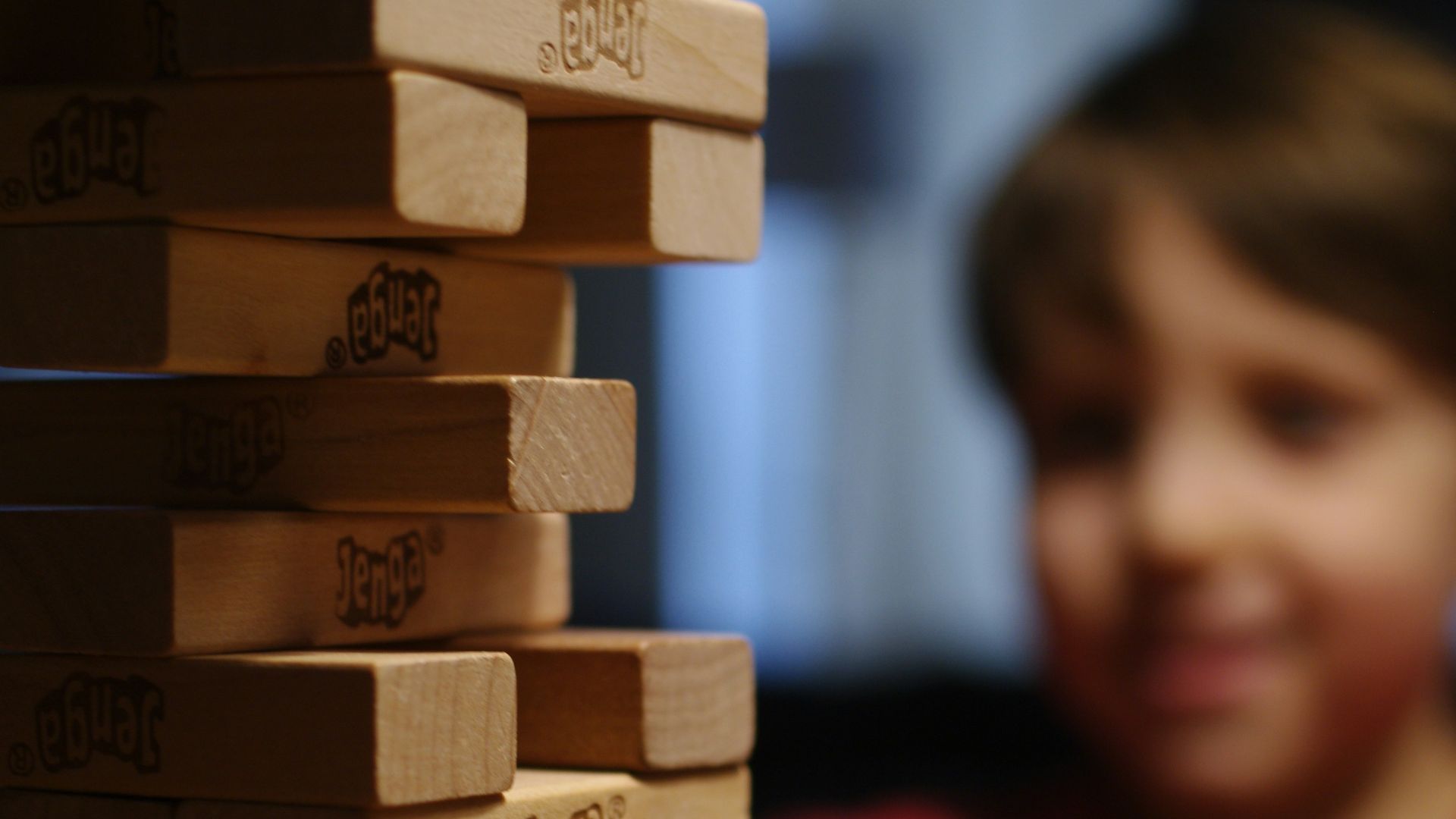 Michał Parzuchowski on Unsplash
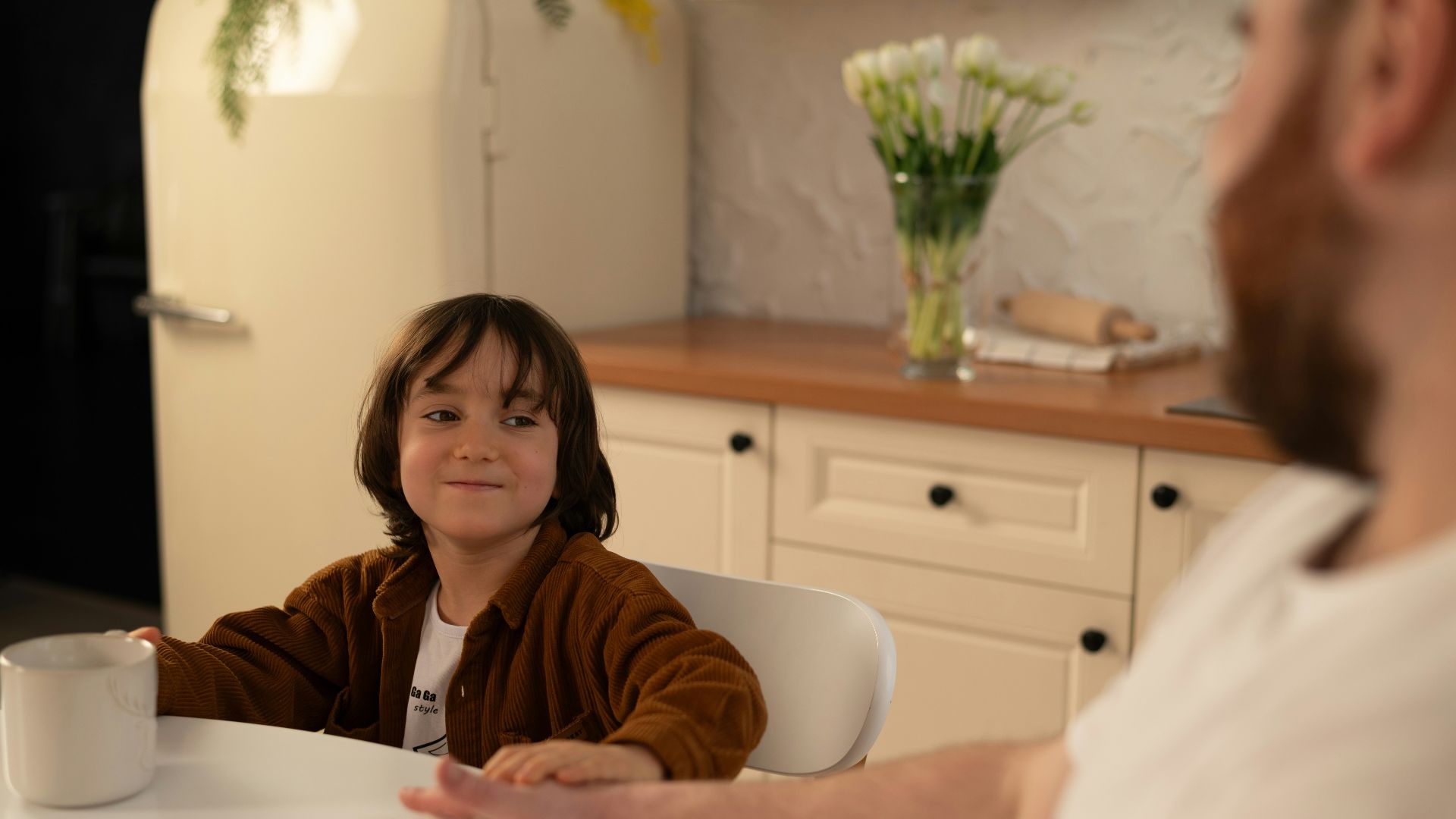
9. Bedtime Conversations
A predictable bedtime routine can provide reassurance while creating a natural opportunity for quiet conversation. Children may suddenly mention worries, questions, or amusing details once the day's distractions have disappeared. Reading together or talking briefly before sleep costs nothing, but regular routines can strengthen a sense of security and connection.
10. Hearing Family Stories
Children are often fascinated by what their parents, grandparents, and other relatives were like at their age. Stories about school adventures, childhood pets, family celebrations, or earlier generations give children information about the people around them.

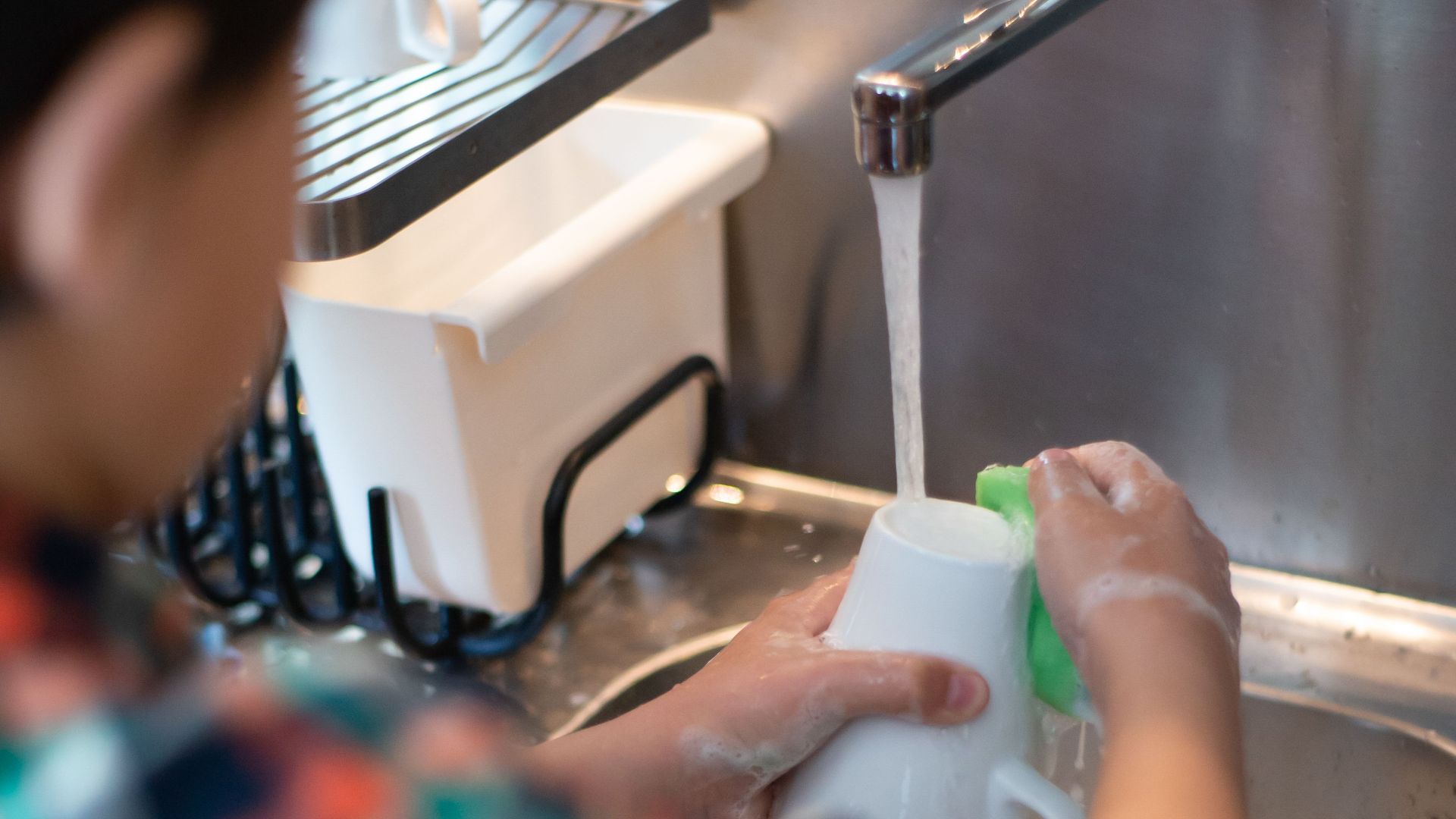
11. Being Trusted With Responsibility
Age-appropriate responsibilities can help children feel that they're contributing rather than merely being supervised. Feeding a pet, setting the table, or helping prepare food gives them a genuine role in household life.
12. Outdoor Adventures
A fun adventure doesn't require airline tickets or a carefully organized itinerary. Exploring a trail, searching for interesting foliage, building something in the snow, or visiting a playground gives children opportunities for discovery. Outdoor play also supports physical activity while offering experiences that differ from highly structured indoor entertainment.
 Tower Paddle Boards on Unsplash
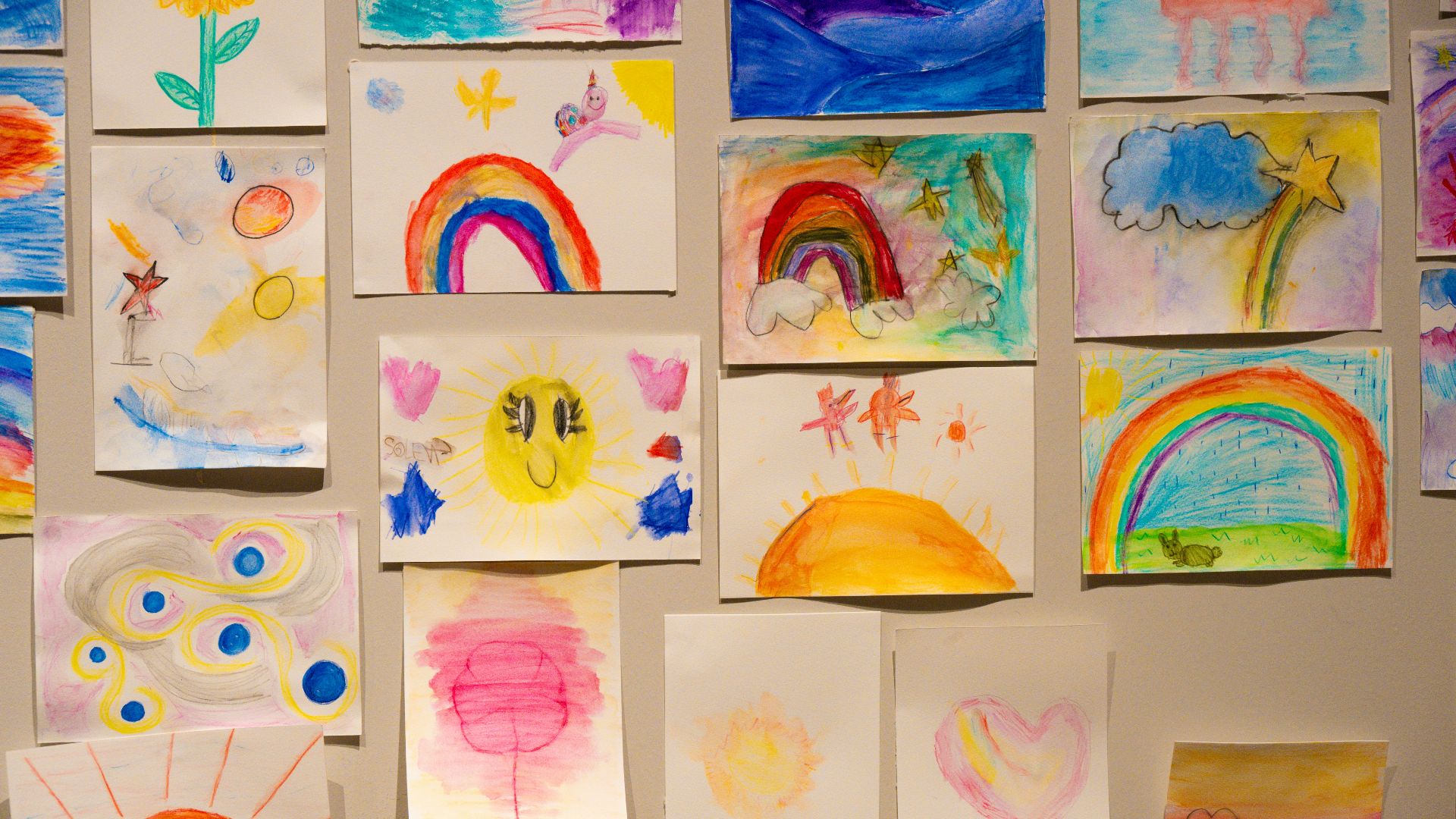
13. Displaying Their Creations
Taping a child's drawing to the refrigerator or placing their craft on a shelf sends a simple message that their effort matters. You don't have to pretend every scribble belongs in a museum to show sincere interest in what they've created.
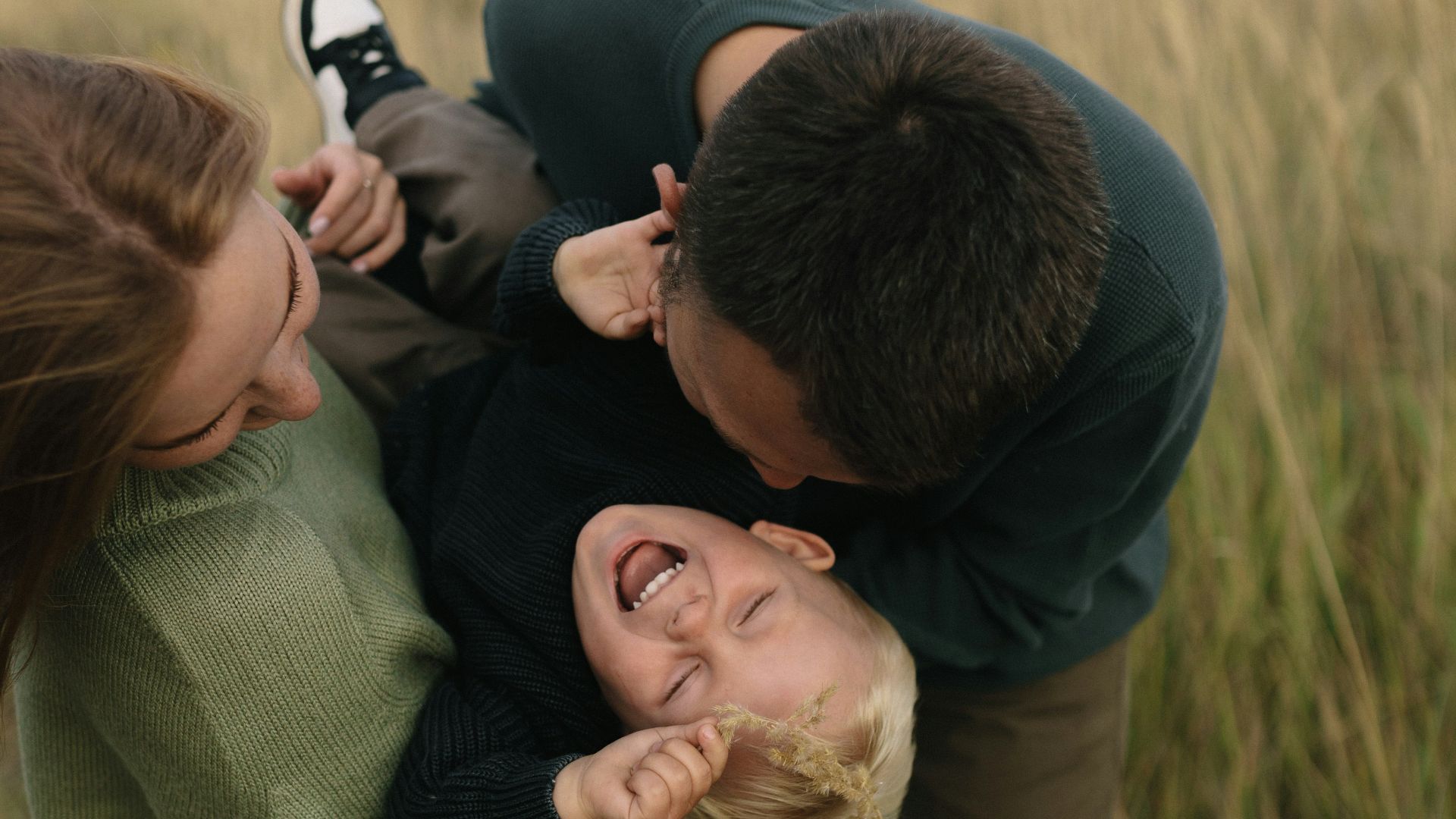
14. Laughing With Their Family
Shared humor has a remarkable ability to turn completely ordinary situations into favorite memories. Silly games, recurring family jokes, funny voices during story time, or harmless kitchen mishaps can all become part of childhood's familiar routine.
15. Physical Affection They Welcome
Many children appreciate affectionate gestures such as hugs, cuddling, holding hands, or a reassuring pat on the back, provided the contact is comfortable and wanted. Warm, responsive caregiving contributes to children's emotional security and healthy relationships.

16. Celebrating Small Achievements
Not every accomplishment needs a big trophy, shopping trip, or large reward attached to it. Learning to tie shoelaces, completing a difficult book, improving at swimming, or finally solving a frustrating problem can deserve enthusiastic recognition.

17. Creative Play
Children don't necessarily need highly specialized toys to create absorbing games. Cardboard boxes, building materials, art supplies, costumes, or everyday household objects can support imaginative and open-ended play.

18. Showing Up
Attending a school performance, sports game, recital, exhibition, or other activity can matter greatly to a child who has spent time preparing for it. Your presence tells them that their interests are worth making room for in the family schedule.

19. Feeling Included In Family Life
Children often enjoy being involved in ordinary activities that adults might not consider particularly exciting. Helping select groceries, planning an activity, washing the car, decorating for a celebration, or preparing dinner lets them participate rather than watch.

20. Knowing They're Loved Unconditionally
Material gifts are enjoyable, but they aren't substitutes for feeling secure in an important relationship. Children benefit from dependable adults who offer warmth, support, attention, and reassurance even after disagreements or mistakes.
 Caroline Hernandez on Unsplash