10 Things Senior Singles Love About Dating Again & 10 Things They'd Happily Skip
More Confidence, More Freedom, And More Baffling
Dating again later in life rarely looks like the first time around. After decades of careers, kids, marriages, and the general chaos of adulthood, most older singles walk into it with a much clearer sense of what they want, and an even clearer sense of what they're done tolerating. There are also more ways to meet people than ever before, plus the freedom to shape a relationship that actually fits the life you've already built, rather than starting from scratch. Of course, today's dating world also comes loaded with apps, scams, ghosting, and conversations about money and health that never used to be first-date territory. Here's what senior singles say they enjoy about getting back out there, followed by the parts they could live without.
1. Finally Knowing What You Want
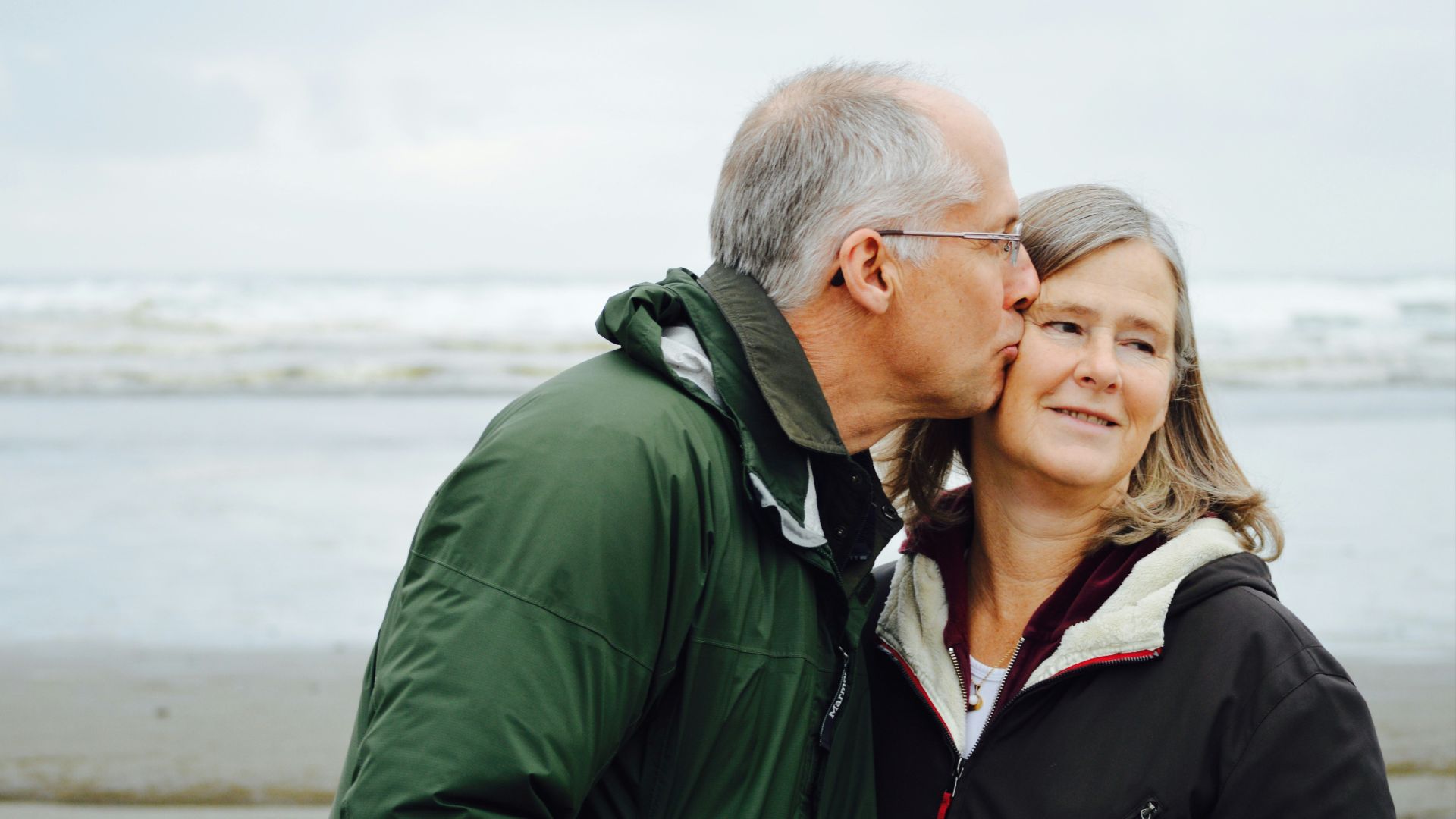
Decades of living tend to sharpen your radar. Most older adults know their needs, their boundaries, and their non-negotiables, which means far less patience for relationships that are obviously going nowhere. If something feels off, walking away comes a lot easier than it did at twenty-five.
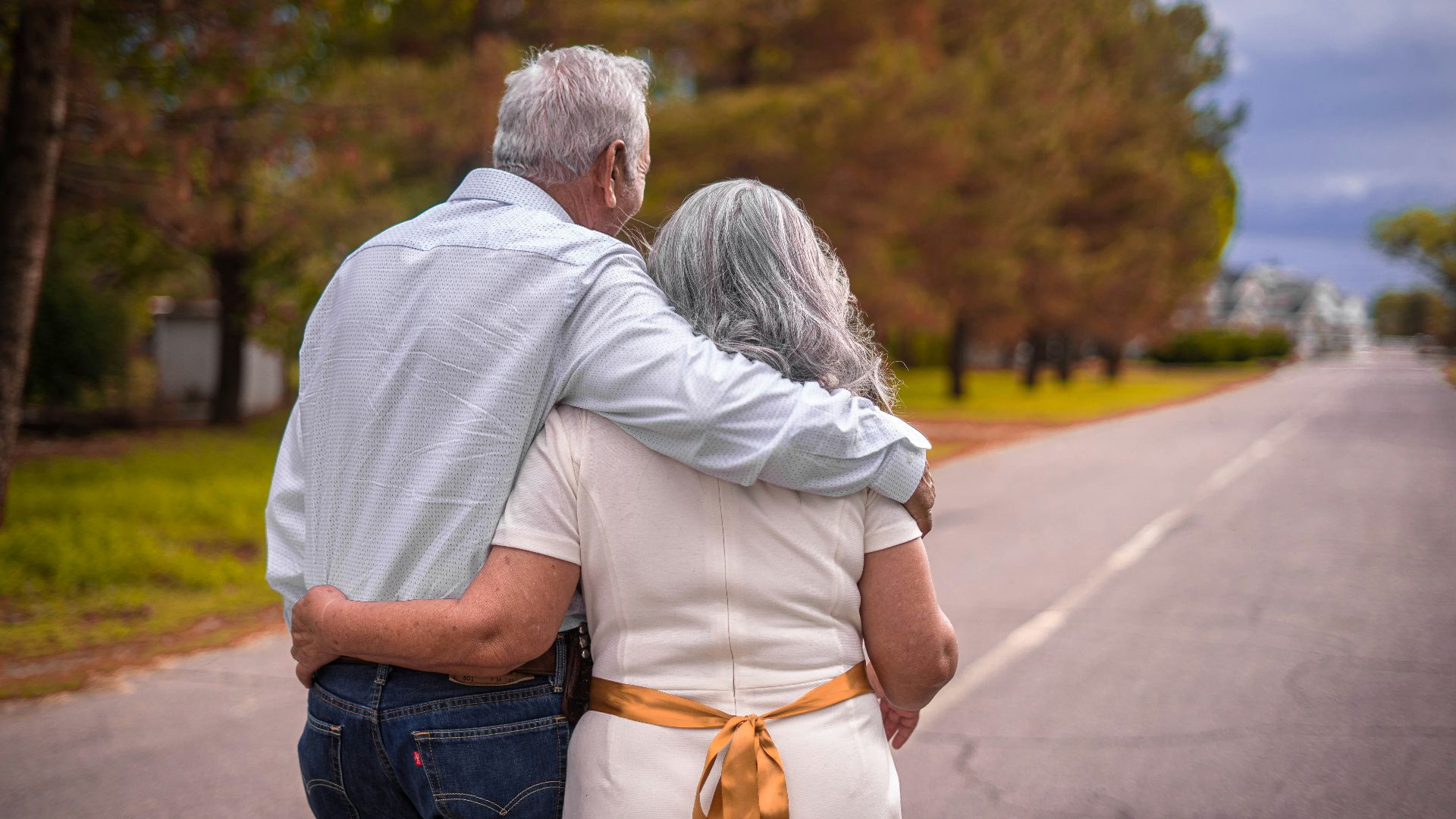
2. Companionship in the Small Moments
Nobody needs a five-course dinner to feel close to someone. A walk around the block, a shared movie night, a phone call after a rough day- these ordinary moments carry real weight.

3. Writing Your Own Definition of the Relationship
Dating later in life doesn't come with a default destination. Some people want a life partner, others want something casual, a close friendship, or a slow-building connection with no label attached.
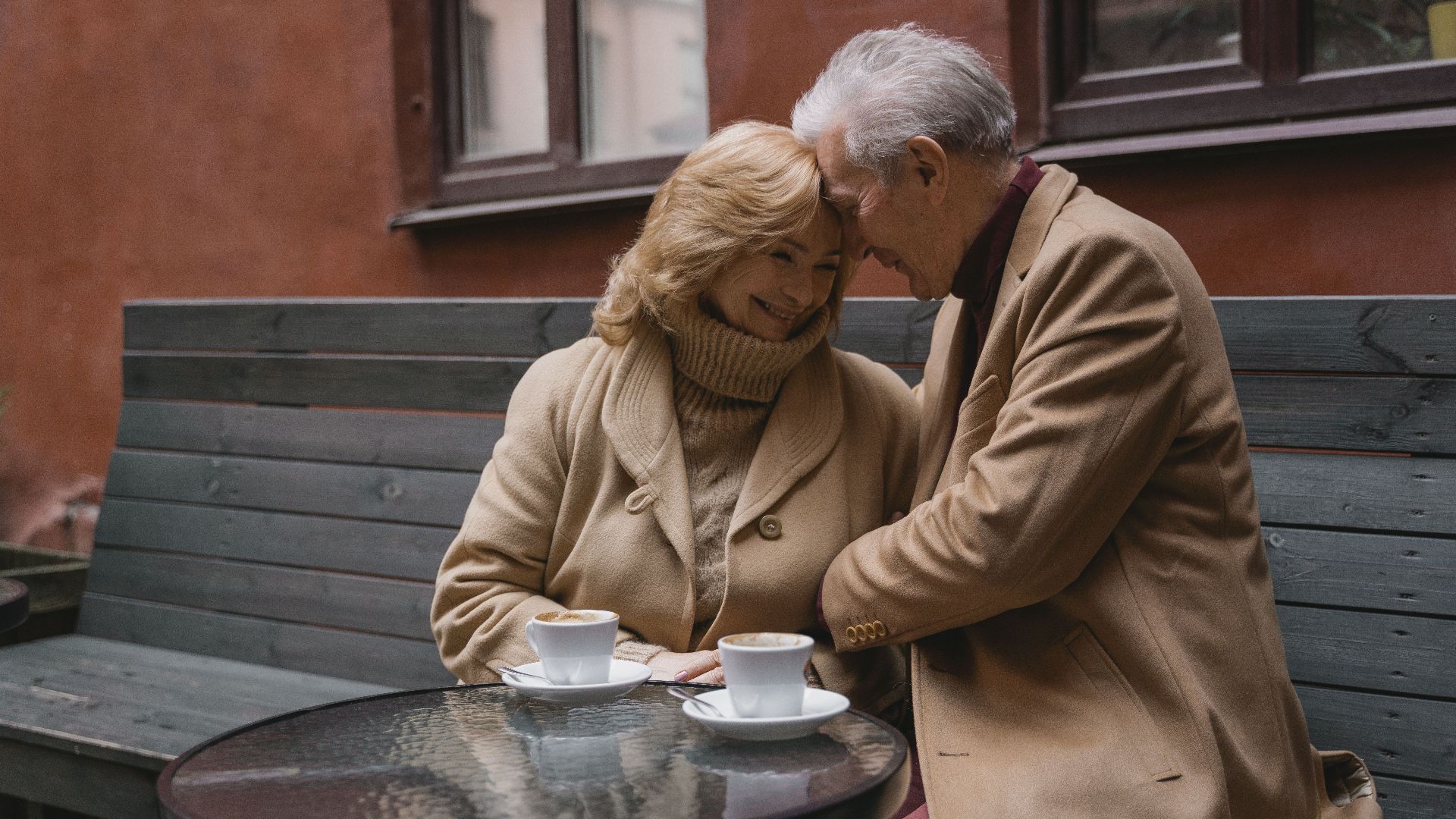
4. Independence That Doesn't Disappear
Serious doesn't have to mean merged bank accounts and shared closets. Plenty of older couples stay fully committed while keeping separate homes, which means they also keep their own space, privacy, and daily rhythms intact.
5. More Doors, More People
Your neighbors and coworkers aren't the only prospects anymore. Dating apps and websites open the door to people older adults would likely never cross paths with otherwise. The learning curve on the technology can be a little rough at first, but it also means a much wider pool of potential connections.

6. Letting a New Friend Count as a Win
Not every good date needs to end in romance. Plenty of older adults use dating platforms partly in search of friendship, and meeting someone genuinely interesting still counts as a win, even without sparks flying. A new dinner companion or someone who shares your love of hiking or trivia nights is still a great outcome.
 LOGAN WEAVER | @LGNWVR on Unsplash
7. Talking Openly About Intimacy
Years of experience make it a lot easier to speak plainly about affection, desire, and boundaries. Older daters tend to say what they mean instead of hoping the other person magically figures it out. That usually means fewer mixed signals and more honest conversations about both emotional and physical closeness.

8. Actually Having Time
Later life often comes with fewer scheduling nightmares than the earlier decades did. With careers winding down and kids grown, there's more room for long dinners, weekend getaways, and unhurried afternoons together.

9. Proof That Love Isn't Finished
A divorce or the end of a long marriage doesn't mean the door to real love is closed. People absolutely fall in love, remarry, and move in together later in life. Meeting someone new is often a welcome reminder that one chapter closing doesn't mean the story ends.

10. Less Pressure to Pair Up
Older singles generally feel less societal pressure to lock down a partner than younger daters do. That turns dating into a genuine choice rather than an obligation. Whether you want something committed, something casual, or just enjoyable company, there's no invisible clock ticking down toward a deadline.
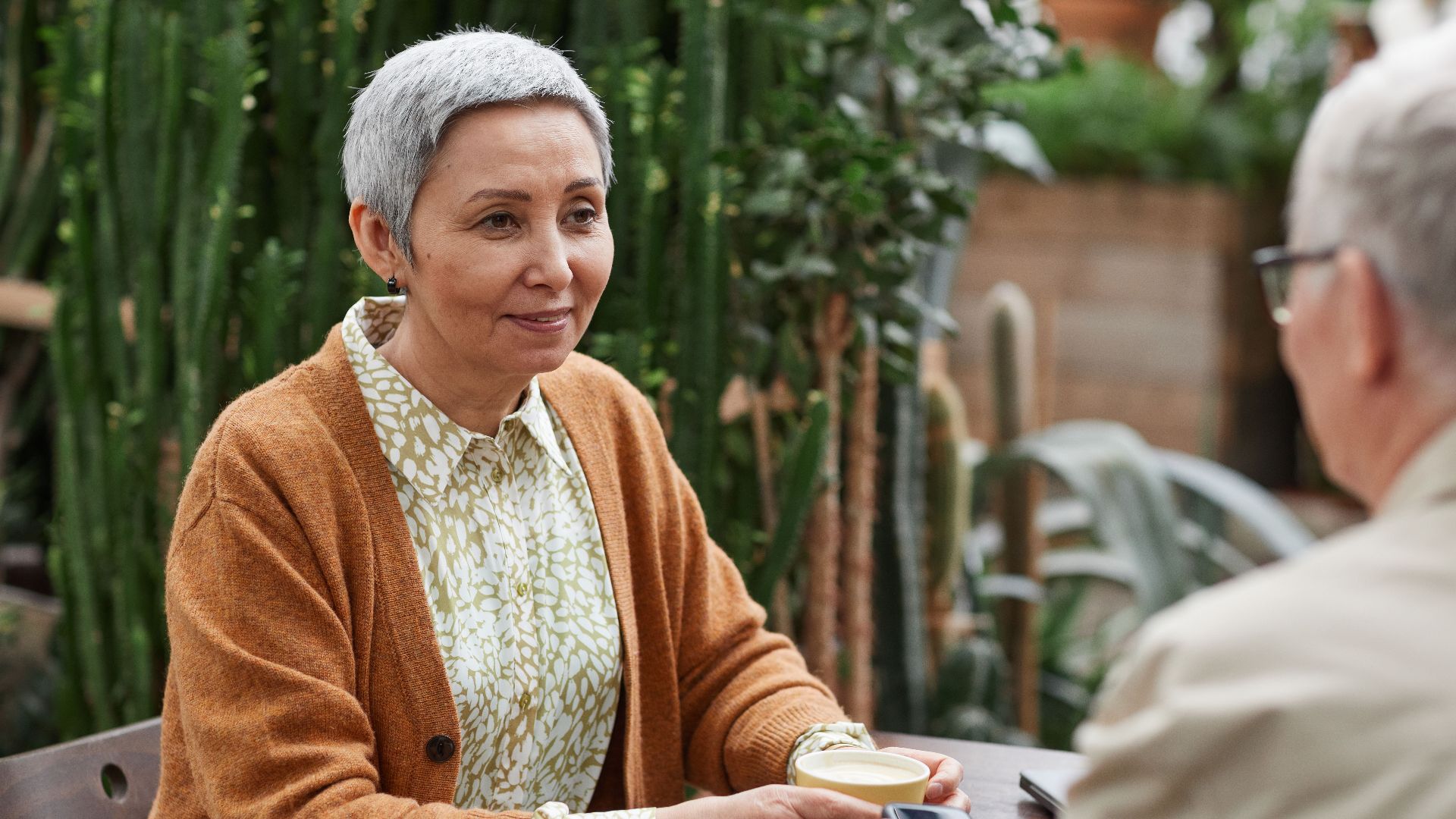
1. Cracking the New Rules of Dating
Stepping back into dating after decades away can feel like landing on an entirely different planet. Profiles, swiping, texting etiquette, ghosting, and figuring out exactly when to take a conversation offline can turn into a small research project.
 Priscilla Du Preez 🇨🇦 on Unsplash
2. Getting Ghosted, Again
Some frustrating habits never age out. Being ignored after weeks of conversation, or after an actual date, still stings, especially when a two-line message would have spared everyone the confusion. After investing real time in getting to know someone, having them vanish without a word feels needlessly cold.
3. A Dating Scene That Feels Less Personal
Technology makes meeting people easier, but it can also make the process feel colder. A single photo can trigger a snap judgment, and a promising conversation can vanish with one tap. Plenty of older adults find it takes real effort to adjust to this process.
4. Staying Alert to Romance Scams
Online dating carries a genuine risk of fraud. Scammers often spend weeks, sometimes months, building trust through steady messages before pivoting to a sudden emergency, a cryptocurrency "opportunity," or a request for money, always paired with a convenient excuse for why meeting in person just isn't possible yet. Staying on guard can take some of the joy out of getting to know someone new.
 Glenn Carstens-Peters on Unsplash
5. Fielding Unwanted Attention
Dating apps aren't always a pleasant place to spend an evening. Unsolicited messages, repeated contact after a clear "not interested," crude comments, and occasionally something more threatening are all real possibilities. Having to block or report someone can turn what should be a fun way to meet people into an exhausting chore.

6. Thinking Through Personal Safety
Meeting a stranger, especially one you first connected with online, calls for a little extra caution. Picking a public spot, telling a friend where you're headed, and being selective about what personal details you share are all smart moves. Sensible, sure, but they do add a layer of planning to what used to be a spontaneous coffee date.
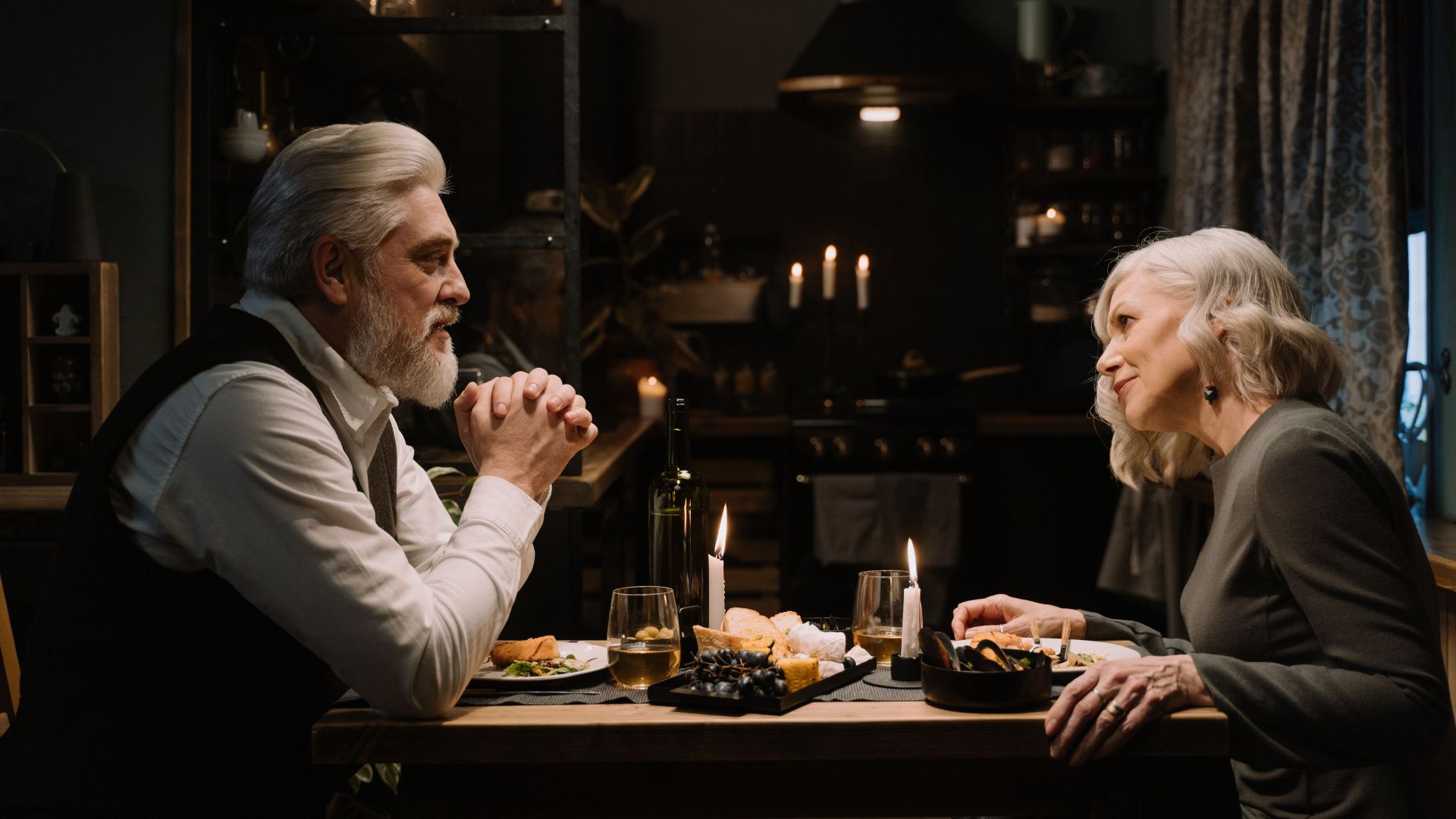
7. The Money Conversation
Finances get complicated when two people with fully separate lives start getting serious. Retirement accounts, property, debt, estate plans, and obligations to grown children can all enter the picture. These talks aren't exactly romantic, but they become essential once a relationship starts touching bigger decisions about the future.

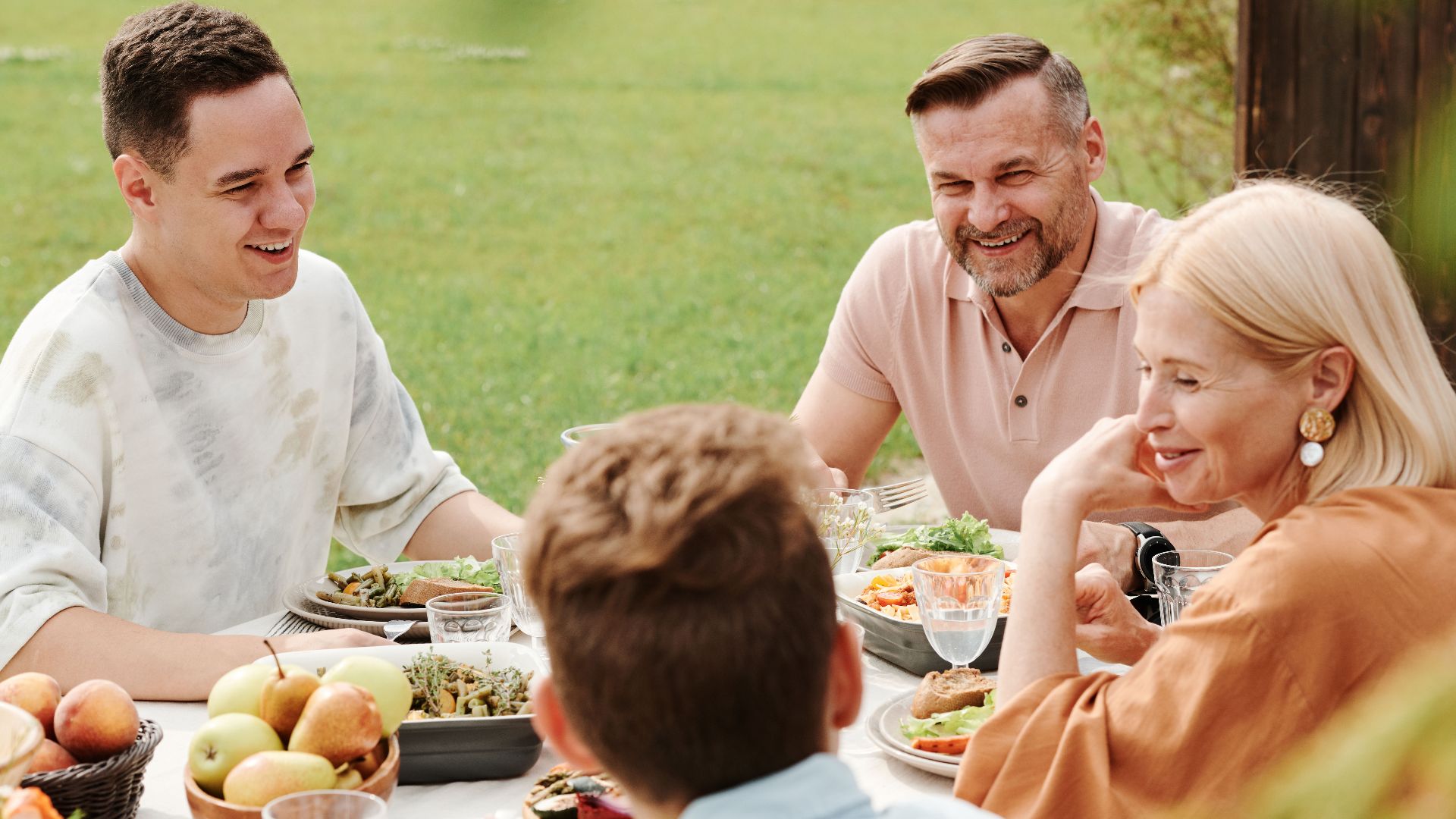
8. Navigating Grown Children's Opinions
Dating later in life rarely involves just two people. New relationships and remarriages can shift the dynamic between parents and their adult kids, so family feelings often become part of the romance whether anyone planned for it or not.
9. Dating While Still Grieving
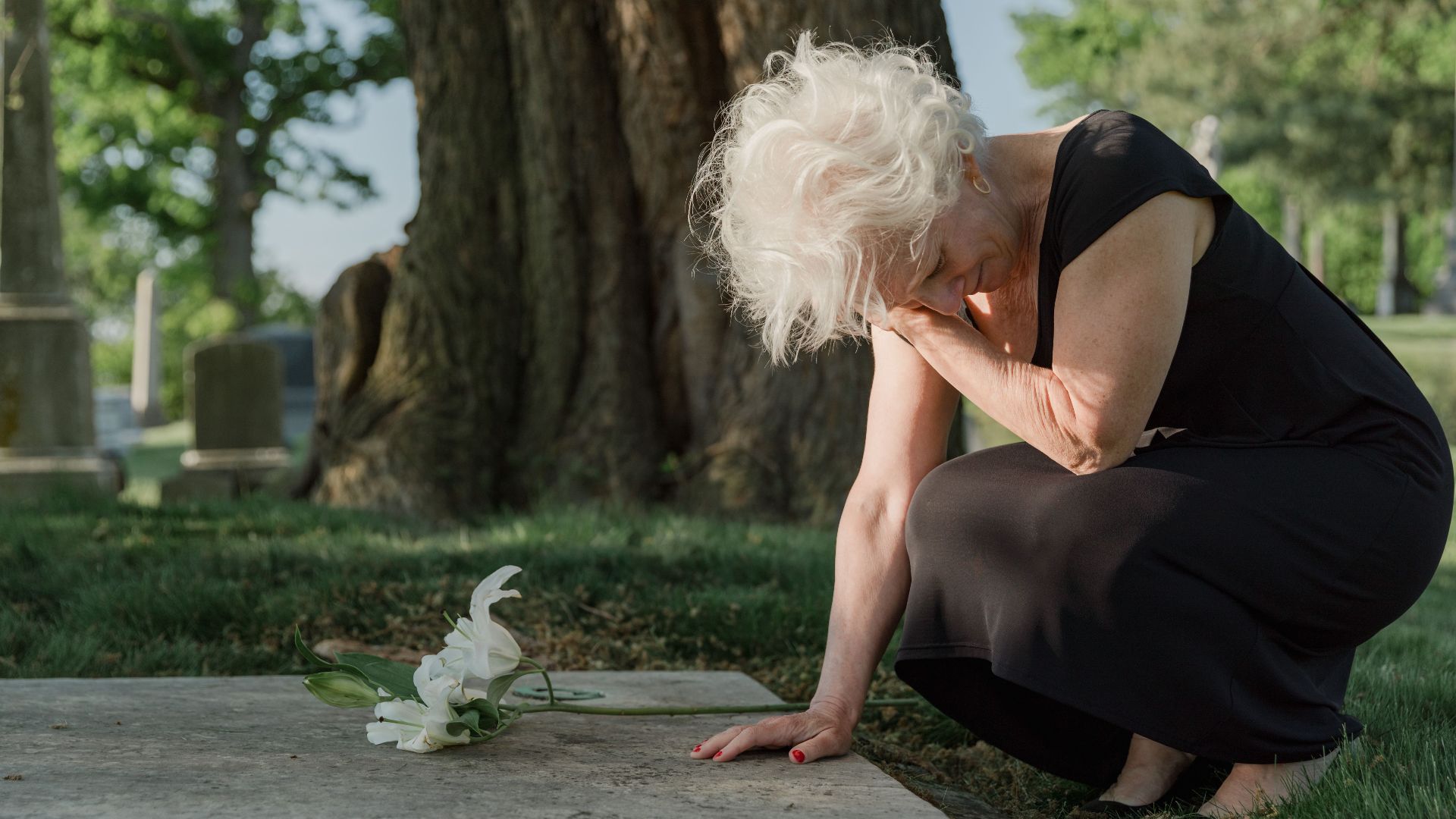
For widowed singles, meeting someone new doesn't switch off the grief for a spouse who's gone. Sadness, guilt, and longing can persist even while someone is actively dating and building a new connection. There's no set timeline for mourning, and falling for someone new doesn't erase the love or the memories that came before.
10. Having “The Conversation”
Health inevitably becomes part of dating in ways that can feel uncomfortable at first. Physical changes, medications, chronic conditions, and sexual health can all shape intimacy, and yes, sexually active older adults can still contract STIs. Talking openly about health, comfort, and personal needs helps both people figure out what actually works for them and makes intimacy far less awkward in the long run.