Splurge Smart, Save Smart
Every appliance aisle tempts you with the same dilemma: to pay more now, or save the difference and hope it doesn't bite you later. Some categories reward the extra money with a sturdier motor and a warranty that actually means something when a part fails in year six. Others barely change once you get past a certain price point, and the fancier version mostly just adds a nicer control panel. Knowing which is which saves real money over a decade of replacing things that never needed to be expensive in the first place. Here's 10 home appliances worth splurging on, and 10 where cheap works just fine.
1. Washing Machine
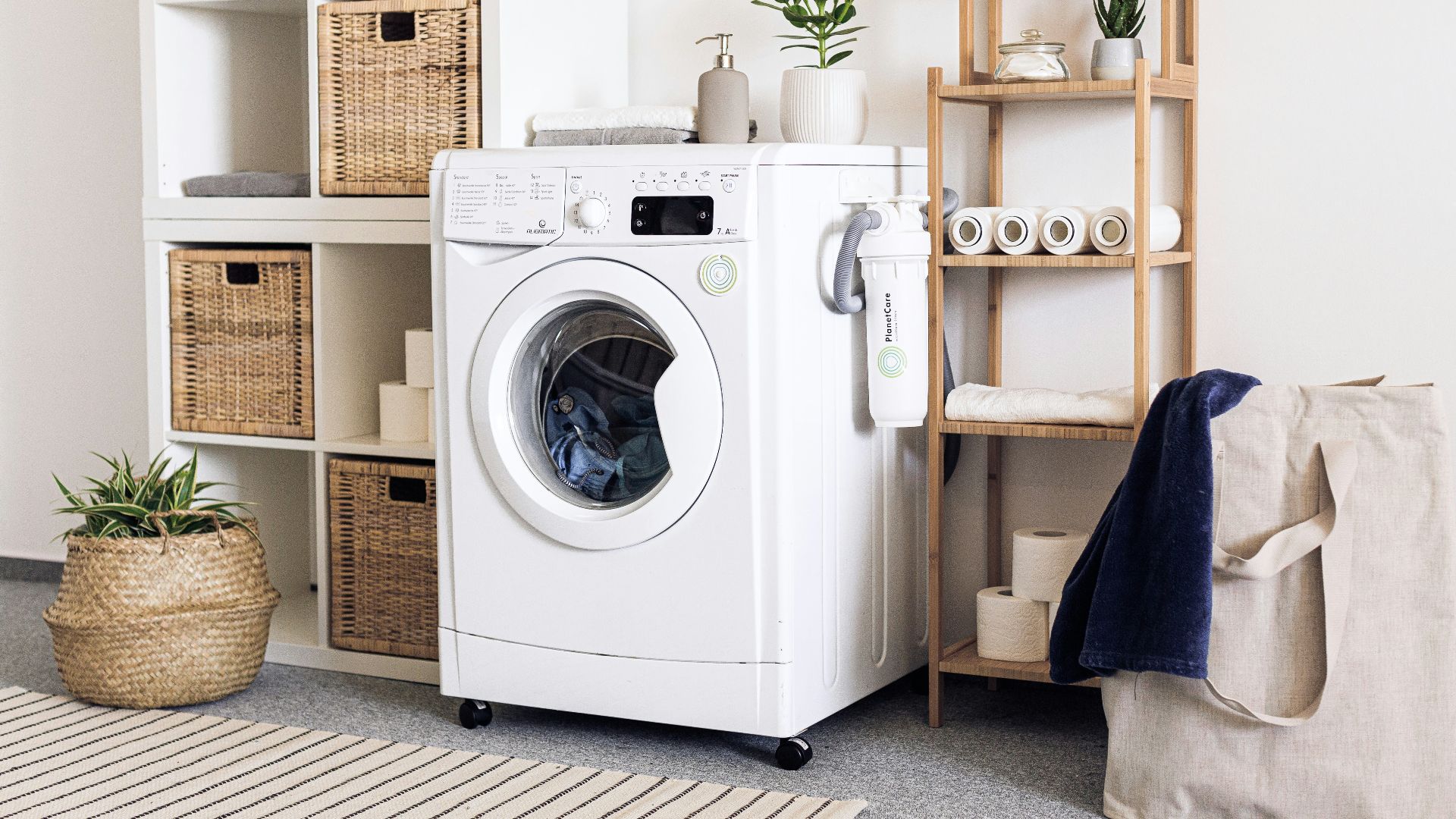
A front-load washer with a solid drum and a reliable motor will still be running strong a decade from now, while budget models tend to develop bearing issues and leaks within the first few years. The extra cost usually shows up in quieter cycles and better water efficiency, which adds up on the utility bill over time. This is one of the few appliances where the cheap version ends up costing more in repairs than the upgrade would have.
2. Refrigerator
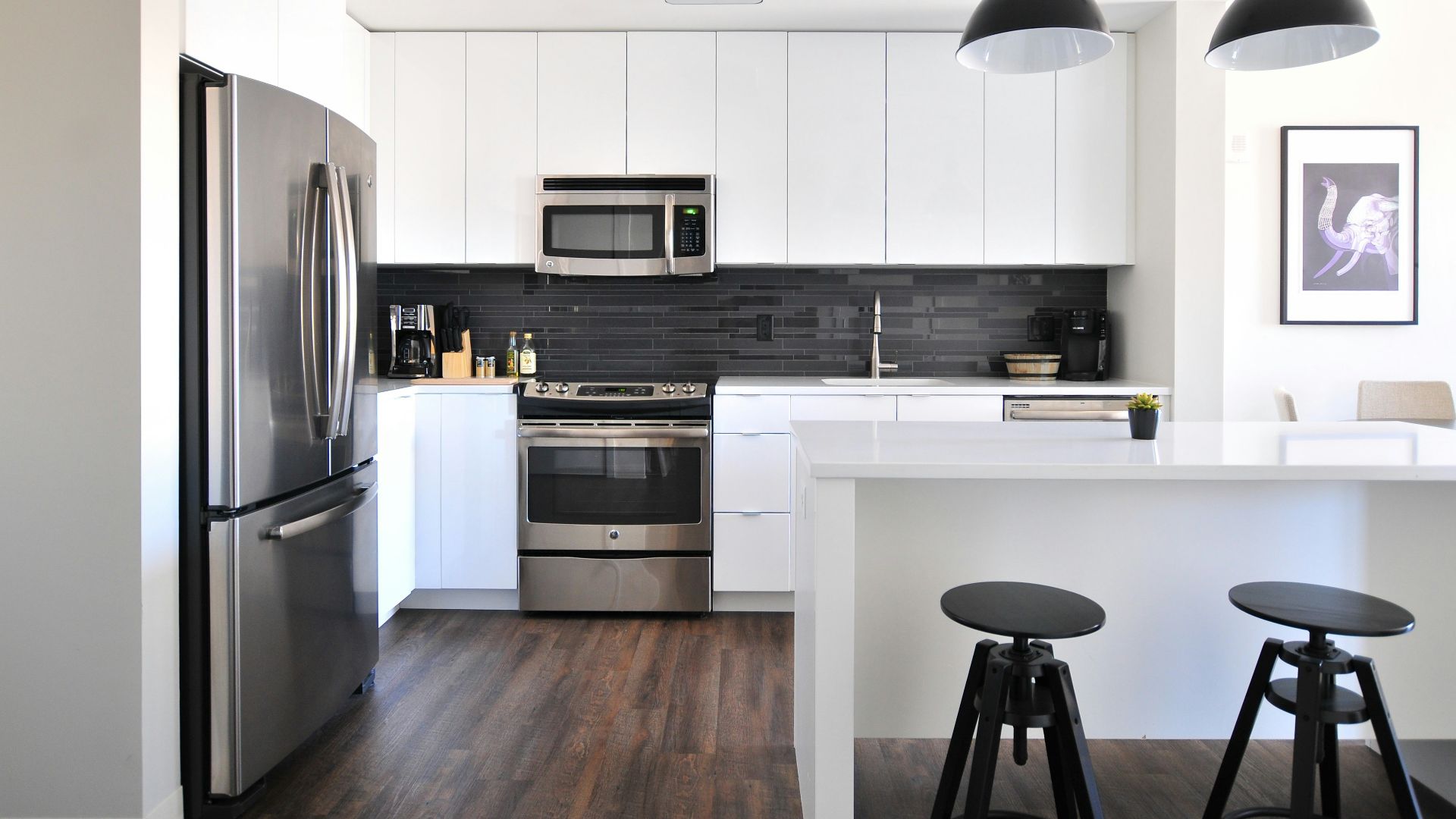
Compressor quality varies wildly across price points, and a cheap fridge's compressor failing means losing an entire kitchen's worth of food at the worst possible moment. Higher-end models also tend to hold temperature more evenly, which keeps produce from going bad early. A fridge runs constantly for years without a break, so the extra investment pays for itself in fewer repair calls.
3. Vacuum Cleaner
Suction power and build quality drop off fast once you go below a certain price range, and cheap vacuums tend to lose performance within a year or two of regular use. A well-built vacuum with a washable filter and a solid motor will outlast three cheaper replacements bought over the same stretch of time.

4. Stand Mixer
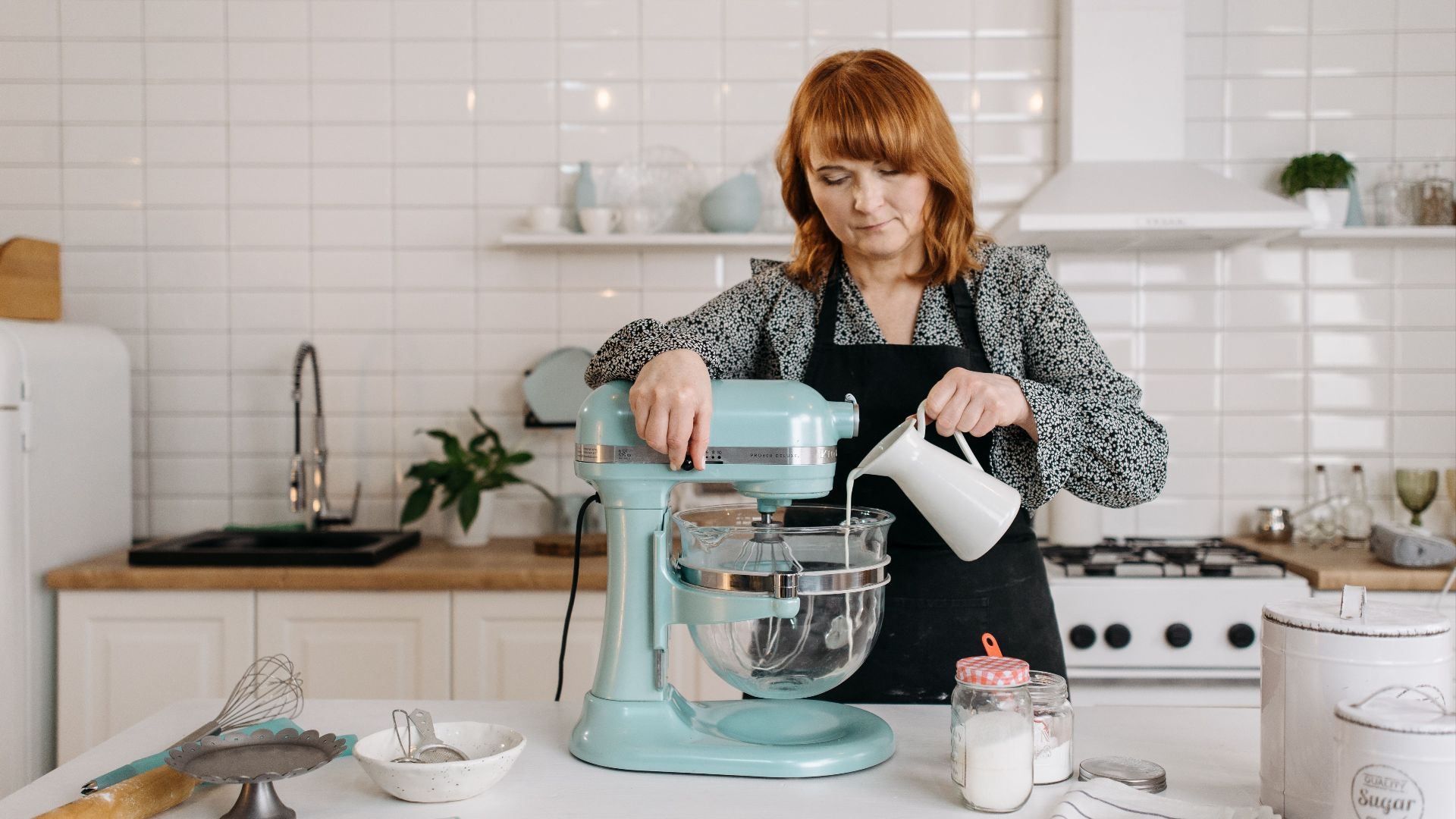
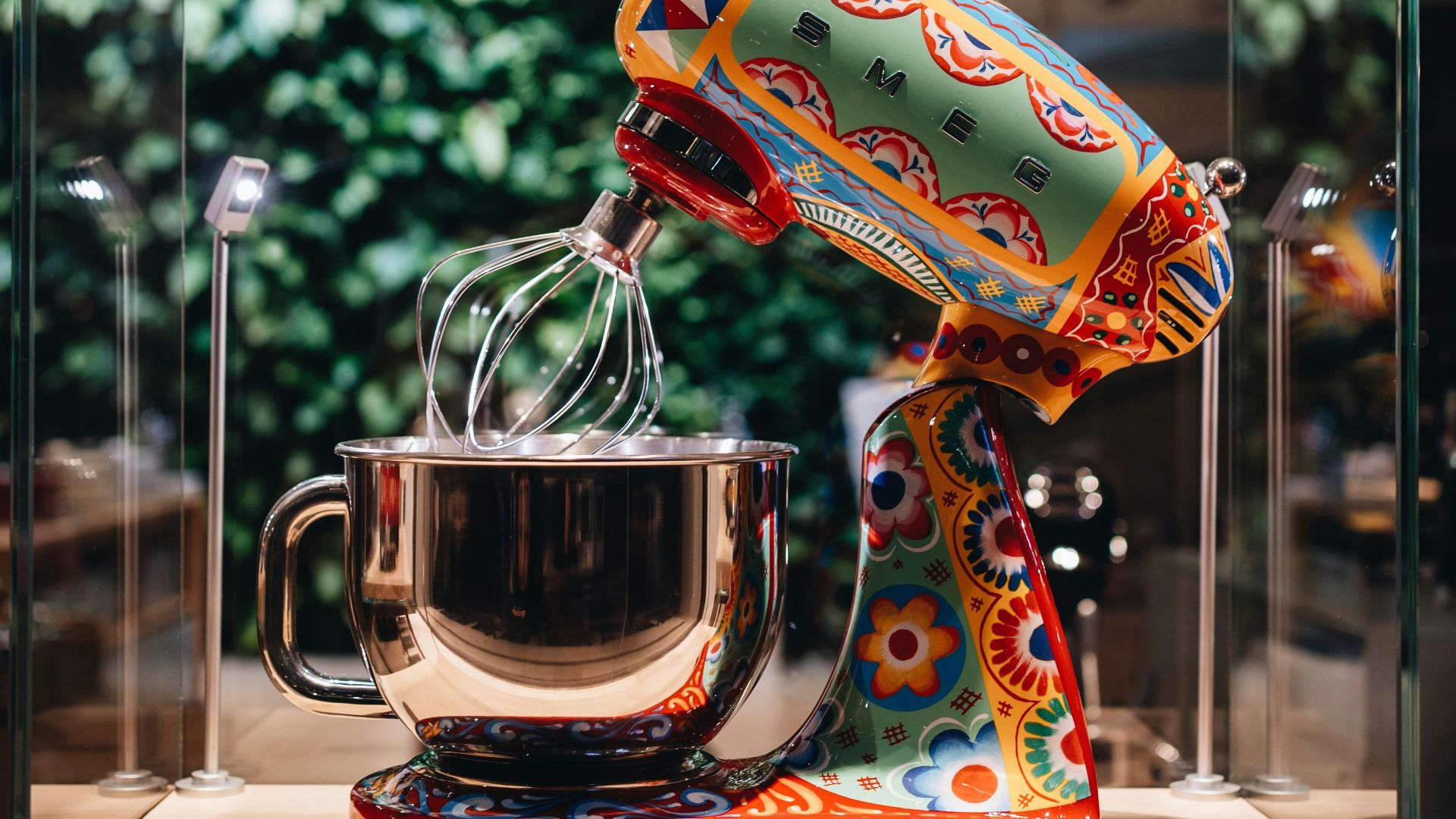
A budget stand mixer struggles with thick dough and tends to burn out its motor exactly when you need it most, usually during a holiday baking marathon. The higher-end versions handle bread dough and heavy batters without straining, and the gears inside last for decades instead of years. This is the rare kitchen appliance people actually pass down to their kids.
5. Water Heater
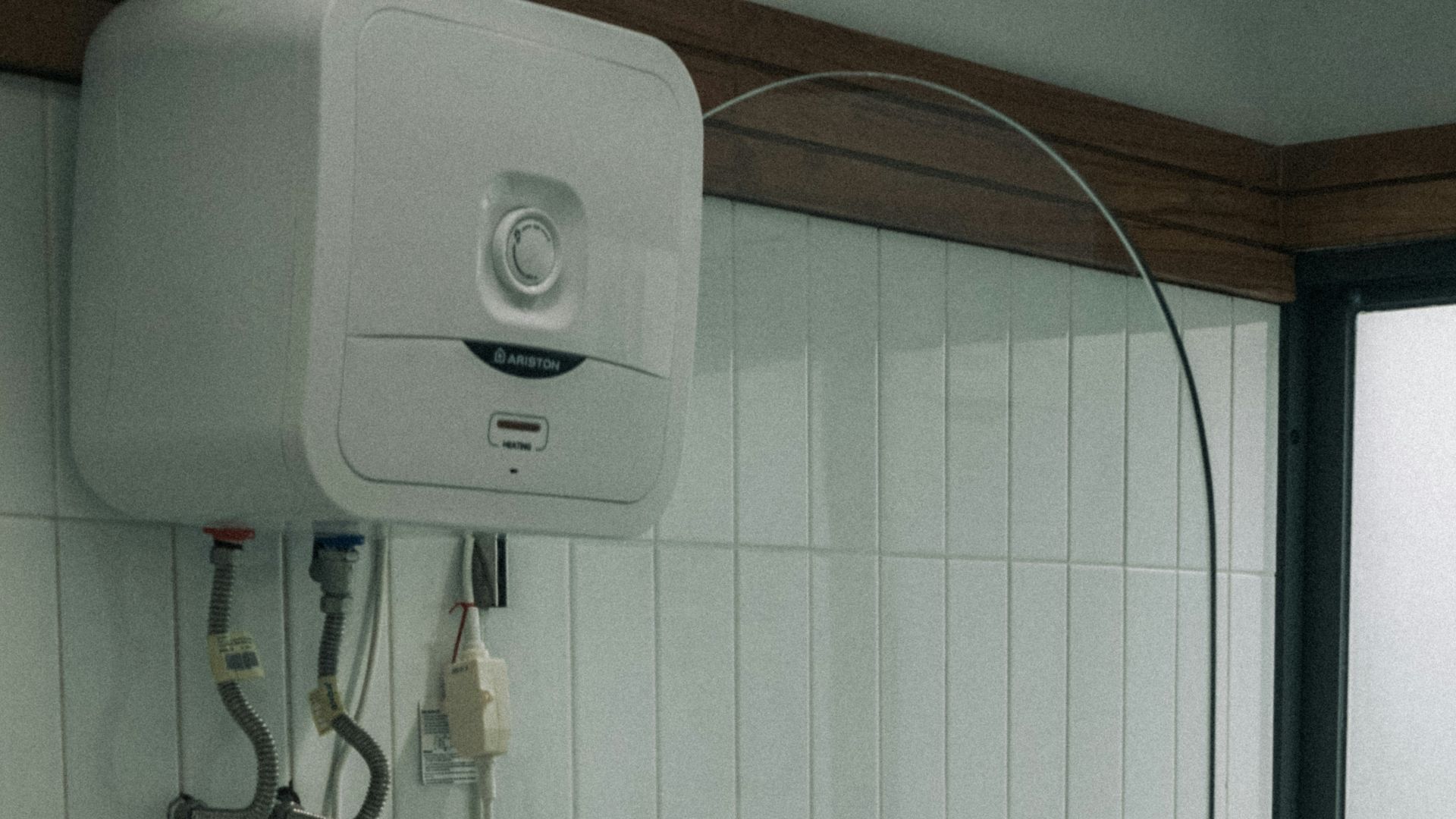
A cheap water heater tends to fail earlier and less predictably, sometimes flooding a utility closet on its way out. Higher-efficiency models cost more upfront but use less energy every day for years, which shows up directly on the bill over time. Given how disruptive a failure can be, this isn't the appliance to gamble on.
6. HVAC System
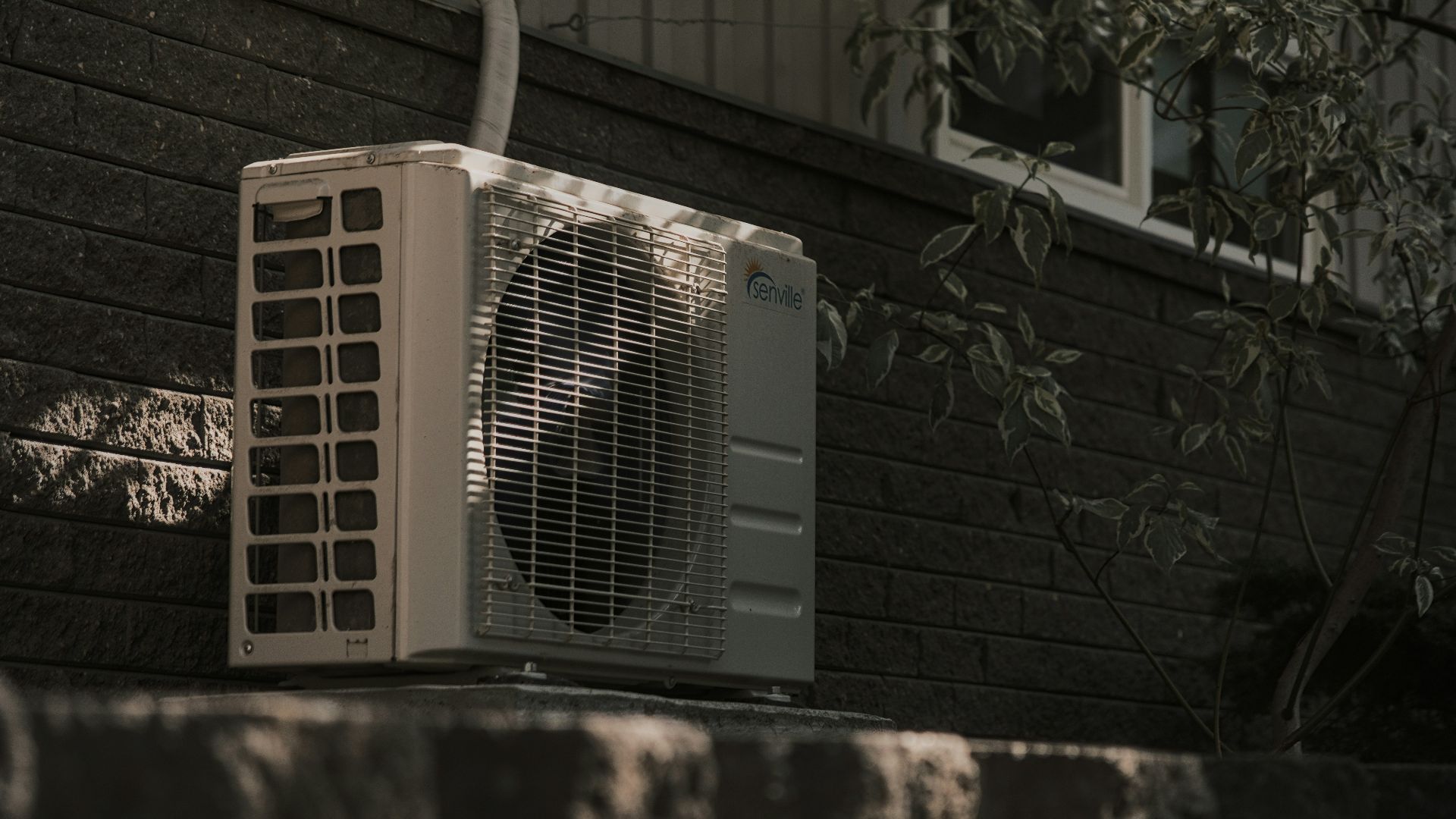
A cheaper furnace or air conditioner might run fine for a while, but lower efficiency ratings mean higher monthly bills for as long as the system's installed. Higher-end systems also tend to have better warranties and more available replacement parts. This is a purchase you live with for fifteen years or more, so it's worth getting right.
7. Espresso Machine
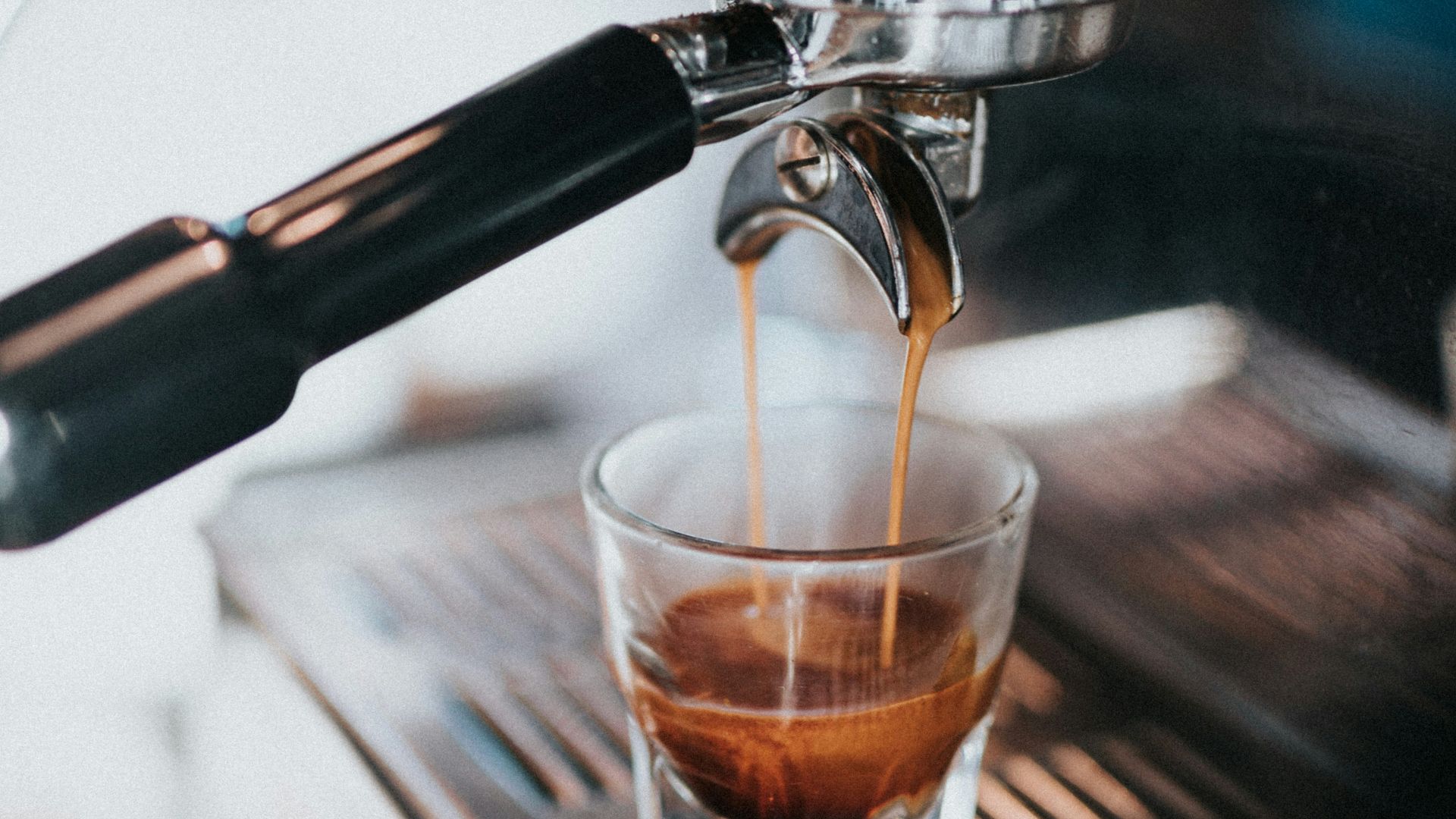
A cheap espresso machine struggles to hit consistent pressure and temperature, which shows up directly in the cup no matter how good the beans are. Higher-end machines maintain that consistency shot after shot, and the internal components hold up to daily use instead of wearing out within a year. For anyone making coffee at home every single day, this is a cost that gets paid back in coffee shop visits avoided.
8. Robot Vacuum
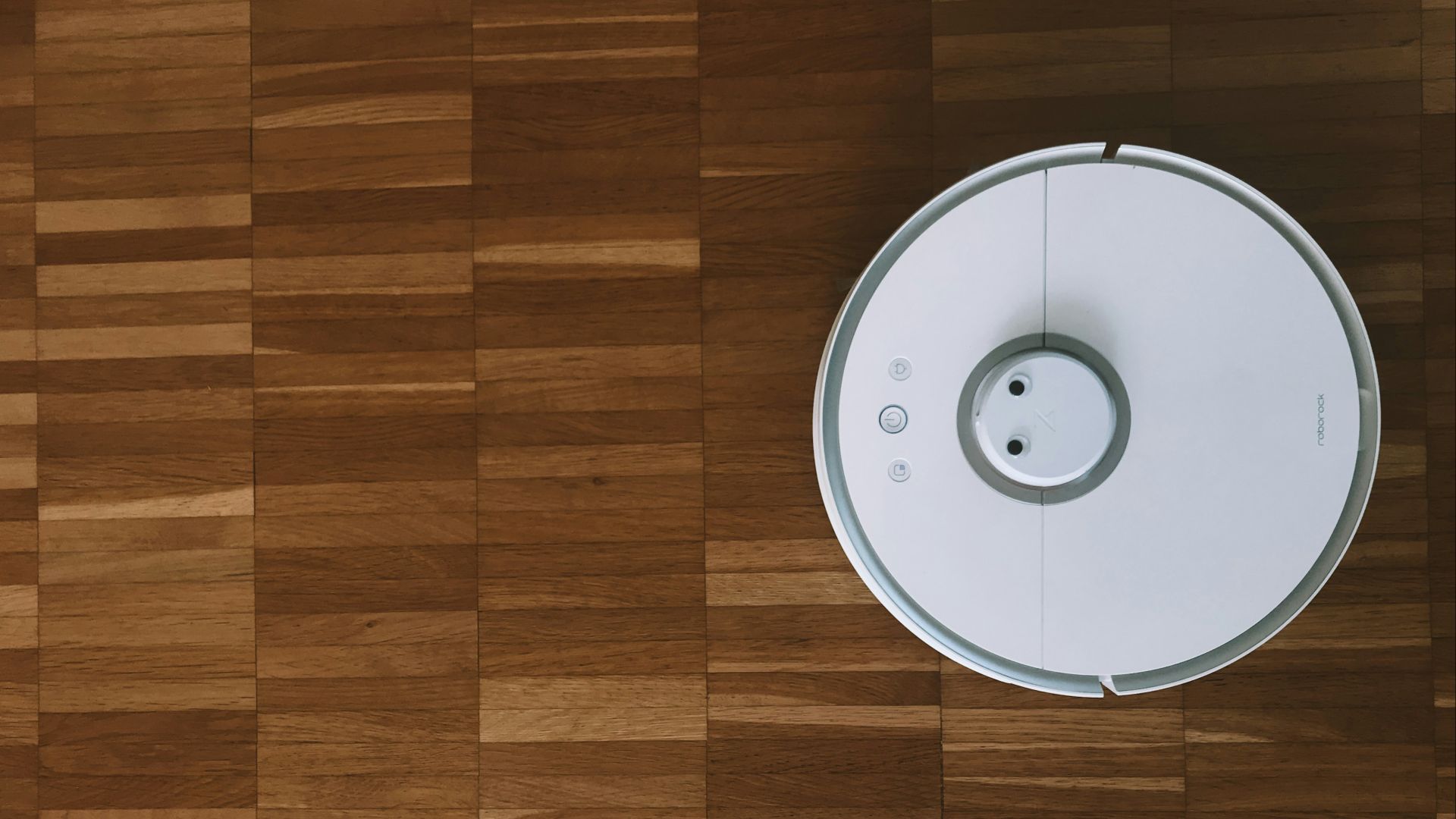
Budget robot vacuums often struggle with navigation, getting stuck under furniture or missing entire rooms on a regular basis. Higher-end models use better mapping technology and stronger suction, which saves time instead of creating a new chore of babysitting the thing. The price gap here tracks pretty closely with how well the product actually works.
9. Garbage Disposal
A weak garbage disposal jams constantly and burns out its motor dealing with anything tougher than soft vegetable scraps. A stronger motor handles bones and fibrous scraps without complaint, and the difference in noise level alone makes the upgrade worth it for most kitchens. This is a fix-it-once appliance, since replacing one under a sink is more of a hassle than most people expect.
10. Range or Oven
Cheap ovens tend to run hot or cold in unpredictable spots, which turns baking into a guessing game no recipe can fix. Higher-end ranges hold consistent temperatures and often include better insulation, so the kitchen doesn't turn into a sauna every time dinner's in the oven. Anyone who bakes regularly notices the difference within the first few tries.
Now, here's 10 where cheap works just as well.
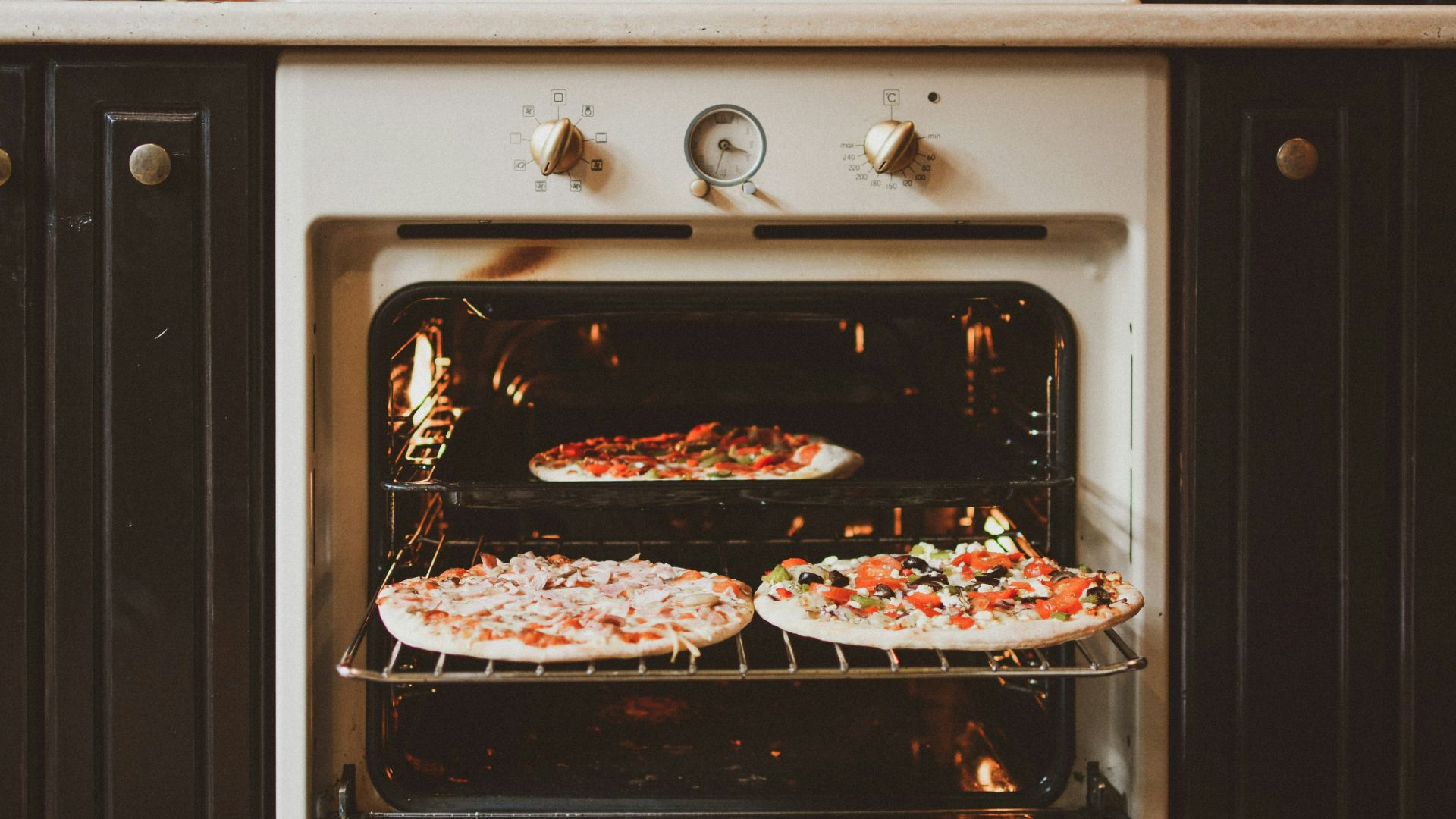
1. Microwave
A microwave's job is to heat food evenly and hold up for a few years, and even the cheapest models on the shelf handle that just fine. Extra buttons and preset programs rarely get used beyond the first week anyway. Spending more here mostly buys a nicer-looking control panel and not much else.
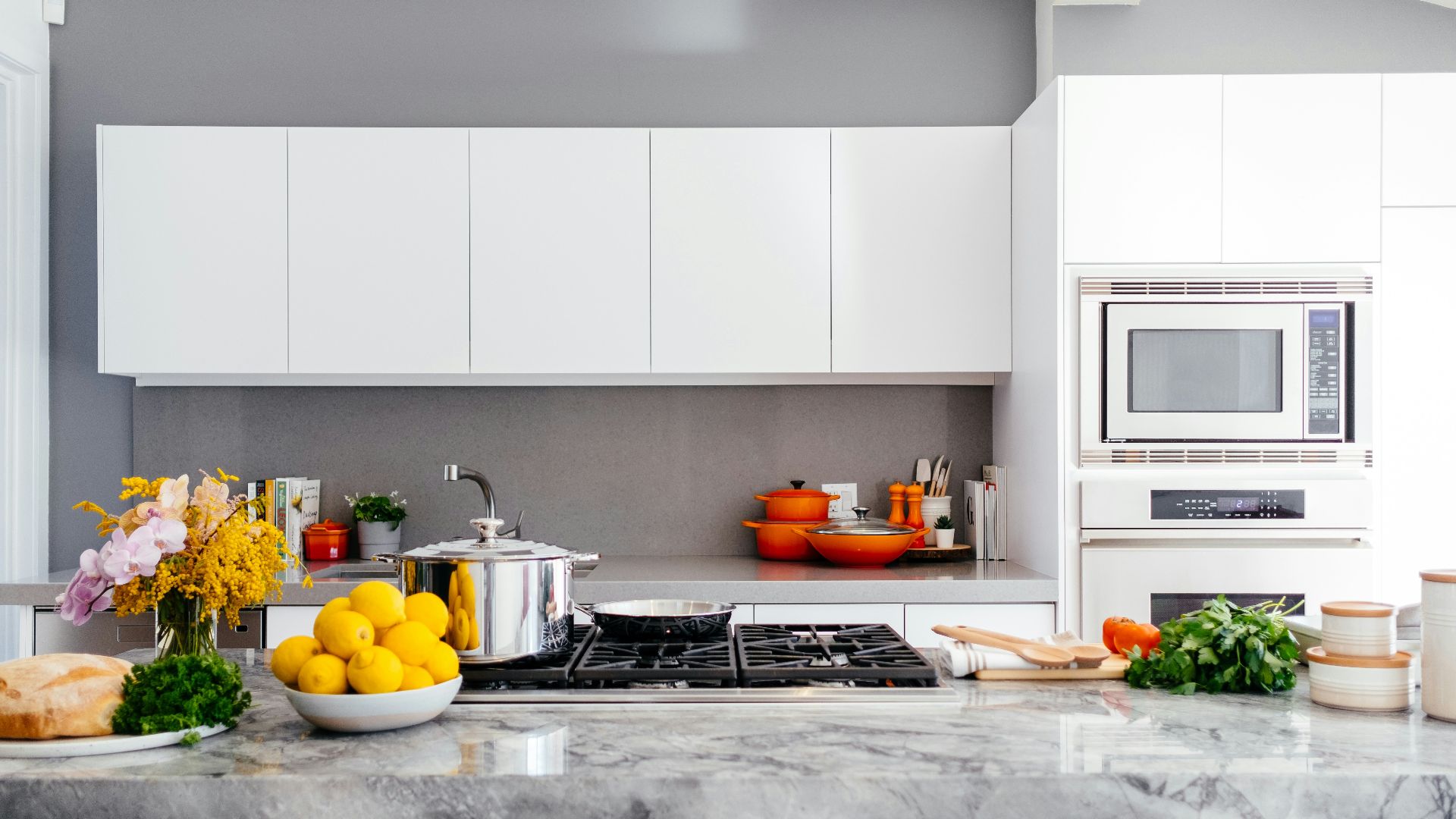
2. Toaster
Toast is toast, and the mechanism inside a basic toaster hasn't changed much in decades regardless of price. A cheap model browns bread just as evenly as an expensive one in most kitchens. Unless bagels are a daily ritual requiring a wider slot, the upgrade rarely earns its keep.
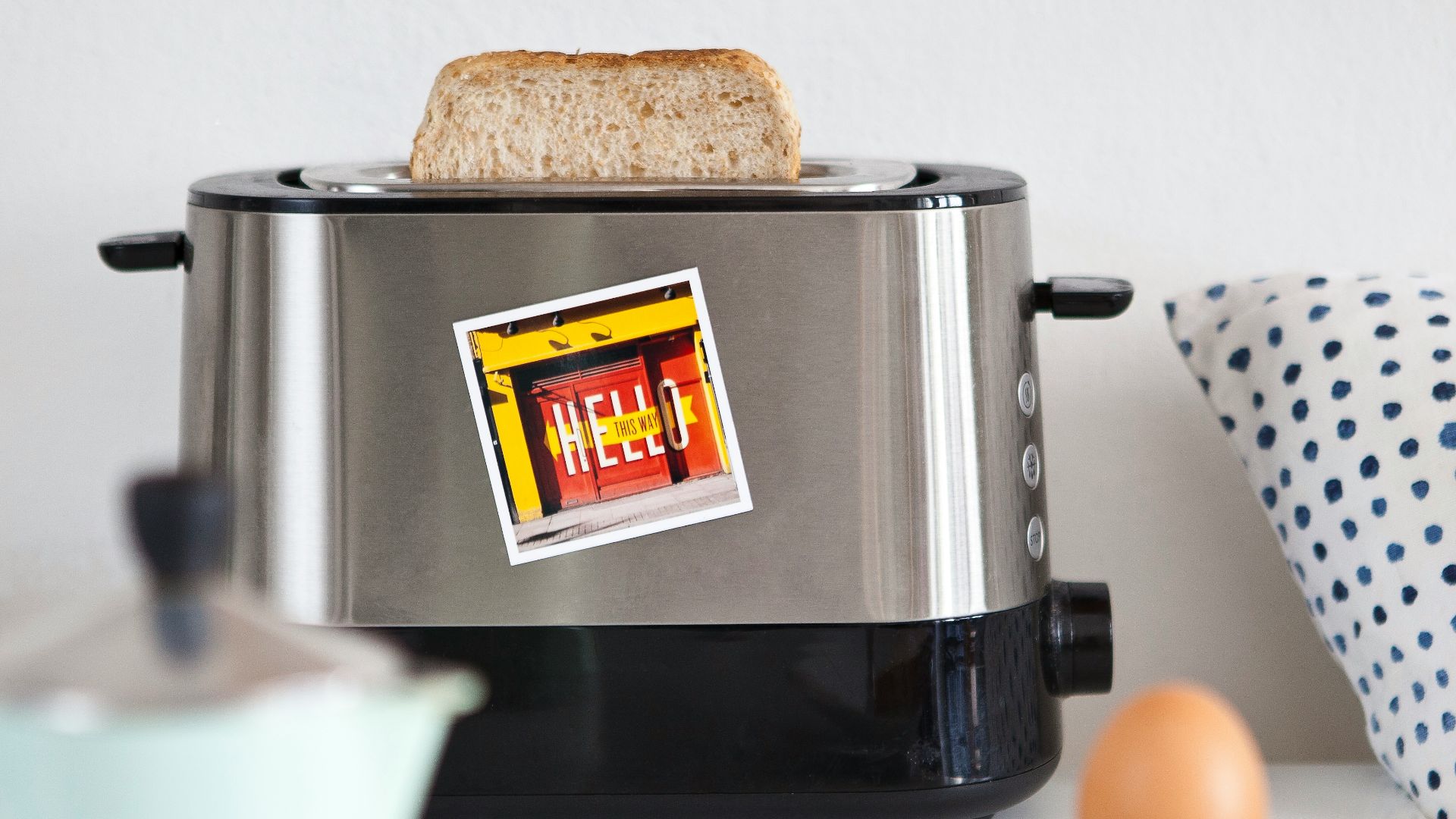 Kristyna Squared.one on Unsplash
3. Electric Kettle
Water boils at the same temperature no matter how much the kettle cost, and even budget models hit a rolling boil in a few minutes flat. Fancy temperature-control kettles matter for specific tea or pour-over routines, but most households just need hot water fast. A basic kettle handles that job without complaint for years.
4. Blender
For smoothies and basic blending, a mid-range blender handles the job without much difference from the premium versions that cost three or four times as much. The gap only shows up with crushed ice or nut butters made daily, which is a narrow use case for most kitchens. Most people never push a blender hard enough to notice the difference.

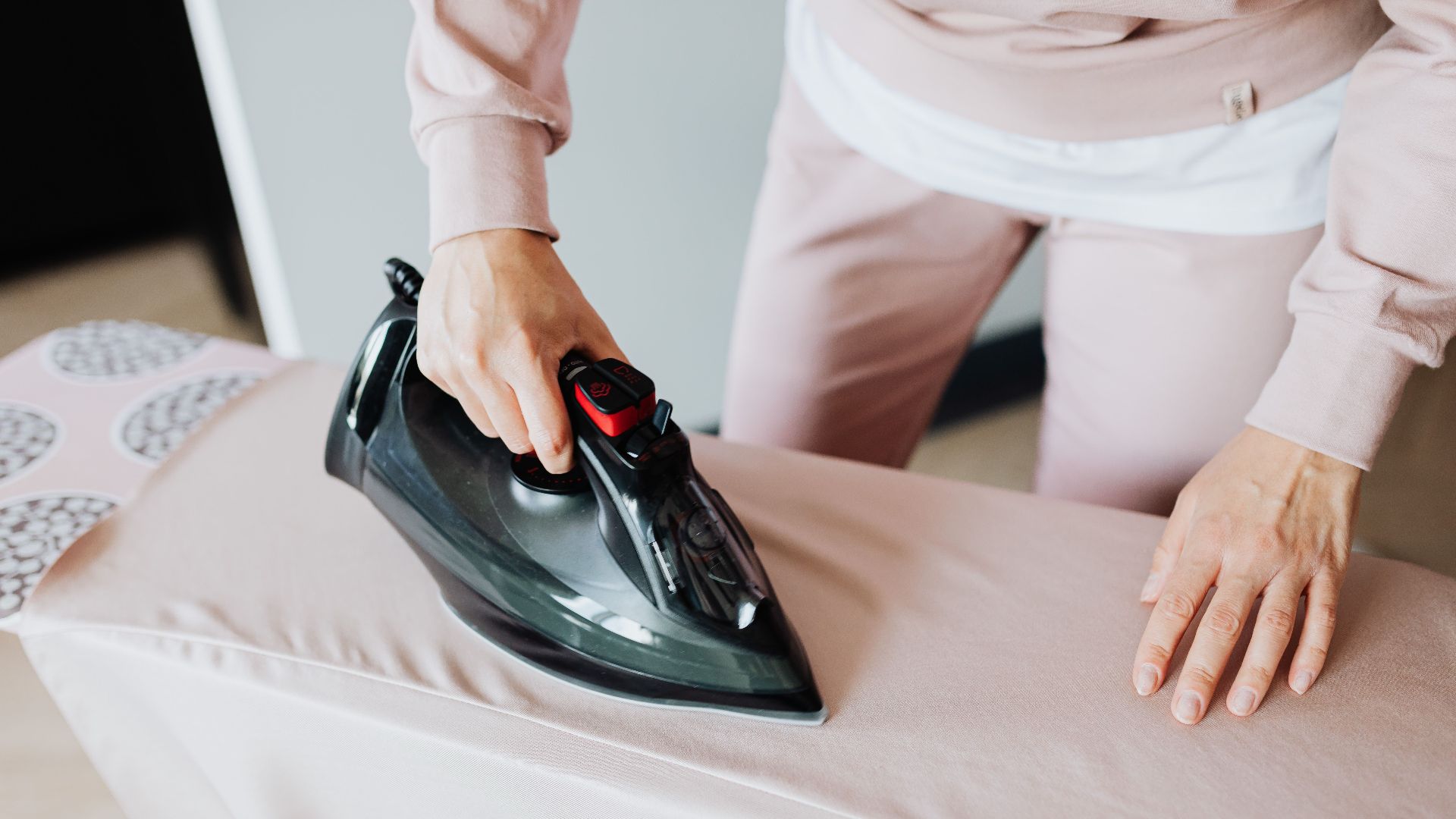
5. Iron
Ironing a shirt doesn't require much beyond heat and a flat surface, and even inexpensive irons deliver both without issue. Steam output varies slightly between models, but the difference rarely matters outside of someone ironing professionally or daily. This is one of the easiest places to save without giving anything up.
 https://kaboompics.com/ on Pexels
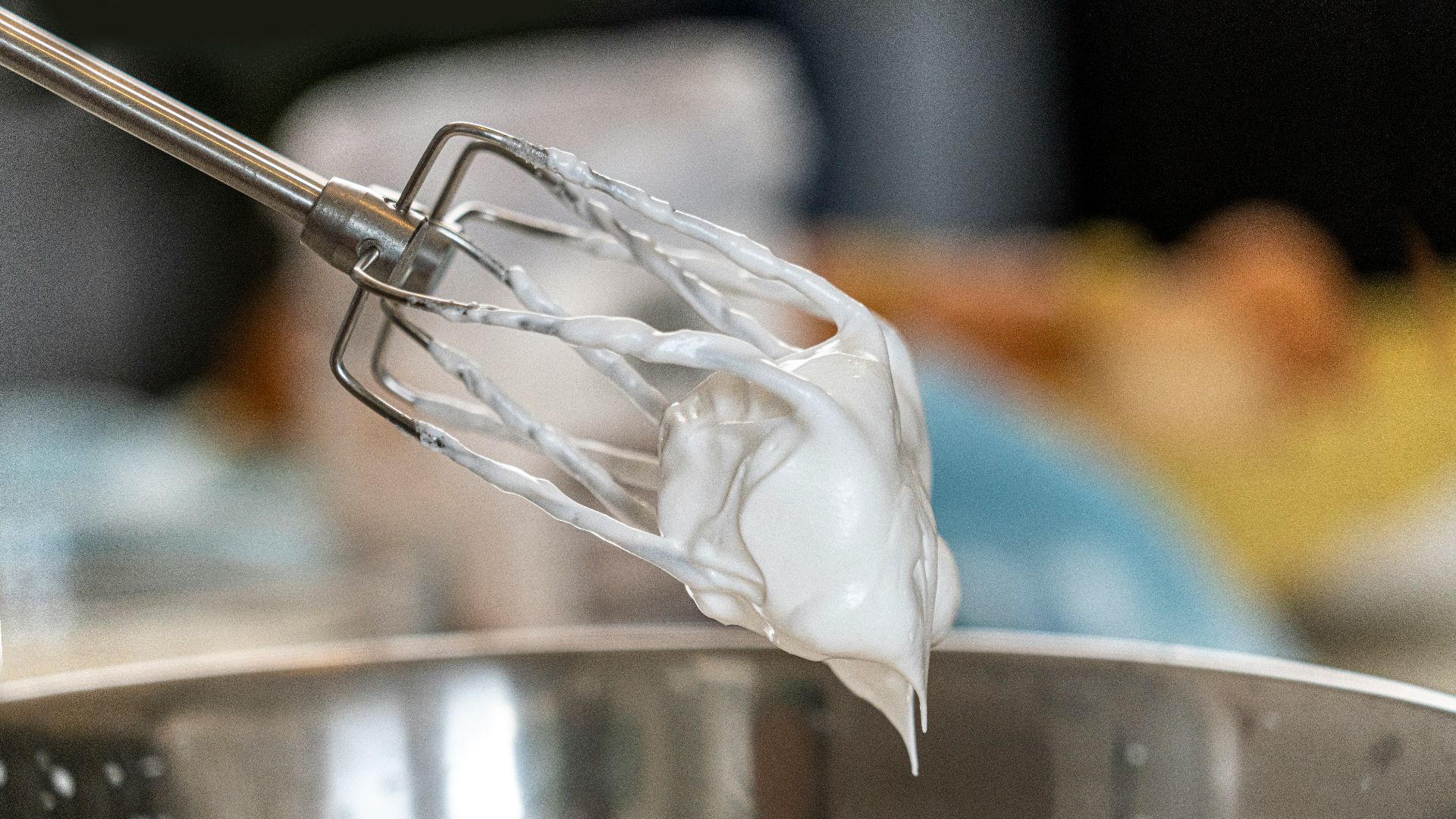
6. Hand Mixer
A hand mixer handles cake batter and whipped cream just fine at almost any price point, since the motor demands are fairly low compared to a stand mixer. Occasional bakers rarely notice a difference between a budget model and a premium one. Save the splurge money for the stand mixer instead.
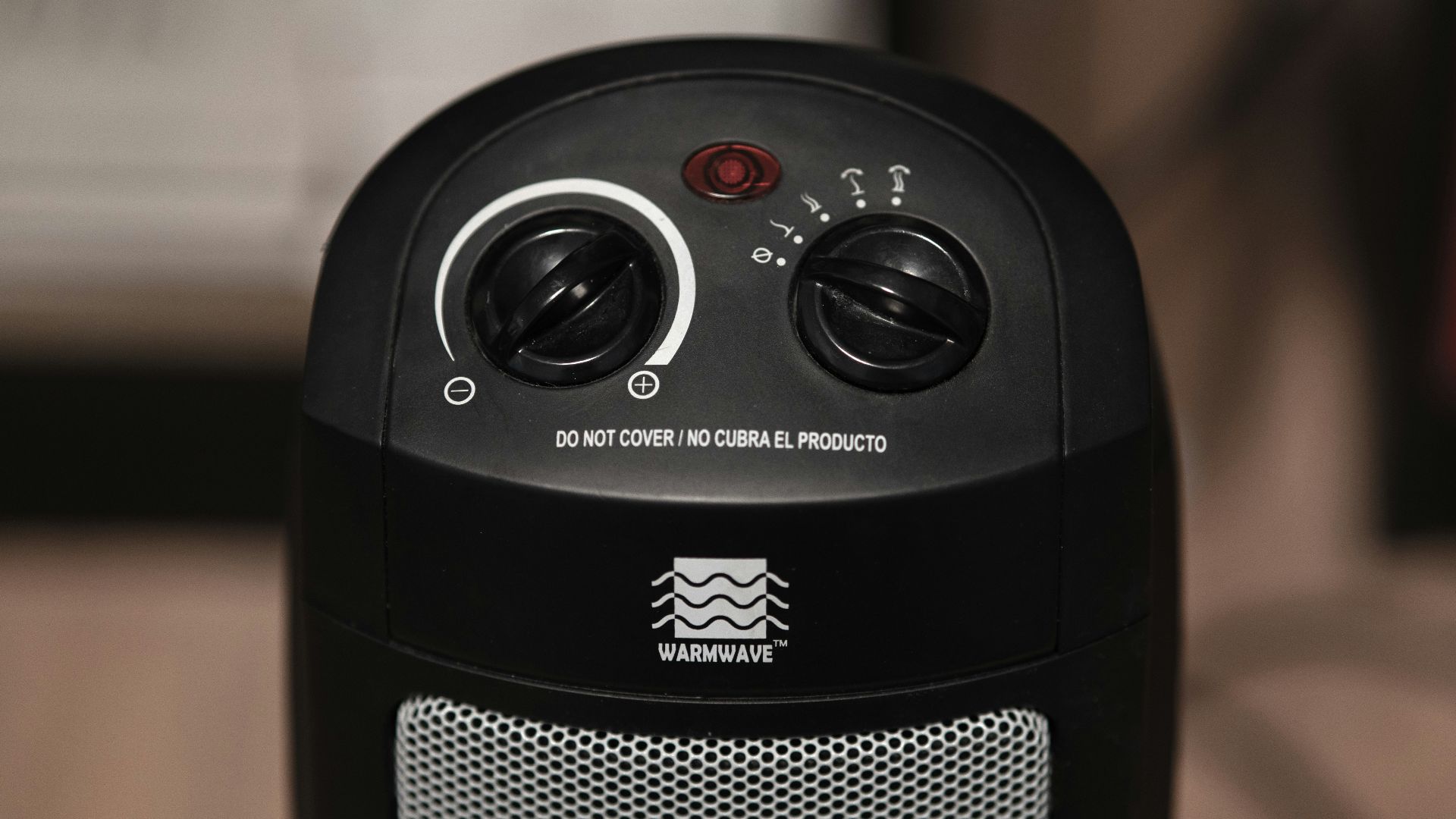
7. Space Heater
Heating elements work about the same across price ranges, and the main differences between models come down to design and extra features like remote controls. A basic space heater warms a small room just as effectively as a pricier one with a nicer shell. Safety features matter more here than brand name.
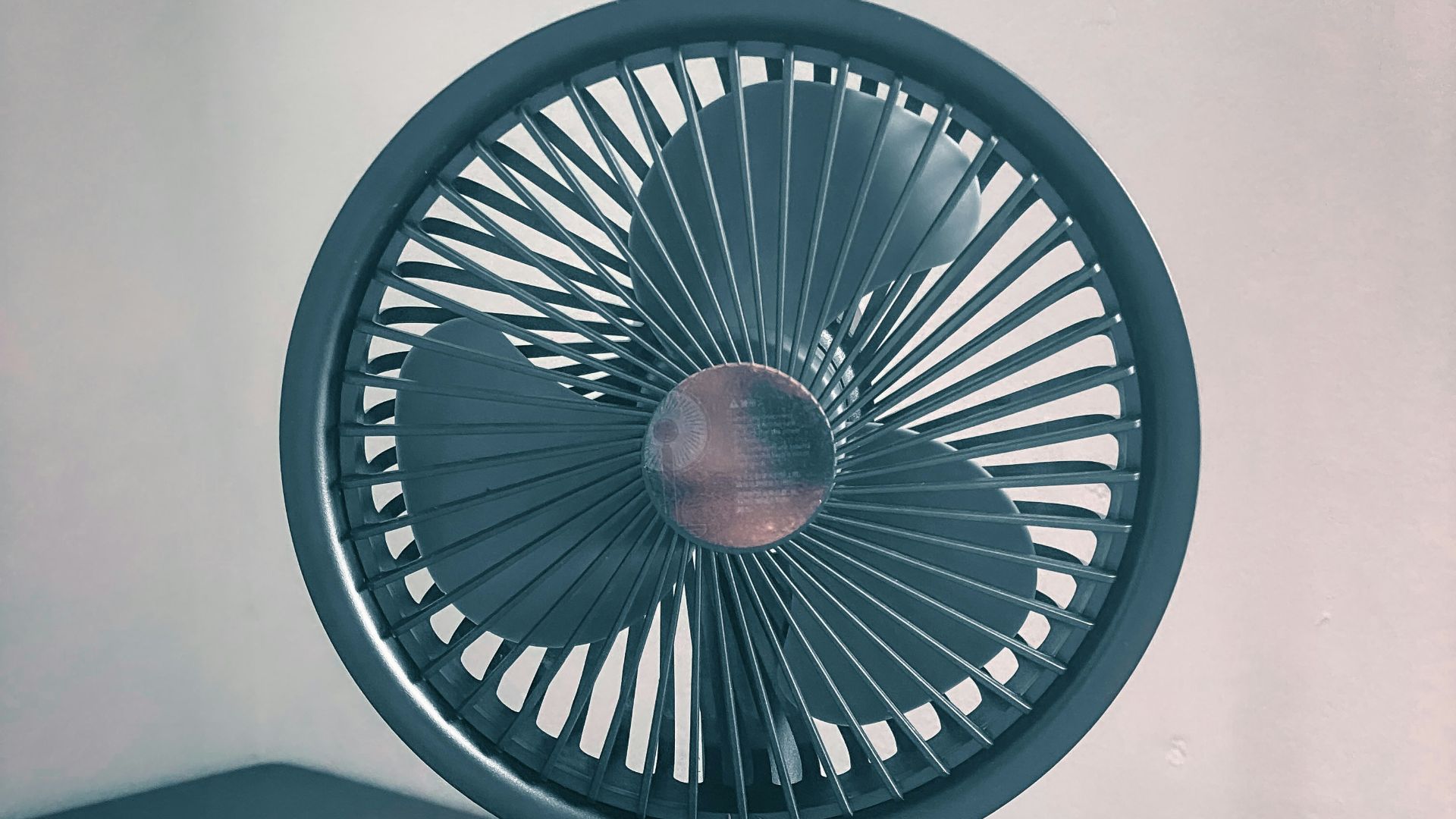
8. Fan
A box fan or basic oscillating fan moves air the same way regardless of price, and most of what separates cheap from expensive comes down to noise level and styling. For anyone who just wants airflow in a room, the budget option gets the job done without complaint. Save the extra money for something that actually shows a difference in daily use.
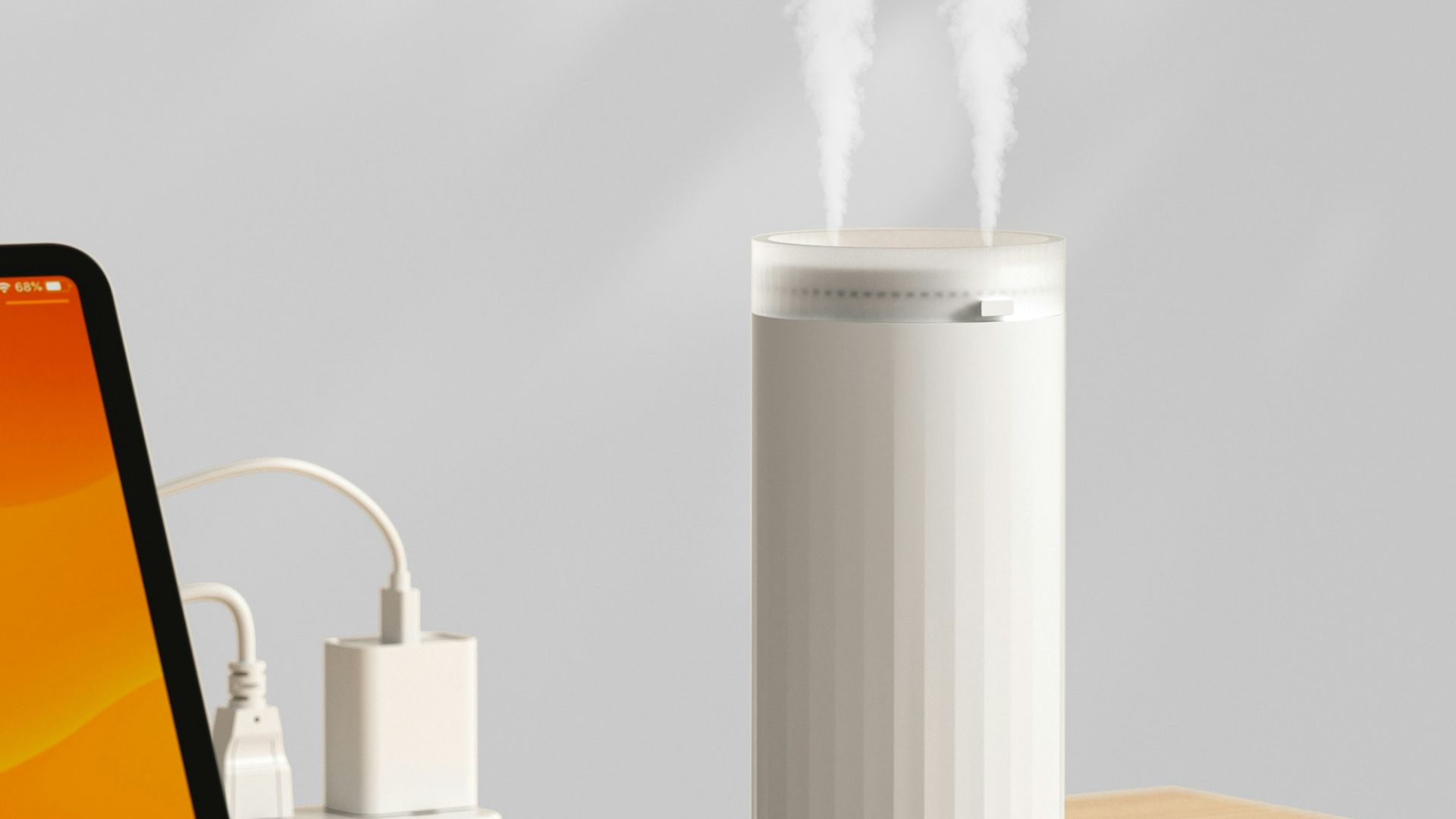
9. Humidifier
Basic humidifiers handle small to medium rooms without trouble, and the core function, adding moisture to dry air, doesn't change much across price tiers. Premium models add smart features and quieter operation, but the humidity output itself stays fairly consistent. Unless noise is a dealbreaker at night, the cheap version works fine.
10. Dishwasher
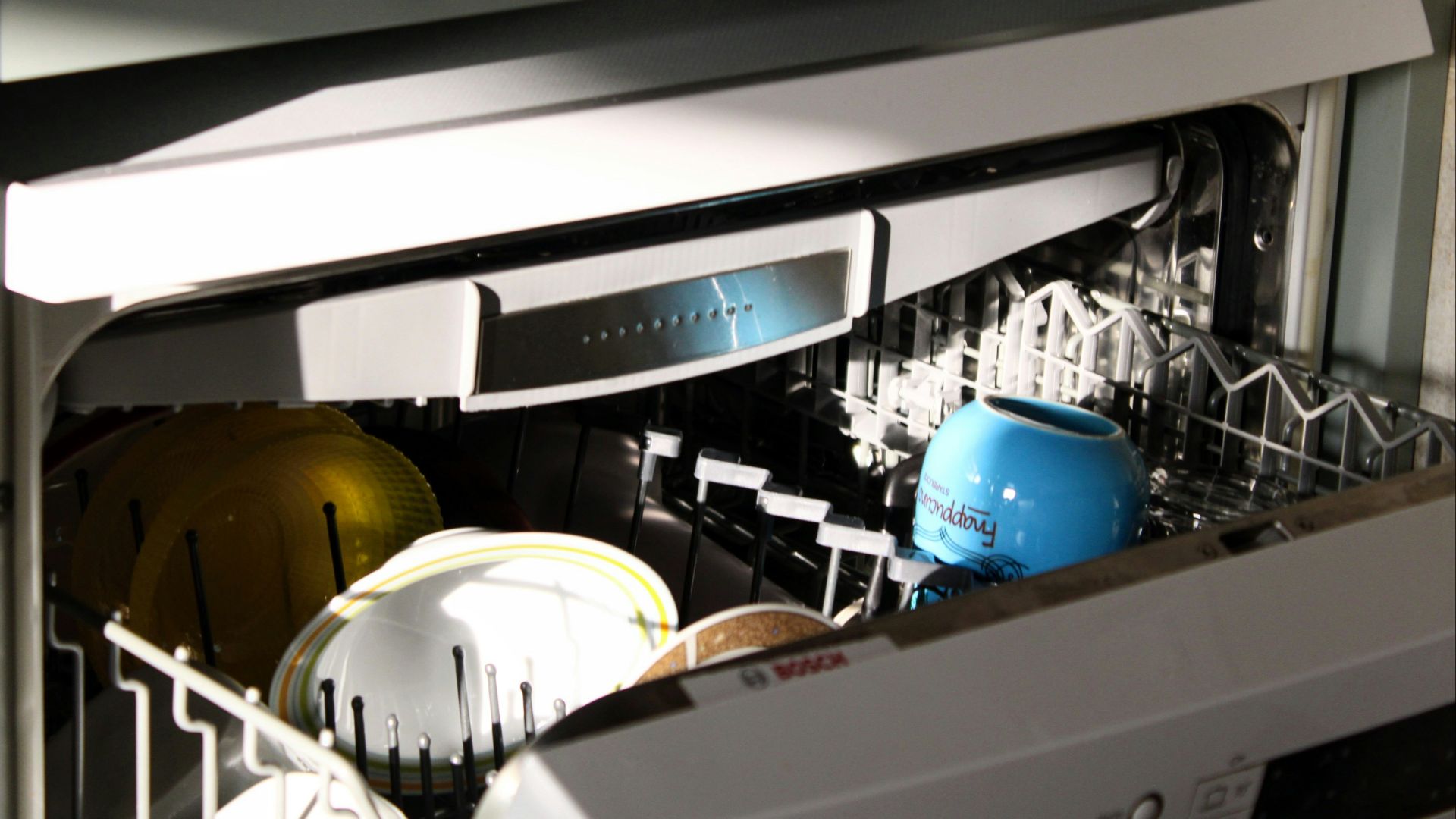
Modern dishwashers, even budget ones, clean dishes effectively enough that most people never notice a difference in results. The extra money in pricier models mostly buys quieter operation and nicer rack designs rather than actual cleaning power. Unless noise or capacity is a specific issue, a basic dishwasher handles the job without complaint.