The Jokes Have Gone Too Far
Boomers have become an easy target for everything from housing prices to outdated Facebook memes, but reducing a generation to a handful of stereotypes isn't really fair. Just because they came from the ‘40s and ‘60s doesn’t mean they have nothing to offer society. Don’t forget that they’ve come out alive from enormous social, economic, and technological changes, and plenty of them adapted right along with the world around them. It might be time to ditch the “okay, Boomer” jokes and see what they still have up their sleeves.
 Mike van Schoonderwalt on Pexels
1. They Adapted to New Technologies
Most boomers entered adulthood without laptops, smartphones, or even apps we take for granted, like Google Maps. But they’re not lost puppies in the face of change. Many now use video calls, digital payments, streaming services, social media, and workplace software that didn't exist for most of their careers.
2. Plenty Are Still Working
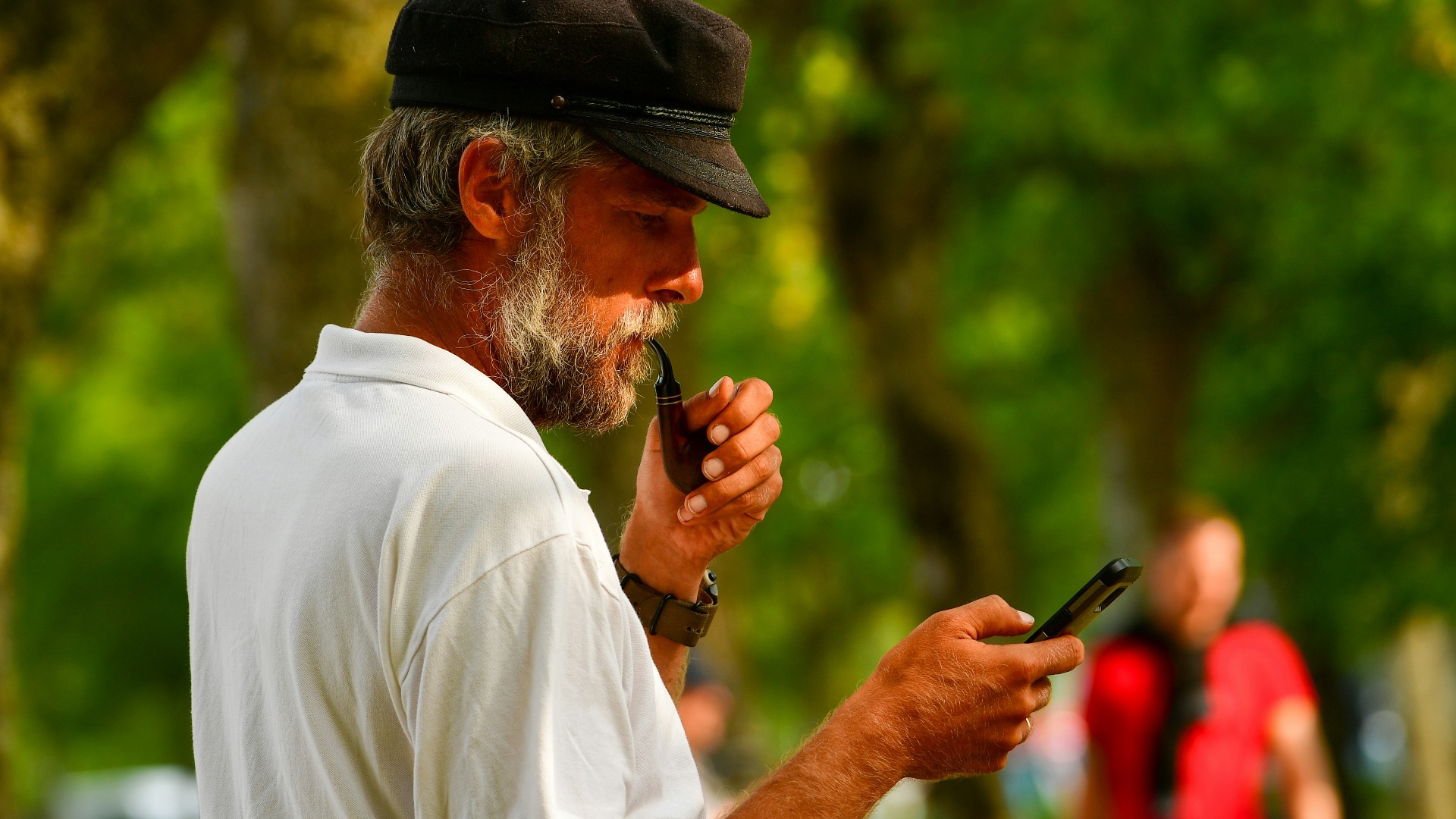
Millions of Americans over 60 continue showing up to their workplaces. Some hang around because they need the income, but others just enjoy their jobs and aren't ready to throw in the towel. Writing older workers off as irrelevant ignores those still training employees, serving customers, running businesses, and keeping organizations moving.

3. They Carry Decades of Knowledge
A manual can explain company procedures, but it can't tell you why they exist in the first place. Longtime employees can! They remember previous failures, former clients, equipment quirks, industry changes, and decisions nobody bothered to write down. When an experienced worker retires, companies quickly discover that a ton of useful knowledge went with them.

4. Many Became Caregivers Twice
Plenty of boomers spent years raising children only to later become caregivers for aging parents. They’ve also taken their adult children back after they saw what the world was doing to inflation and housing prices. Being caught between two generations can be exhausting, yet that support rarely makes its way into jokes about a supposedly selfish generation.

5. Grandparents Often Provide Essential Child Care
For many working parents, Grandma and Grandpa aren't occasional babysitters—they’re the first people called. They might even handle school pickups, watch the rugrats during work shifts, cover sick days, or offer regular care that would otherwise cost families a ton amount of money. Say what you want about them, but their assistance is the difference between a manageable schedule and one that falls apart.

6. They Watched Social Expectations Change
A boomer grew up in a country where workplaces, marriages, schools, and family roles looked very different from what we know today. During their lifetime, expectations surrounding career women, divorce, and parenting shifted—and they had to adapt. That’s not to say every one of them did, but for those who accepted the changes, they deserve a little credit.

7. Boomers Helped Push Environmentalism
The first Earth Day in 1970 drew millions of Americans into public demonstrations and environmental events. Young boomers were among those participating as concern grew around what would happen to this beautiful planet if we didn’t make some changes. Modern environmentalism didn't appear with younger generations, even if today's debates look different.

8. Many Learned Skilled Trades That Society Still Needs
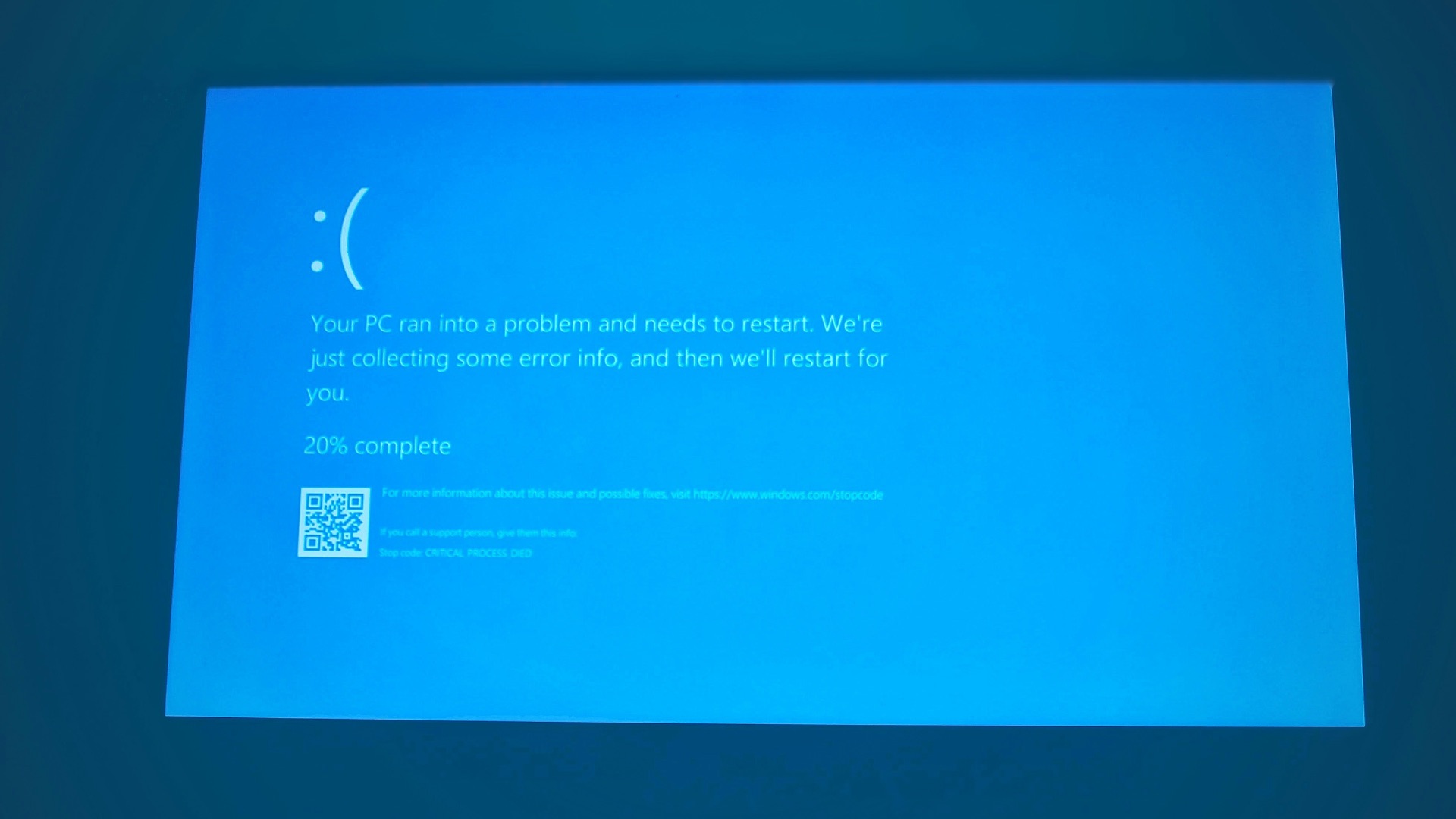
Our world would be toast without the trades. And do you know who has those practical skills? Older generations! These jobs demand knowledge that comes from years of solving real problems rather than just reading textbooks. Younger workers entering the trades also benefit from having an experienced person nearby to show them the ropes.
9. They Lived Through Several Brutal Shocks
It's easy to imagine boomers sailing through one uninterrupted era of cheap houses and guaranteed pensions, but don’t forget the bad stuff: recessions, layoffs, inflation, oil crises, market crashes, and disappearing industries. Generational advantages don’t mean every boomer coasted through life.

10. Many Had to Reinvent Their Careers
Whole industries changed during boomers' working years, especially as manufacturing declined. Someone who started a career typing paper invoices might have ended it managing digital databases, online accounts, and remote meetings. Staying employed meant more adaptation than the stereotype of someone digging in their heels and refusing to change.

11. They Know How to Function When Technology Fails
Digital convenience is life-changing…until the network goes down. Rather than run around like a headless chicken, however, boomers spent much of their lives without constant internet access. Those skills aren't superior to modern ones, but they're certainly useful when the screen stops functioning.
12. Many Keep Community Organizations Running
Have you ever looked around and wondered where our sense of community went? It lives on in boomers! Local churches, food banks, libraries, veterans' groups, service clubs, neighborhood associations, and charities all rely on older volunteers. Trust us, you’d notice if every old-timer decided to stay home instead.

13. They Have Firsthand Memories
Boomers remember the events that now only appear in documentaries and textbooks. Some recall the moon landing, others remember Vietnam-era protests, and all of them can pinpoint life before computers. Listening to someone with that wealth of knowledge adds a perspective you can't get from old photos.

14. They Helped Normalize Women Having Careers
Contrary to popular belief, older boomer women didn’t have the same number of doors open to them. But over the decades, they became long-term members of professions once dominated by men. The next time you apply for nursing school or think about the police academy, remember who paved the way!

15. A Lot of Boomers Are Tech-Savvy
Old-timers aren't staring helplessly at flip phones while everyone else doom scrolls. They use smartphones, take part in video conferences, and communicate through everything from FaceTime to group chats. Someone typing a Facebook comment in all capital letters doesn't represent an entire generation.

16. They Provide Financial Help Across Generations
We all like to poke fun at boomers until we need their money. Don’t forget that older parents frequently help with college costs, weddings, or even a place to live. Grandparents also contribute toward extracurricular activities. There are wealthy boomers, struggling boomers, and everyone in between, but the idea that every older person is guarding a treasure chest of gold coins is a little unfair.
 Volodymyr Hryshchenko on Unsplash
17. They Have Seen Plenty of Trends Come and Go
Boomers have watched life change around them. Business fads, parenting philosophies, diets, financial crazes, and political predictions came and went with enormous confidence before disappearing. That’s why you shouldn’t just ignore them! Sometimes the older person saying “give it a few years” actually has a reason for being skeptical.

18. They Built Relationships Before Digital Contact
Boomers didn’t have a computer in their hands to keep in contact with loved ones. Back then, it was all long-distance phone calls, photographs, and finding someone after losing touch (which wasn’t easy when all you had was a phone book). There's something worth respecting about relationships that survived without a notification.
 🇻🇳🇻🇳Nguyễn Tiến Thịnh 🇻🇳🇻🇳 on Pexels
19. Many Pass Down What They Know
Ask the right older person how to change a tire or cook a family recipe, and you might just get decades of experience for free. Not every piece of old advice still comes in handy, but dismissing all of it before hearing it means throwing away useful knowledge for no reason other than a stigma.
20. They're Individuals, Not a Punchline
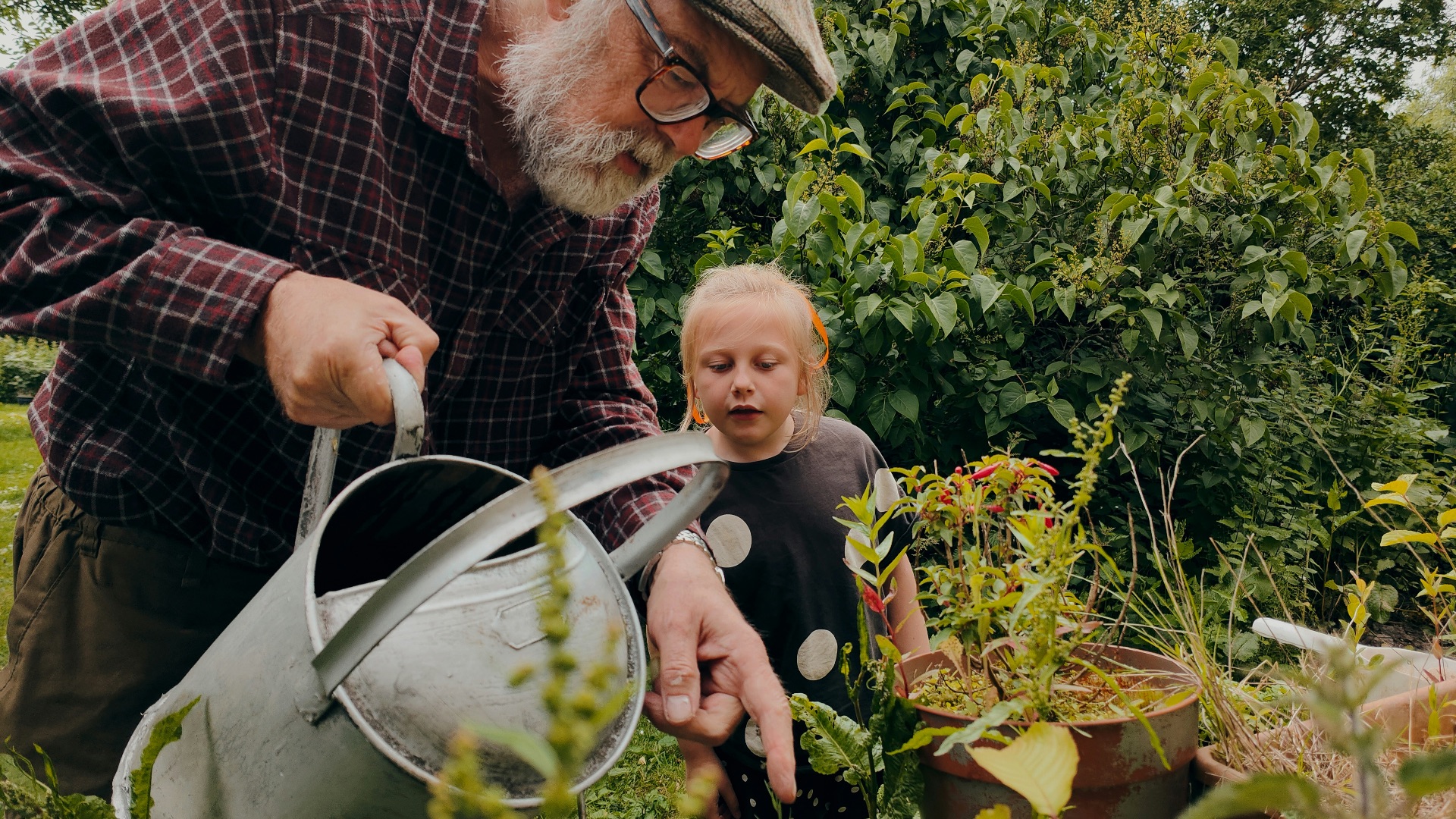
The biggest problem with boomer-bashing is the same problem with every stereotype: millions of people get whittled down to one thing. Society doesn't have to agree with boomers about everything, but treating people with basic respect shouldn't require checking someone’s birth date first.