
The Unrehearsed Hour
A dinner date shows you someone at their most prepared. Running errands together is harder to stage. An hour of returns, traffic, wrong turns, and crowded parking lots reveals how they handle the small frustrations nobody plans for. With six stops to make and somewhere else to be afterward, habits start showing up before either person has time to manage the impression. Here’s 20 things you learn about someone while running errands together.
1. How They Treat the Cashier
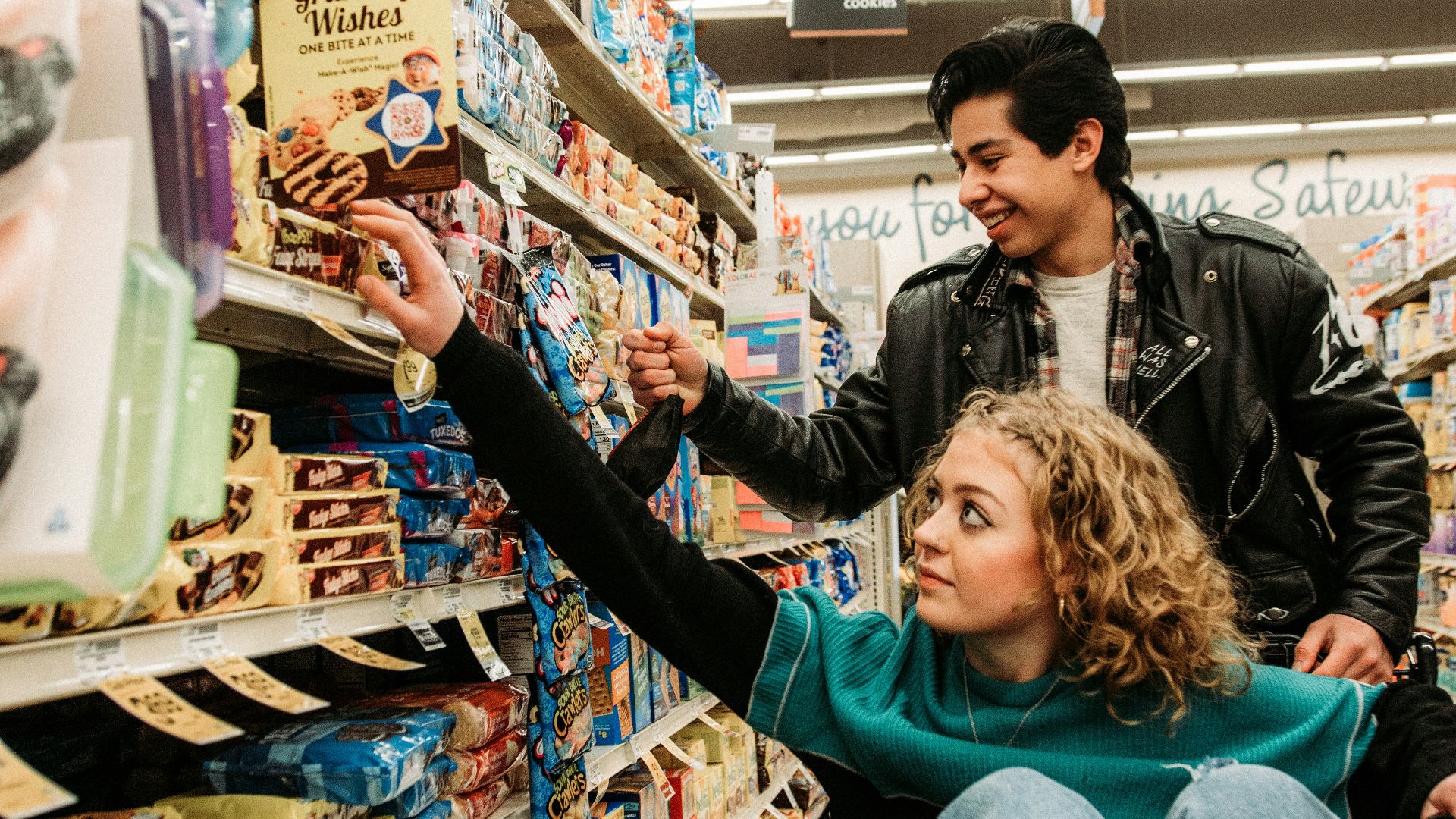
The three seconds after the total appears tell you plenty. Some people look up and say something human to the person scanning their yogurt, and some never break eye contact with the card reader. There's no audience for it either way.

2. Whether They Made a List
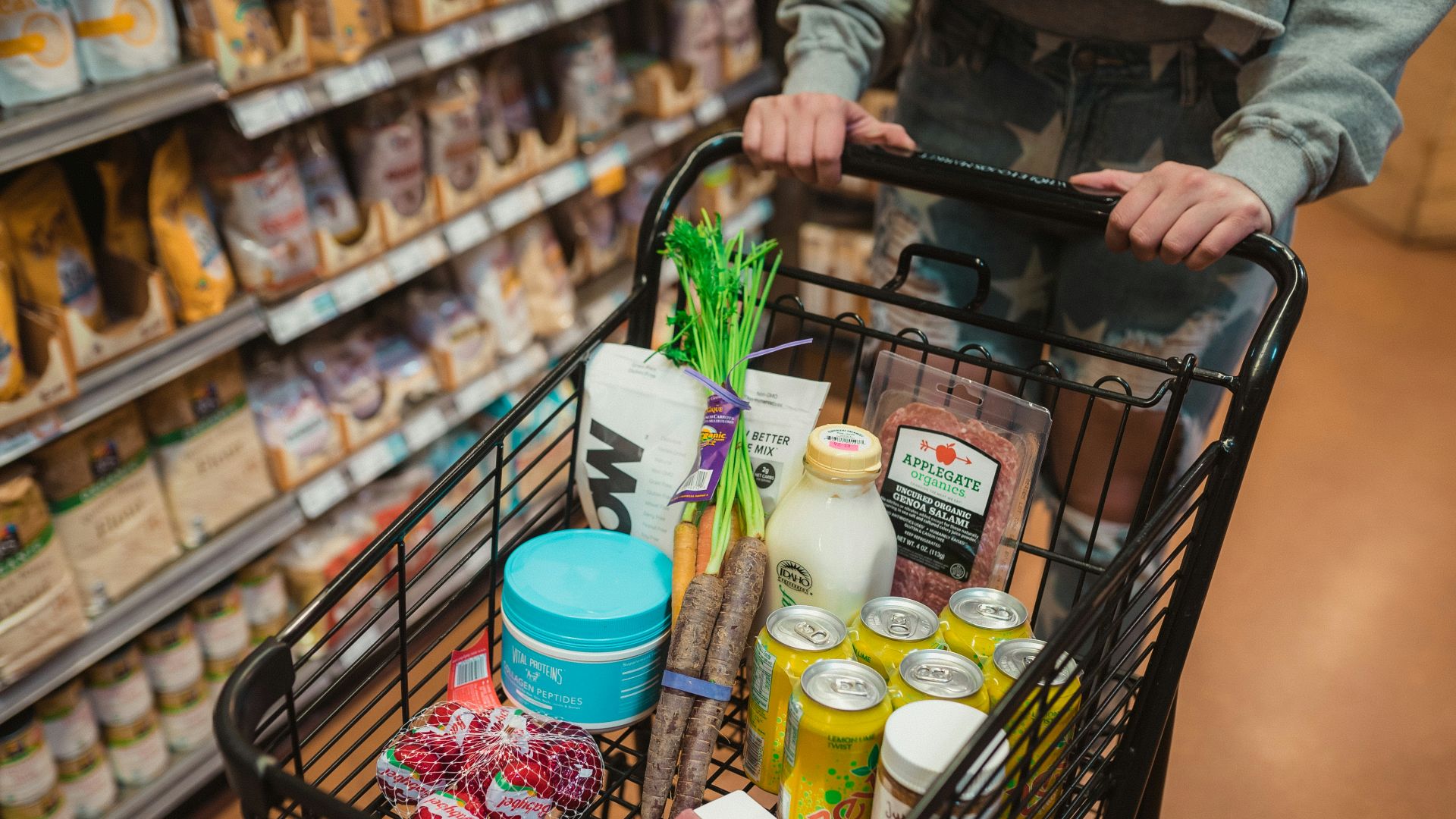
A list is a small promise to your future self. People who write one thought about Thursday back on Tuesday, which is a habit that shows up in places more important than a grocery store. The ones who wing it come home with three kinds of cheese and no trash bags.
 Glenn Carstens-Peters on Unsplash
3. Their Parking Rule
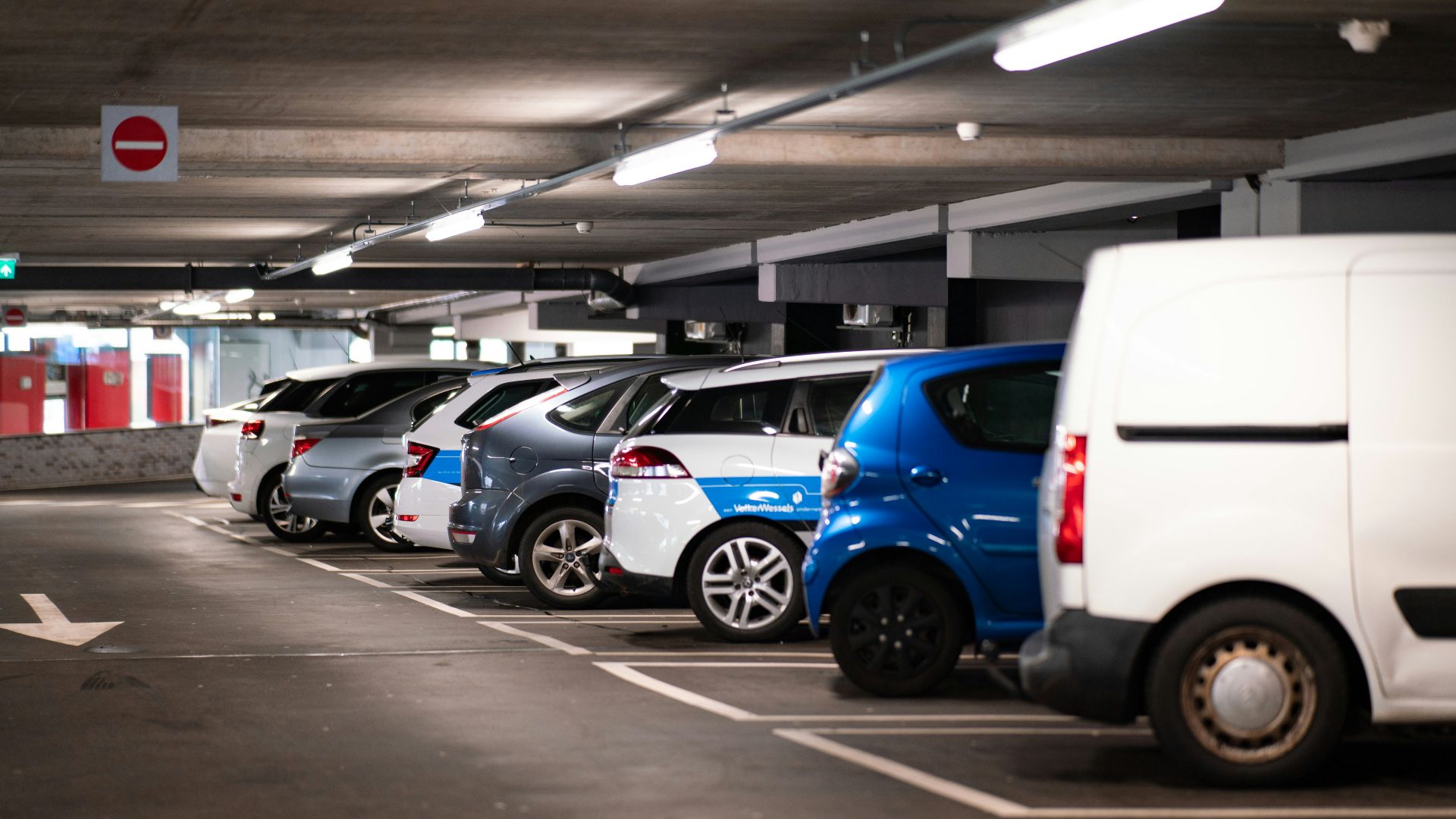
Circling for six minutes to save forty feet is a decision with a whole worldview packed into it. Other drivers pull into the first open spot and walk the extra hundred steps without thinking about it again. The lot being full is what settles which one you're sitting next to.
4. What They Do With the Cart
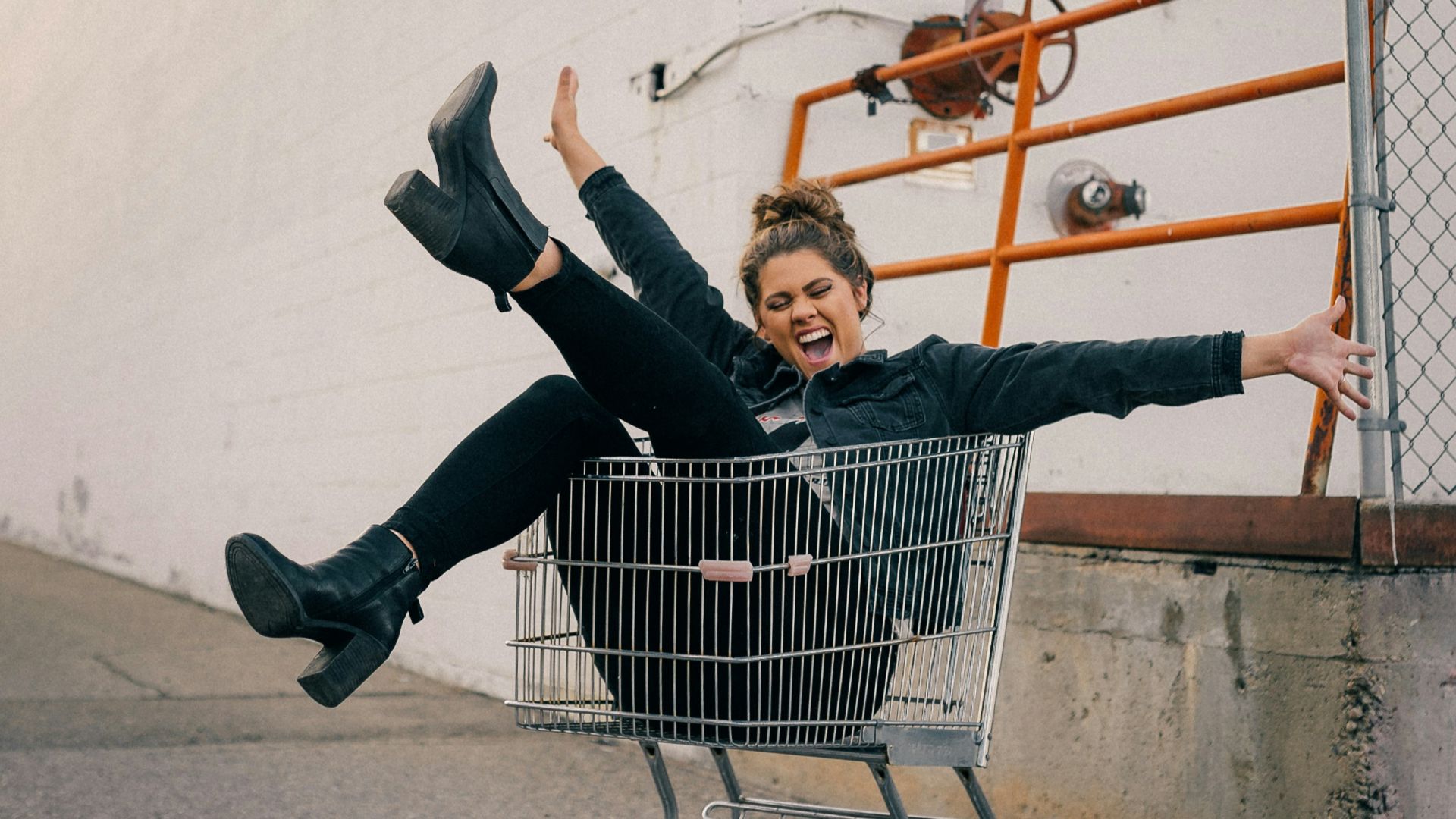
The cart return is thirty feet away and nobody is watching. Doing the right thing costs almost nothing here and skipping it carries no consequence at all, which is what makes it the cleanest test of the whole trip. Watch where the cart ends up.
5. When the Directions Were Wrong
You said left, they said right, and right turned out to be wrong. Whether the next two minutes contain a quick apology or a sudden deep interest in the radio is the entire thing in miniature.

6. Their Walking Pace
Pay attention to whether they match your speed. Some people drift ten feet ahead, then stop and wait with a patience they want you to notice. Others shorten their stride without saying anything, and you only clock it weeks later when you realize you've never had to hurry to keep up with them.

7. Whether They Ask for Help
Finding the capers takes either forty seconds or eleven minutes. The forty-second version means walking up to an employee and admitting you can't find the capers, which some grown adults would rather drive to a second store than do.
8. How They Spend on Small Stuff
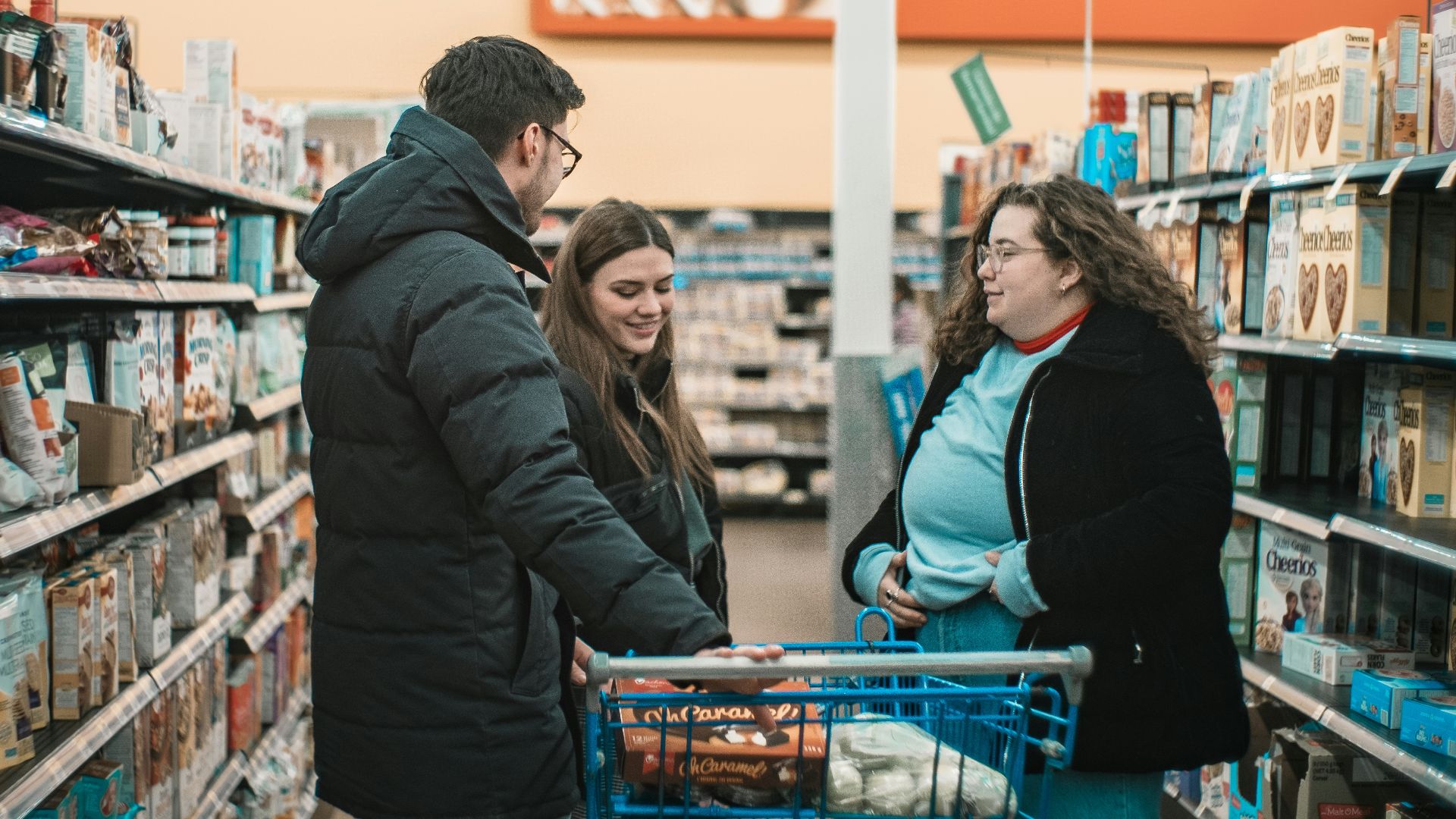
Four dollars is an interesting amount of money. Watch what happens at the gum rack and the car wash upgrade screen. A fast yes or no means the thinking already happened somewhere else, and a long stall at the keypad means it hasn't, and might not finish until eleven that night.
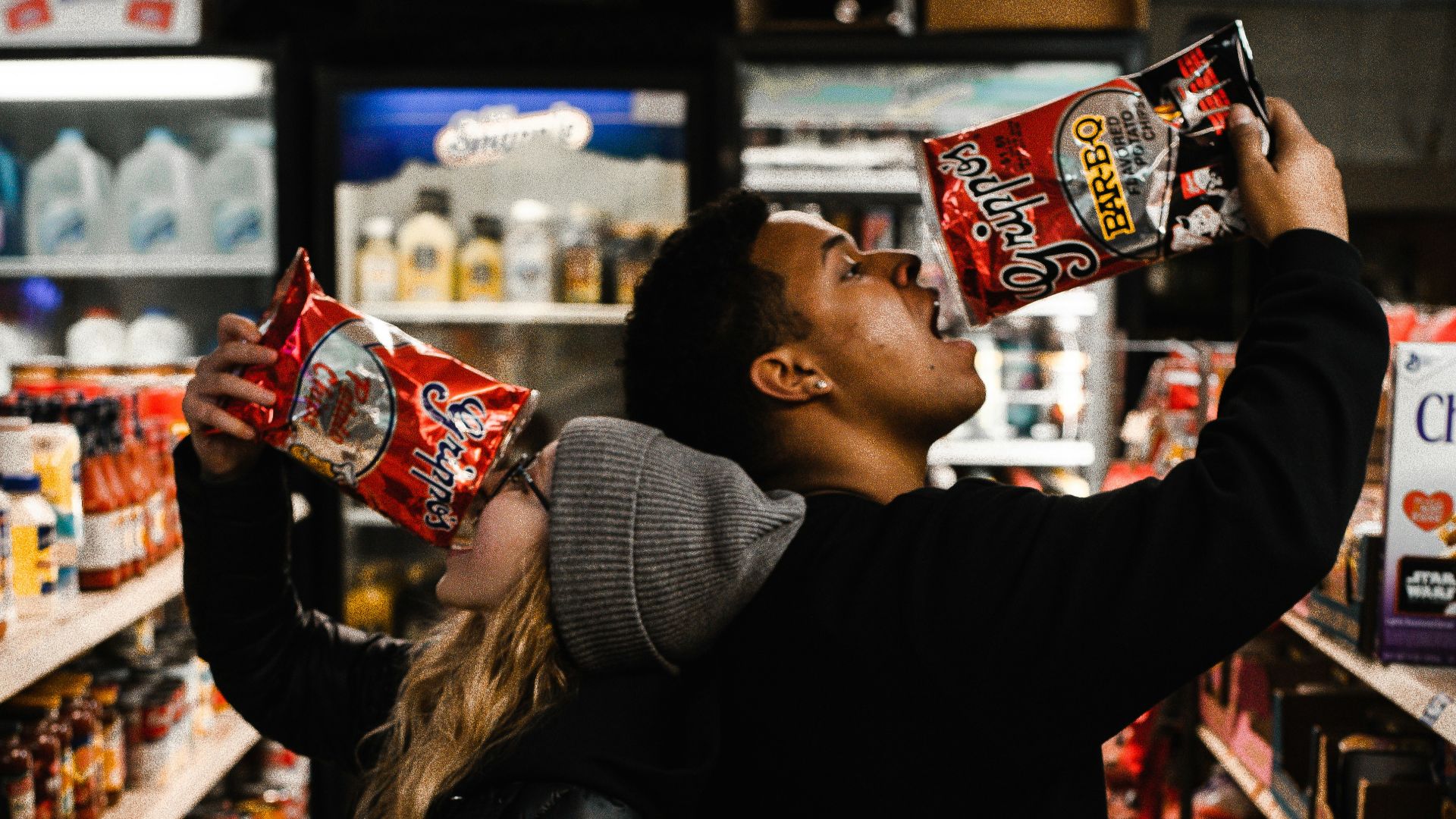
9. What They Pick Up for Other People
Notice if anything lands in the cart that isn't theirs or yours. A sister who likes one specific tea, a neighbor who mentioned a lightbulb size once in passing. People who shop with other people in mind are doing that in a hundred less visible places too.
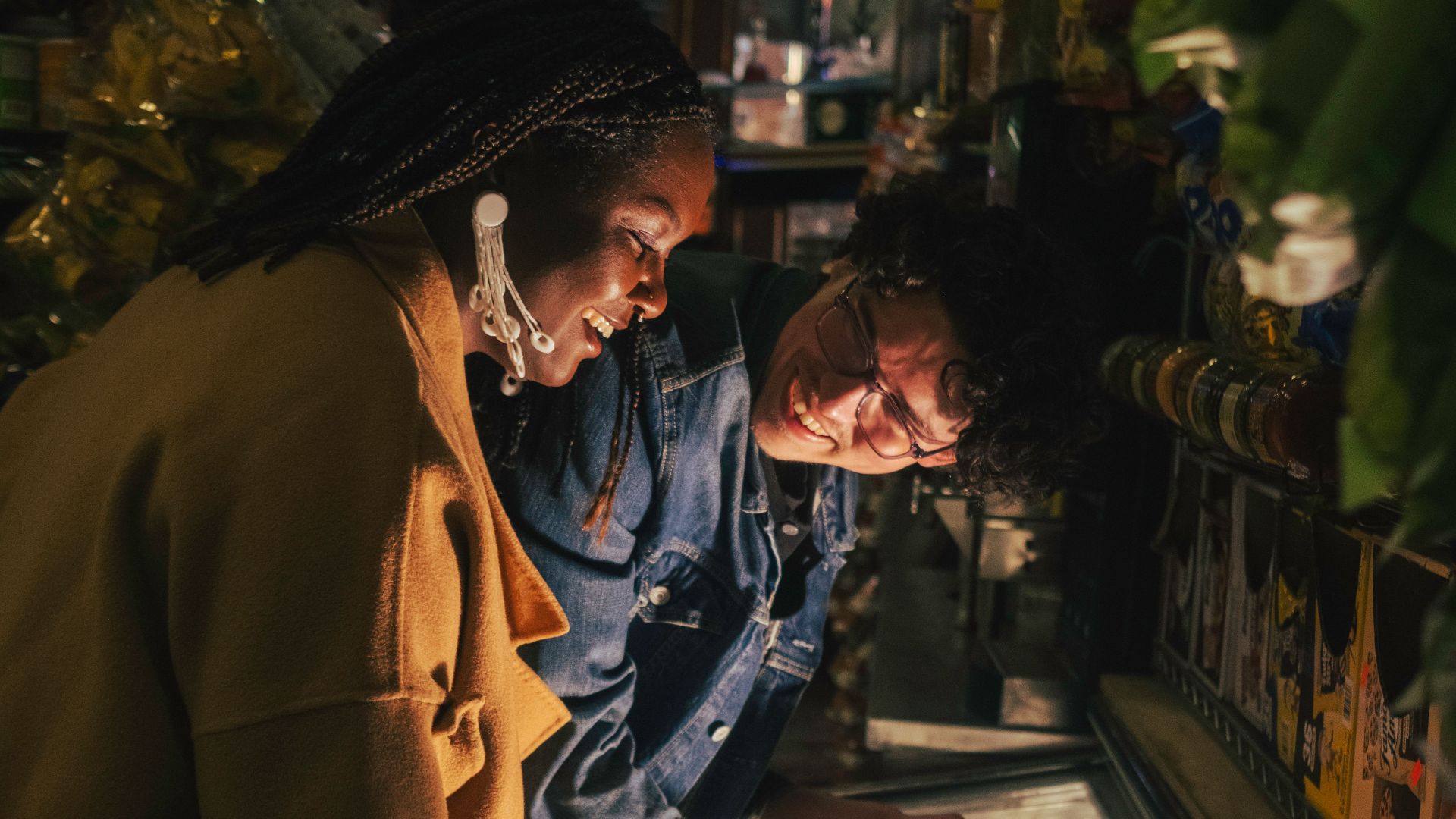
10. When a Line Stalls
The register freezes and six minutes disappear. Listen for the running commentary, the kind that starts under the breath and climbs until somebody employed by the store is meant to hear it. Plenty of people exhale through the nose and read the gum labels instead.

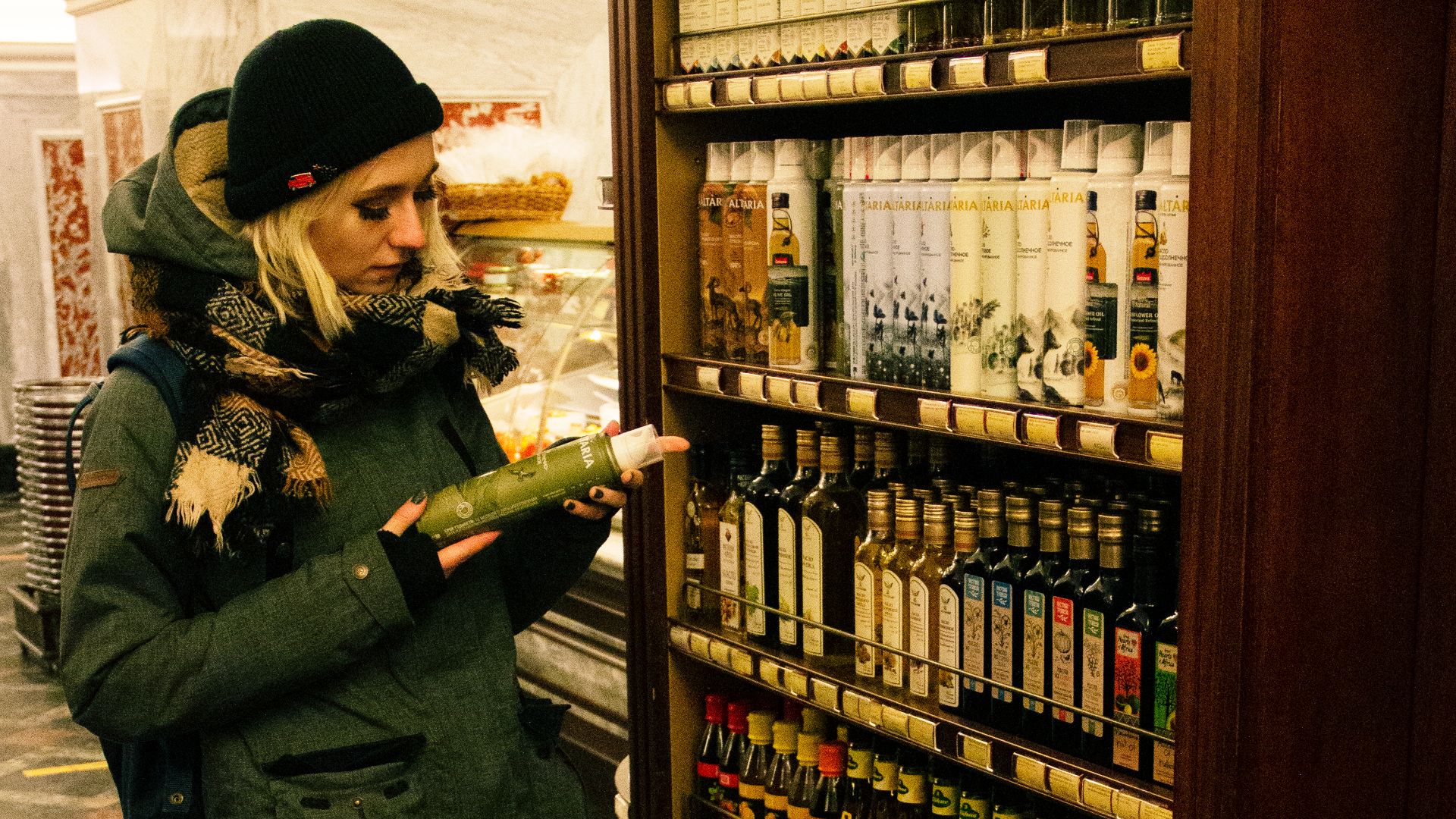
11. Whether They Read the Label
Flipping a box over takes four seconds and almost nobody bothers. Anyone doing it is hunting for something specific, sodium or whether the second ingredient is sugar, and asking what they're after gets you a longer answer than you expected.
12. A Price That Rings Up Wrong
The shelf said $3.99, and the register says $5.49. Whether someone shrugs and pays it or asks for a price check tells you something immediately. How they ask tells you even more.
 Boxed Water Is Better on Unsplash
13. The Brand They Won't Switch
Everyone has one item where the store brand is unacceptable. It almost always traces back to a kitchen they grew up in, and if you ask about it you get a two-minute story involving their dad and a particular mustard. The rest of the cart is negotiable.
14. Running Into Someone They Know
An old coworker turns up in aisle six with no warning. You find out how they introduce you, and how quickly they can end a conversation they didn't want to be in. The debrief in the car is its own category of information.
 Joshua Rawson-Harris on Unsplash
15. The Drive Between Stops
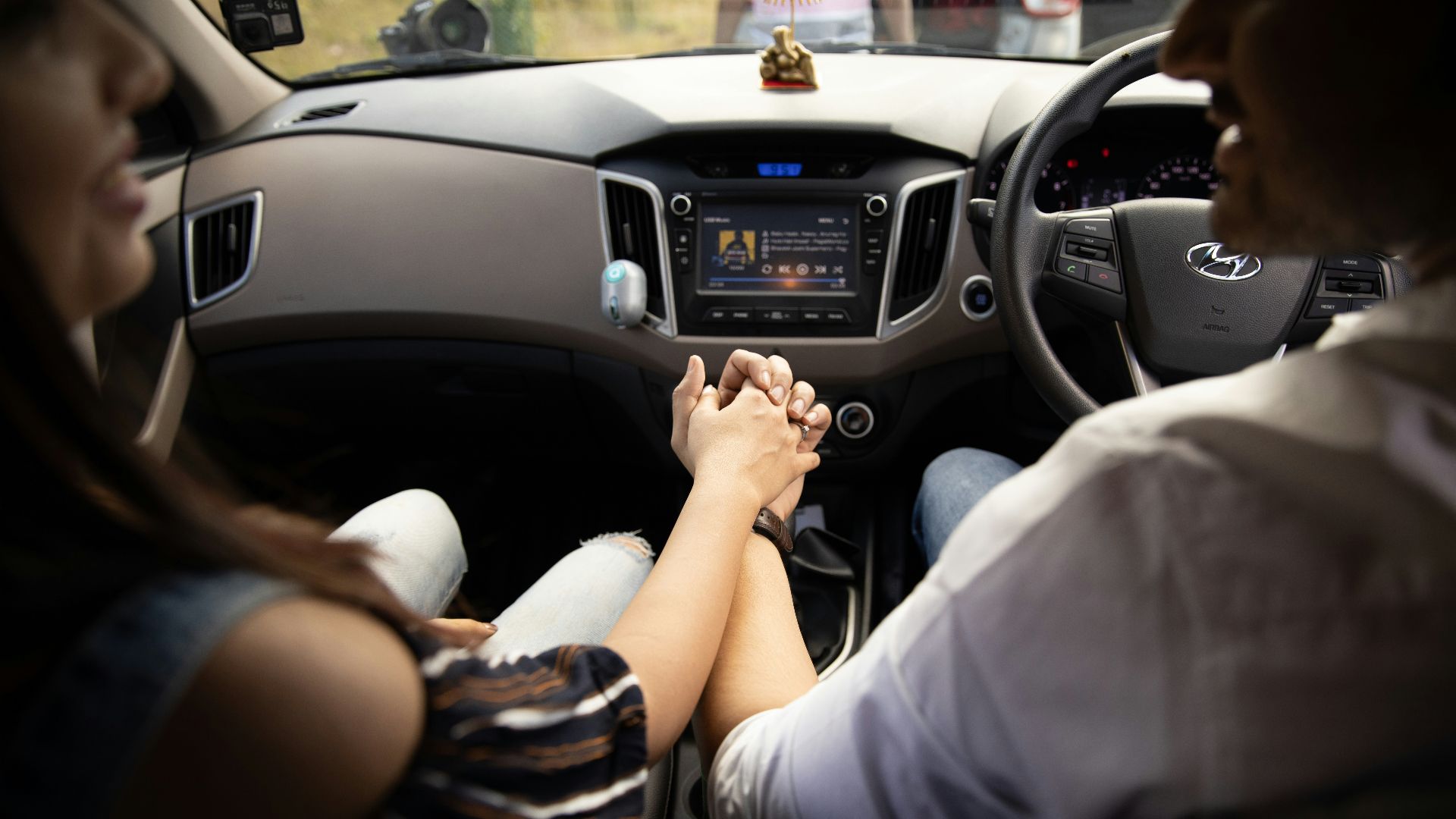
Dead time is honest time. The nine minutes between the hardware store and the pharmacy is where somebody either makes the phone call they've been putting off since Monday or turns the music up and stops talking. You learn fast whether the quiet version sits easy or needs filling.
16. Patience With Someone Slow
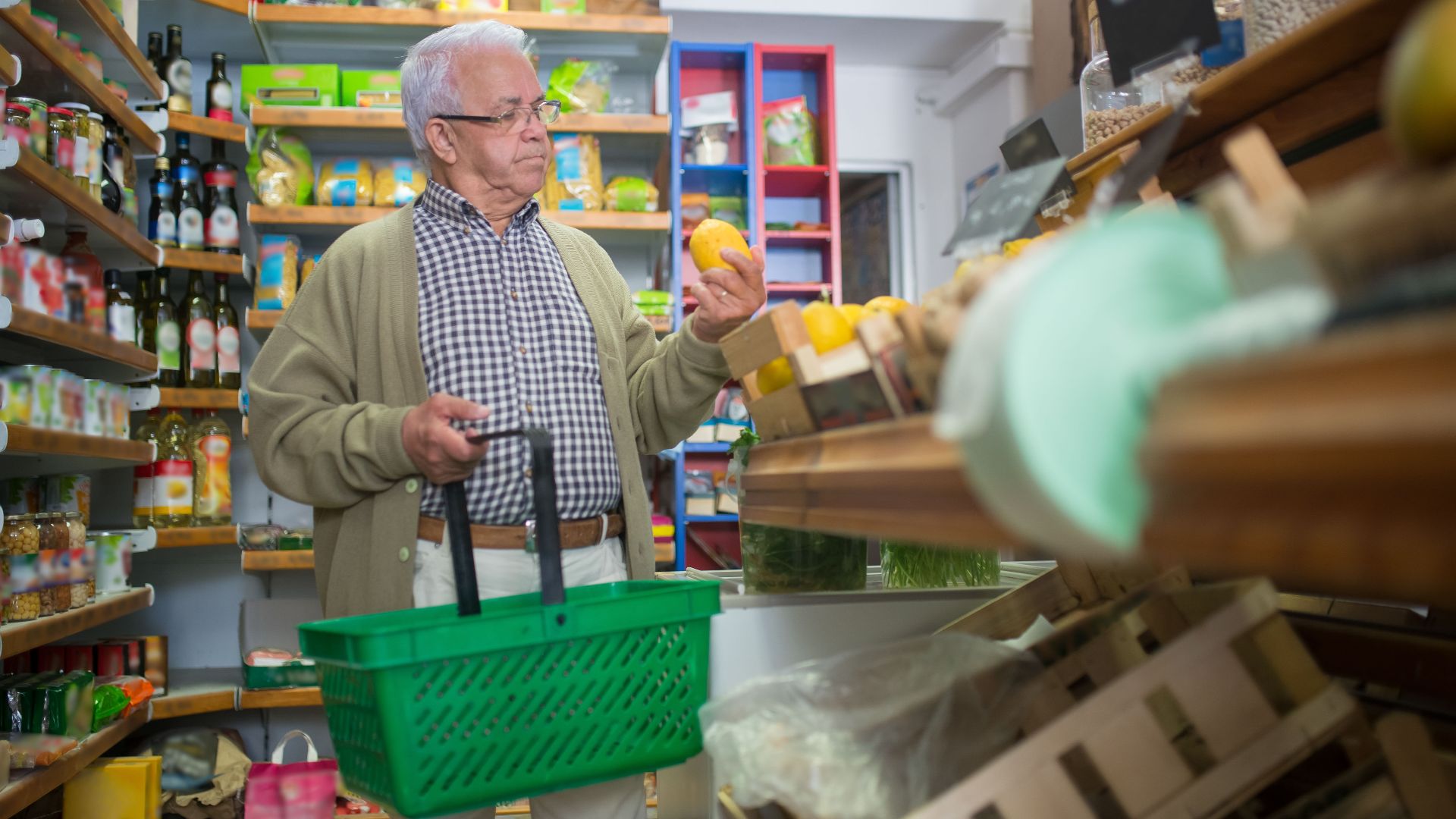
An older man at the front of the line is counting out coins. There's a version of a person who sighs loud enough to be heard two registers away, and a version who takes a half step back to give him room. You only need to see this once.
17. Whether They Keep the Receipt
The receipt gets a decision made about it the moment the printer stops. Folded into a wallet means they've already pictured being wrong about something they just bought and wanting it undone. Left in the plastic tray means the purchase closed the second it rang up.

18. The Person Asking for Money Outside
There's someone by the exit with a cardboard sign. The decision usually gets made before you reach the doors, and the giveaway is whether they look. Someone who can say their reasoning out loud is a different person from someone who speeds up.

19. How They Load the Car
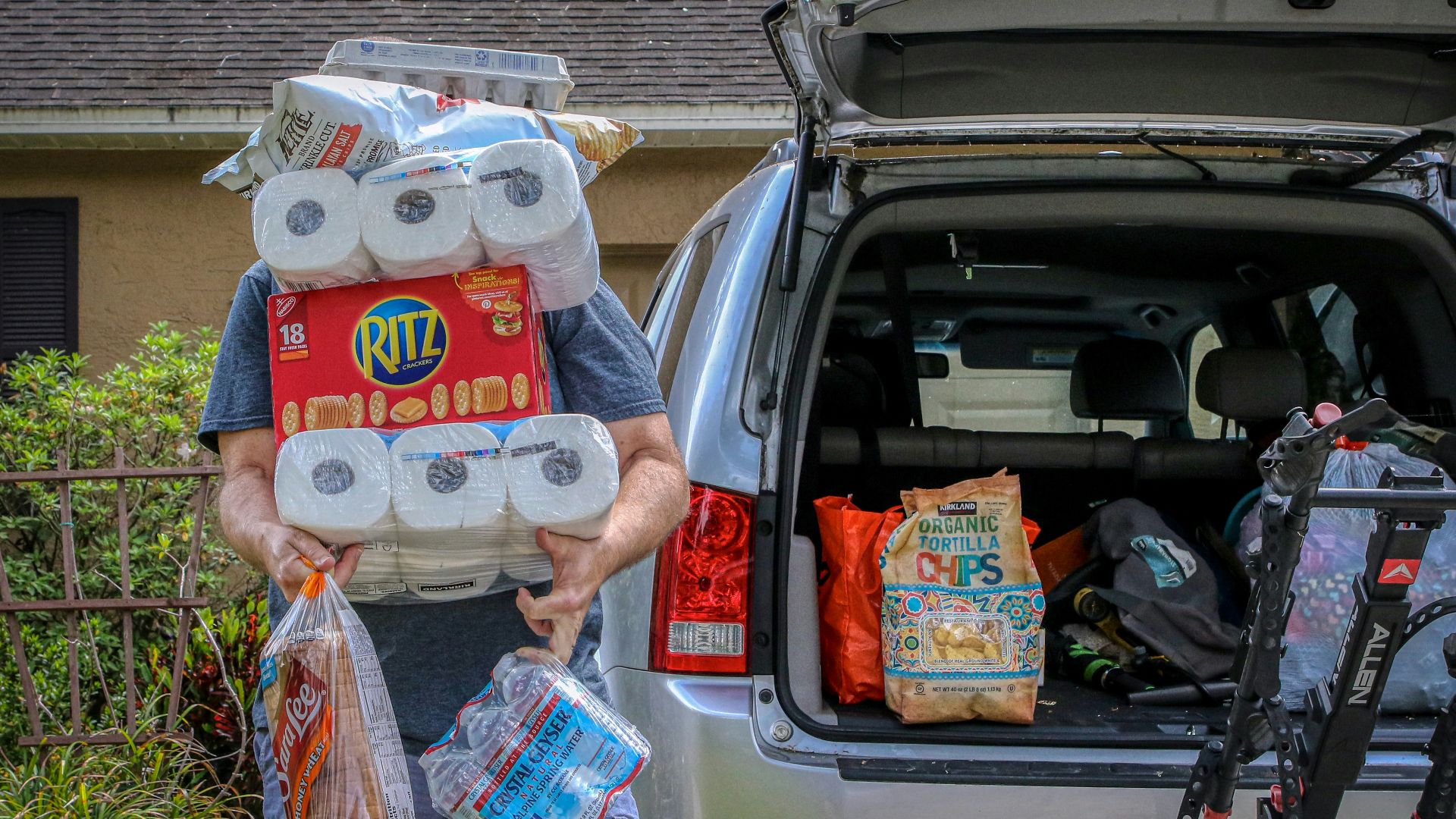
Groceries in a trunk is a logistics problem with real consequences for the eggs. A wall of heavy bags with the bread wedged in on top means somebody pictured the drive home before they started. The alternative throws everything in loose and takes the first corner at speed. Surprise at the outcome is part of the routine.
20. When the Trip Falls Apart
The pharmacy closed twenty minutes early and the afternoon needs reorganizing. Whether the first sentence out of their mouth is about blame or about the new plan is a reflex that doesn't change much when the stakes get bigger than a pharmacy.