
Cracking The British Code
Americans learning British English quickly discover that sharing a language doesn't guarantee mutual understanding. Slang phrases rooted in Victorian machinery and London street culture create barriers that even fluent speakers struggle to overcome. These expressions might sound polite, absurd, or completely nonsensical depending on your cultural background and linguistic training. Here are just 20 British phrases we know you don't understand.
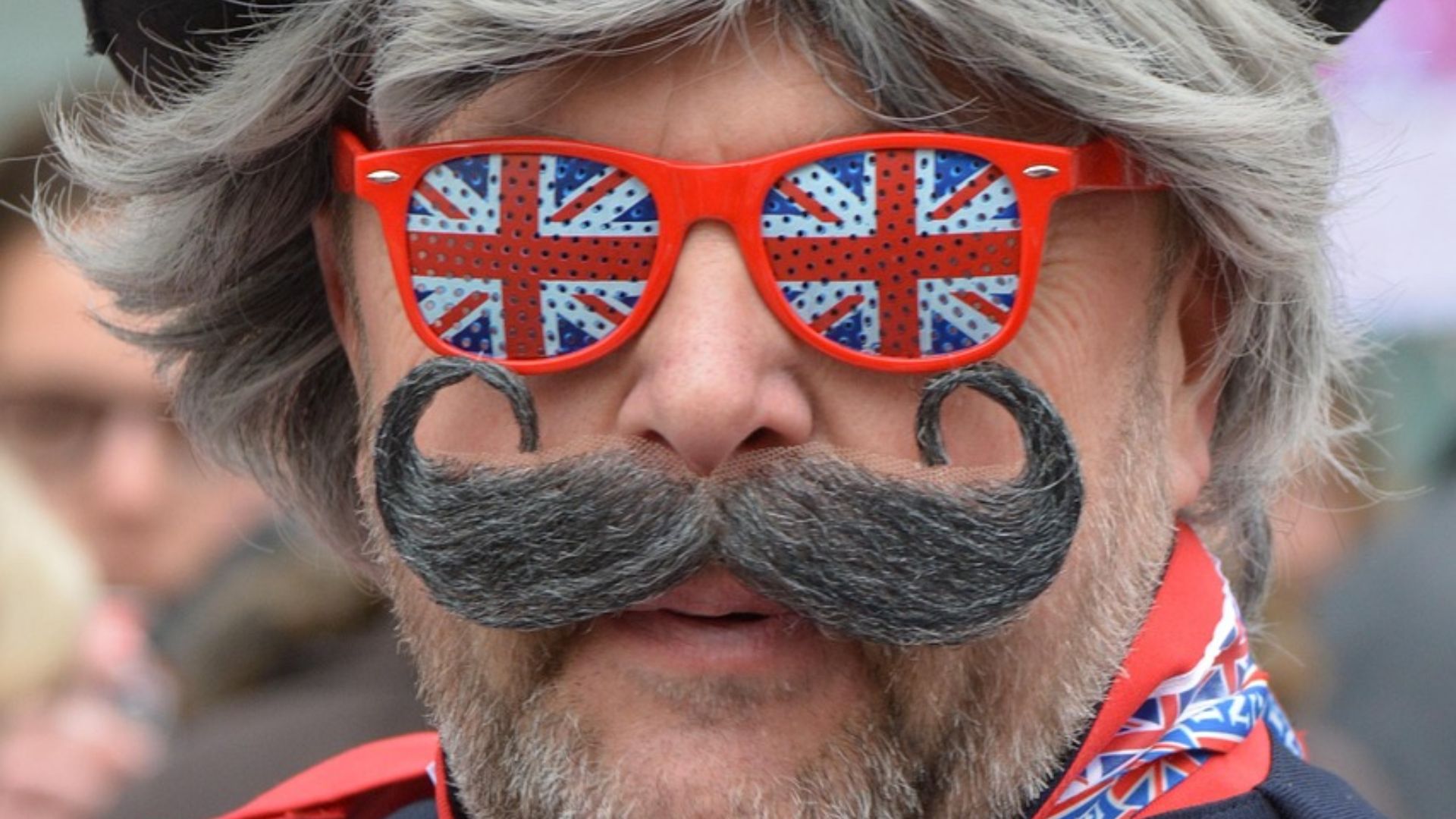
1. Bob's Your Uncle
Political nepotism from the late 19th century gave birth to this cheerful phrase, meaning "and there you have it." Lord Salisbury's controversial appointment of his nephew Arthur Balfour in 1887 may have inspired this expression for easy completion. Sometimes Brits extend it to "Bob's your uncle and Fanny's your aunt."

2. Taking The Mickey
Playful teasing gets disguised through Cockney rhyming slang in this common expression for mocking someone. "Taking the Mickey Bliss" originally rhymed with a much ruder phrase that polite company still debates. Brits use it constantly when they suspect someone's winding them up about serious matters.

3. Chuffed To Bits
Extreme happiness finds expression through the Northern England dialect combined with emphatic intensifiers in this delightful phrase. "Chuffed" originally described someone literally looking puffed up before evolving to mean pleased, while "to bits" adds strong emphasis. The visual image eventually transformed into purely emotional delight.

4. Fancy A Cuppa?
Tea dominates British culture so completely that this shortened invitation appears roughly 100 million times daily across the UK. "Fancy" means "would you like" and "cuppa" abbreviates "cup of tea" in the most stereotypically British drink invitation. No phrase better captures the national obsession with the beverage.

5. It's Gone Pear-Shaped
Disasters and failures get colorfully described through fruit geometry when British plans go spectacularly wrong. Things ending up wide at the bottom and narrow at the top may explain this expression for catastrophic projects. RAF pilots supposedly coined it when aerobatic maneuvers looked pear-shaped from below.

6. Throw A Spanner In The Works
Deliberate or accidental sabotage gets visualized through industrial imagery in this phrase about spoiling plans. The spanner (British for wrench) literally jamming up working machinery creates a perfect metaphor for causing problems. Americans say "throw a wrench in the works" instead; same expression, different tool.
 Karolina Grabowska www.kaboompics.com on Pexels
7. Having A Butcher's
Cockney rhyming slang transforms "butcher's hook" into "look" through this classic London expression for taking a quick glance. Even though speakers drop the "hook" part entirely, everyone still instantly understands the abbreviated form. Rhyming slang's quirky logic continues to baffle outsiders who can't decode it.

8. On Your Bike
Rude dismissals sound almost friendly when Brits tell someone to cycle away quickly and disappear. This abrupt way of saying "get lost" carries a harsher meaning than American equivalents, with considerably more humor. Something sounding cheerful actually functions as a proper insult here, surprisingly.
9. Lost The Plot
Actors forgetting storylines during plays may have inspired this expression for someone becoming confused. People who act irrationally or go completely off track are regularly accused of losing the plot. Bosses, politicians, and ex-partners are particularly likely to receive this label when behavior becomes inexplicable.

10. Full Of Beans
Energetic children and overly lively adults are compared to horses fed beans in this expression for excessive bounciness. Runner beans historically made horses particularly spirited, creating the perfect metaphor for human energy. Earlier versions apparently used "full of prunes" before beans took over as the preferred legume.

11. Bodge Job
Clumsy repairs done quickly but still somehow working get proudly labeled as bodge jobs by British DIY enthusiasts. "Bodge" comes from old rural crafts to mean patching something up roughly rather than professionally. Many British men describe their home improvement attempts this way, with embarrassment and a strange pride.

12. Skive Off
Avoiding responsibility through sneaky disappearance makes someone a "skiver" in British playground insults. Teenagers skipping class and employees taking suspiciously long breaks both commit this cardinal sin. The British version of "playing hooky" carries particular shame in an attendance-focused culture.

13. Cheeky Nando's
Going for a quick meal at Nando's, a peri-peri chicken restaurant, became a massive cultural phenomenon and a meme. "Cheeky" adds fun impulsiveness to what's essentially just getting fast food with friends like young British lads do. Confused Americans trying to understand this phrase became its own internet joke.

14. Donkey's Years
Very long periods get measured through Cockney rhyming slang, connecting donkeys' famously long ears to extended time. "Donkey's years" rhymes with "ears" and emphasizes how slowly time passes. Sometimes extended to "donkey's years and a day" for extra exaggeration, because why add just one more?

15. A Storm In A Teacup
Big arguments over trivial matters get miniaturized through this tea-obsessed British take on overreactions. The tiny size of British teacups compared to exaggerated storms emphasizes how minor the actual problem really is. Dating back to the 1830s, newspapers used it to mock overblown diplomatic spats.

16. All Mouth And No Trousers
Empty bravado and bold claims without action get skewered by this colorful insult for lacking substance. "Trousers" represents manly action, while lacking them means possessing nothing but boastful talk. The original phrase was flipped into a negative version, making the insult considerably punchier.

17. Gordon Bennett!
Shocking surprises and frustrating moments trigger this euphemistic exclamation that avoids direct swearing as one expresses disbelief. James Gordon Bennett Jr., a wild-living American newspaper heir famous for outrageous stunts, lent his name to British vocabulary. Del Boy in Only Fools and Horses made it comedic gold.

18. Wind Your Neck In
Aggressive or nosy people are told to back off sharply through this image of a turtle retracting. Someone craning their neck forward too aggressively needs to pull it back and stop interfering. Popular in working-class London banter, it even appeared in a Lily Allen song.

19. Spend A Penny
Public toilet visits get euphemistically described through this old-fashioned phrase your nan might still use today. Early 20th-century UK public lavatories had coin-operated locks costing one old penny to enter. Decimalisation in 1971 made the phrase outdated when fees rose, but it stubbornly persists.

20. Give It Some Welly
Extra effort and physical power are encouraged through this expression involving Wellington boots and forceful stomping. "Welly" abbreviates Wellington boot, evoking images of kicking hard or driving fast with maximum enthusiasm. Football matches frequently feature fans shouting this when players line up for powerful shots.