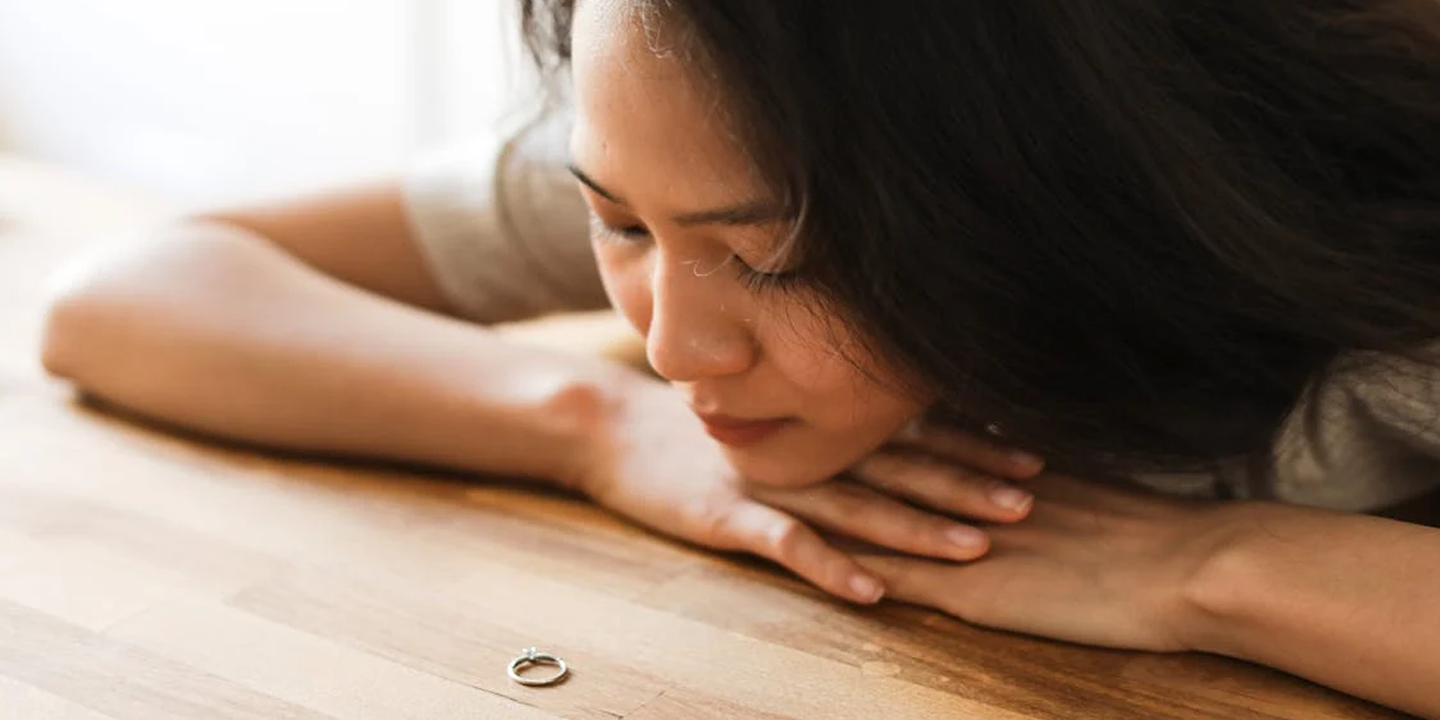
20 Habits Husbands Over 50 Have That Quietly Push Their Wives Away
The Little Things Add Up
Long marriages usually aren’t derailed by a single dramatic moment. More often, distance builds through small habits that seem harmless on the surface but slowly make a partner feel unseen, dismissed, or taken for granted. That can happen at any age, of course, but by 50 and beyond, routines get more fixed, and it becomes easier to stop noticing the effect you’re having on the person closest to you. If you want to keep your marriage feeling warm instead of disconnected, here are 20 habits worth paying attention to.
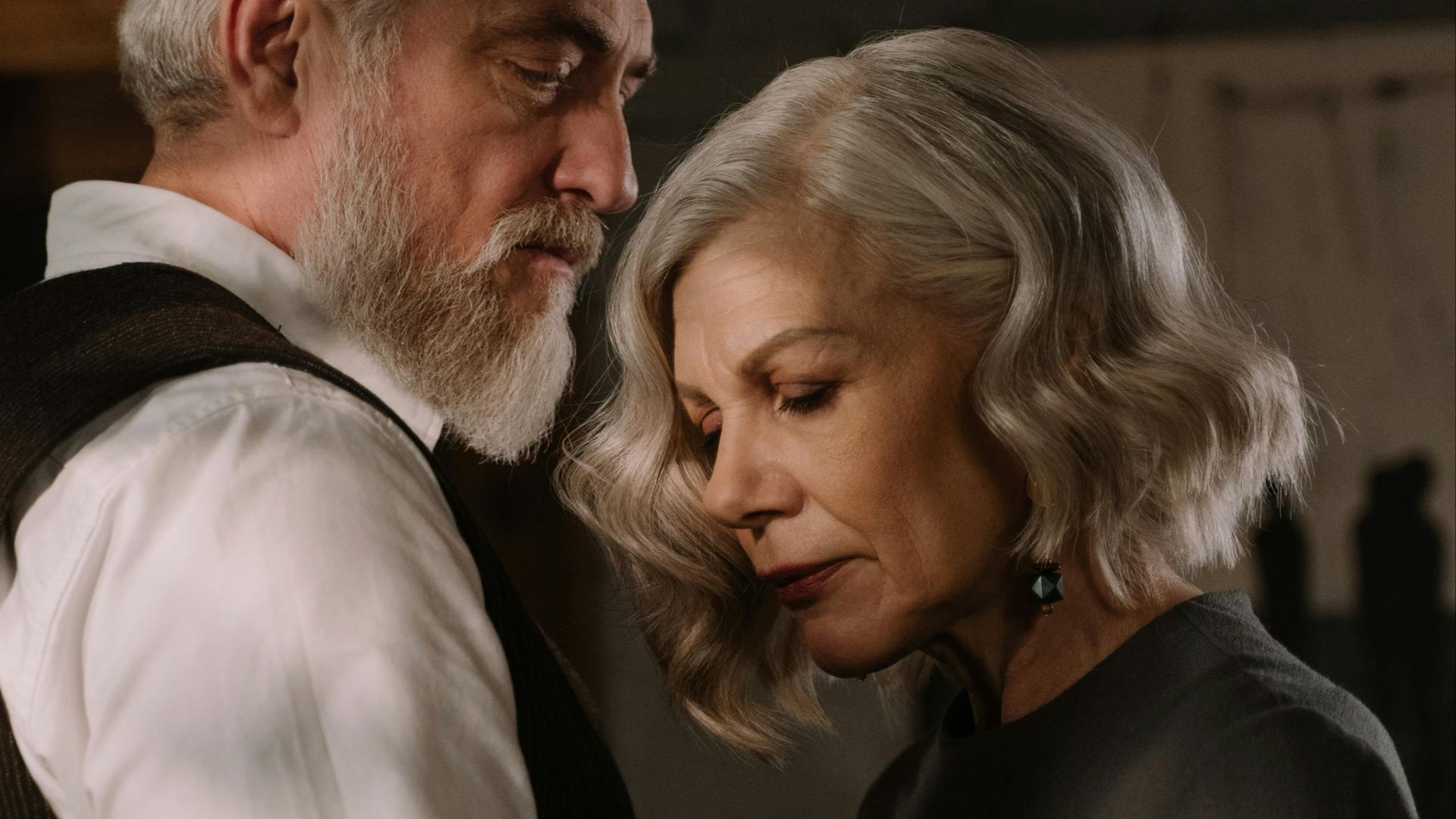
1. Tuning Out During Everyday Conversation
A lot of husbands don’t mean to seem checked out, but half-listening becomes easier when you’ve been together for years. If your wife is talking and you’re grunting, scrolling, or staring at the TV, it starts to feel like she’s competing with background noise. That kind of habit can wear down closeness faster than people realize.

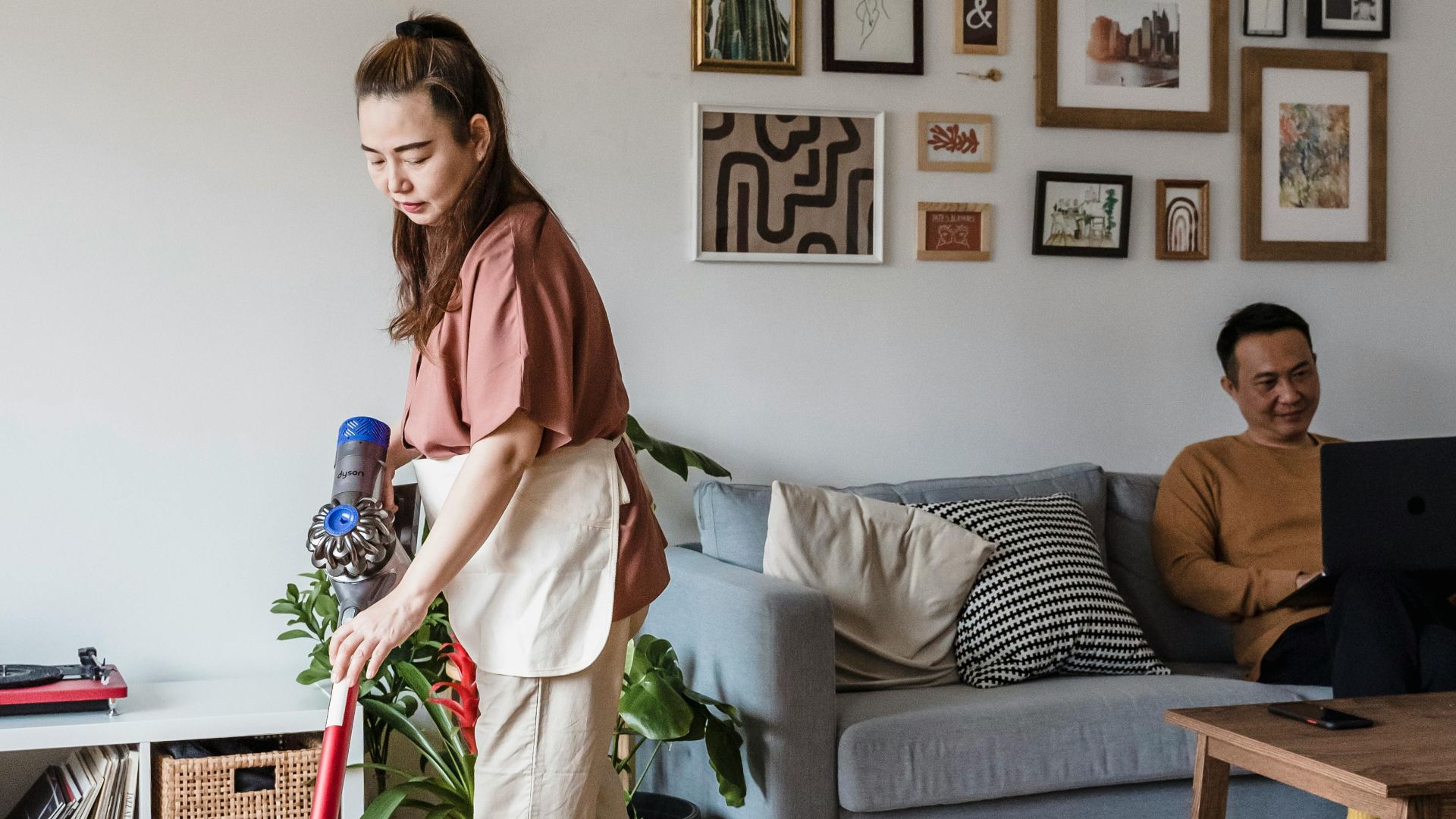
2. Acting Like Household Help Is Optional
Nothing creates resentment quite like behaving as if chores just magically get done by someone else. By this stage of life, most wives aren’t looking for grand gestures as much as basic partnership and follow-through. When a husband waits to be asked every single time, it can make him seem less like a teammate and more like an extra task.
3. Treating Her Feelings Like Overreactions
Dismissing a wife’s frustration usually does more damage than the original issue. Even if you don’t fully agree, brushing off her reaction makes her feel alone with it. Over time, she may stop bringing things up, which can look peaceful on the surface but isn’t actually a good sign.

4. Letting Every Conversation Turn Into Advice
Some husbands hear a concern and immediately jump into fix-it mode. That can be useful now and then, but it gets old when your wife really just wants understanding or support. If every emotional moment turns into a problem-solving session, the relationship can start to feel oddly impersonal. Not everything needs a strategy meeting.
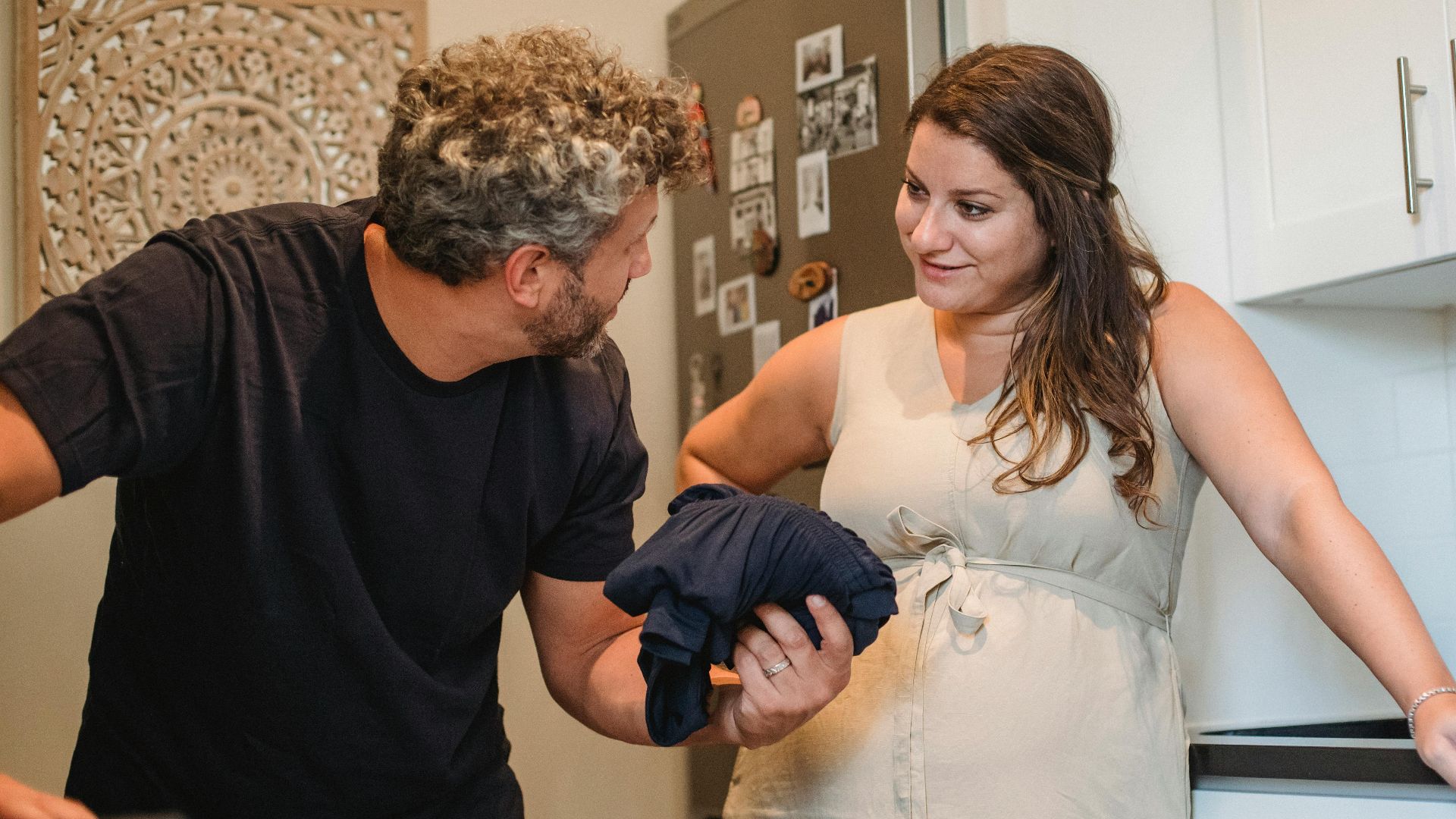
5. Becoming Weirdly Critical About Small Things
A steady drip of comments about how she loads the dishwasher, tells a story, shops, drives, or folds laundry can make the home feel tense. None of those little remarks may seem serious on their own, but together they create an atmosphere where she feels judged instead of appreciated. People pull away when they feel picked apart. Familiarity doesn’t make constant criticism charming.
6. Assuming Romance Has an Expiration Date
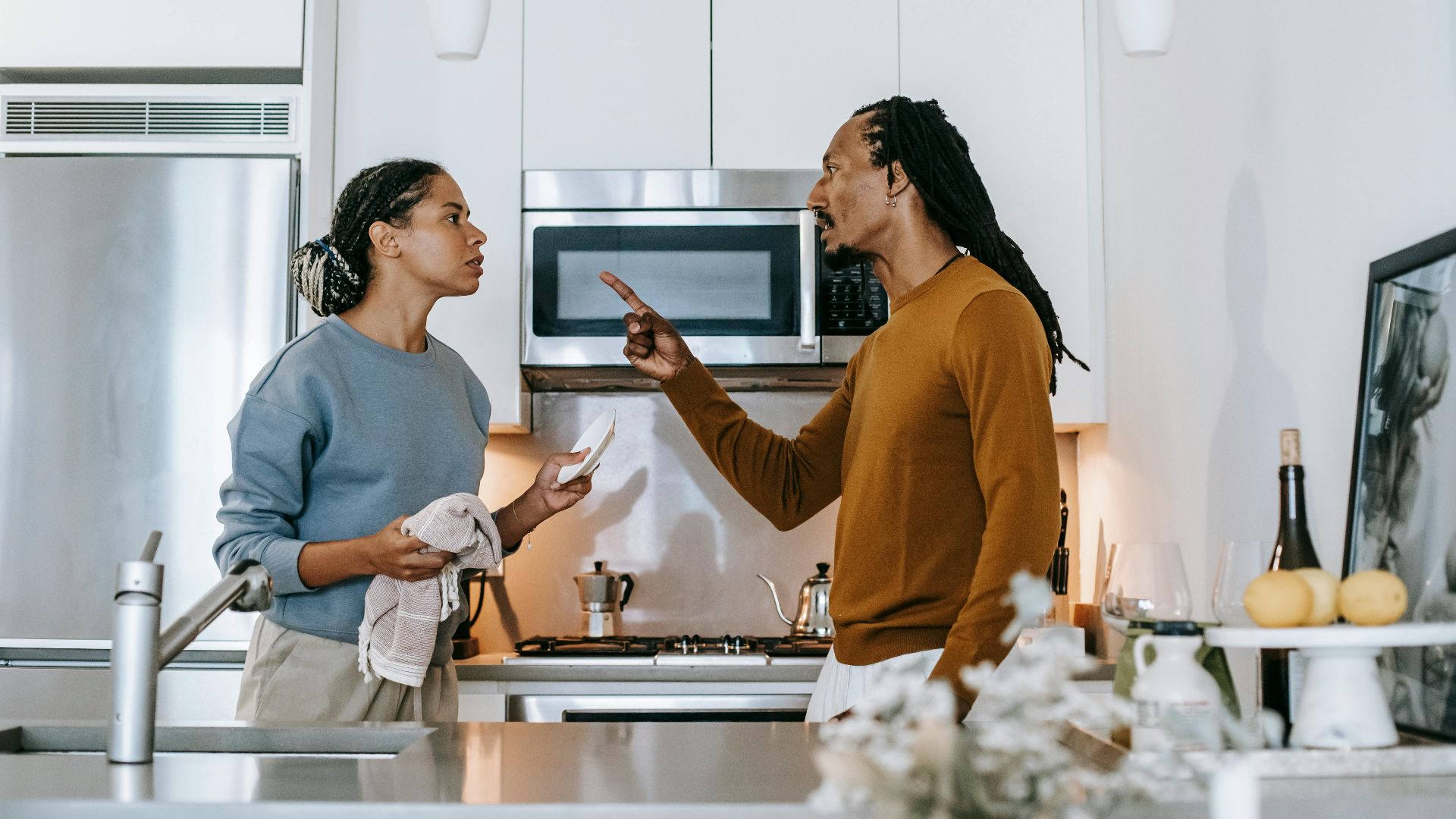
Some husbands start acting as if affection belongs to the early years and not to the decades that follow. When compliments disappear, date nights vanish, and tenderness gets replaced by routine, the relationship can start feeling more functional than loving. Your wife may not need constant fireworks, but she still wants signs that you notice her.

7. Making Jokes at Her Expense
Teasing can be fun when both people are in on it, but that’s not always what happens. If a husband keeps making little public jokes about his wife’s habits, age, memory, or moods, it can start to feel less playful and more disrespectful. That kind of humor often lands harder than the person telling it realizes, and honestly tends to make everyone else in the room feel slightly uncomfortable.
 Himanshu Choudhary on Unsplash
8. Taking Her Presence for Granted
When you’ve shared a life for a long time, it’s easy to assume your wife knows she’s valued without actually saying it. The trouble is that appreciation needs actual expression, not just private intention. If she’s handling emotional labor, logistics, family ties, and everyday support while hearing very little acknowledgment, distance can creep in.
9. Refusing to Talk About Anything Personal
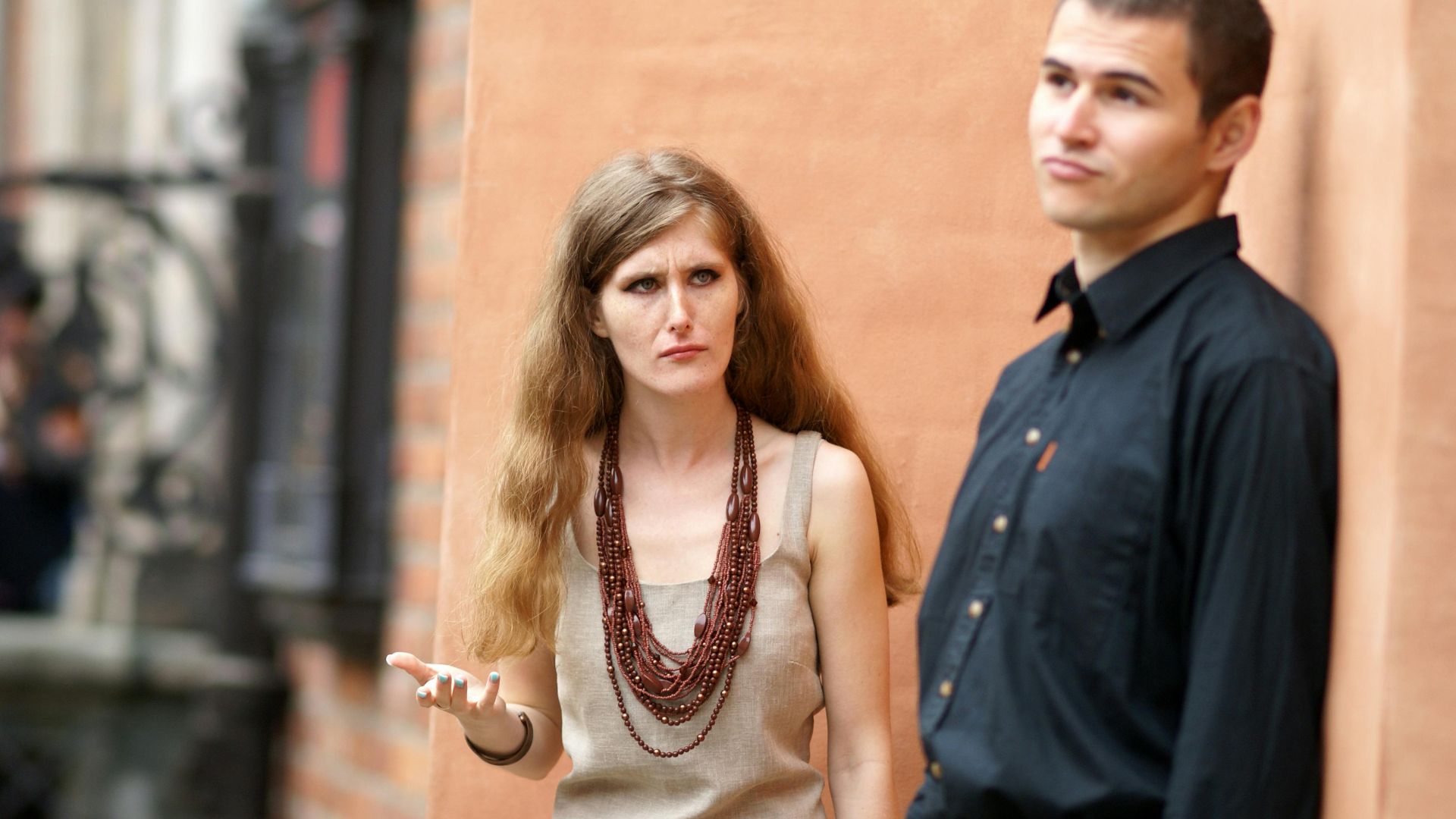
Some husbands get more emotionally sealed off with age instead of becoming more open. They’ll discuss bills, weather, sports, and errands just fine, but anything deeper gets dodged or shut down. That can leave a wife feeling like she has access to the daily schedule but not the person himself, and a marriage needs more than shared square footage.

10. Expecting Her to Manage the Social World
A lot of wives quietly become the default planners, rememberers, and family diplomats in a marriage. If a husband never tracks birthdays, never reaches out, and never helps maintain connections, it sends the message that relationships are her department. That can get exhausting, especially when she starts feeling like the cruise director for both of your lives. Shared life should mean shared effort.
11. Letting Health Neglect Become Her Burden
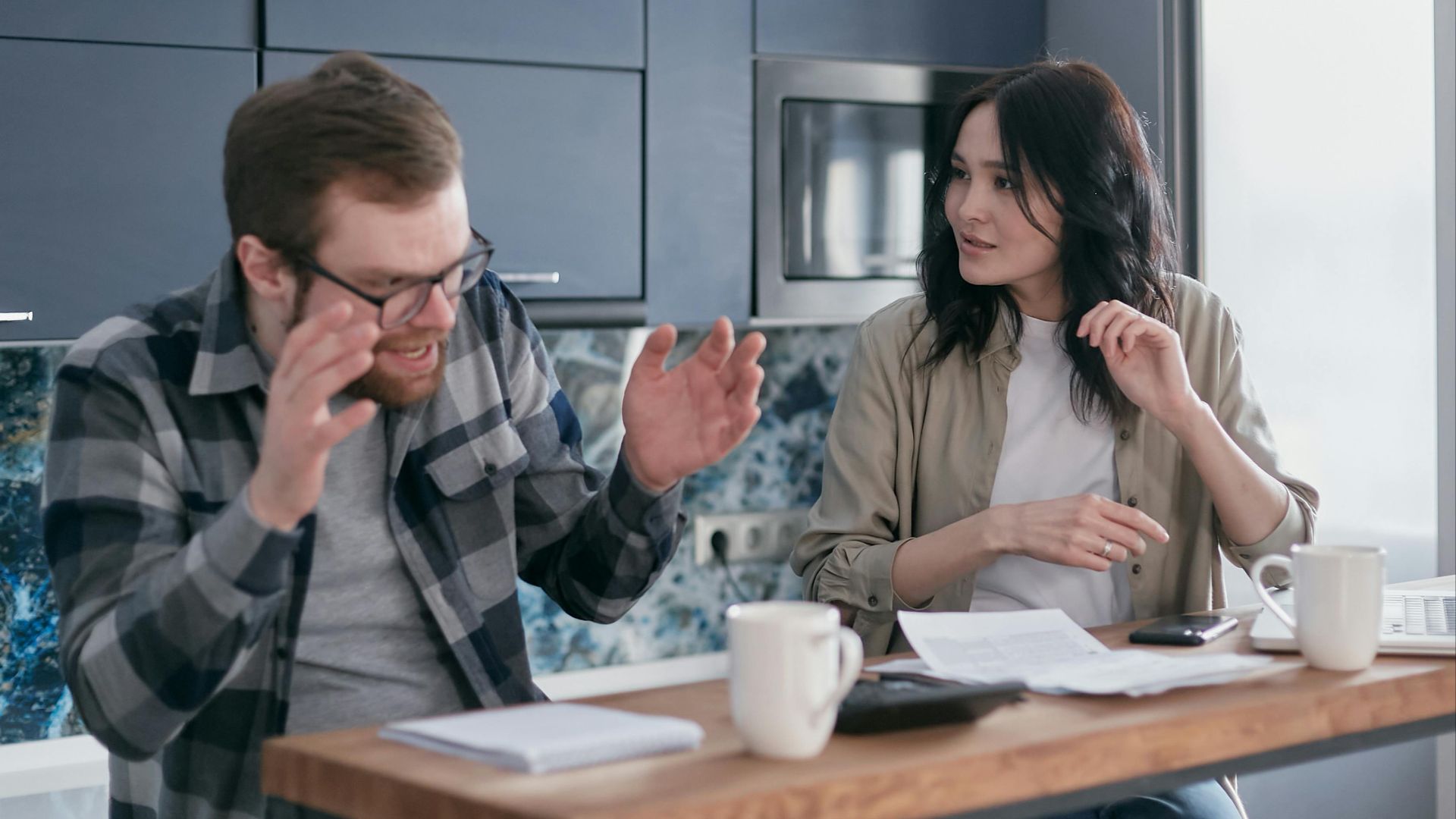
A husband doesn’t need to become a fitness influencer at 50, but refusing basic self-care can still affect the marriage. Ignoring medical advice, skipping appointments, or treating preventable problems like a joke often leaves a wife carrying a lot of quiet worry. It can also make her feel like she’s parenting instead of partnering.

12. Being Defensive About Every Bit of Feedback
If every small concern turns into “so now I’m the bad guy,” real communication gets exhausting very quickly. A wife who has to manage your reaction before she can even mention an issue may eventually decide it isn’t worth the effort. That doesn’t mean the problems disappear; it just means they stop getting discussed in a healthy way.
13. Drifting Into Constant Negativity
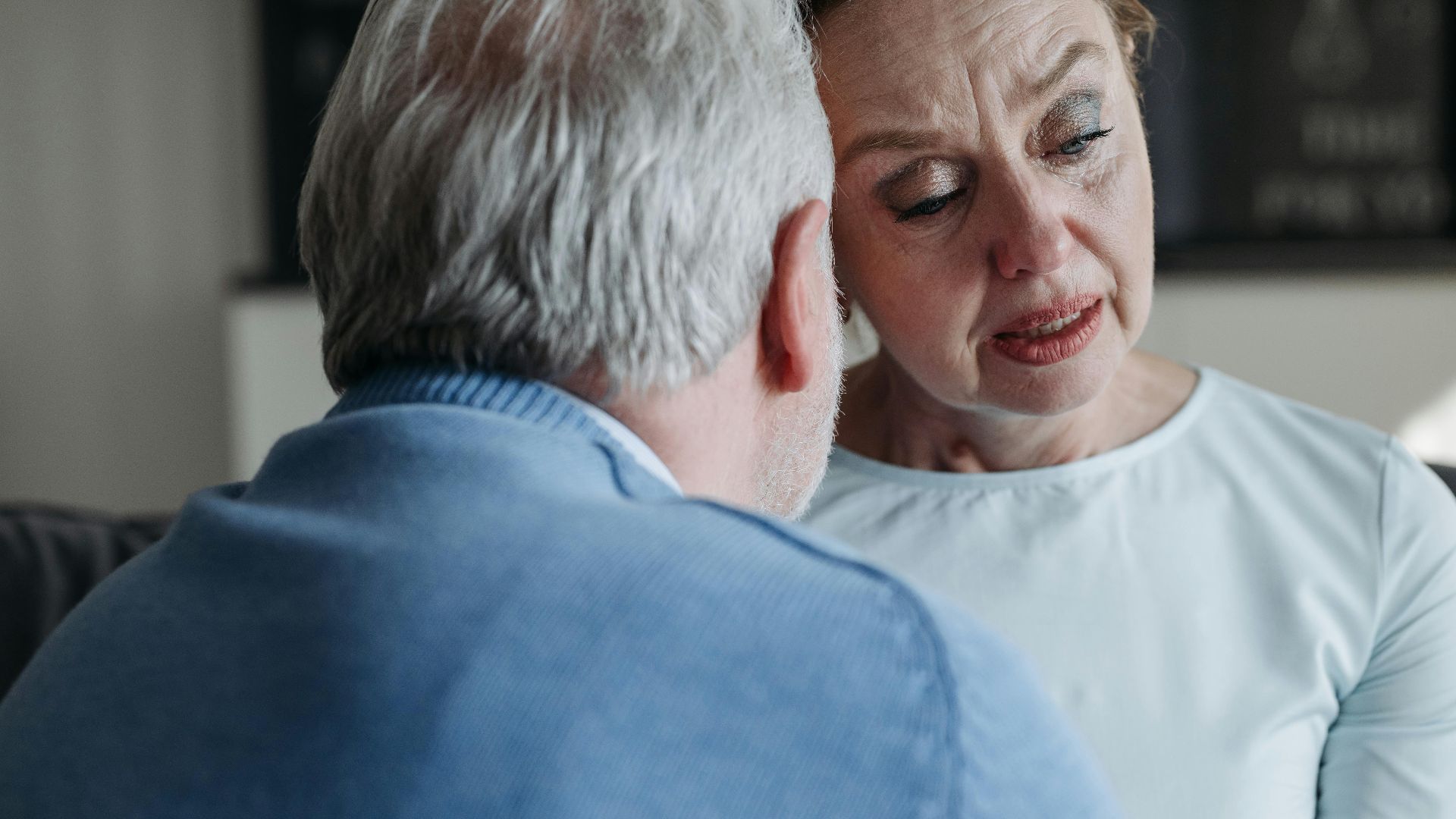
Some people get more cynical with age, and unfortunately, they bring that energy into the marriage. If a husband is always complaining, always criticizing, or always predicting the worst, the home can start feeling emotionally heavy. Even a cheerful wife can get worn down by someone who treats optimism like a character flaw.

14. Acting Like Her Interests Don’t Matter
You don’t have to share every hobby your wife has, but dismissing the things she enjoys is another story. Rolling your eyes at her shows, friends, projects, or passions sends a message that her joy is silly or unimportant. That kind of attitude can quietly shrink intimacy because people naturally stop sharing when they don’t feel respected.

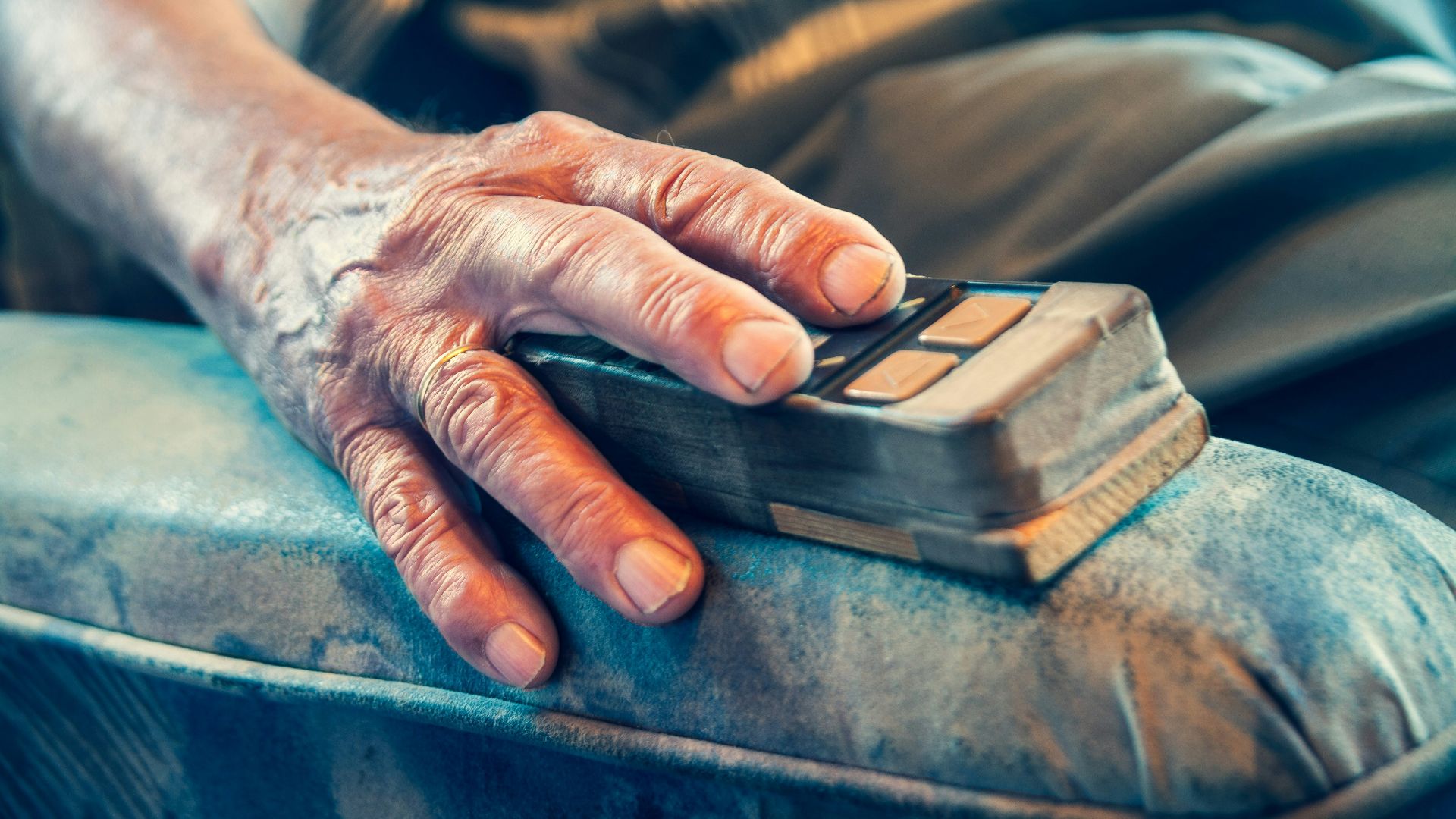
15. Turning Into a Permanent Remote Control Tyrant
This one sounds minor, but it adds up faster than you’d think. If a husband always controls the TV, the plans, the timing, the restaurant choice, and the general rhythm of the evening, the marriage can start feeling one-sided in very unromantic ways. Small daily dominance has a way of making the other person feel less at home in her own space.
16. Withdrawing Instead of Resolving Conflict
Some husbands respond to tension by going silent, leaving the room, or acting chilly for hours or days. That may feel safer than arguing, but it often leaves a wife feeling shut out and emotionally stranded. Conflict doesn’t get less real just because one person stops speaking. In many marriages, distance grows fastest in the freeze, not the fight.

17. Comparing Her to Other Women
This should be obvious, yet somehow it still happens. Whether it’s commenting on someone else’s looks, energy, cooking, or attitude, comparisons tend to land badly even when they’re framed as harmless. A wife who feels measured against other women usually doesn’t feel motivated by that—she feels disrespected.

18. Treating Retirement or Aging Like It’s Only Happening to Him
As couples move through later life, both people are adjusting, not just one. If a husband becomes so wrapped up in his own fears, frustrations, or identity changes that he stops noticing his wife’s experience, she can start feeling emotionally abandoned. Big life transitions usually bring people closer only when both are seen. Self-absorption is a lonely thing to live beside.

19. Stopping the Little Courtesies
A long marriage still benefits from manners. Saying thank you, greeting each other warmly, asking instead of assuming, and showing basic consideration may sound simple, but those habits protect the tone of everyday life. When they disappear, the relationship can become too casual in the wrong ways.
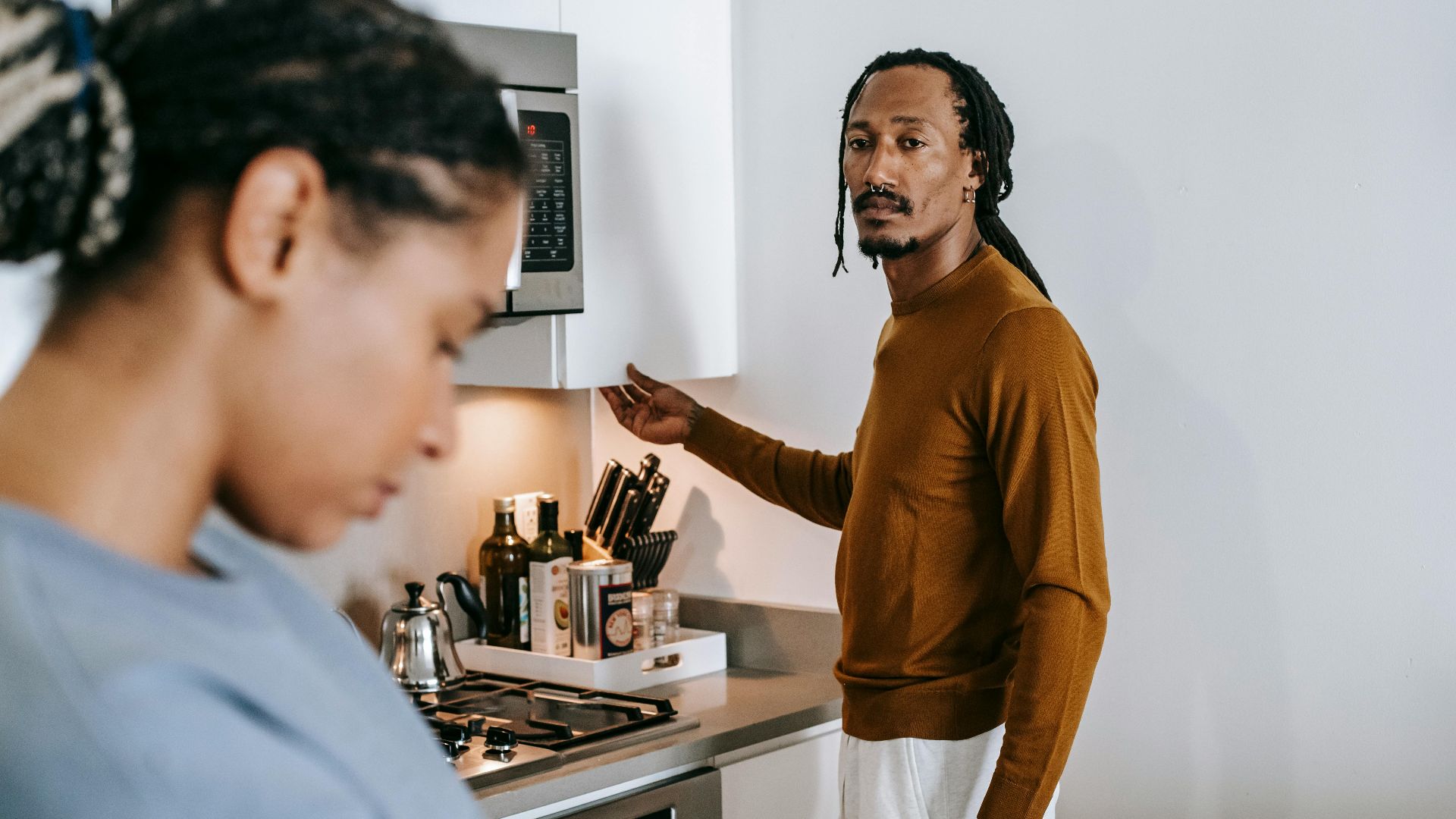
20. Believing She’ll Always Just Put Up With It
This is the habit underneath a lot of the others. Some husbands get too comfortable assuming the marriage is stable, no matter how disengaged, grumpy, dismissive, or inconsiderate they become. That kind of complacency quietly pushes wives away because it treats love like a permanent guarantee instead of something that still needs attention. The strongest marriages are the ones where both people keep showing up on purpose.