
Should You Block Them?
A bad date doesn't always end with an awkward goodbye and a story you laugh about with your friends later. Sometimes it leaves you unsettled, frustrated, annoyed, or confused. Do you go on a second date to give them a second chance? Or do you send a closure text and block their number? While you might immediately jump to the second option, it isn't always the only solution. Here's when you should cut off your losses, along with better ways to find closure after a bad date.

1. They Ignored Your Boundaries
If you told them you weren't comfortable with something and they pushed anyway, that shows a lack of respect for your limits, which is an immediate red flag. Blocking them in this case can be a reasonable response. After all, you shouldn't keep a line of contact open for someone who disrespects your boundaries.
 Priscilla Du Preez 🇨🇦 on Unsplash
2. Their Messages Are Getting Aggressive
A disappointing date is one thing, but hostile follow-up texts are something else entirely. If they become insulting or confrontational just because you weren't interested, you don't have to keep engaging to prove you're being fair. Blocking can be the easiest way to end an interaction that's making you uncomfortable.

3. They Keep Texting After You Said No
Sometimes they're not aggressive per se, but they are persistent. Once you've said you're not interested, repeated messages can be a real pain. Someone who keeps pushing after a clear answer is showing you that they care more about getting their way than respecting your decision. Blocking can help close a door that they keep trying to force back open.

4. They Lied
Not every first-date exaggeration is all that bad, but some lies change the entire situation. If they fibbed about their relationship status, age, height, photos, intentions, or anything else that affects your sense of trust, you're allowed to treat that as a red flag. If you want no further contact, block and move on.

5. They Made You Feel Unsafe
If you left the date feeling uneasy, take that seriously. If they were being controlling or invasive, blocking is a completely valid response when your main instinct is to create distance. Your priority should always be protecting yourself and your safety.

6. They Tried to Guilt You Into Another Date
A mature person can handle rejection, period. If they start acting pushy or manipulative, that tells you plenty about what future interactions might look like. Blocking can be the right response when someone treats your lack of interest like a challenge.
7. They Crossed a Physical or Emotional Line
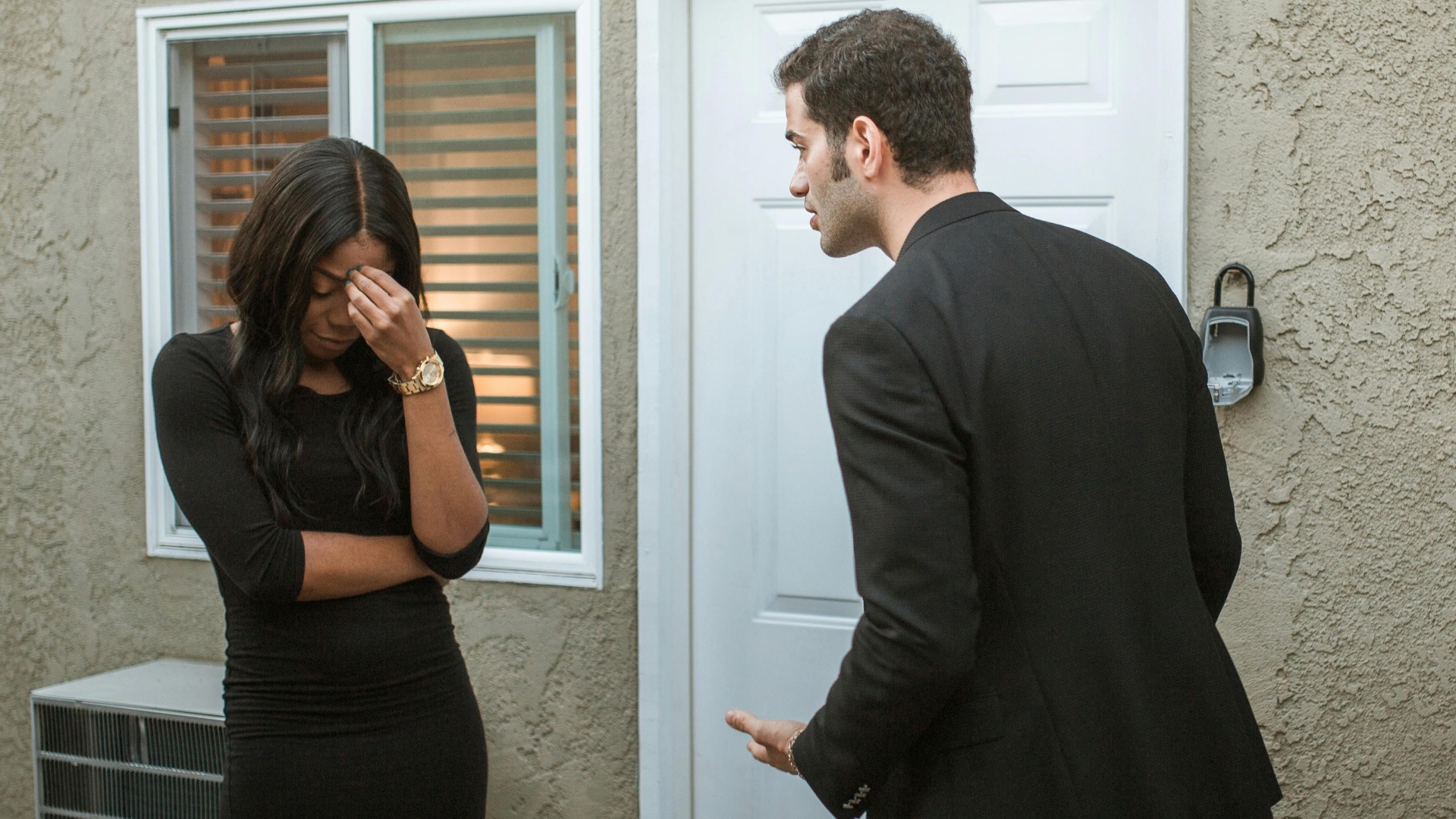
Sometimes a date goes wrong because the other person moved too fast, got too personal, or violated the tone of the interaction in a way that felt invasive. Even if they later brushed it off or acted like it wasn't a big deal, you're allowed to decide it was a big deal to you. Your discomfort is enough reason to block someone.

8. They Showed Open Disrespect
Rudeness toward you, the staff, or other people around you tells you a lot about character. If they were condescending, dismissive, arrogant, or mean, you don't need to keep entertaining contact to confirm whether it was just a one-time slip or their actual personality.

9. They Turned Rejection Into an Argument
You don't owe anyone a debate about why you don't want to see them again. If they demand explanations, challenge your reasons, or act like your decision needed their approval, don't let them continue running their mouth. Block them and find someone better.

10. Staying Reachable Is Stressing You Out
Sometimes the deciding factor isn't always what they did, but how your body reacts every time your phone lights up with a text from them. If seeing their name creates dread or annoyance, that alone can tell you the connection needs to be cut off. You don't have to maintain contact out of politeness; listen to your gut.
Still, blocking isn't the only way to move on, and it doesn't always answer the deeper question of how to find closure after a disappointing or upsetting experience. Here are 10 ways that might help you close the connection better.

1. Admit That the Date Wasn't Good Enough
Closure gets easier when you stop trying to re-piece the experience in your head. If you walked away underwhelmed, uncomfortable, or turned off, you don't need to find excuses for them just because they seemed nice on paper. Letting yourself say, "That wasn't for me," is often more helpful than overanalyzing every moment of the date.

2. Send a Brief, Respectful No
Didn't feel the connection? A short message can offer closure without inviting a long exchange. You don't need to deliver a detailed explanation; something simple and direct is often the kindest option. A clean ending is also much better than slow fading (a.k.a. texting back less and less until you stop replying at all).

3. Stop Looking for the Perfect Explanation
A lot of people stay mentally stuck because they think they need one airtight reason to justify not moving forward. The truth is that lack of interest is already enough, even when there wasn't a major offense involved. You don't have to identify a single decisive flaw in order to trust your reaction. If it wasn't for you, it wasn't for you.

4. Let the Fantasy Go
Sometimes you're not attached to the person as much as the version you hoped they would be. That can make a mediocre date feel more disappointing than it actually was, because you're grieving the possibility rather than the reality. It helps to separate who they were from what you wanted the outcome to be, and let the fantasy go.

5. Talk It Through with One Trusted Person
A single honest conversation with a friend can help you process what happened without you spiraling on your own. Venting it all out usually allows you to sort out your true thoughts and feelings. A grounded outside perspective can also help you decide whether the date really was that good or bad.
 Priscilla Du Preez 🇨🇦 on Unsplash
6. Write Down What Bothered You
Putting your thoughts into words can create more clarity than mentally replaying the date over and over. You may notice patterns, red flags, or moments you minimized at the time because you were trying to stay open-minded. Seeing it written out can help you trust your own gut so you can move on.
 Marcos Paulo Prado on Unsplash
7. Resist the Urge to Check Their Messages Again
Re-reading texts rarely creates the kind of closure people hope for. More often, it pulls you back into that overthinking state, looking for hidden meaning and wondering whether you judged things too quickly. Instead of subjecting yourself to that, archive or delete the conversation, and let yourself move on.

8. Decide What This Experience Taught You
Not every bad date has to become some important lesson, but most of them do reveal something useful. You might realize you need to screen people better before you meet them in person, leave sooner when you're uncomfortable, or stop talking yourself into giving the benefit of the doubt when your interest isn't there. Reflect on what this specific experience gave you, and file that information away so you have a better understanding of what to expect or do next time.

9. Accept That You May Never Get a Satisfying Ending
People ghost. That's just the nature of online dating or dating in general in our current generation. It sucks, but instead of putting yourself through the turmoil of wondering when and if they'll text back, just accept it wasn't meant to be and move on. You don't need their response in order to continue living your life.
10. Choose Peace Over One More Exchange
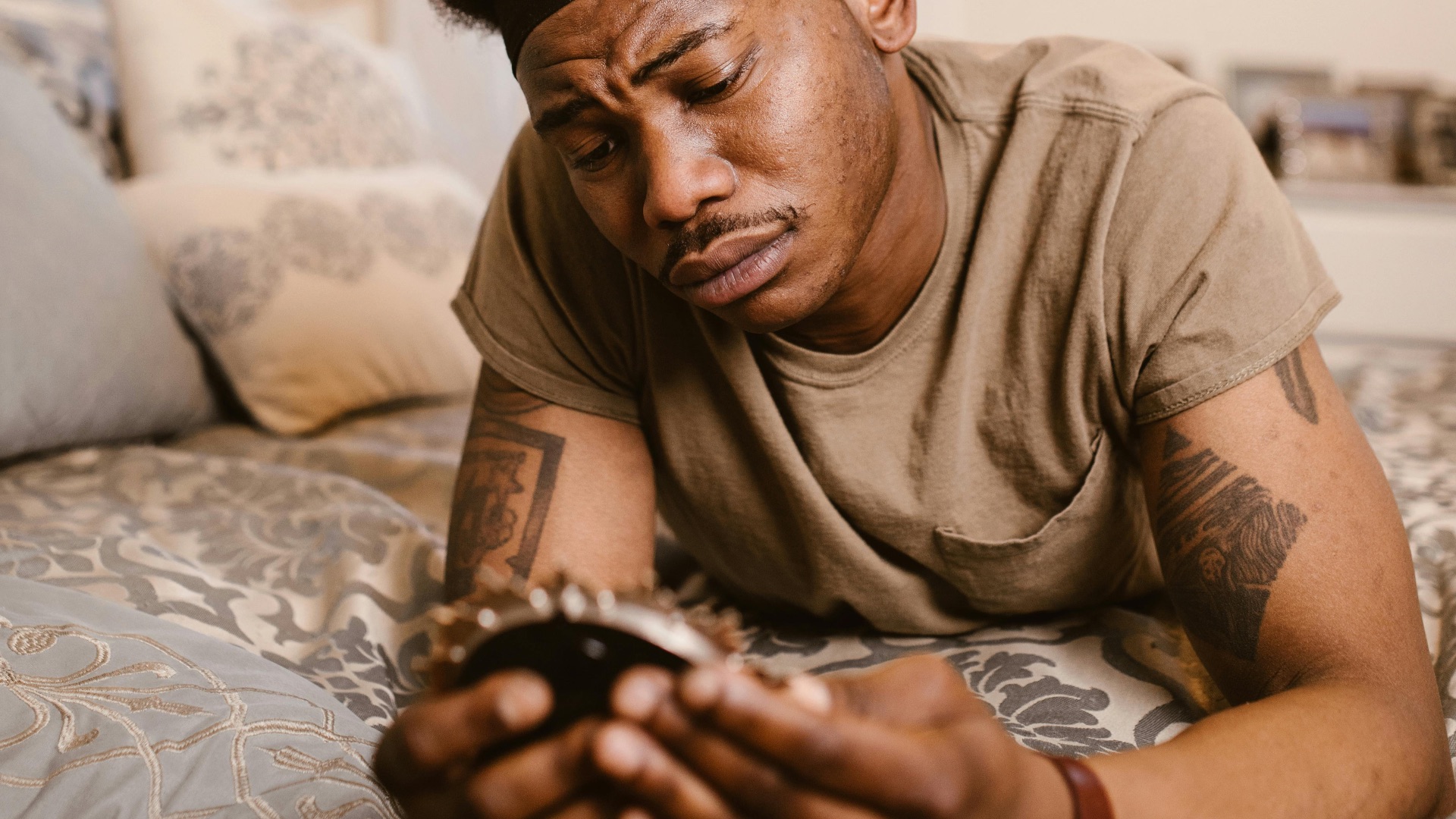
You might often get a strong temptation to send one last message, ask one more question, or make one final point. But this may only backfire. Choosing not to engage further can actually give you better relief. If you've already said everything you needed to say, leave it be.