
Queen Bee
Few things shape school life quite like popularity. It can influence how confident you feel, how often you're included, and how much you enjoy going to class. For some students, being popular makes school feel easier and far more exciting; you're at the top of the social hierarchy, after all. But like most forms of social power, it comes with a complicated underside, and the perks that look so appealing from a distance can carry a surprising amount of weight up close.

1. School Feels More Fun and Open
One of the most obvious advantages of popularity is that school can feel less closed off. You’re not standing on the edge of things hoping to be let in; you're already part of the scene. When you're socially recognized, ordinary routines often become lighter, easier, and more enjoyable.
 🇻🇳🇻🇳Nguyễn Tiến Thịnh 🇻🇳🇻🇳 on Pexels
2. You’re More Likely to Feel Included
Popularity often creates a built-in sense of inclusion that many students spend years trying to secure. There’s comfort (and pride) in knowing that whenever you walk into the cafeteria or a classroom, you’ll have a seat saved specially for you. That kind of social ease can make a real difference, especially during a stage of life when exclusion can feel unusually pronounced.

3. Confidence Comes More Easily
When people give you ample attention, you're more likely to be more confident. It becomes easier to speak up, join conversations, and move through social situations without feeling as self-conscious. That doesn’t mean every popular student is deeply secure, but positive reinforcement does have a way of making you feel more comfortable in your own skin.

4. Social Situations Require Less Effort
For students who are popular, many social interactions simply begin on easier terms. There’s less of the awkward work of introducing yourself, finding your place, or wondering whether your presence will be accepted. The path between you and other people tends to be shorter, because people already know who you are.
 Priscilla Du Preez 🇨🇦 on Unsplash
5. Invitations Tend to Multiply
Popularity often expands your access to the social life happening around school. More people think to invite you, include you, or loop you into plans, whether that means parties, group outings, casual lunches, or after-school meetups. This means you’re less likely to feel that familiar sting of hearing about something after it already happened, knowing you were excluded.

6. Being Known Can Open Doors
There’s another side to popularity that people don’t always talk about: when more people know who you are, you may find it easier to get involved in clubs, activities, leadership roles, or collaborative opportunities. Visibility has its own social currency, and in school, that currency often matters.

7. You Have More Influence Than You Realize
Popular students often shape more of the school atmosphere than they intend to. The way they treat people, what they endorse, and who they welcome can all ripple outward into the larger social environment. That influence can be superficial, but it can also have a meaningful impact when it matters.

8. Meeting New People Is Easier
There’s a built-in momentum to being socially established. People are more likely to approach you and open up to you when you initiate conversation. That makes it easier to build connections across different groups and settings without having to push so hard for every interaction.

9. Everyday Life Feels More Energized
There’s no point pretending social life doesn’t affect how school feels. When you have people to talk to, laugh with, and move through the day alongside, even dull parts of school can feel more bearable. Popularity can give the day a sense of momentum that makes the whole experience feel more alive.

10. You Often Build Strong Social Instincts
Being around many different personalities can sharpen your social awareness over time. Popular students often become skilled at reading a room, adapting their tone, and handling different kinds of interactions with relative ease. Those are useful abilities, and they don’t suddenly stop mattering once school ends.
The appeal of popularity is easy to understand: it can make school feel more welcoming and dynamic, and far less lonely. Still, that glossy version of the story leaves out the fact that being widely liked can become its own form of pressure, and the second half is where that reality starts to show.

1. People Start Relating to Your Image
One of the stranger downsides of popularity is that people begin responding not just to you, but to the idea of you. They form impressions quickly, repeat assumptions, and often decide who you are before you’ve said much at all. Once that image settles in, it can be difficult to move beyond it.

2. The Performance Can Become Exhausting
Popularity often asks for consistency: you may feel pressure to seem outgoing and polished, even on days when you feel none of those things. Over time, that expectation can start to feel like a role you’re required to keep playing.
3. Not Every Friendship Has Real Depth
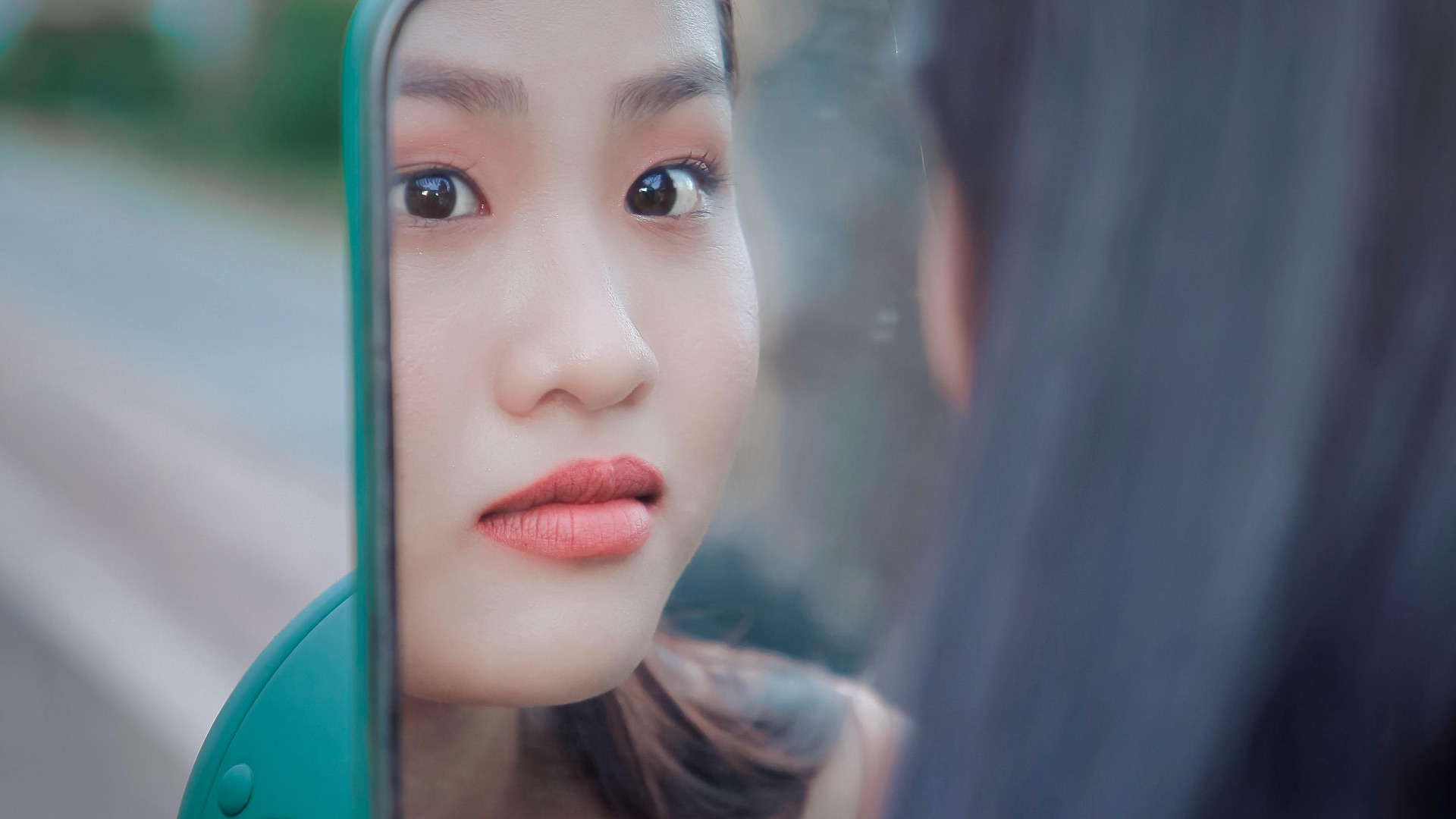
A full social calendar can create the illusion of emotional closeness, but the two aren’t the same. Some friendships formed around popularity are built more on access and visibility than loyalty or trust. That can leave a person feeling oddly unsupported in the middle of a very crowded social life. There’s a difference between being surrounded and being known, and popular students often learn that firsthand.

4. Drama Finds Visible People Faster
The more socially prominent you are, the less room you have to be unnoticed. Small misunderstandings can spread, private moments can become public, and everyday conflicts can take on a life of their own. Visibility tends to magnify everything, including mistakes. In that sense, popularity can make ordinary school drama feel much less ordinary.

5. Privacy Becomes Harder to Hold Onto
When people pay attention to your life, they often start feeling entitled to details about it. Who you're texting, where you're sitting, who you're spending time with, and what mood you seem to be in can all become subjects of discussion. Even harmless choices may attract commentary once enough people are watching.

6. It Can Be Difficult to Tell Who’s Sincere
One of the less comfortable realities of popularity is that not everyone is drawn to you for the same reason. Some people want friendship, while others want proximity to social status. That can make trust much harder to build than outsiders might expect.

7. The Pressure to Stay Effortlessly Social
People often assume popular students are naturally social at all times, as though charm and energy are just permanent settings. In reality, that expectation can become draining, especially for someone who needs privacy, rest, or emotional space. That kind of pressure can turn ordinary tiredness into something much heavier.

8. Popularity Can Attract Resentment
Attention has a way of generating backlash, especially in school. Some classmates may resent the visibility you get, assume your life is easier than it is, or decide you haven’t earned the status you have. Being admired by some people often means being judged by others for reasons that have less to do with your character than with what you seem to represent.
9. You Might Grow Into the Wrong Version of Yourself
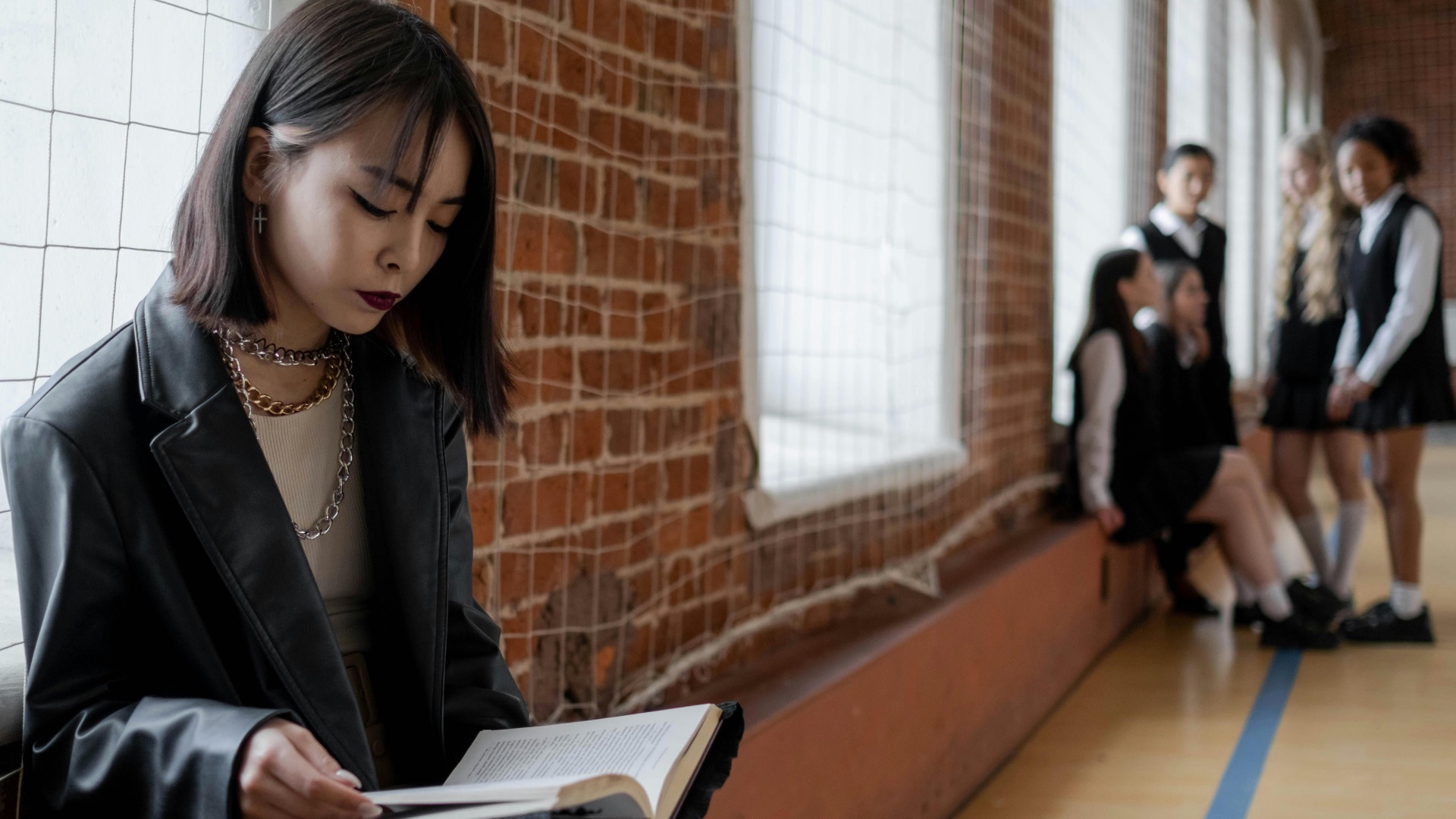
Social success can become a trap when it depends on staying attached to a persona or group you no longer even like. A student may outgrow the crowd that helped make them popular but feel reluctant to step away from it. The result is a kind of social inertia, where comfort, image, and expectation keep overriding instinct.

10. It’s Not as Great as It Looks
Perhaps the most overlooked problem with popularity is how fragile it can be. School social hierarchies shift constantly, and what feels fixed in one semester can look completely different in the next. If your self-worth has become tangled up with being liked, that instability can hit harder than you expected.