
Why “Good Enough” Is Often Exactly What Your Child Needs
Parenting advice can feel overwhelming, especially when every decision carries long-term consequences. In reality, decades of child development research show that children don’t need perfection to thrive—they need consistency, care, and emotional safety. The idea of “good enough” parenting, first introduced by pediatrician and psychoanalyst Donald Winnicott, emphasizes that meeting a child’s needs most of the time is what truly matters. These 20 reminders are here to help you trust that what you’re already doing is more than enough.

1. You Don’t Have To Get Everything Right
Mistakes are a normal part of parenting, and they don’t damage your child when handled with care. What matters more is how you respond afterward, especially if you repair and reconnect. Children benefit from seeing that adults can take responsibility and move forward. That’s a powerful lesson in itself.

2. Being Present Matters More Than Being Perfect
You don’t need elaborate activities or constant entertainment to be a good parent. Simple, attentive moments—like listening, talking, or sharing a routine—build strong emotional bonds. Research consistently shows that responsive interaction supports healthy development. Your presence is what your child remembers.
 Nubelson Fernandes on Unsplash
3. Consistency Beats Intensity
You might not always have the energy to go above and beyond, and that’s okay. Children benefit more from predictable routines and steady care than occasional bursts of effort. Consistency creates a sense of security and helps kids understand what to expect from their environment.
 Kevin Yudhistira Alloni on Unsplash
4. Your Child Doesn’t Need Constant Happiness
It’s natural to want your child to feel happy all the time, but that’s not realistic or necessary. Experiencing frustration, disappointment, and boredom helps children develop resilience. These moments teach emotional regulation and problem-solving. You’re not failing when your child struggles.

5. Repairing Mistakes Builds Trust
Even the most attentive parents lose patience sometimes. What strengthens your relationship is acknowledging it and making amends. Saying “I’m sorry” shows respect and accountability. This kind of repair helps children feel safe and valued.

6. Meeting Basic Emotional Needs Is What Counts
Children need to feel loved, heard, and supported more than they need perfection. Providing comfort, encouragement, and attention lays a strong foundation for development. You don’t have to anticipate every need. Being responsive when they express them is enough.

7. Comparison Isn’t A Useful Measure
It’s easy to feel like you’re falling short when comparing yourself to other parents. However, every family situation is different, and there’s no single standard for success. What works for one child might not work for another. Focus on what fits your child’s needs.
8. You’re Allowed To Have Limits
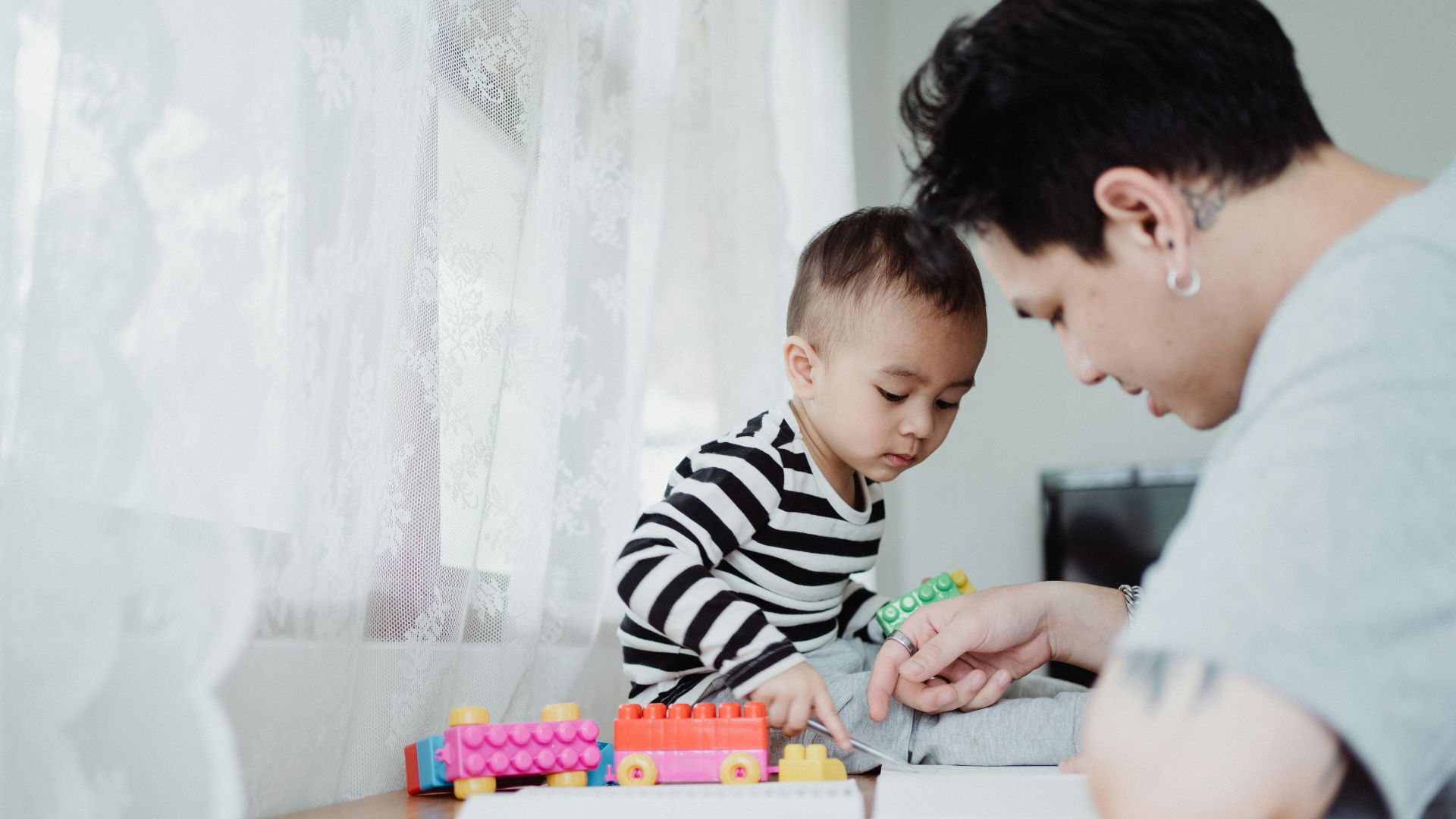
Good parenting doesn’t mean saying yes to everything. Setting boundaries helps children understand structure and expectations. It also protects your own well-being. Healthy limits benefit both you and your child in the long run.

9. Independent Play Is Valuable
You don’t have to be constantly involved in your child’s activities. Time spent playing alone helps children develop creativity and self-confidence. It also teaches them how to manage boredom. Stepping back can actually support their growth.

10. Your Effort Matters More Than Outcomes
Not every parenting decision will lead to the result you hoped for. That doesn’t mean you made the wrong choice. Children develop over time, and outcomes are influenced by many factors. What matters is that you’re trying with care and intention.

11. You Don’t Need All The Answers
It’s okay not to know everything about parenting. Learning as you go is part of the process. When you’re unsure, seeking information or asking for help is a strength. Your willingness to grow benefits your child.

12. Emotional Availability Is Key
Being emotionally available doesn’t mean being available every second. It means your child can rely on you when they need comfort or connection. Even brief moments of focused attention can be meaningful. That reliability builds trust over time.

13. Imperfection Teaches Flexibility
When children see that life isn’t perfect, they learn to adapt. They understand that challenges are manageable and temporary, and this perspective supports emotional resilience. Your imperfections can actually help them grow stronger.

14. Routine Creates Stability
You don’t need a rigid schedule, but predictable patterns help children feel secure. Regular mealtimes, bedtime routines, and daily rhythms provide structure. This stability supports both emotional and physical well-being. Small routines make a big difference.

15. You’re Modeling Behavior All The Time
Children learn by observing how you handle stress, conflict, and everyday situations. You don’t have to be flawless to be a good example. Demonstrating effort, kindness, and accountability is enough. These behaviors shape how your child responds to the world.

16. It’s Okay To Take Breaks
Parenting can be demanding, and you’re allowed to step away when needed. Taking time to rest or recharge helps you show up more effectively. Burnout doesn’t benefit anyone, whereas caring for yourself supports your ability to care for your child.

17. Your Relationship Matters More Than Rules
Rules are important, but the connection you have with your child is what gives them meaning. When children feel respected and understood, they’re more likely to cooperate.

18. You Don’t Need To Entertain Constantly
Children don’t require nonstop stimulation to thrive. In fact, too much structured activity can be overwhelming. Quiet time and simple experiences are just as valuable.

19. Growth Happens Over Time
Parenting isn’t about getting everything right in a single moment. It’s about showing up consistently over the long term.

20. You Are Enough For Your Child
At the end of the day, your child needs you—not a perfect version of you. Your care, attention, and commitment are what matter most. Research shows that secure attachment comes from reliable, loving relationships.