
20 Bad Financial Habits That Are Ruining Young People's Ability To Save
Why The Youth Struggle To Save
The world is a different place from what the older generation grew up in. Convenience is higher than ever, technology makes everything more accessible, and expenses cost more than before. Navigating the financial terrain can be a difficult job for the youth these days, and here are just 20 reasons why it's so difficult.

1. Treating Every Paycheck Like It Has Already Been Spent
It can be hard to save when you treat every dollar that hits your account like it already belongs to rent, food, subscriptions, plans with friends, and more. When everything is already distributed to something else, it makes saving what's left over more of an afterthought.

2. Ignoring Small Purchases Because They Seem Harmless
A coffee, a small delivery fee, or a random app purchase might not feel like a big deal in the moment, but often times, it's these little purchases that build up into most of your income. It's not about cutting every little treat, but knowing when too many "treat-yourself" gifts becomes too much.

3. Using Credit Cards Like Extra Income
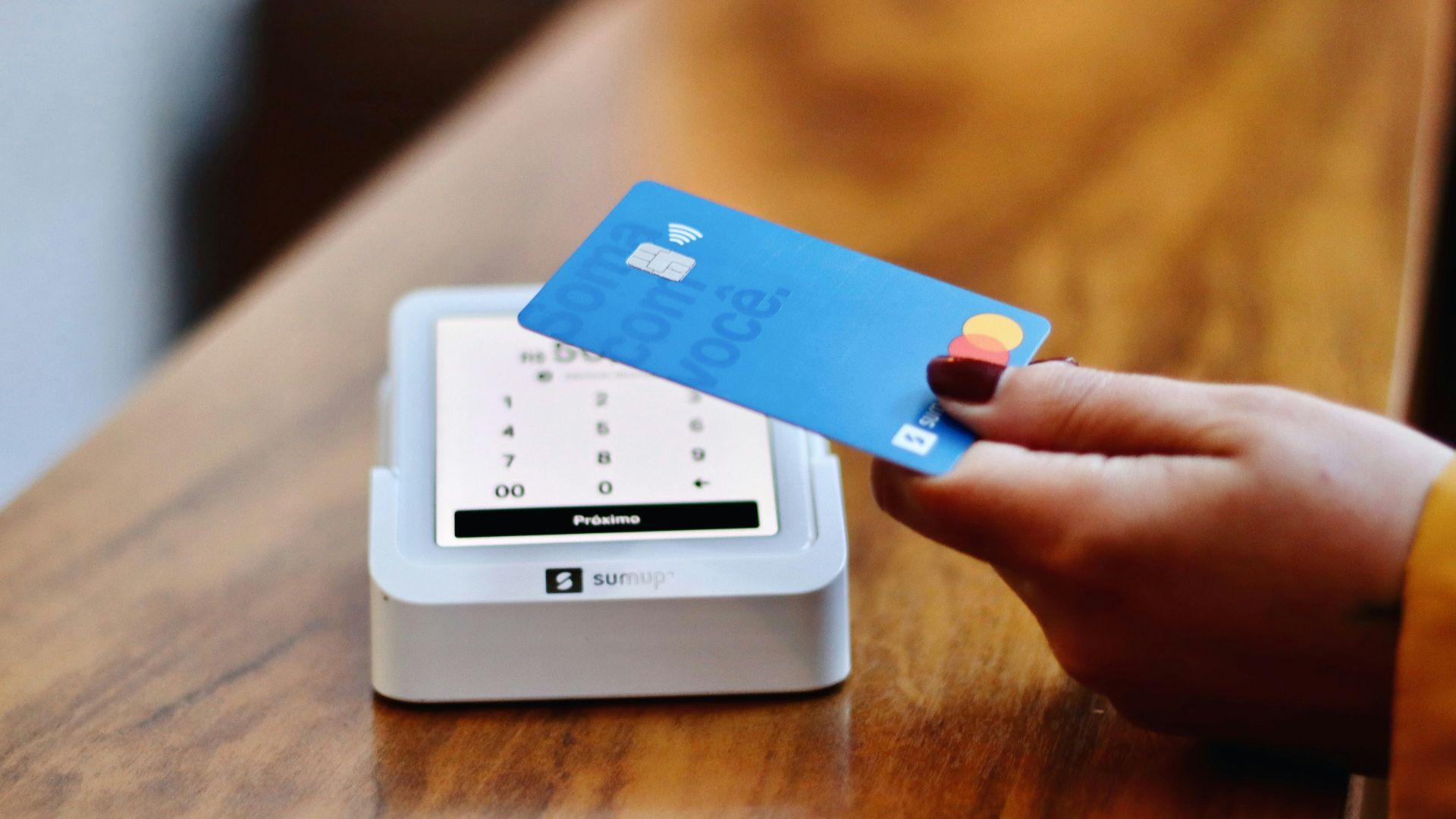
Credit cards are useful, convenient tools, but you can't forget that it's not free money. They tend to make your budget feel bigger than it actually is, causing young people to end up charging more than they can pay off by the due date.
4. Keeping Subscriptions You Barely Use
Everything these days has a subscription service. Whether it's streaming, music, fitness, cloud storage, or meal kits, these little monthly fees can seriously pile up quickly. A lot of young folk keep paying because the amounts feels small (when it's not in the long run), or because cancelling feels like a hassle.

5. Saying Yes To Every Social Plan
There's nothing wrong with spending time with friends and having a busy social life, but saying yes to every dinner, trip, concert, and weekend plan is terrible for your wallet. There's no harm in suggesting cheaper options, setting spending limits, or simply skipping plans that don't match your saving goals.

6. Avoiding A Budget Because It Sounds Restrictive
Some young people hate setting budgets because it feels restrictive and limiting. But the truth is, it's what helps open up so many more doors! A good budget doesn't hold you back, it simply tells you where your money should be going and how to treat your savings more responsibly. You can still have fun while building youir savings!

7. Making Impulse Purchases To Feel Better
After a down day, it's easy to treat yourself to something you like because it'll "improve your mood," but when you do it recklessly and often, your bank account is just suffering. Emotional spending just makes you buy things you want in the moment, but don't serve you long-term purpose.

8. Not Having An Emergency Fund
Without an emergency fund, small, unexpected expenses can throw your finances completely off track. A car repair, medical bill, lost phone, or reduced work hours can quickly lead to credit card debt if you don’t have money set aside.

9. Letting Lifestyle Creep Take Over
When you get a raise or promotion at work, it’s tempting to upgrade everything at once, from your apartment to your wardrobe to your weekend plans. But instead of spending every new penny, you should first look at how much of each raise or bonus will go toward savings. It's the responsible thing to do!

10. Relying Too Much On Buy Now, Pay Later Plans
Buy now, pay later services can dangerously make purchases feel more affordable because the payments are split into smaller chunks. Just because each payment is smaller doesn't reduce the overall cost though! When you get carried away, you'll suddenly be dealing with more money leaving your account than planned.

11. Not Checking Bank Accounts Regularly
Rookie mistake! Bank accounts aren't something you just let be; if you know you're running low on funds, it's more stressful ignoring what needs your attention. You don't want to miss fees, forgotten subscriptions, duplicate charges, or spending patterns that need attention. A quick check a few times a week can seriously help.

12. Spending More To Keep Up With Other People
It’s easy to compare your lifestyle to friends, coworkers, or people online who seem to be doing more and buying more, but what you don’t see is their debt or financial stress behind the scenes. Always make purchases based on your own financial situation instead of trying to pretend you have someone else's. Social media has been an especially bad influence in this regard for the youth.

13. Forgetting To Plan For Irregular Expenses
Expenses don't always come at the same time every month, sometimes they'll pop up when you least expect it. Gifts, memberships, insurance premiums, travel costs, and more can be spontaneous and hit your account hard if you're not prepared for them. If you want to be ready, you need set aside money every month for both the predictable and the unpredictable.

14. Paying Too Many Fees Without Questioning Them
Don't just treat charges like you deserve them; bank fees, late fees, overdraft charges, ATM fees, and service fees can eat into your money slowly but surely. Many people accept them as normal because each one seems small or unavoidable, but switching accounts, setting reminders, and asking for fee waivers can keep more money in your pocket.

15. Waiting To Save Until You Earn More
Waiting to save until you earn more money is just another way of saying you're putting off building your savings. They're really just excuses, and while more income can definitely help, there's no such thing as a perfect financial situation to start saving.
16. Shopping Without A Plan
If you have a tendency to get sidetracked when shopping, heading in with a plan first can help you avoid buying things youi don't need. It's hard to avoid sales, flashy limited-time deals, and more, so knowing what you need and walking in with a purpose can help save your wallet.

17. Treating Windfalls Like Free Money
Tax refunds, bonuses, birthday cash, side-hustle income, and unexpected refunds might feel like free money for you to spend, but the smart thing is to put it aside. Treating these windfalls like you're due for a shopping spree is unhealthy and bad practice for your budget.

18. Not Talking Honestly About Money
Many young people avoid money conversations because they feel awkward, stressful, or too personal. But unfortunately, that silence is what leads to overspending with friends, confusion with partners, or missed chances to learn from people who manage money well. Being honest about your limits and asking practical questions is crucial if you want to be responsible.
 Aarón Blanco Tejedor on Unsplash
19. Confusing Convenience With Affordability
We live in a day and age where errands are more convenient than ever before, from food delivery to rideshares, express shipping, and more. While all of these make life so much easier, we also tend to forget that they come with a cost. A lot of young people use these services often without realizing the small fees can slowly add up.

20. Having No Clear Savings Goal
Saving is harder when you don’t know what the money is for because without a goal, it’s easy to dip into your savings for random purchases. Whether you’re building an emergency fund, moving out, traveling, paying off debt, or investing, a specific goal gives your money a purpose and makes progress easier to measure.