Retro Reality Check
Nobody talks about how genuinely weird the 1960s were anymore. Asbestos was a "miracle material" in homes. Parents smoked around babies without second thoughts. Meanwhile, people wore paper dresses and danced the Twist at fondue parties. The decade split perfectly between absolute madness and creative brilliance. Looking back now, it's wild. To start with, here are 10 trends we’ve left behind for good.
 Simon Legner (User:simon04) on Wikimedia
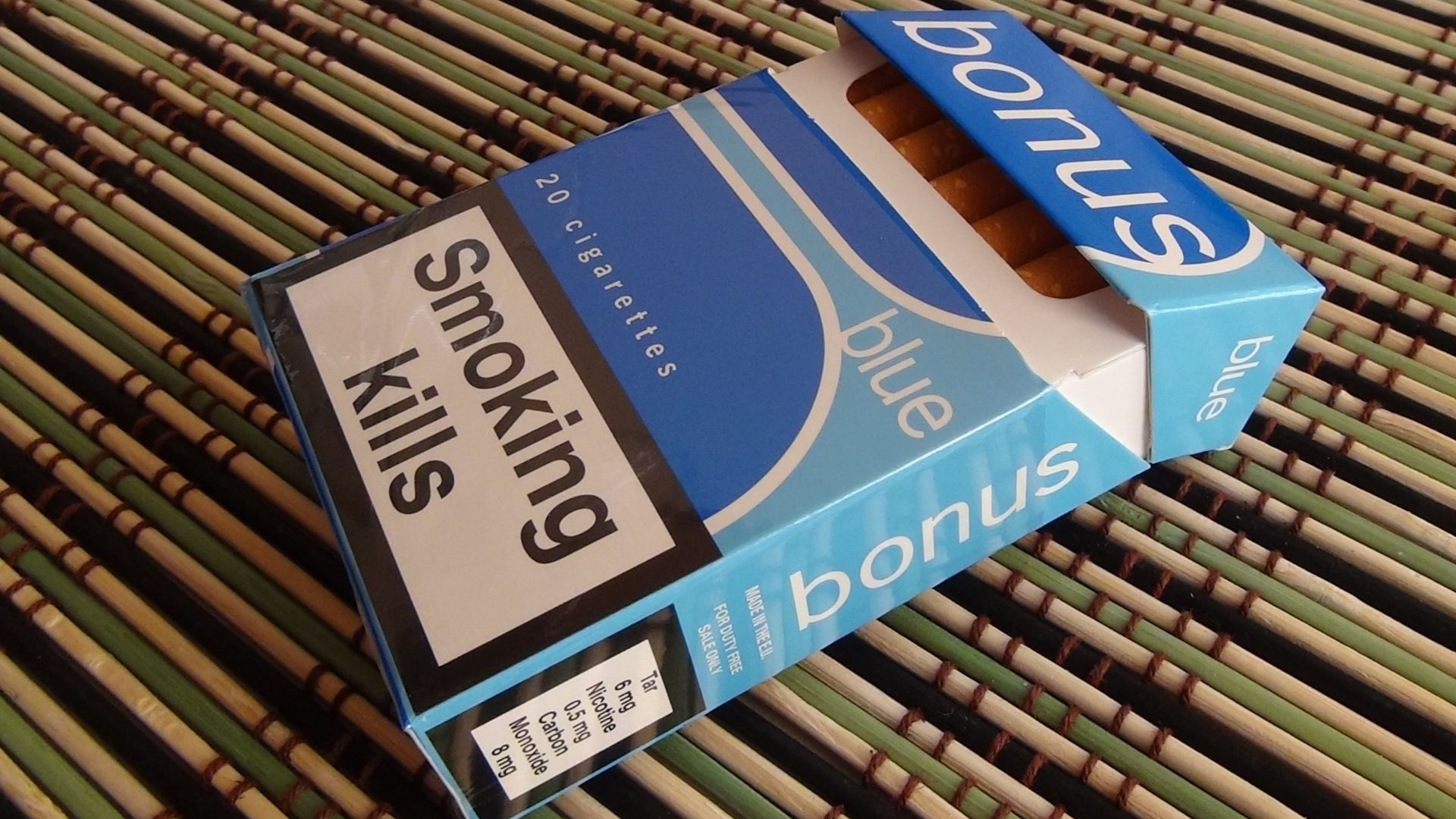
1. Widespread Indoor Smoking
Cigarette ads once promised better digestion and relaxation—wild claims that fueled smoking's glamorization before 1966 health warnings appeared on packs. By the 1960s, Americans consumed thousands of cigarettes per capita annually, filling public spaces with secondhand smoke that dramatically increased lung cancer.
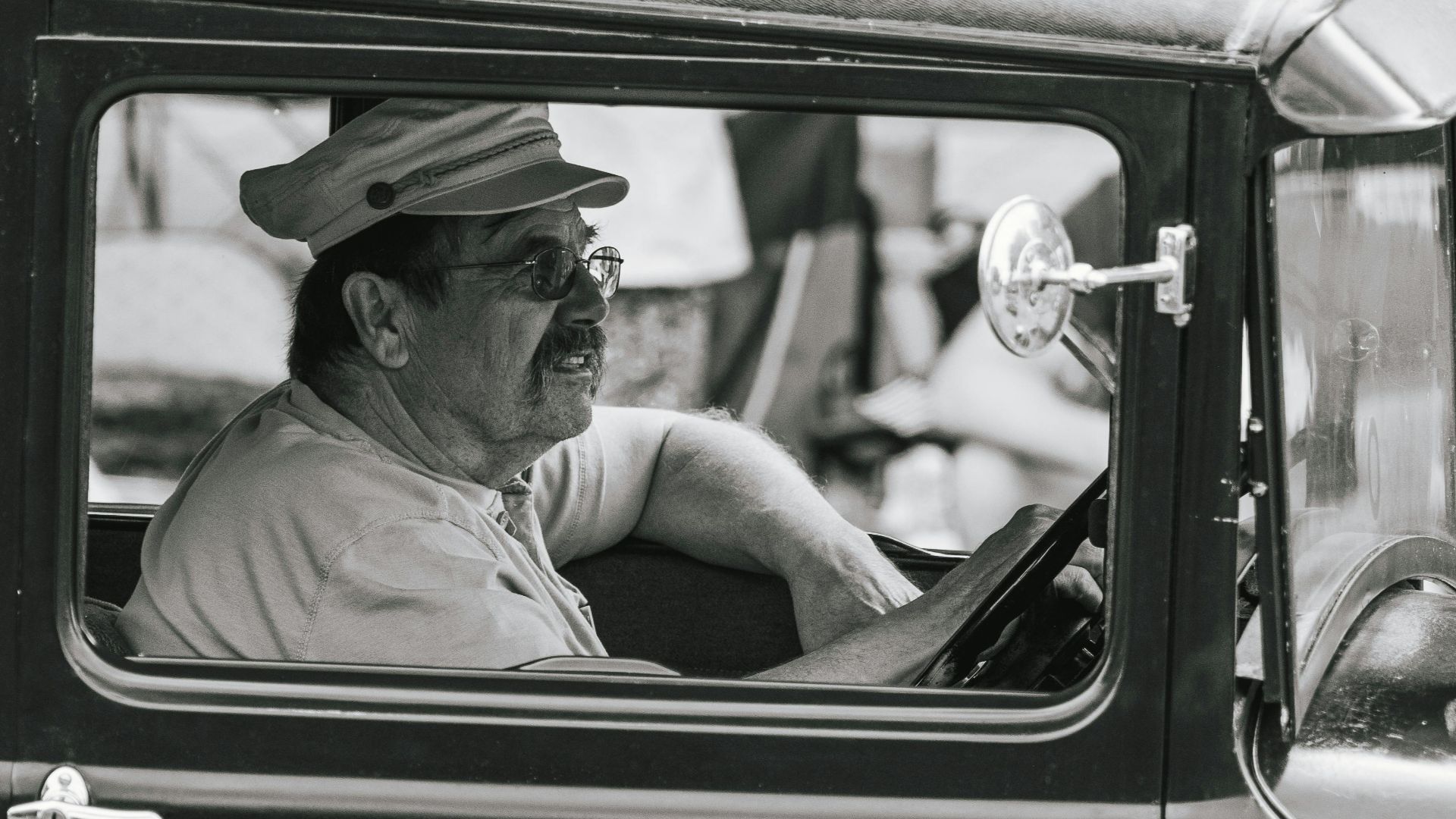
2. Lack Of Mandatory Seatbelts And Car Seats
Most 1960s vehicles lacked seatbelts entirely, treating them as optional add-ons that drivers dismissed as unnecessary. This mindset contributed to shockingly high accident fatalities. Without mandatory belts and car seats, preventable deaths mounted, especially since lap belts alone risked severe abdominal injuries.
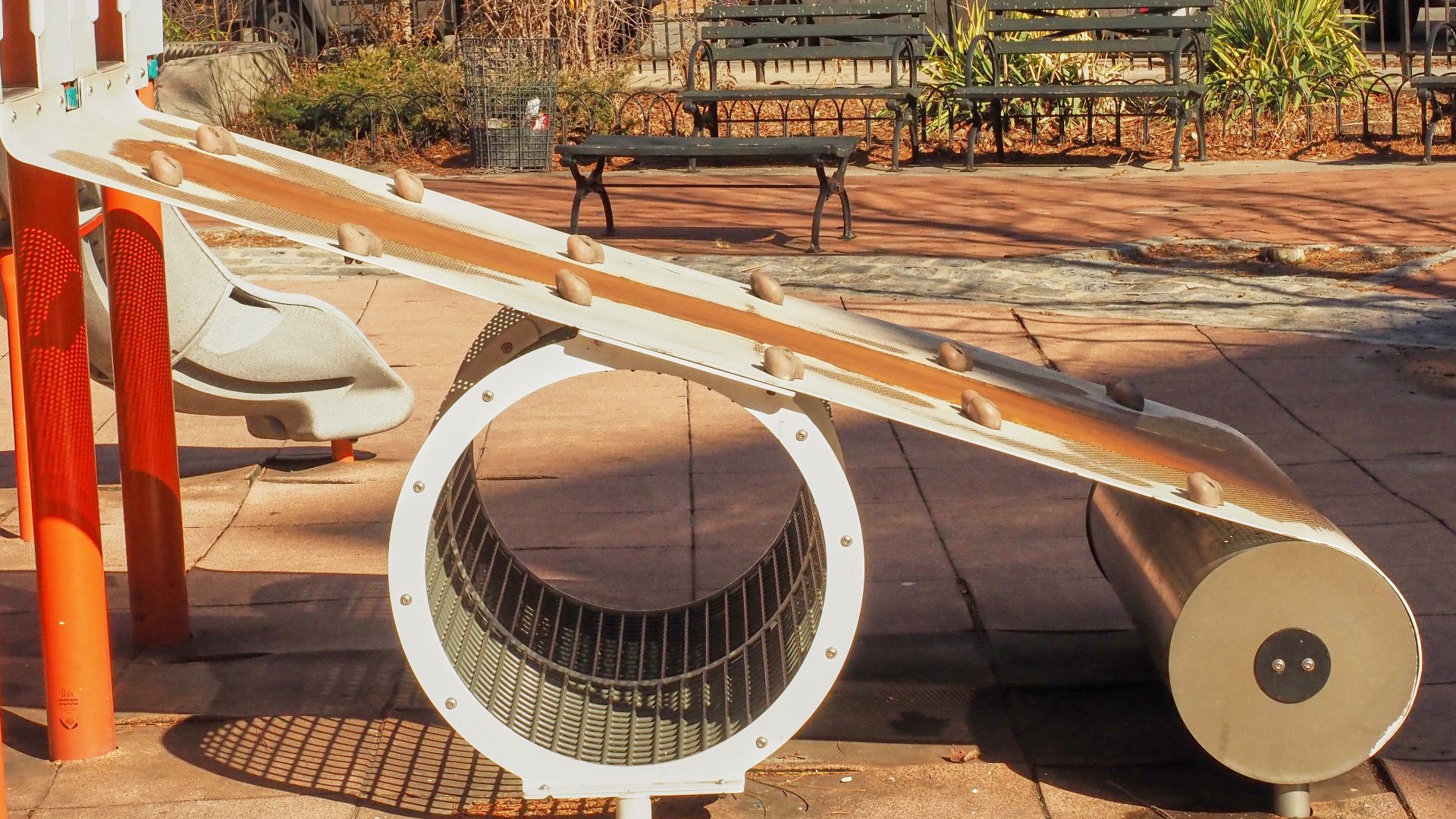
3. Metal Playground Equipment On Concrete Surfaces
Hard concrete surfaces amplified every fall from tall metal slides and merry-go-rounds, causing frequent fractures, concussions, and serious head injuries that sent kids to emergency rooms regularly. These vintage designs prioritized thrilling spins over safety, and poor maintenance exacerbated the dangers.
4. Lawn Darts (Jarts)
The physics were terrifying: lawn darts thrown during backyard games exerted up to 23,000 pounds per square inch—enough force to puncture human skulls upon impact. Despite being marketed as wholesome family fun, these heavy metal-tipped projectiles caused multiple injuries.

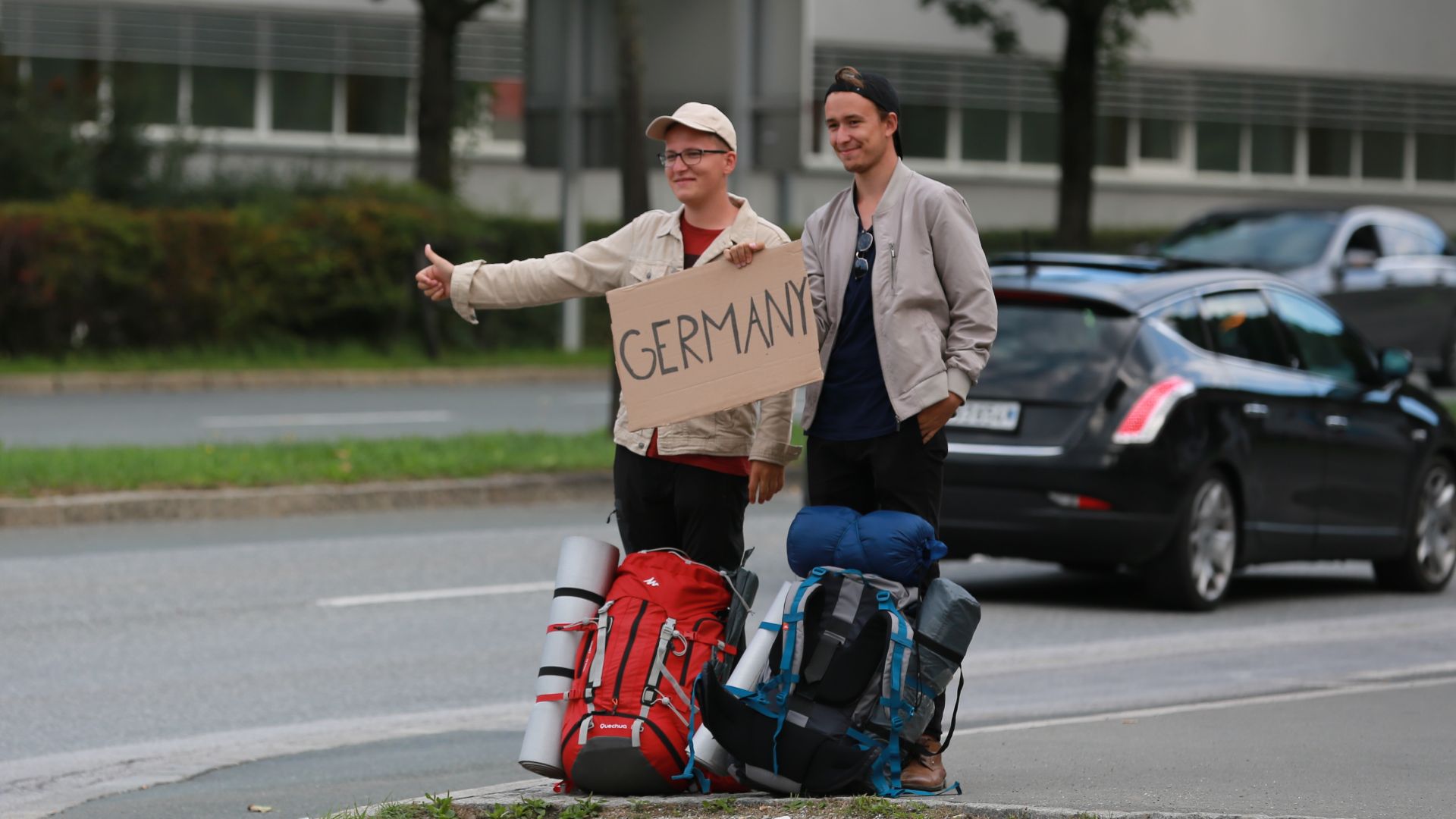
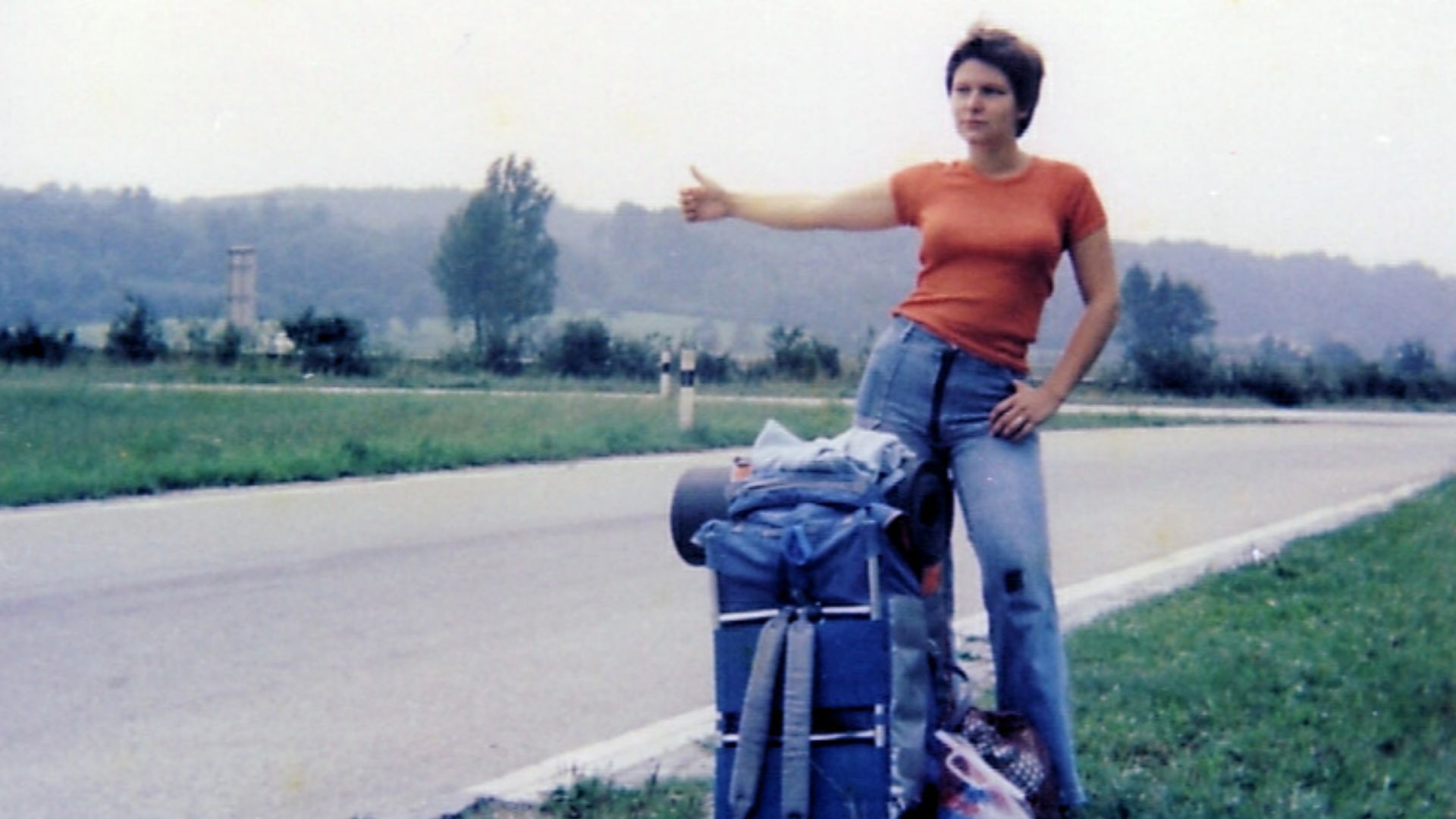
5. Routine Hitchhiking
Once a counterculture staple symbolizing freedom and adventure, hitchhiking turned into a cautionary tale by the 1970s as well-publicized crimes shifted public perception dramatically. Media coverage of murders and abductions increased fear. Films began portraying hitchhikers as dangerous.
6. Corporal Punishment In Schools
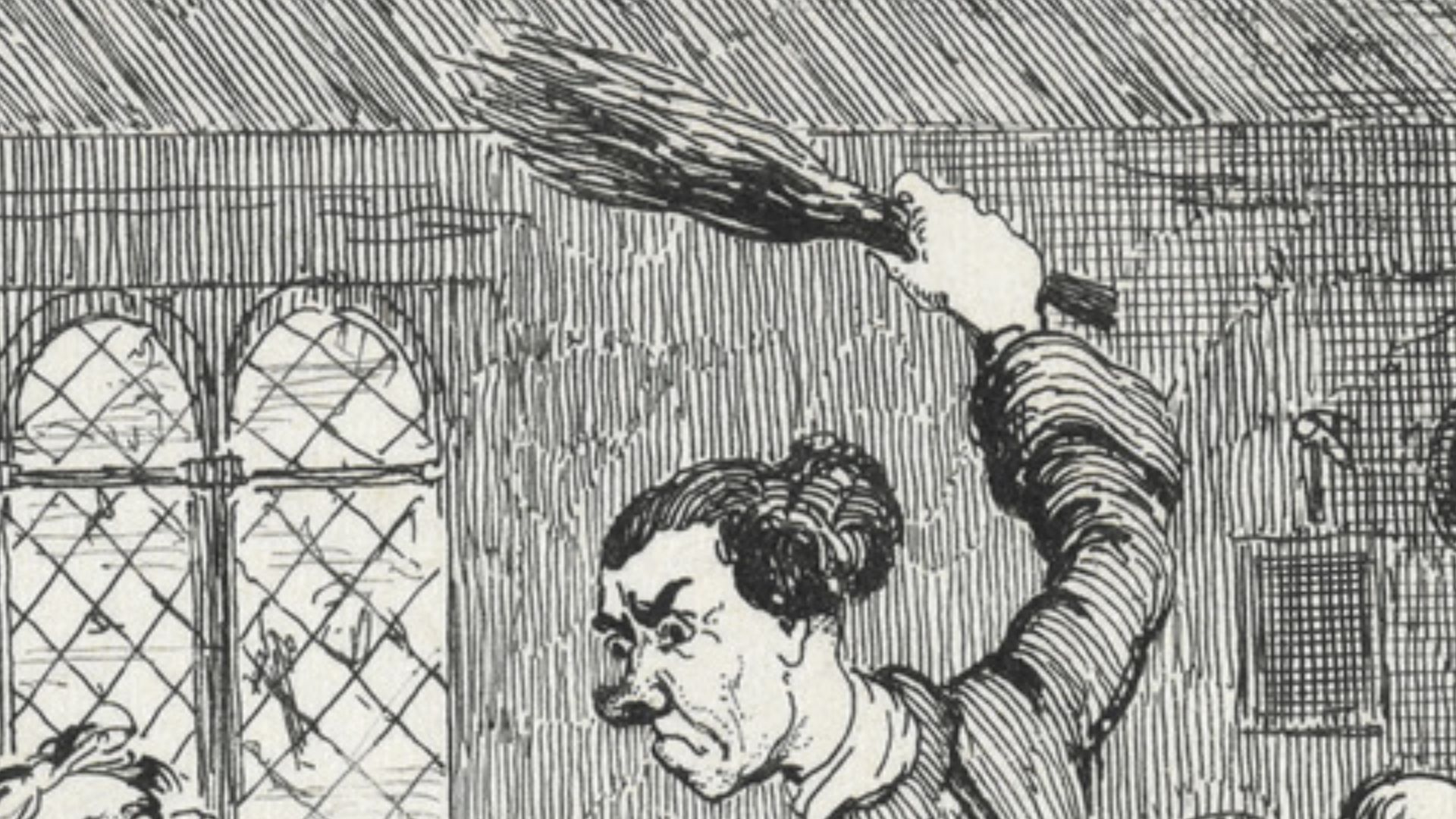
Paddles were common classroom tools in the 1960s, treated as routine "rites of passage" that occasionally traumatized students in unpredictable ways depending on teachers' moods. It was later revealed that corporal punishment is linked to increased aggression, anxiety, depression, and damaged self-concept.
 George Cruikshank on Wikimedia
7. Tolerance For Drinking And Driving
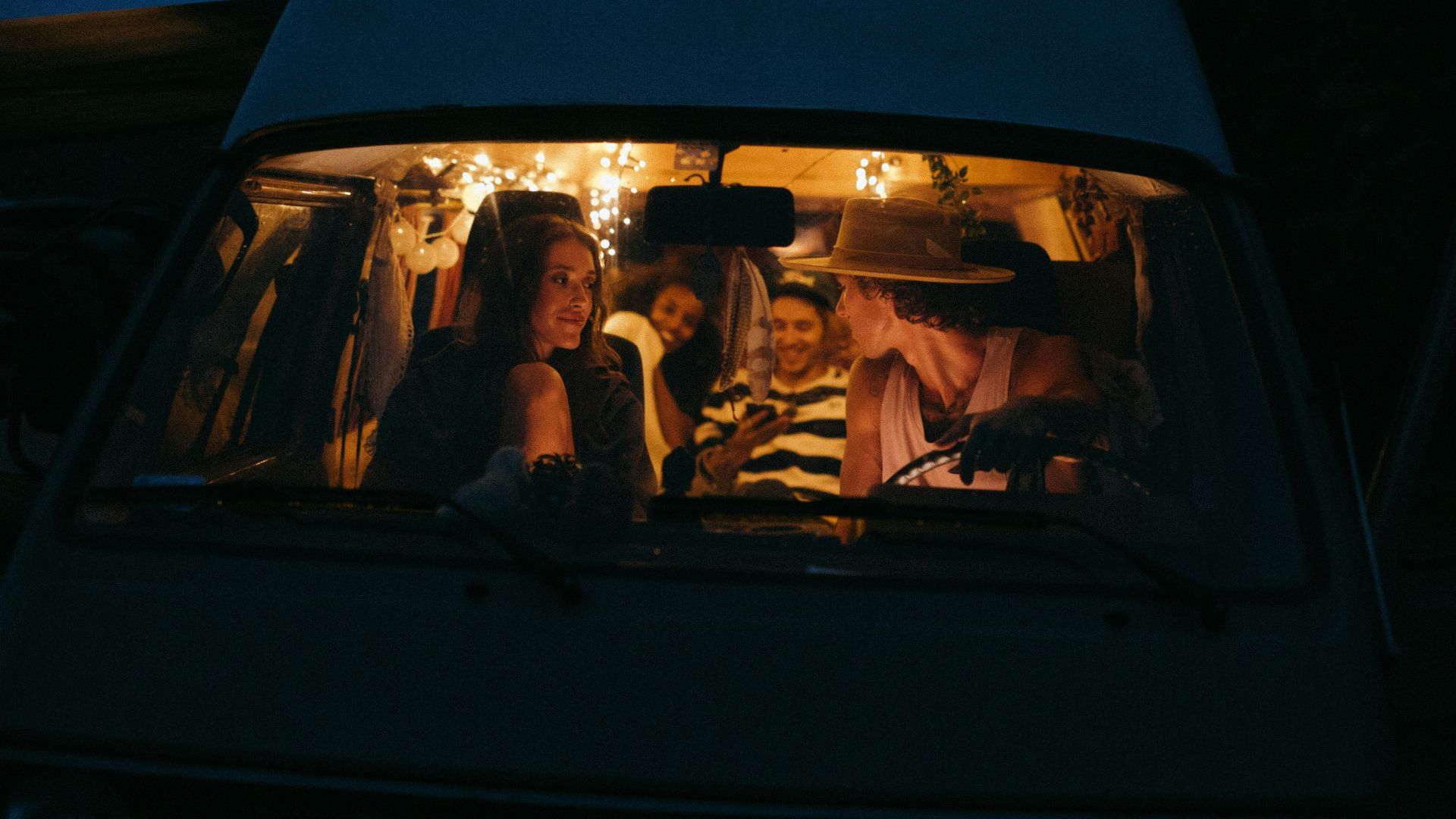
Back when blood alcohol limits reached .15 in some states, driving after drinks was socially acceptable—a casual norm that contributed to over 25,000 annual DUI fatalities across America. The UK saw road deaths peak in 1966 before drinking laws took effect.
8. Casual Use Of Asbestos In Home Products
Marketed as a "miracle material" for fireproofing, asbestos lurked in 1960s tiles, insulation, and everyday items. Millions of homeowners unknowingly inhaled asbestos fibers during renovations and everyday use, with risks rising in proportion to exposure levels over time.
 Billbeee at English Wikipedia on Wikimedia
9. Lead-Based Paints For Interiors
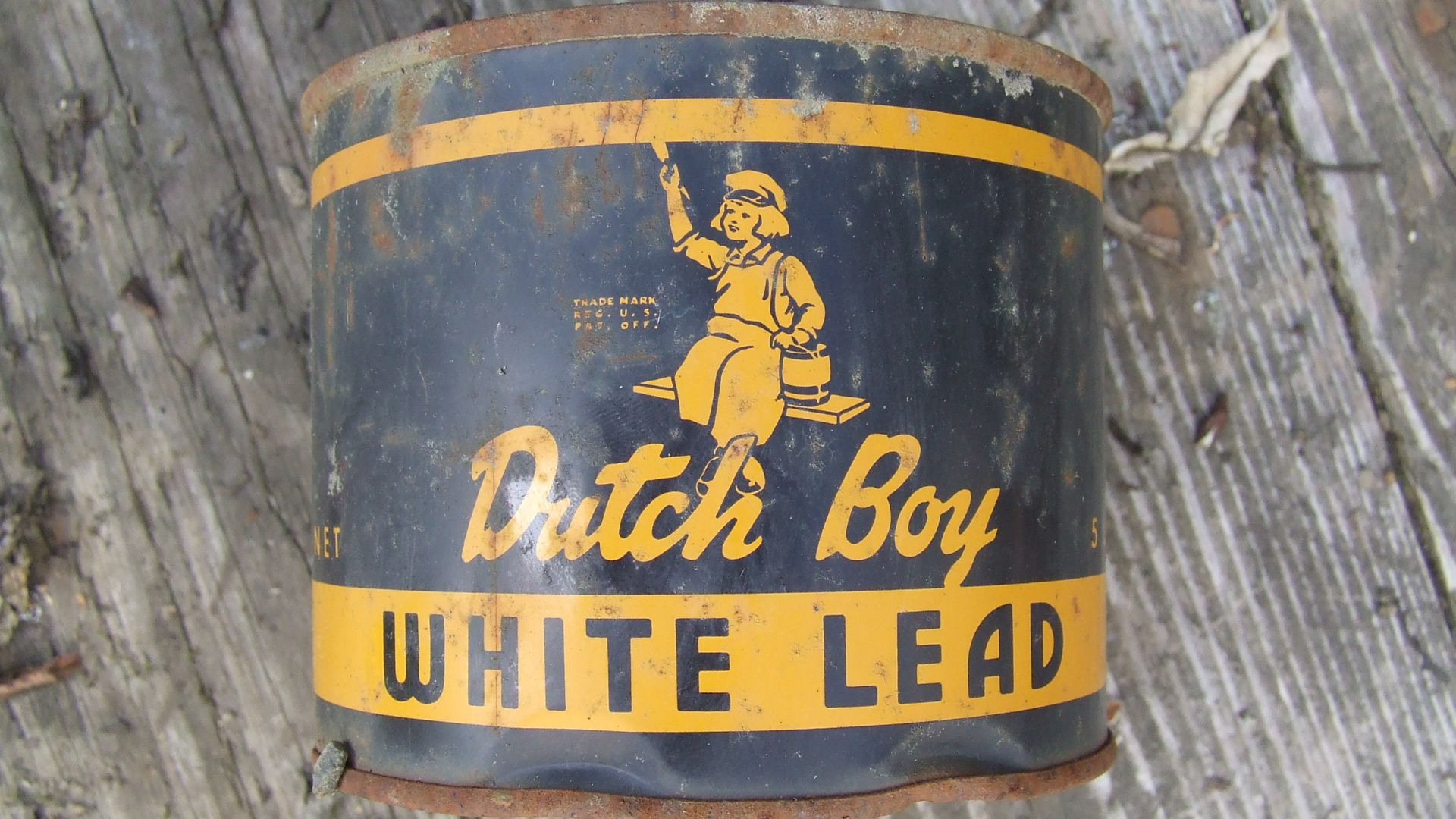
Bright lead paints colored 1960s homes and toys with appealing hues, but the dust they created posed severe occupational hazards for painters and developmental threats for children. Used liberally on interior walls and furniture, these paints caused poisoning that led to developmental delays.
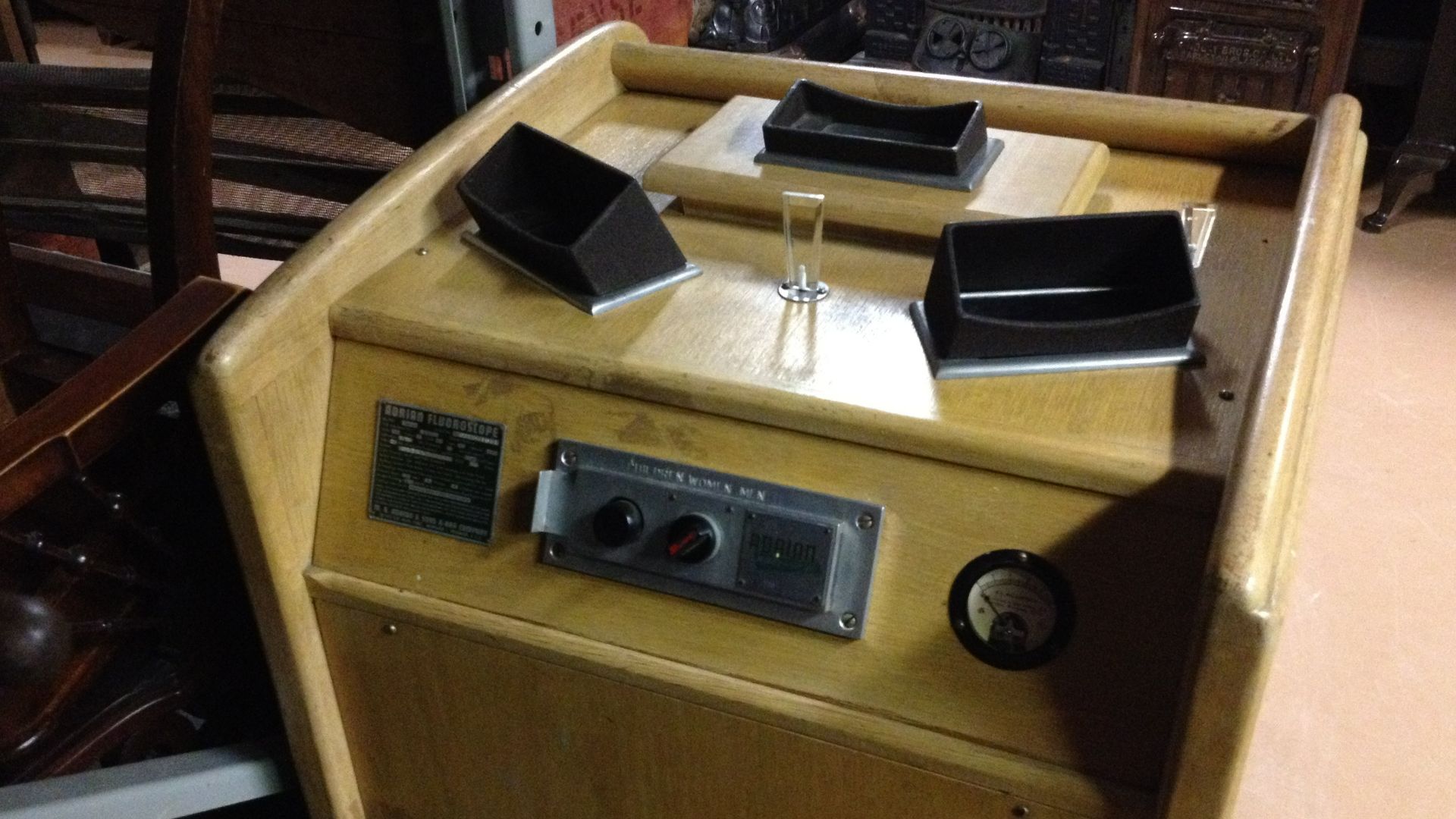
10. Shoe-Fitting Fluoroscopes (X-Ray Machines)
These machines exposed feet to unshielded scatter radiation, causing burns and increased cancer risks that became evident as X-ray dangers grew better understood throughout the decade. Some shoe models experienced severe injuries, including leg amputations, linked to repeated exposure.
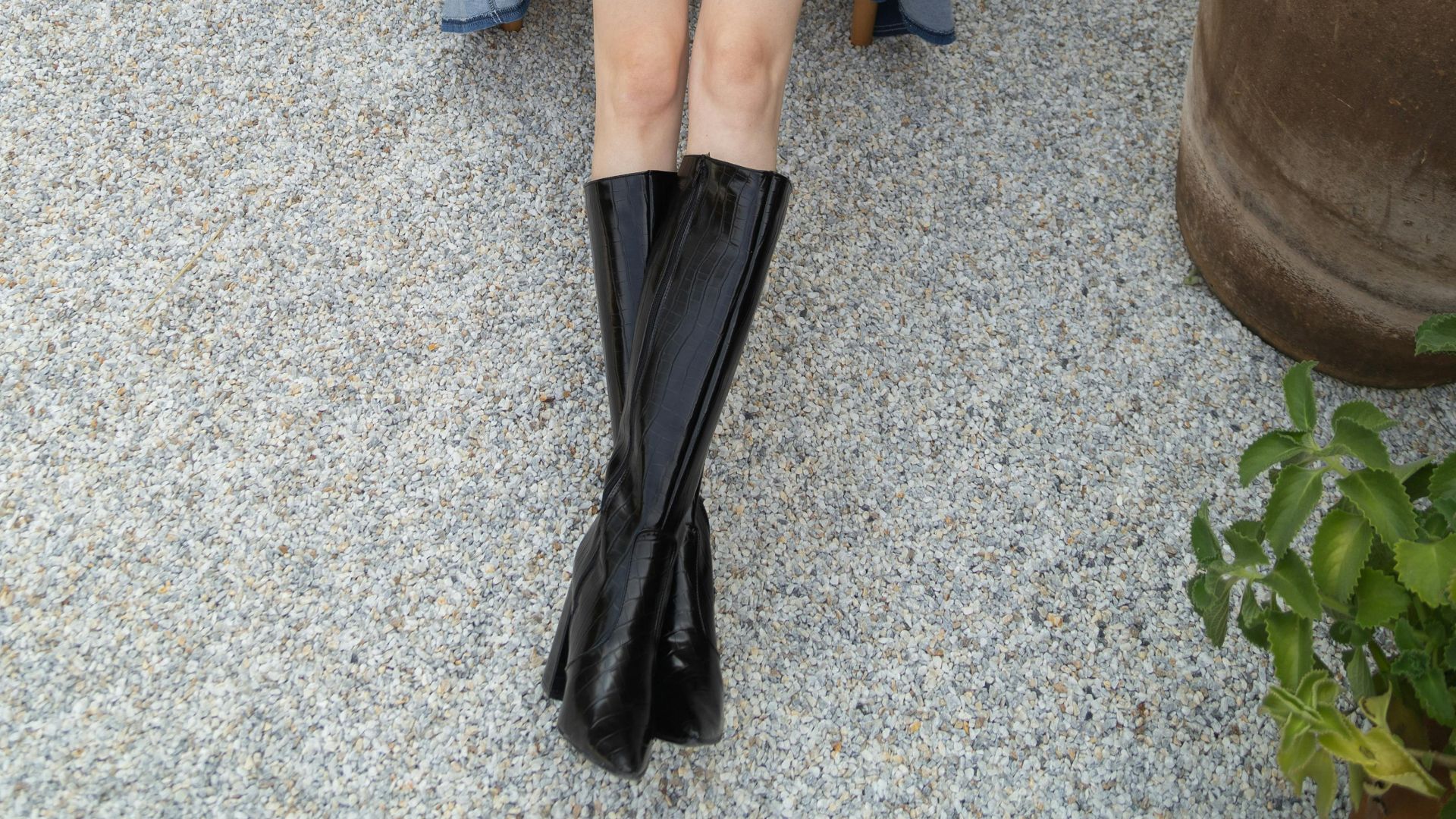
1. Go-Go Boots
André Courrèges introduced white, mid-calf go-go boots in 1964 as liberation symbols that paired perfectly with mini dresses for dance-ready mod fashion looks. Nightclub dancers and icons made them groovy emblems of youthful energy, often complementing mini-skirts, another revolutionary 1960s trend.
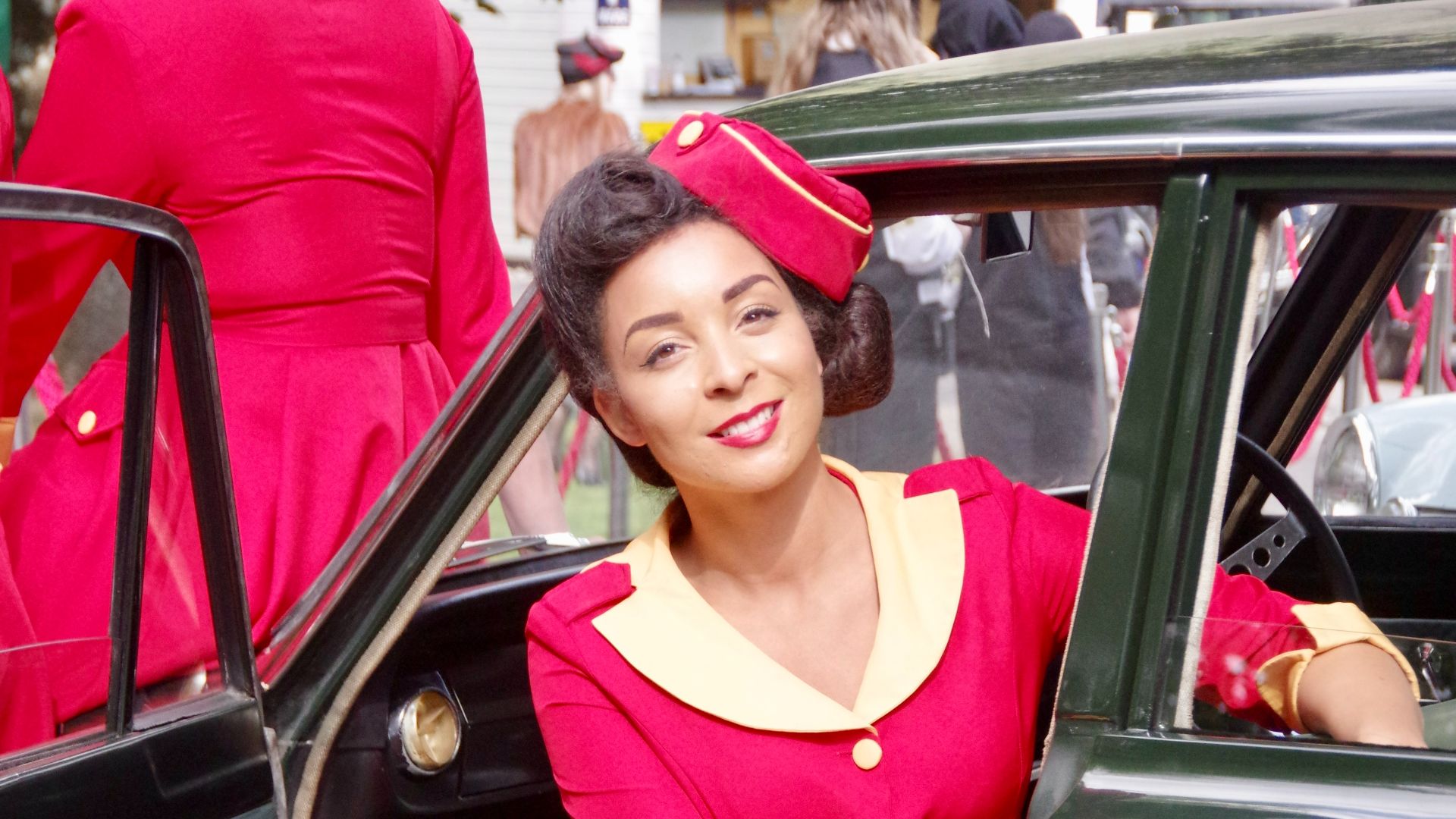
2. Pillbox Hats
Named after vintage pill boxes, these structured, brimless hats dominated 1960s fashion as elegant accessories mirroring sophisticated glamour and polished femininity. Jackie Kennedy popularized them in the early decades. Their timeless charm taps into nostalgic appeal, which is superb for photoshoots.
 David Merrett from Daventry, England on Wikimedia
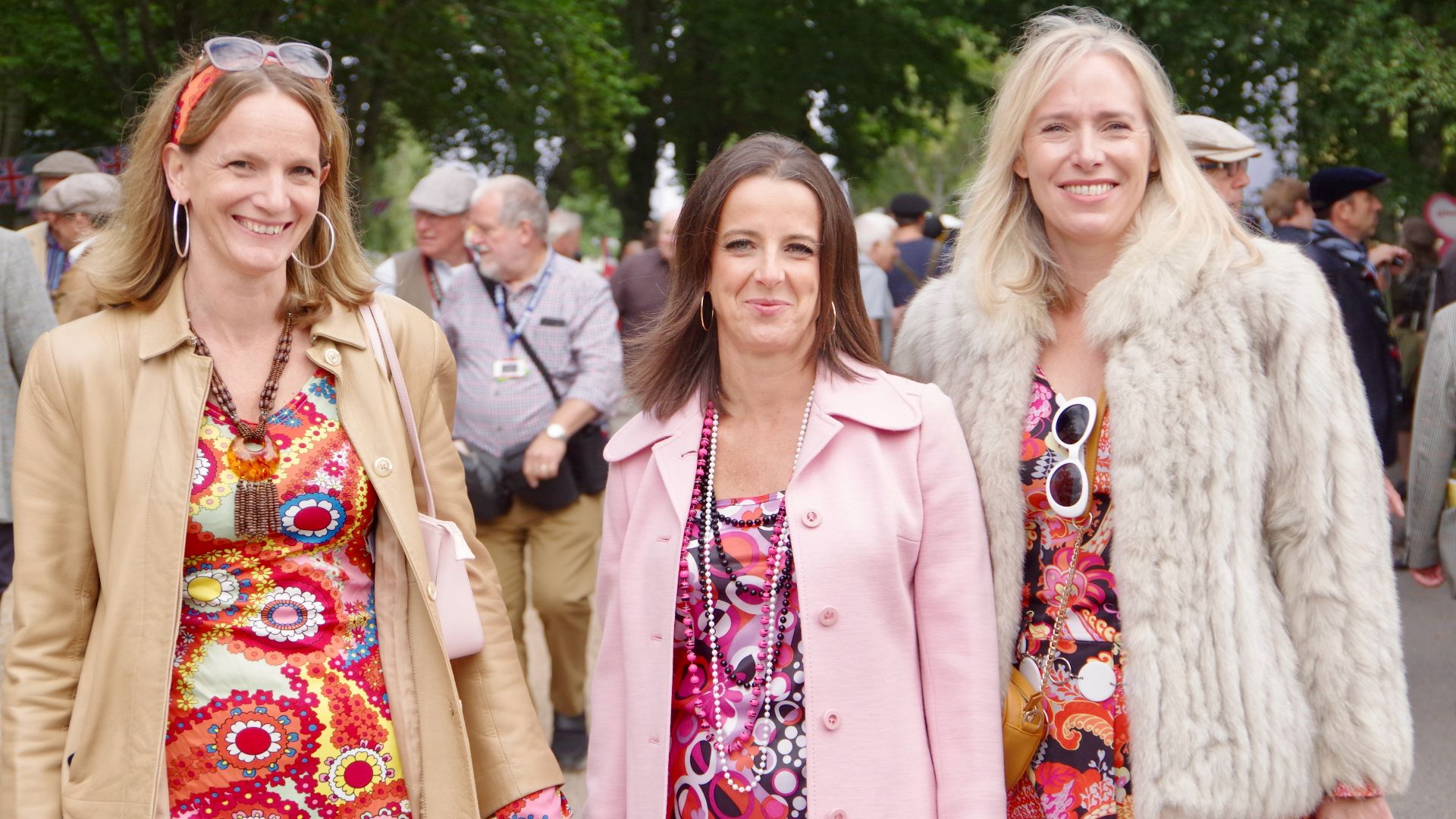
3. Psychedelic Prints
Swirling, colorful prints on 1960s clothing captured creative freedom and counterculture spirit, directly inspired by mind-expanding aesthetics. This visual revolution challenged conventional aesthetics, creating patterns that still inspire modern concert posters and festival fashion today.
 David Merrett from Daventry, England on Wikimedia
4. Bell-Bottom Trousers
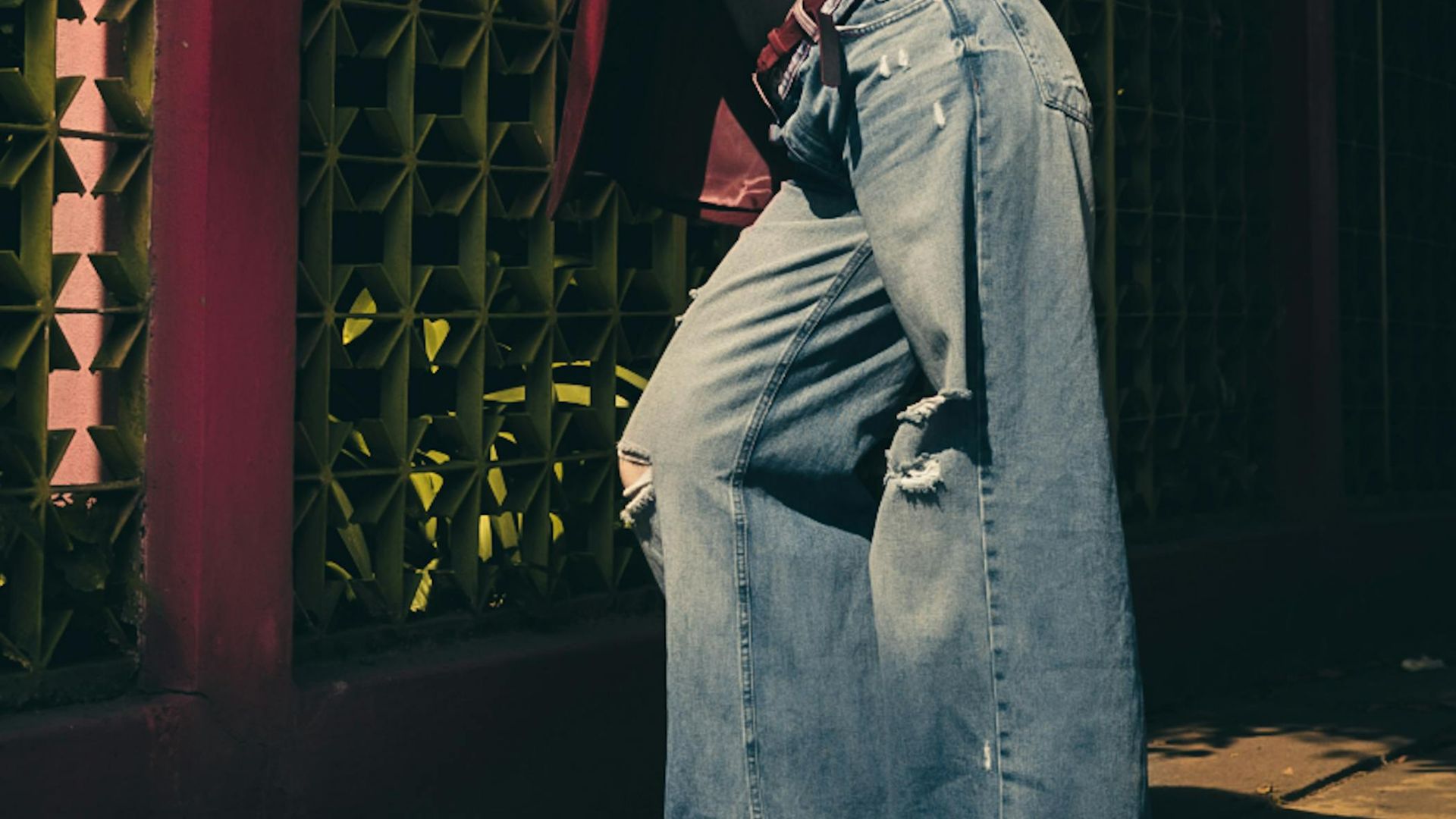
Eric Clapton sang about bell-bottoms in the 1960s, elevating them from fleeting fad to enduring trend within hippie fashion culture. Flared dramatically from the knee in denim or velvet, these trousers represented movement, freedom and hippie flair that contrasted sharply with conservative tailoring.
5. Analog Photography
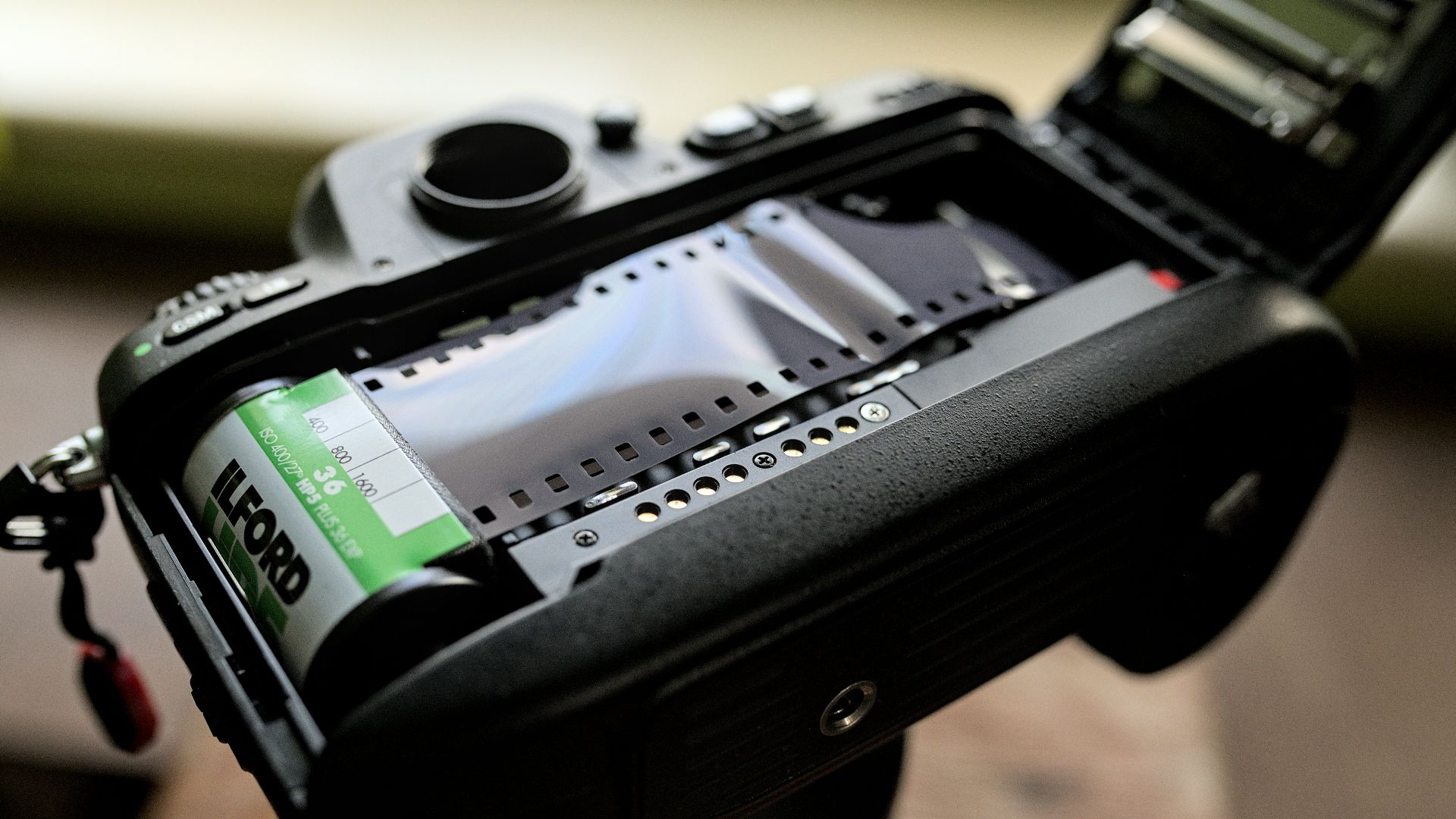
Analog photography forced patience and intention. Every shot cost money, so you actually thought before pressing the shutter. You waited days to see results, accepted imperfections, and treasured physical prints. The process made photos feel personal and meaningful.
 Jakub T. Jankiewicz on Wikimedia
6. Band Posters As Wall Art
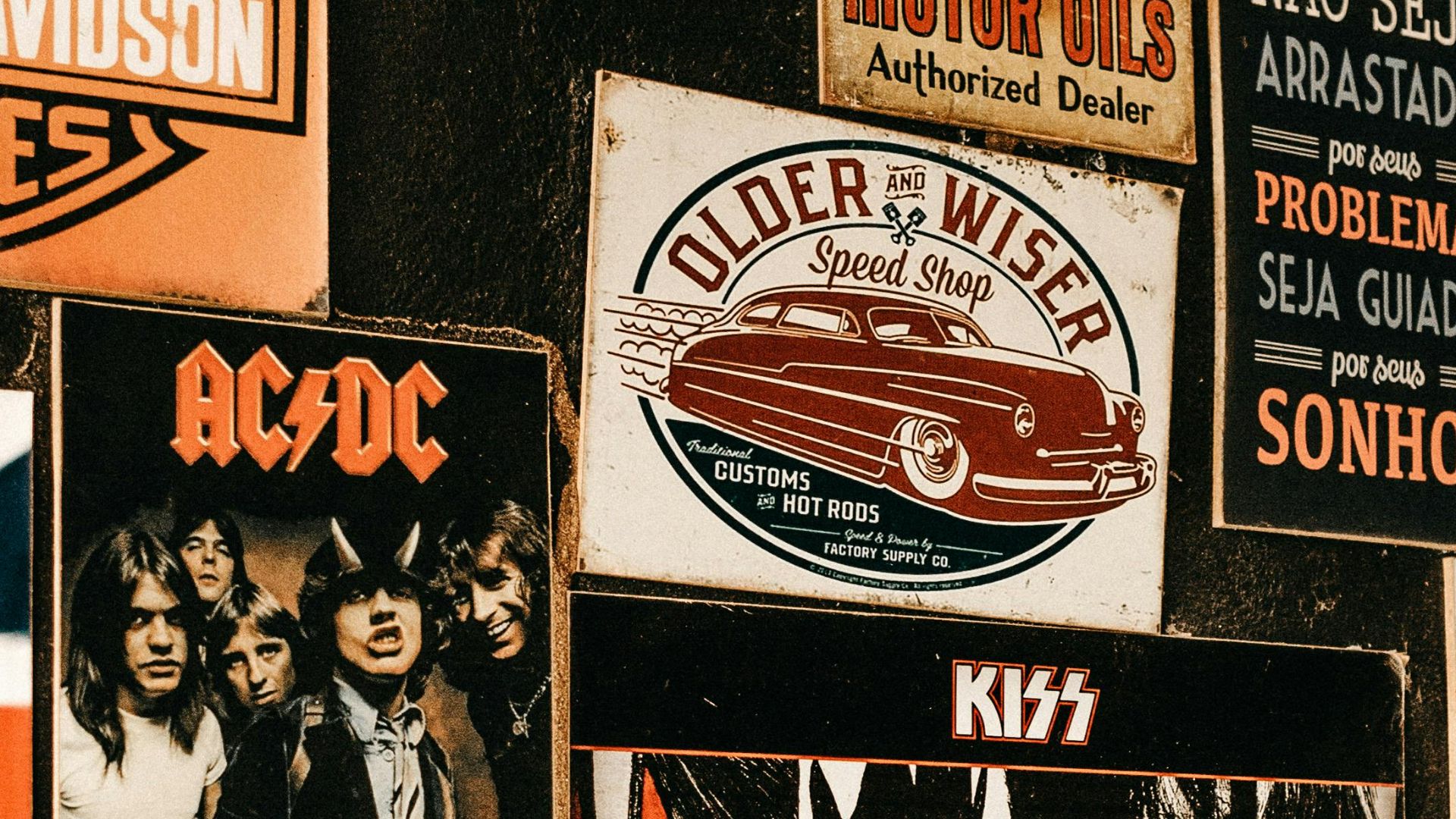
Bedrooms in the ’60s doubled as shrines to musical obsession, with band posters covering every inch of wall space. They weren’t just decorations, they were identity statements. A single poster could signal taste, rebellion, and loyalty long before playlists and profile bios existed.
7. PVC Fashion
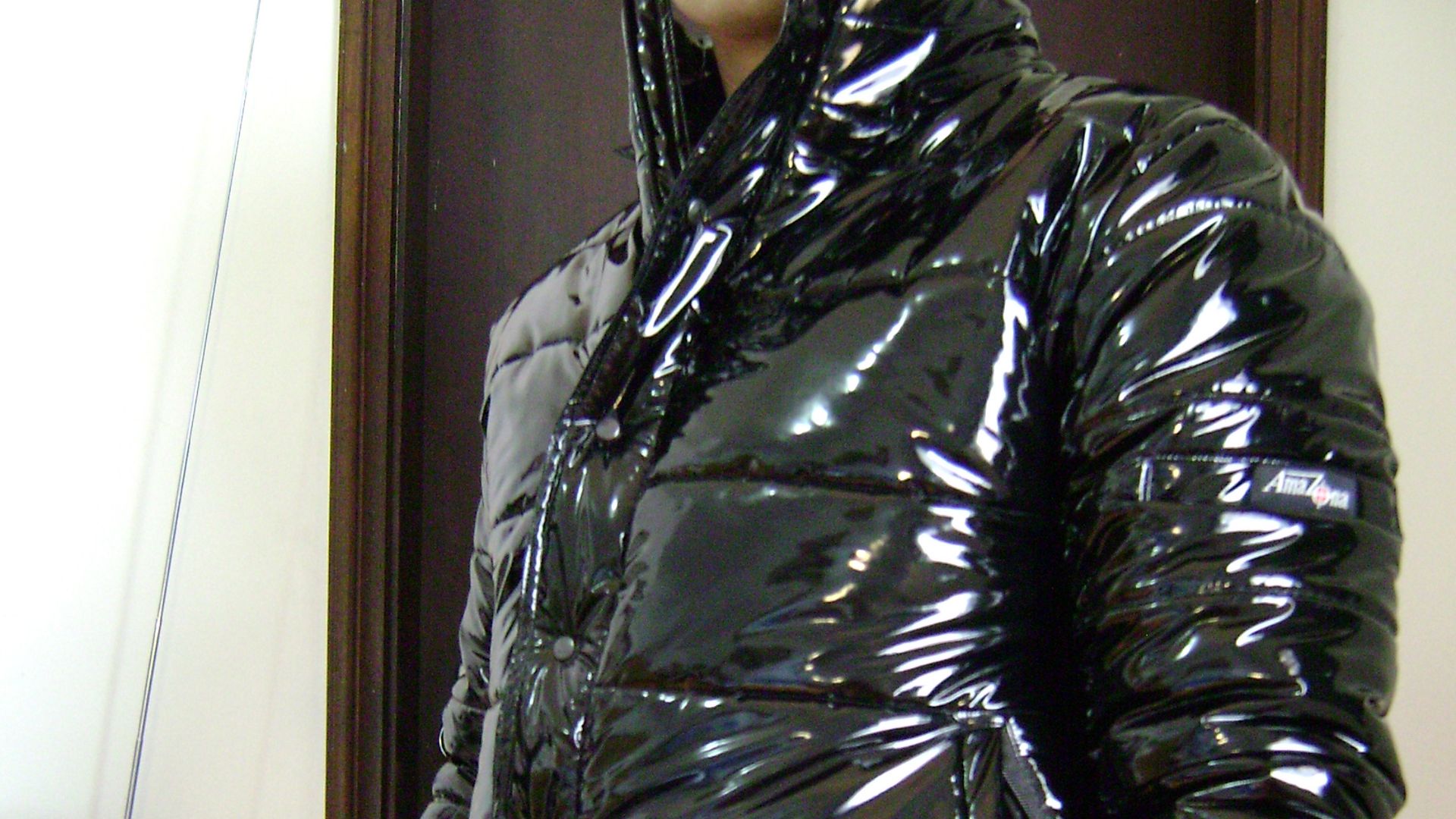
Shiny material was blended with mini-skirts for daring, innovative styles that defined space-age optimism. Used in bold-colored raincoats and skirts, this futuristic fabric created glossy looks celebrated as a wondrous material alongside polyester innovations. PVC dresses made outfits fun and experimental.
8. Bold Geometric Patterns
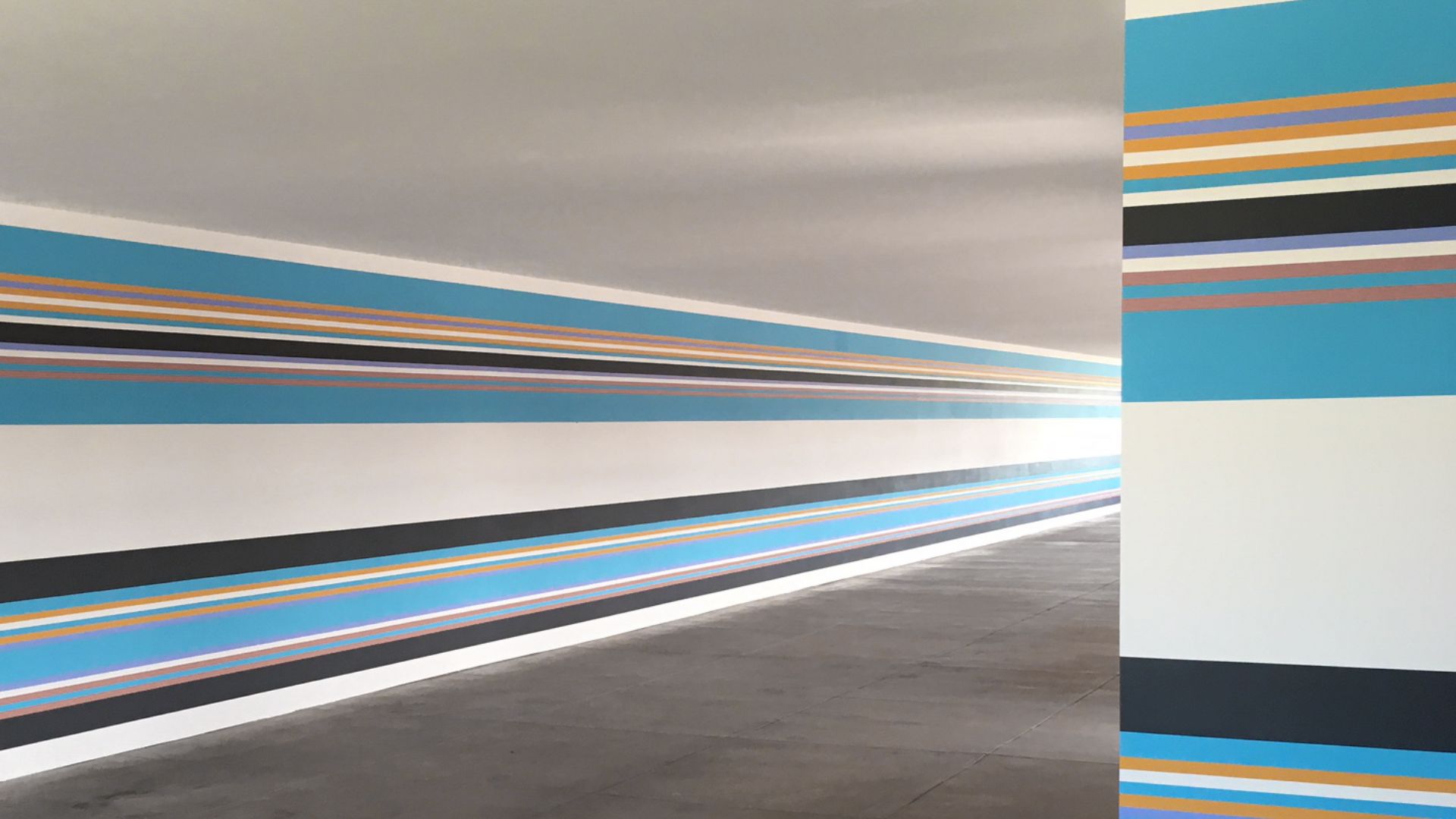
Artists like Bridget Riley created mesmerizing tricks with lines and contrasts, grounding the op-art movement in geometric precision that shaped perception through rhythmic repetition. Revival in contemporary designs offers engaging fun through perception-altering effects.
9. Shift Dresses
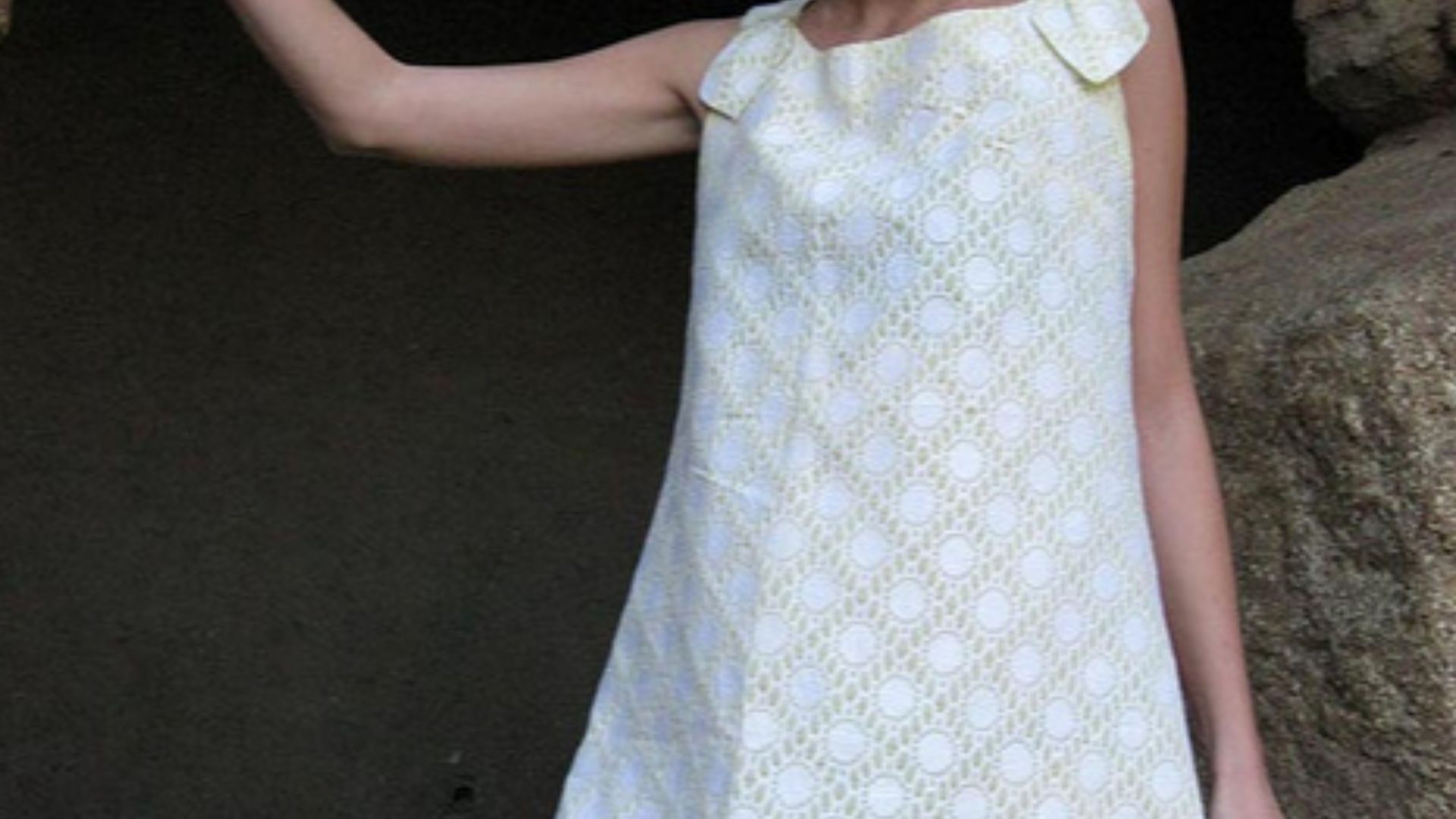
Often shortened or layered for fresh, liberating feels, these dresses encapsulated the decade's fashion revolution toward simpler, empowering silhouettes. They were adorned with vibrant prints and blended a vintage aura with contemporary comfort as 2025 trends highlighted their stylish comeback.
10. Live TV Event Nights
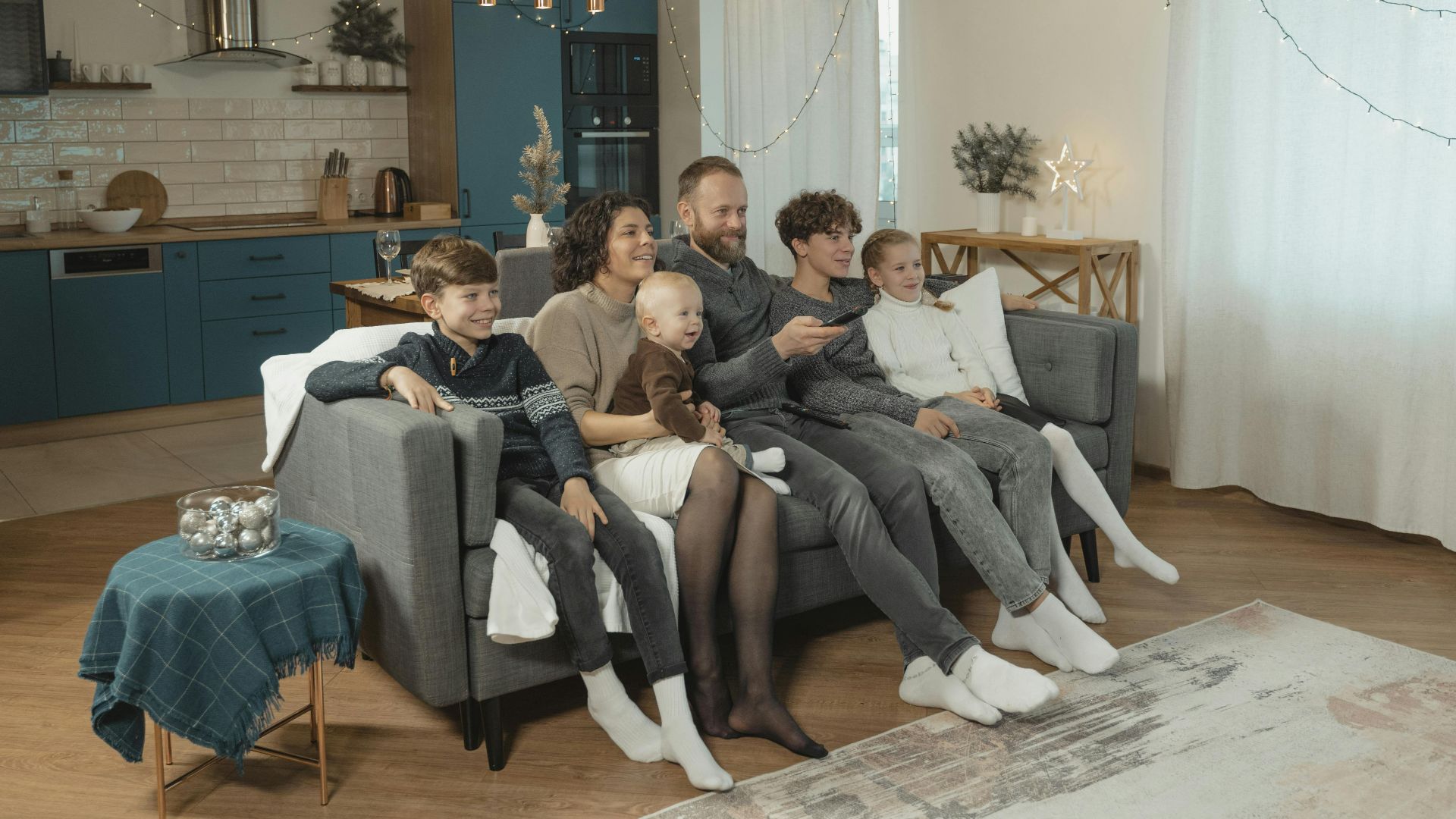
Before streaming and on-demand ruined the suspense, live TV event nights brought everyone together at the exact same time. Families planned evenings around broadcast schedules, offices buzzed the next day with reactions, and missing an episode meant waiting weeks or never seeing it again.