What Killed Some Stores and Spared Others
Every generation has its own graveyard of retail chains, the ones that used to anchor a mall or a strip center and then vanished almost overnight. Some fell fast, undone by one bad decision or a market shift nobody saw coming. Others should have died the same death and somehow didn't, adapting just enough to stick around while their competitors closed up shop. Here's a look at 10 retail chains that are no longer around and 10 that are still hanging on.
 RegionalQueenslander on Wikimedia
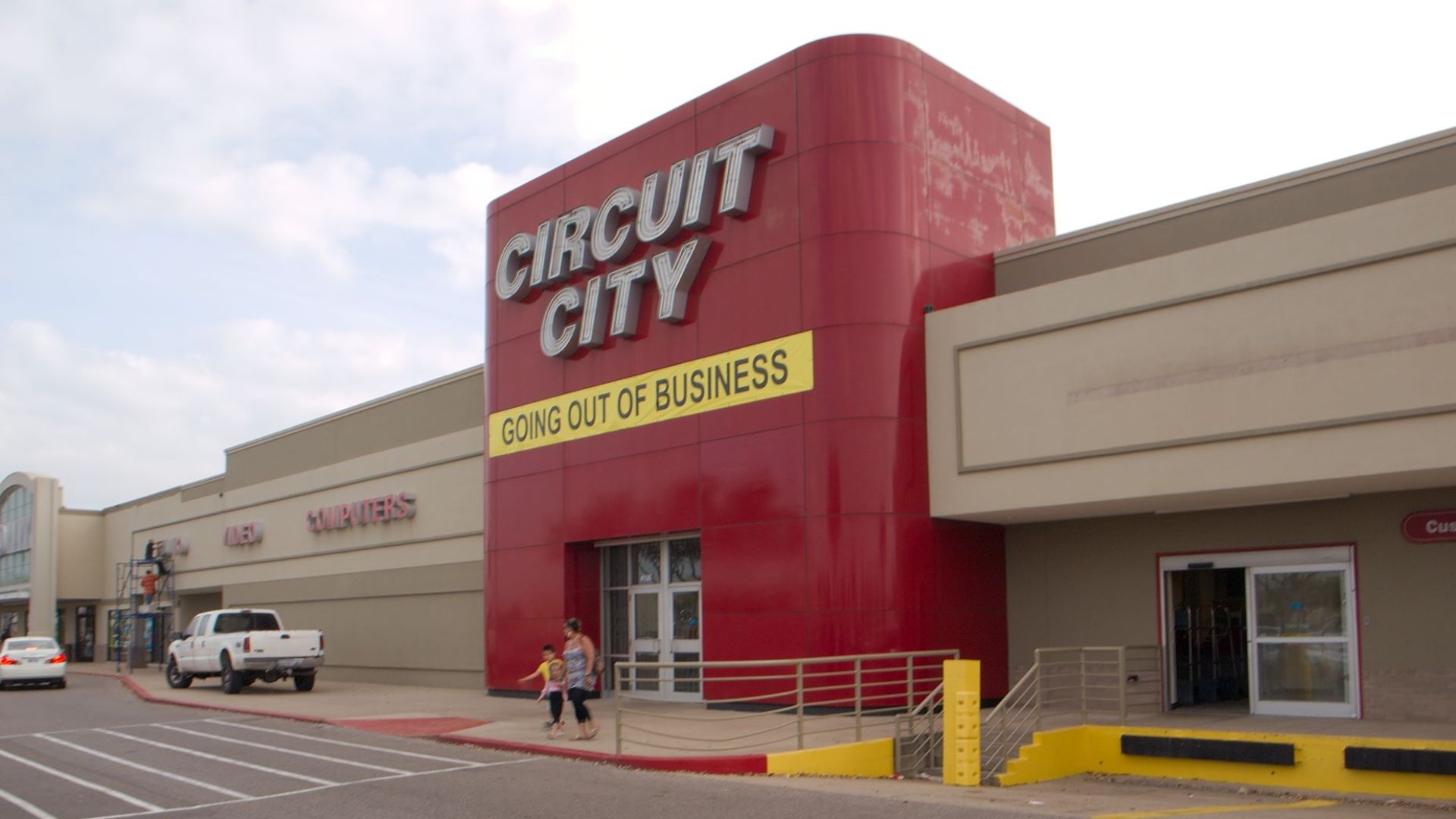
1. Circuit City
Circuit City spent decades as the second-biggest electronics retailer in the country, right behind Best Buy, and then made a decision that still gets studied in business classes. The company laid off thousands of its highest-paid, most experienced sales staff in 2007 to cut costs, replacing them with cheaper, less knowledgeable hires. Customers noticed the difference fast, and the chain filed for bankruptcy within two years.
 Terry Ross from Corpus Christi, Texas, United States on Wikimedia
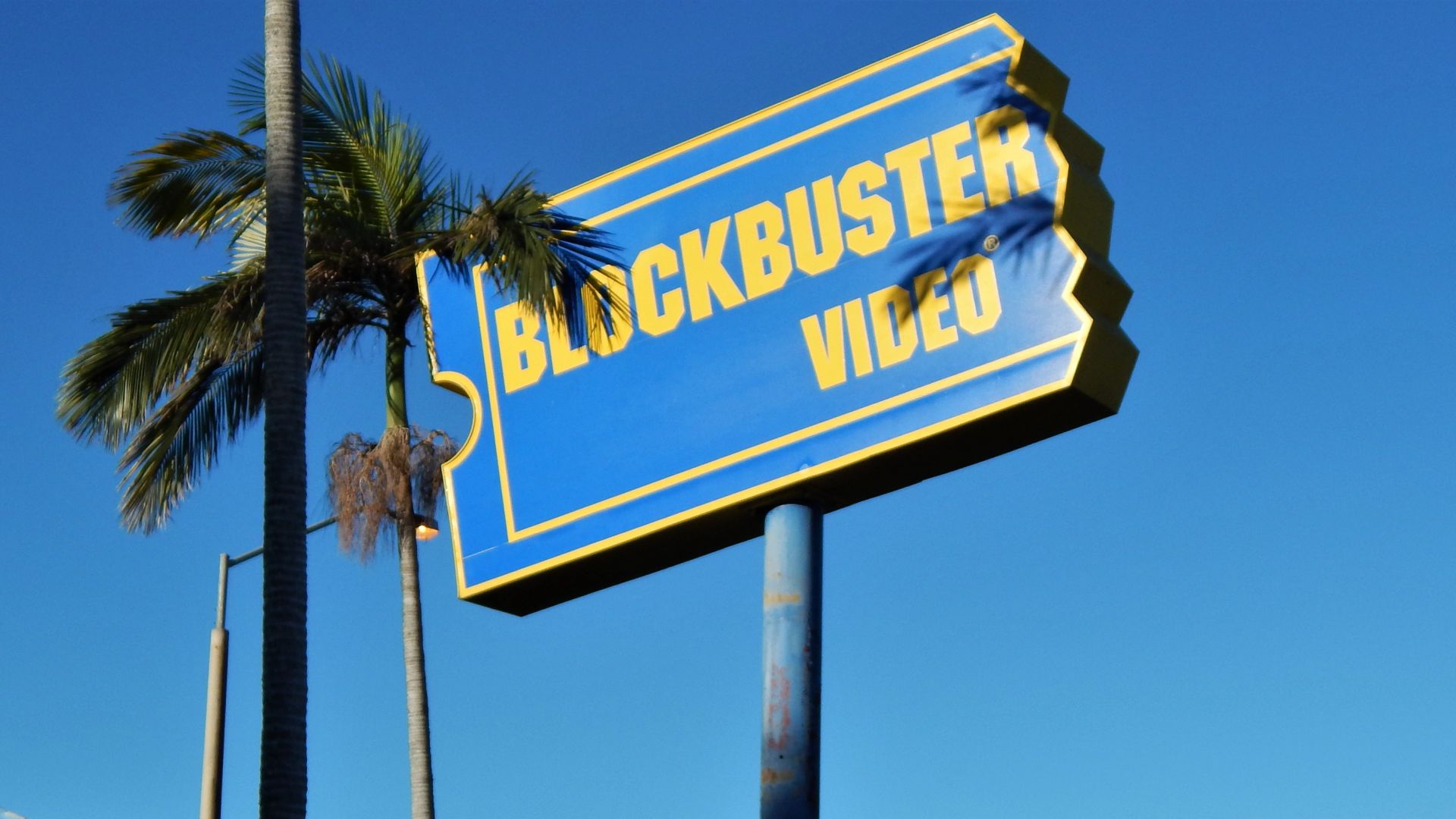
2. Blockbuster
Blockbuster had the chance to buy Netflix outright in the early 2000s and passed, a decision that gets brought up constantly for a reason. Late fees kept the business profitable for years even as streaming crept in, and by the time the company took DVD-by-mail seriously, the market had already moved past it. The last corporate-owned store closed in 2014, and the single Oregon location still standing now runs as a novelty more than a business.
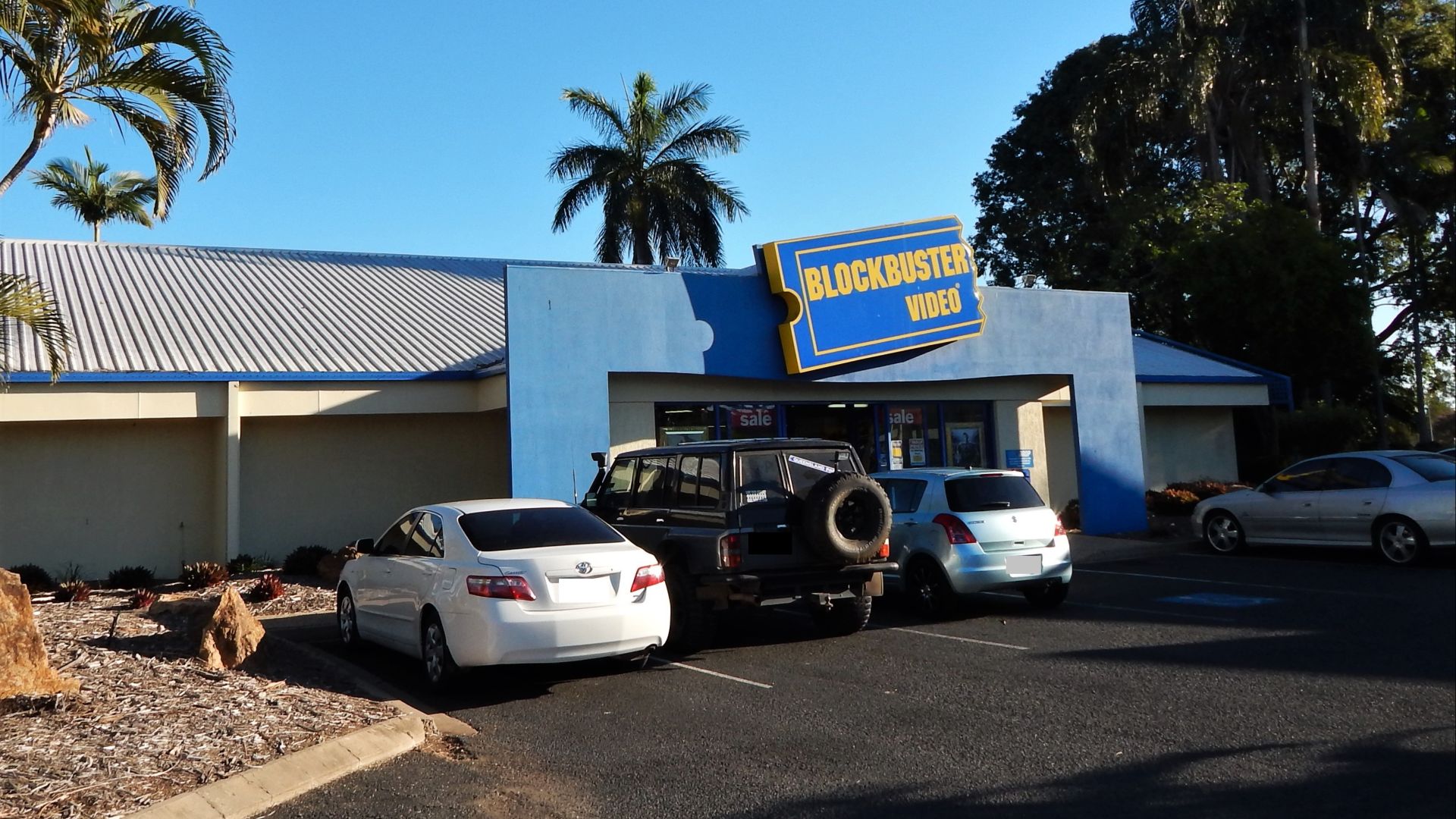 RegionalQueenslander on Wikimedia
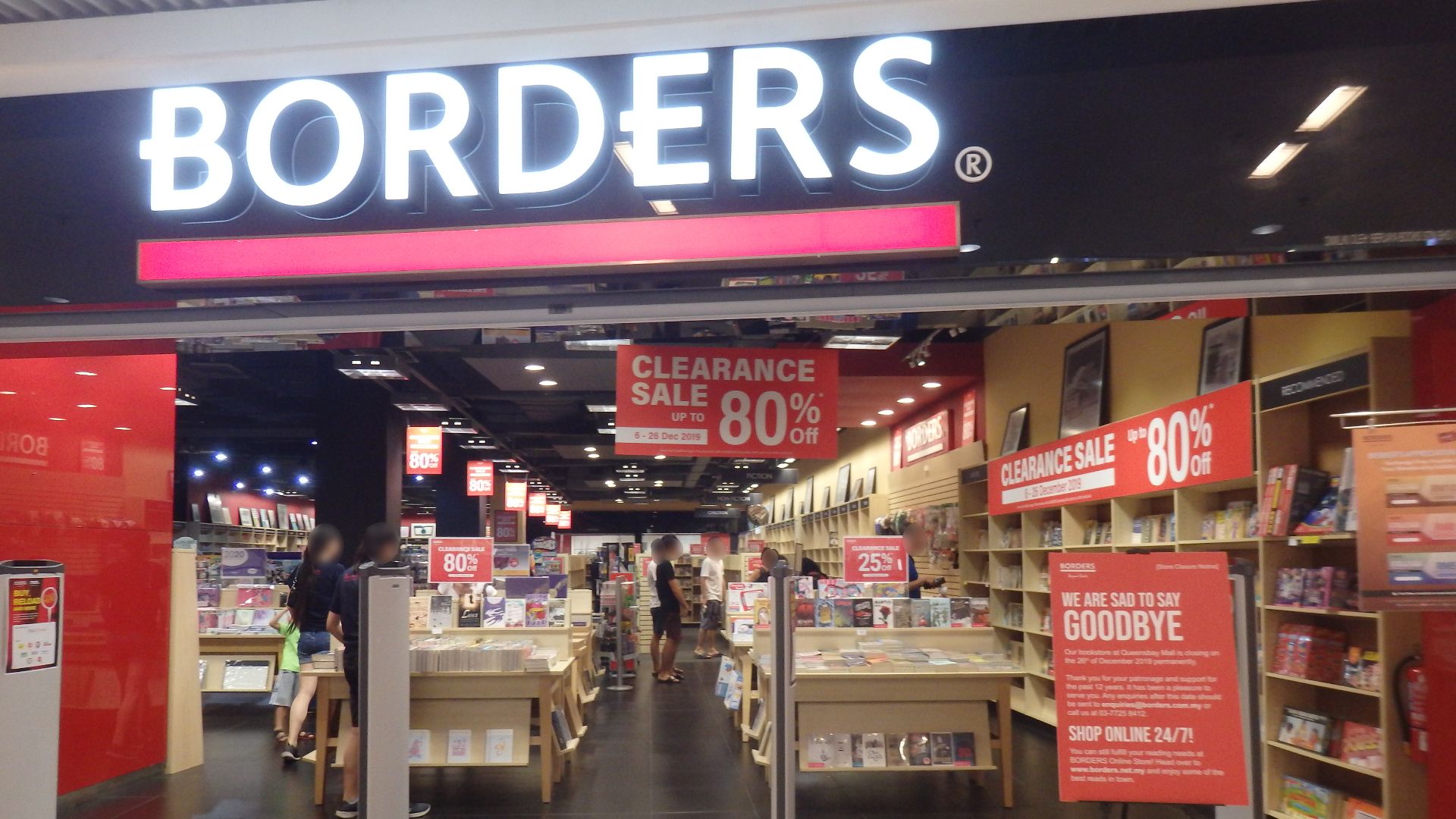
3. Borders
Borders built beautiful stores with cafes and deep, browsable inventory, and it's still one of the more mourned closures on this list. The company outsourced its online sales to Amazon for years, handing over the exact customer relationships it needed to survive the shift to e-commerce. By the time it tried building its own website, Amazon had already become the default.
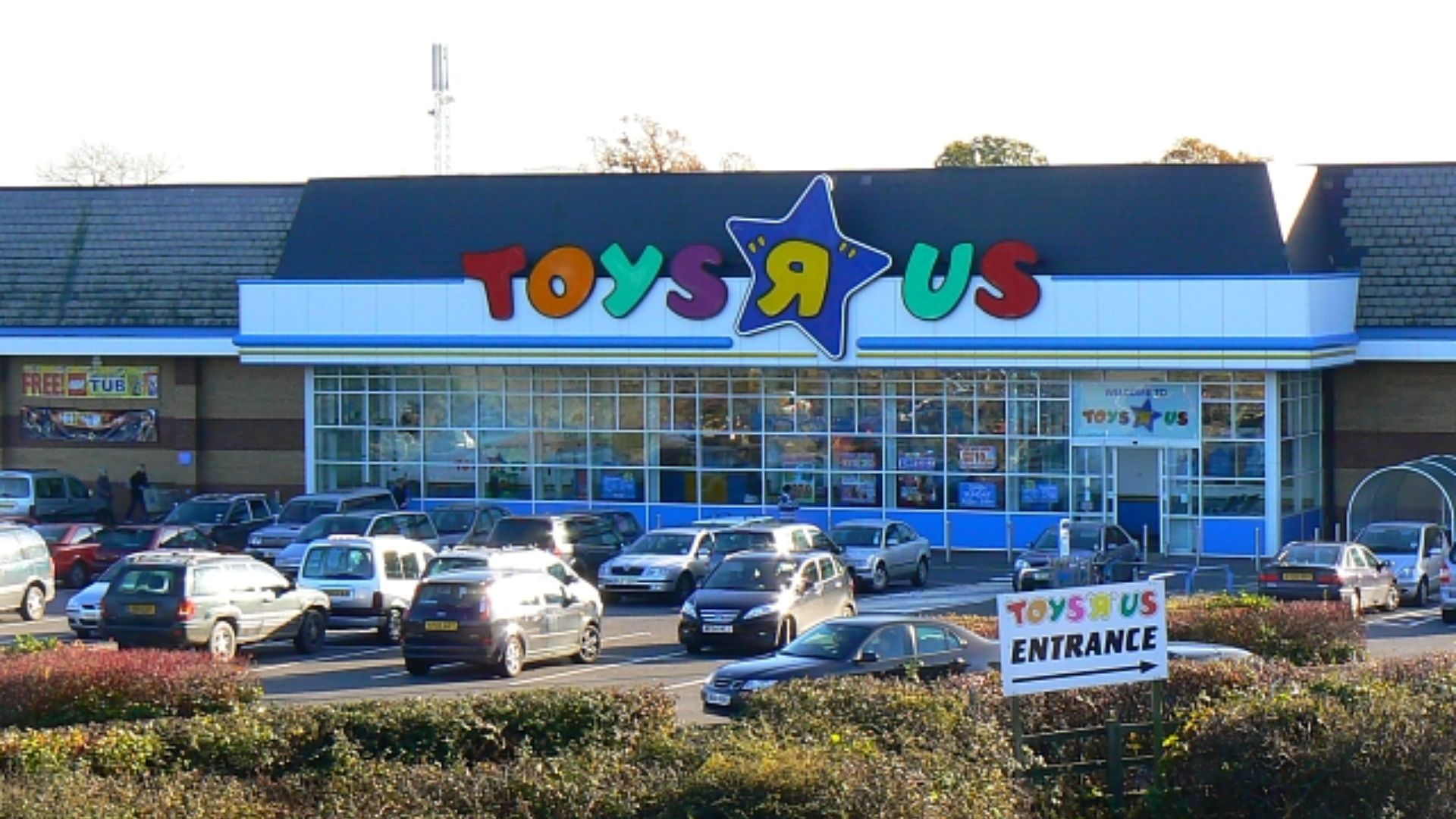
4. Toys "R" Us
Toys "R" Us didn't lose to changing tastes so much as it lost to debt, buried under leveraged buyout obligations from a 2005 private equity deal that never let the company breathe. Stores stayed profitable on paper for years while interest payments drained the business from the inside. By the time bankruptcy hit in 2017, there was barely anything left to save.
 Brian Robert Marshall on Wikimedia
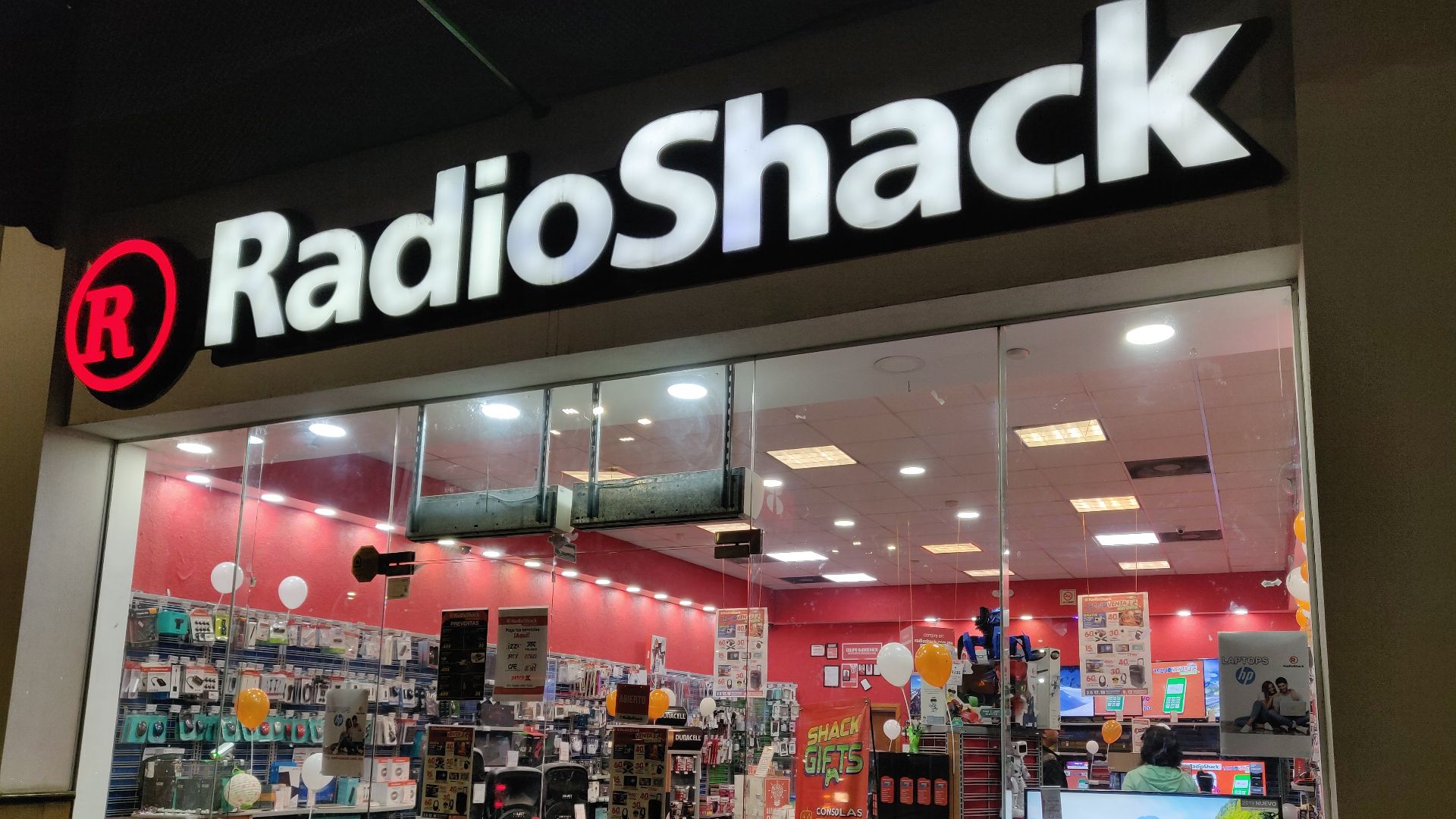
5. RadioShack
RadioShack had a store in nearly every strip mall in the country at its peak, and somehow never landed on a clear identity to match that reach. It wasn't quite Best Buy, wasn't quite a hardware store, and wasn't quite the electronics-hobbyist spot it used to be in the seventies. By the time it filed for bankruptcy in 2015, most shoppers couldn't say what RadioShack was actually for anymore.
 commons.wikimedia.org on Google
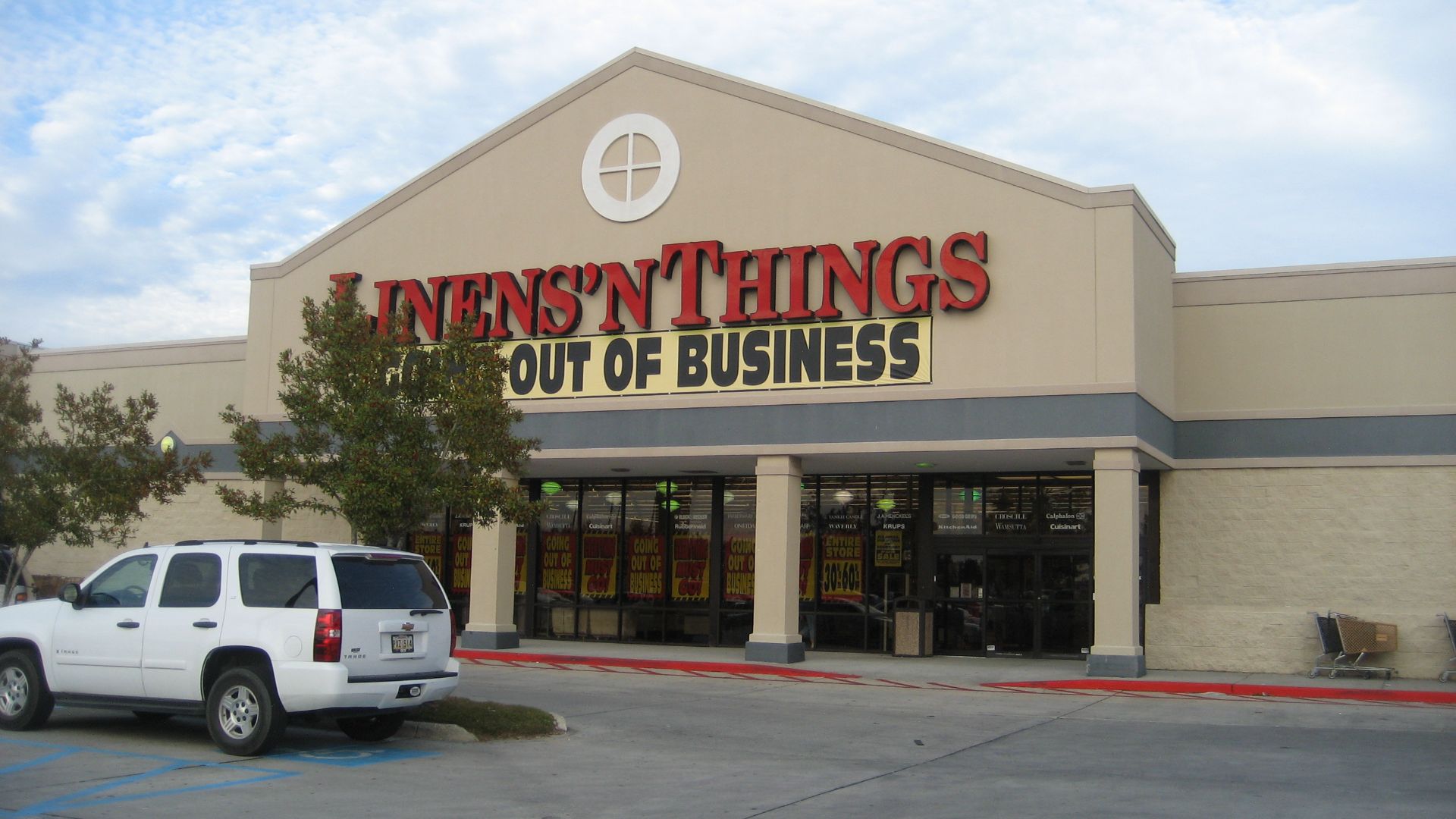
6. Linens 'n Things
Linens 'n Things filed for bankruptcy in 2008, right as the recession hit home goods retailers particularly hard. Bed Bath & Beyond had already out-positioned it with better locations and a stronger coupon strategy, leaving Linens 'n Things fighting for a shrinking piece of a shrinking category. Every store closed within a year of the filing.
 Infrogmation of New Orleans on Wikimedia
7. KB Toys
KB Toys built its business on small mall-based storefronts, which worked fine until Walmart and Toys "R" Us started undercutting it on price with far more square footage to work with. The chain filed for bankruptcy twice within a decade, and the second filing in 2008 didn't leave much room for a comeback. Mall traffic decline finished off what pricing pressure started.

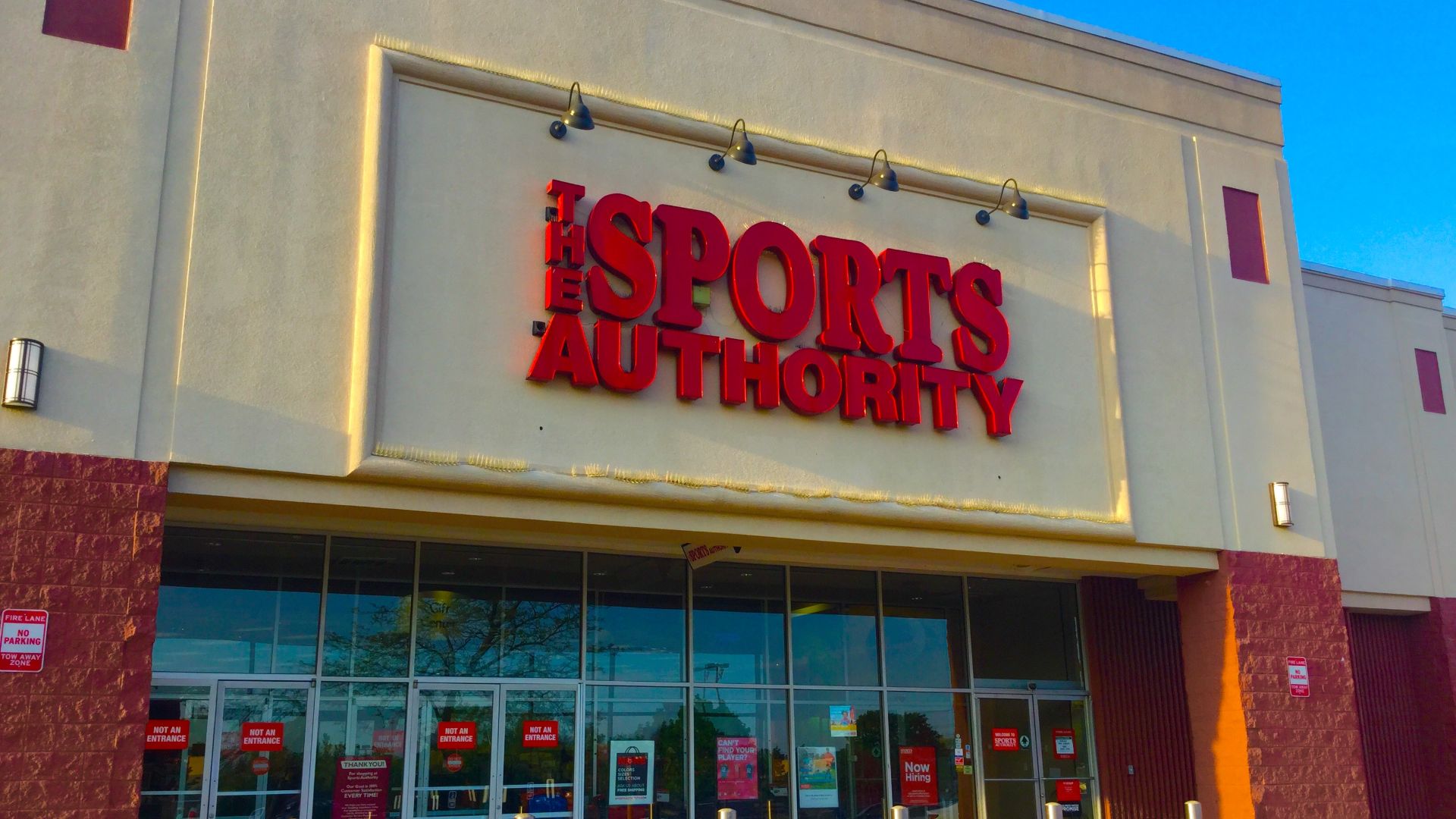
8. Sports Authority
Sports Authority expanded aggressively through the 2000s, taking on debt to open bigger stores just as Dick's Sporting Goods and online retailers started eating into the same customer base. The chain filed for bankruptcy in 2016 and closed all 450-plus locations within the year. Liquidation sales drew crowds the regular sales floor hadn't seen in years.
 Mike Mozart from Funny YouTube, USA on Wikimedia
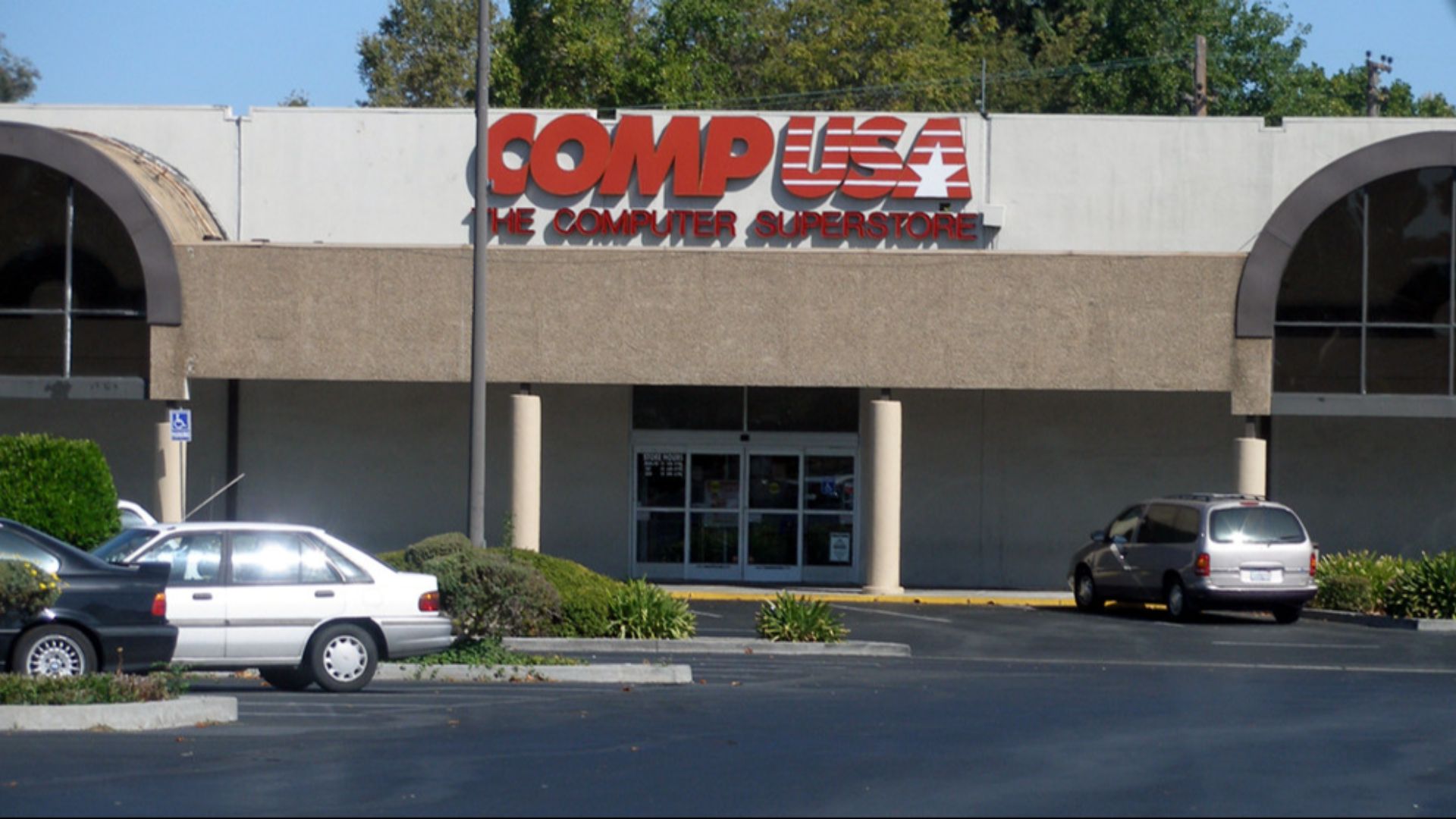
9. CompUSA
CompUSA rode the home computer boom of the nineties about as far as it could go, then struggled to figure out what it was once computers stopped feeling like a specialty purchase. Best Buy and Circuit City both undercut it on price, and by the mid-2000s CompUSA had shrunk to a fraction of its former footprint. The last stores closed in 2008.
 Coolcaesar at en.wikipedia on Wikimedia
10. Service Merchandise
Service Merchandise ran on a catalog-showroom model that felt cutting-edge decades earlier and increasingly confusing by the late nineties, with shoppers filling out order slips for items kept in a back warehouse instead of on the floor. Discount stores made that whole process feel unnecessary, and the chain filed for bankruptcy in 1999. The last locations closed by 2002.
Now, here's 10 that found a way through.
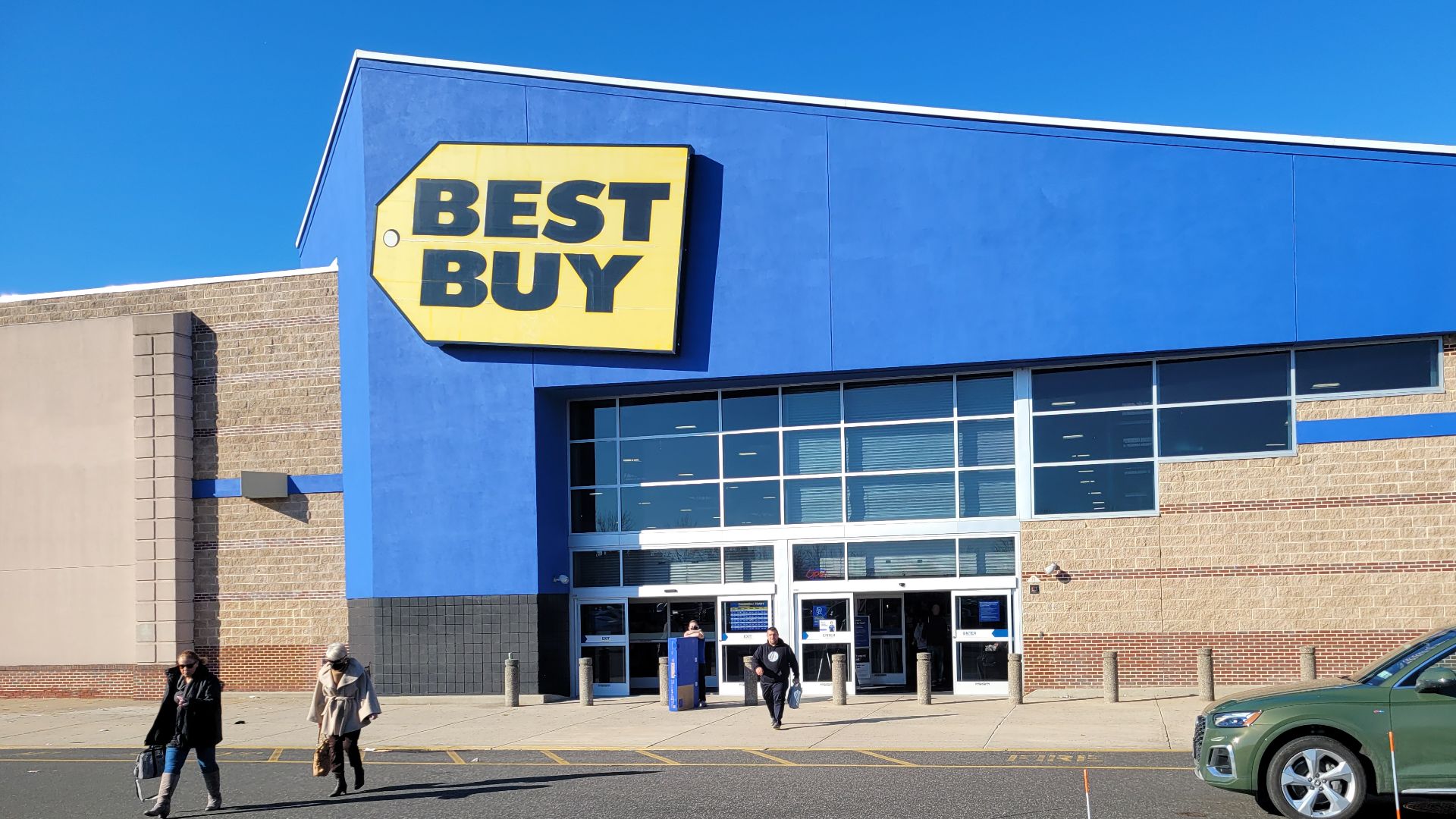
1. Best Buy
Best Buy watched Circuit City collapse and did the opposite of what killed its rival, investing in staff training instead of cutting it. The company also leaned hard into services like Geek Squad and in-store pickup long before that became standard practice. It's one of the clearest examples of a competitor learning from someone else's mistake in real time.
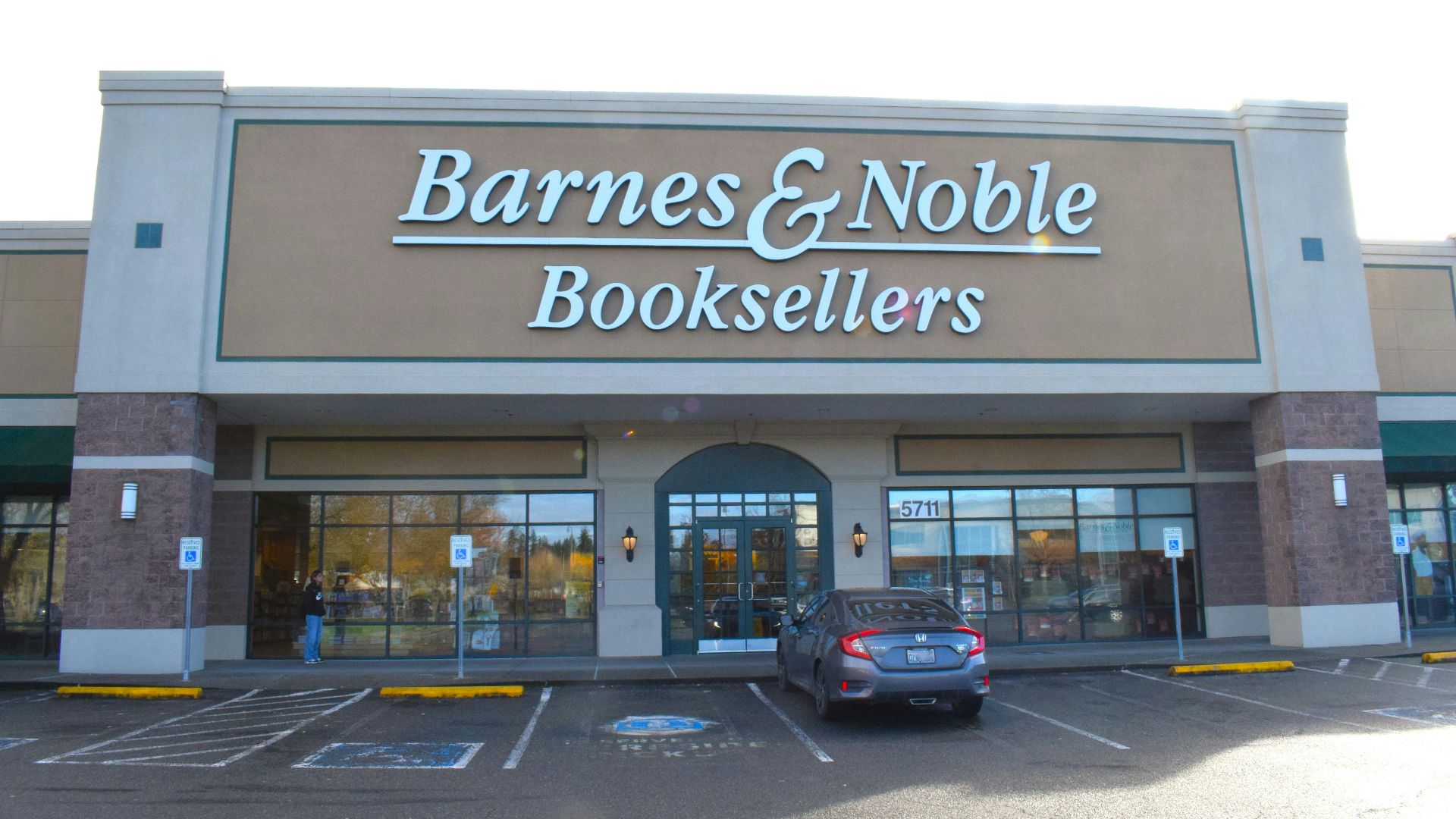
2. Barnes & Noble
Barnes & Noble looked like it was headed for the same fate as Borders for years, weighed down by the same online competition and shrinking foot traffic. New leadership changed course by giving individual store managers more control over inventory, letting each location feel more like a real neighborhood bookstore. Sales have climbed steadily since, and new stores have actually started opening again.
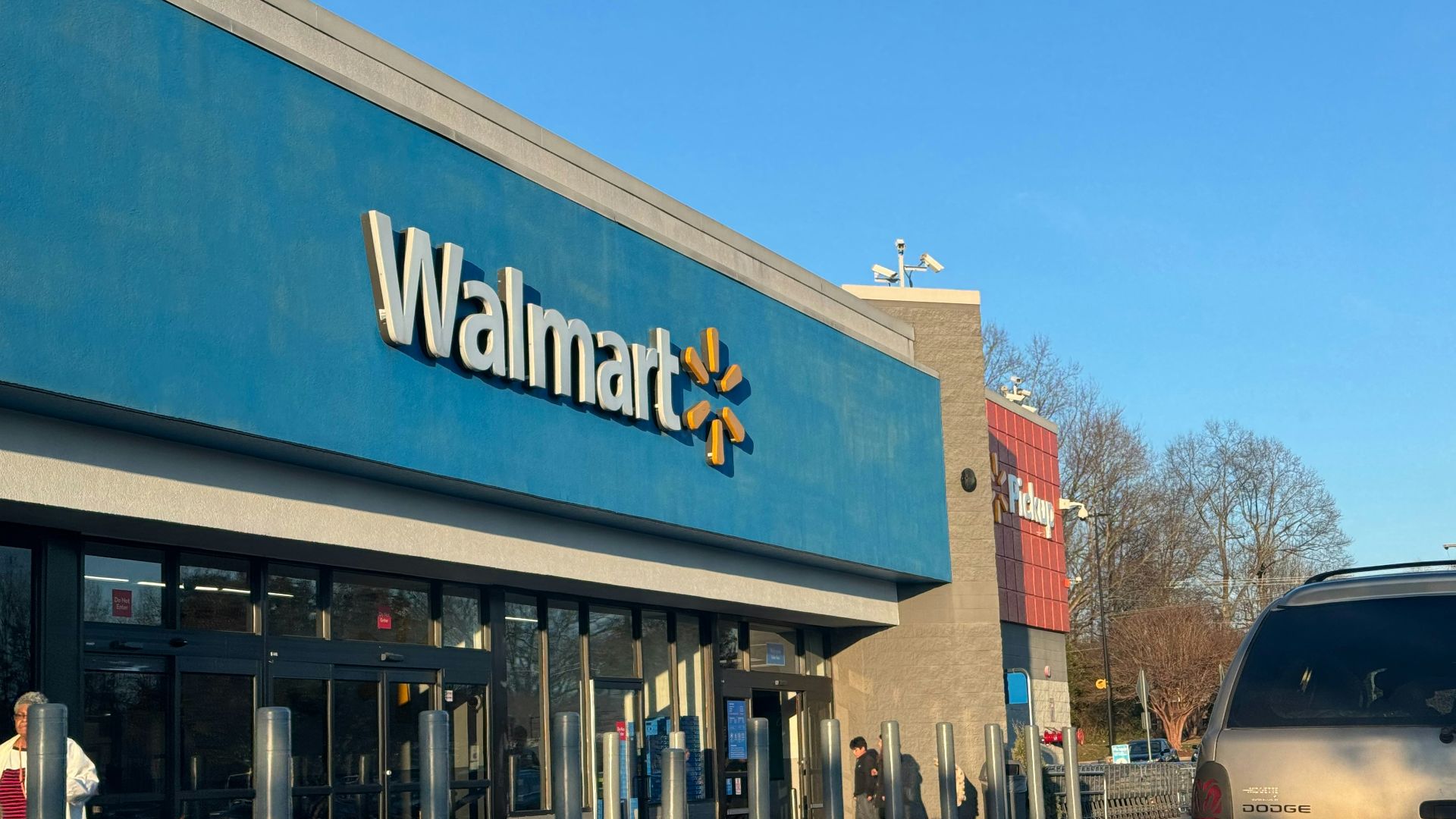
3. Walmart
Walmart's scale gave it leverage that smaller chains never had, letting it absorb thinner margins and still turn a profit while competitors bled out. The company also moved early into e-commerce and same-day pickup, treating the online threat as something to build around rather than ignore. Size alone didn't save it, but size combined with a real strategy did.
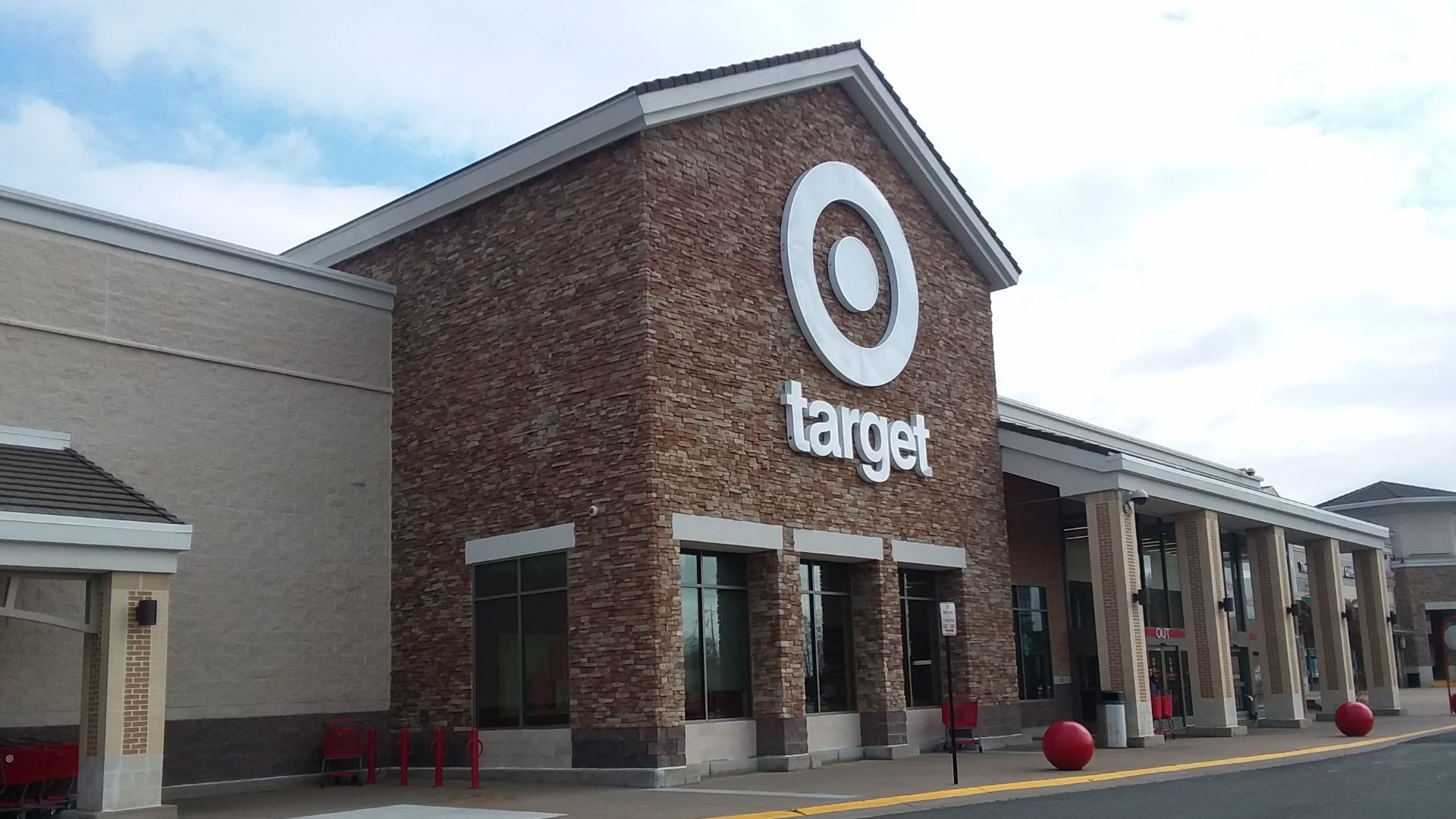
4. Target
Target carved out a lane between Walmart's rock-bottom pricing and department store aesthetics, and that positioning turned out to be more durable than it looked from the outside. Exclusive designer collaborations and a stronger private-label strategy kept shoppers coming back for things they couldn't find anywhere else. The brand identity did a lot of the heavy lifting other chains never bothered building.
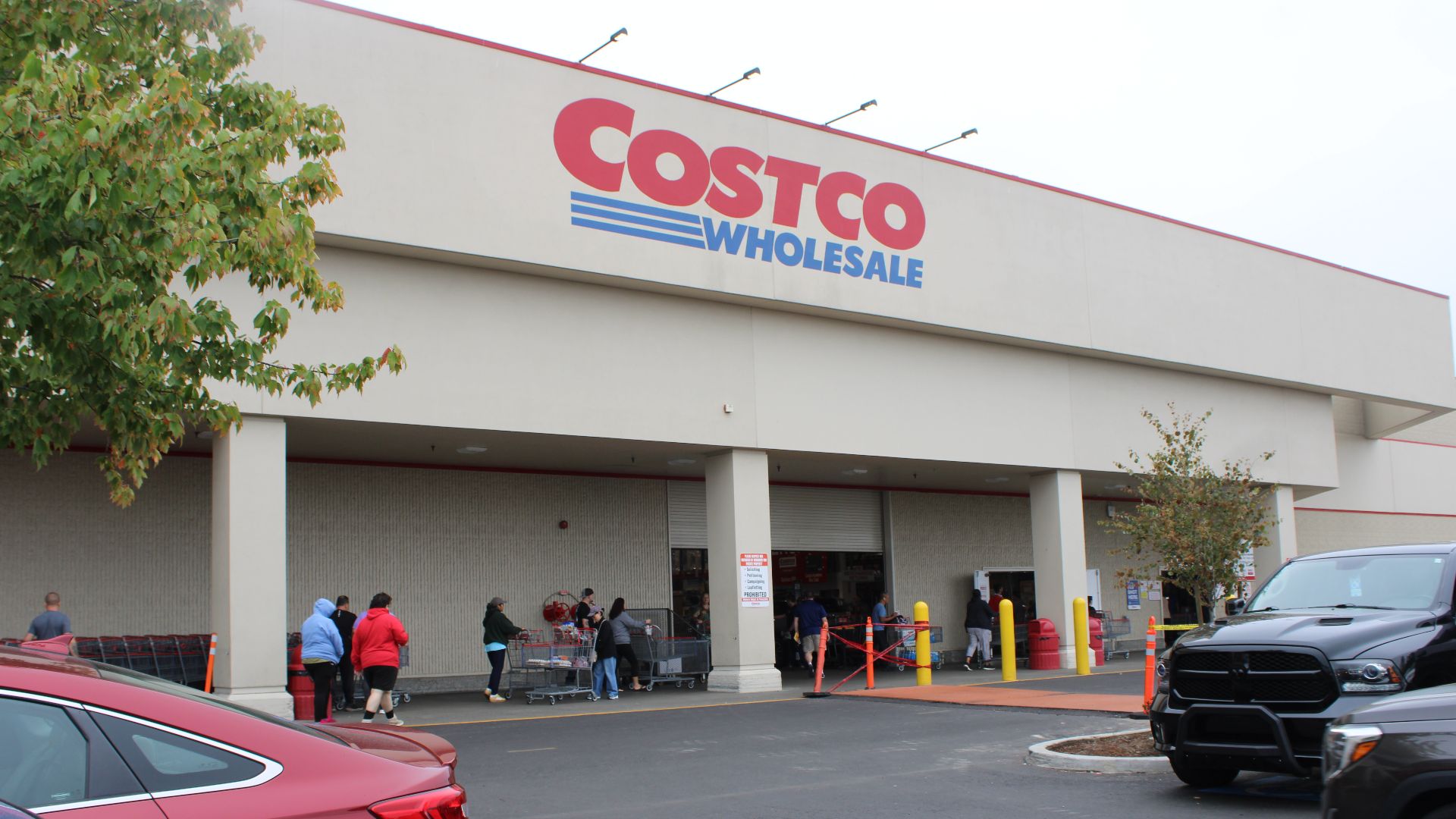
5. Costco
Costco built its entire model around a membership fee that customers pay before they even walk in the door, which changes the incentive structure completely. The company makes much of its profit from memberships rather than markup, so it can keep prices low without bleeding out the way traditional retailers did. That structure turned out to be closer to bulletproof than almost anyone expected.
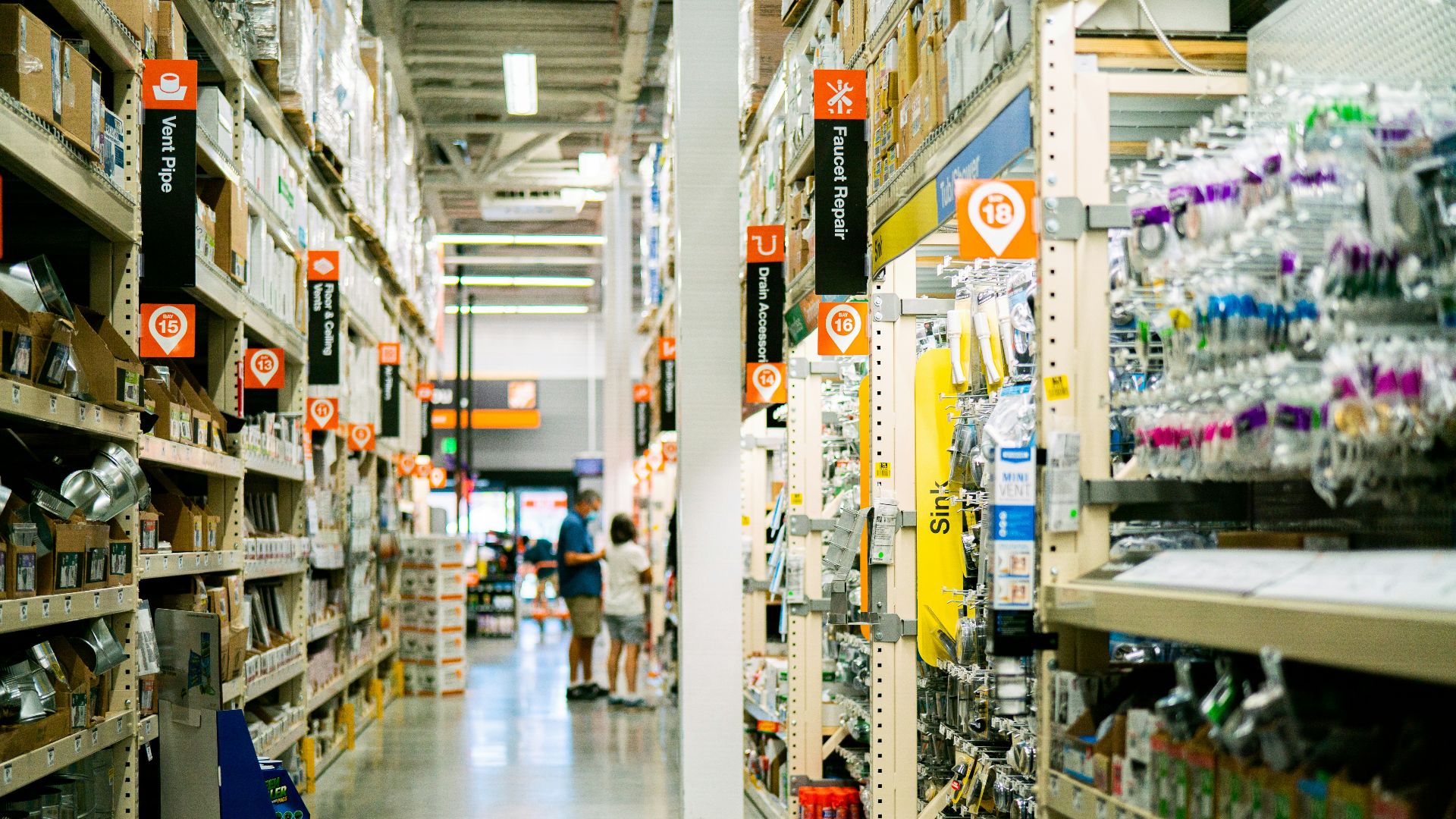
6. Home Depot
Home Depot leaned into a customer base that Amazon struggled to fully replicate, contractors and serious DIYers who needed to see materials in person and get advice on the spot. The company built out its supply chain for professional buyers specifically, creating a business online competitors couldn't easily match. That specialization ended up being the moat other big-box stores lacked.
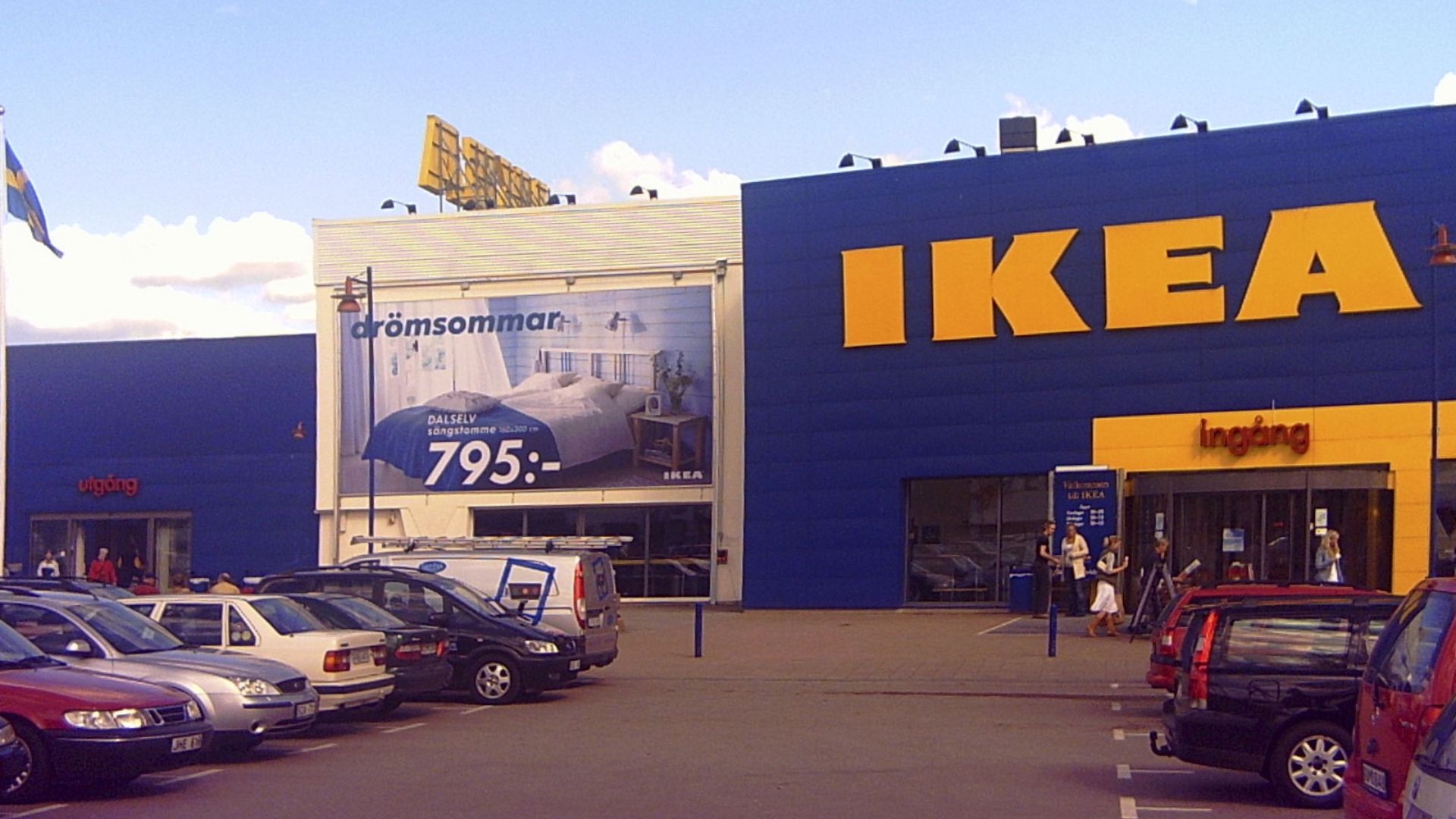
7. IKEA
IKEA turned the shopping trip itself into part of the product, building stores that function as a maze, a showroom, and a cheap meal stop all at once. That experience is hard to replicate online, which gave the company a natural buffer against the e-commerce shift that gutted other furniture retailers. The meatballs help too, more than IKEA probably needs them to.
 Panoramafotos.net on Wikimedia
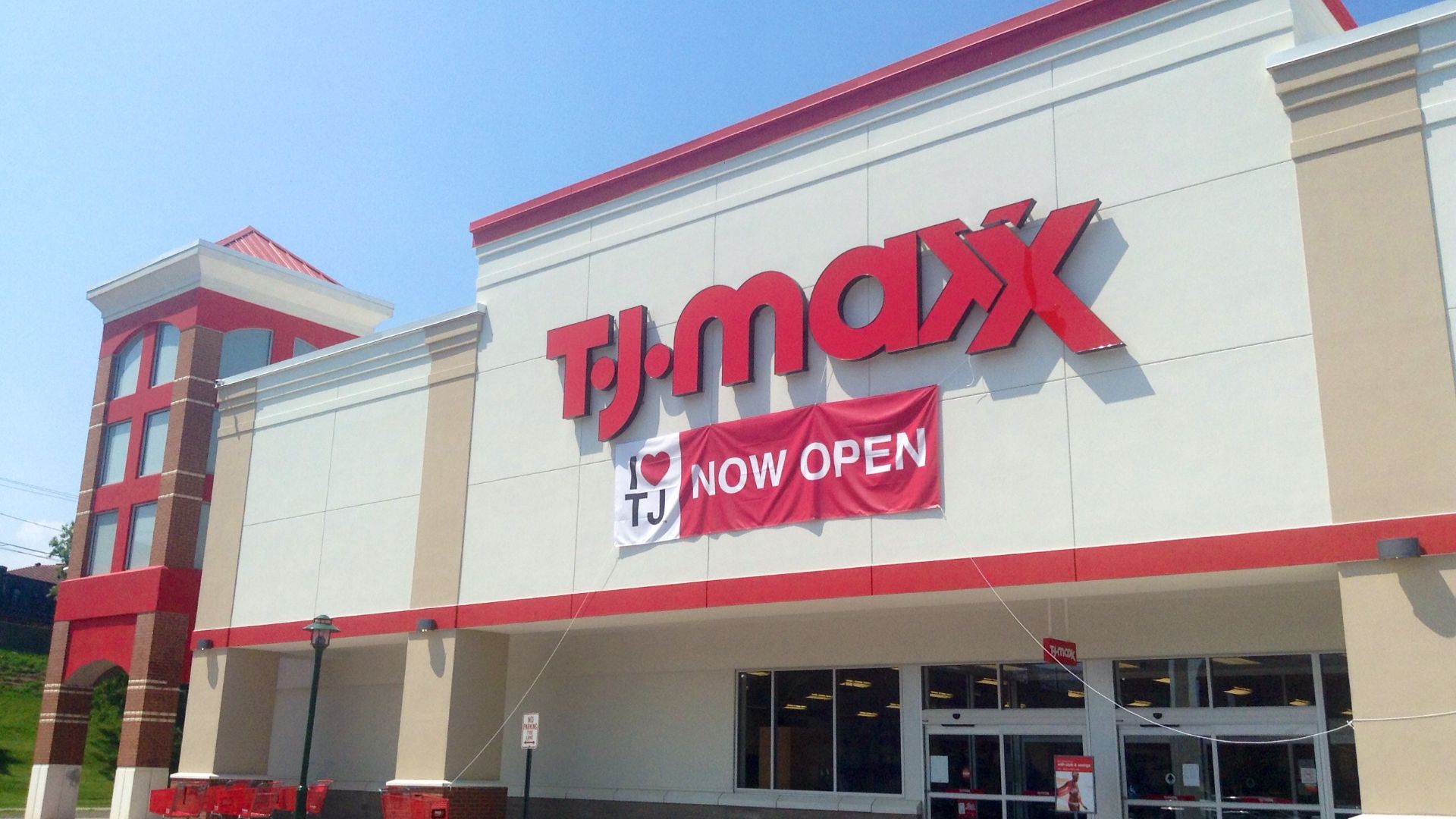
8. TJ Maxx
TJ Maxx built its business model around unpredictability, stocking name-brand goods at a discount through constantly shifting inventory that changes week to week. That churn gives shoppers a reason to keep coming back in person, since the same trip twice never turns up the same store. It's one of the few retail models that treats online competition as almost beside the point.
 Mike Mozart from Funny YouTube, USA on Wikimedia
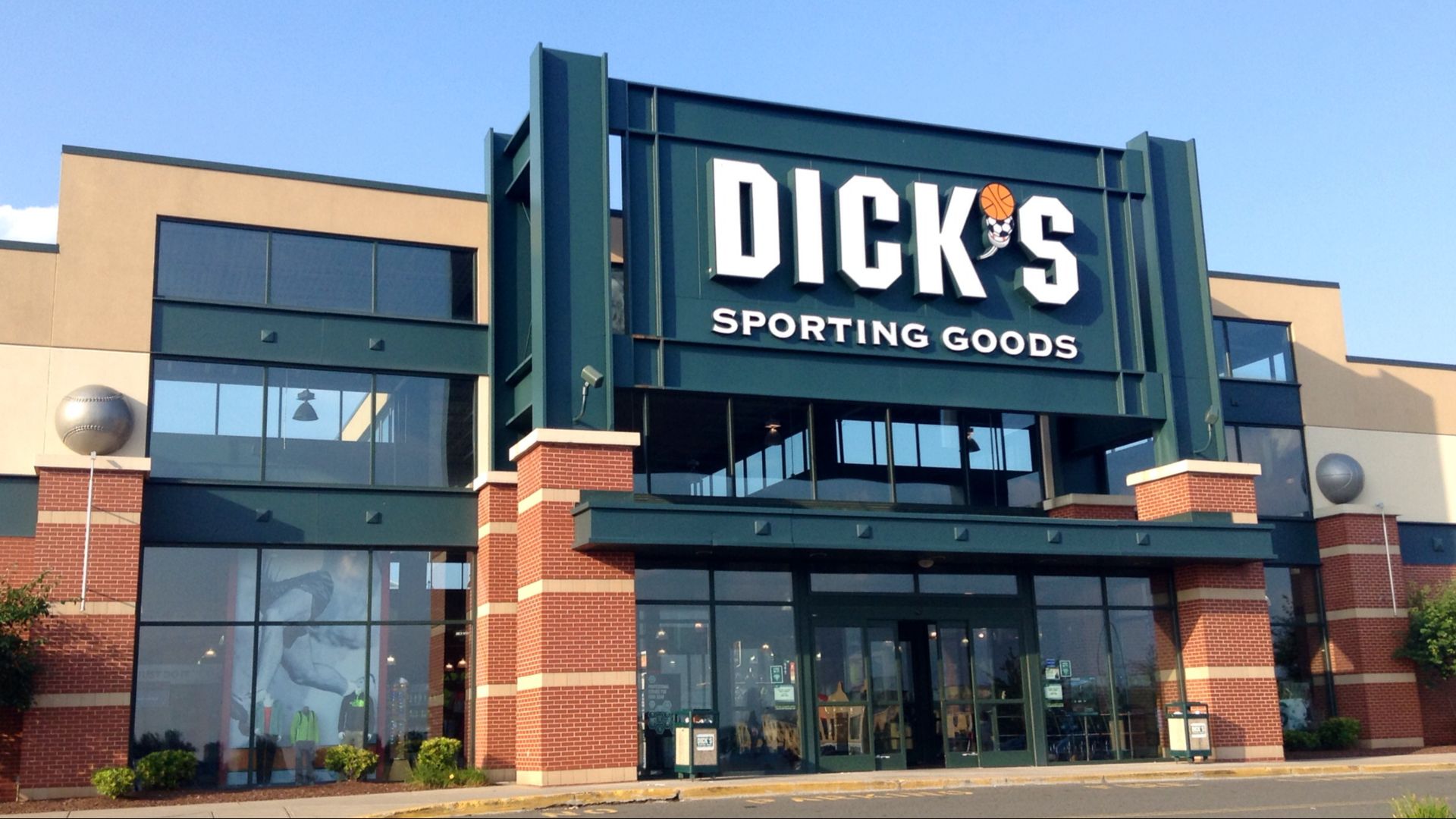
9. Dick's Sporting Goods
Dick's Sporting Goods absorbed a lot of Sports Authority's old customer base once that chain liquidated, picking up market share almost by default. The company also invested heavily in specialty formats like House of Sport, which turned stores into something closer to an experience than a warehouse. That bet on physical space paid off in a category everyone assumed was moving entirely online.
 Mike Mozart from Funny YouTube, USA on Wikimedia
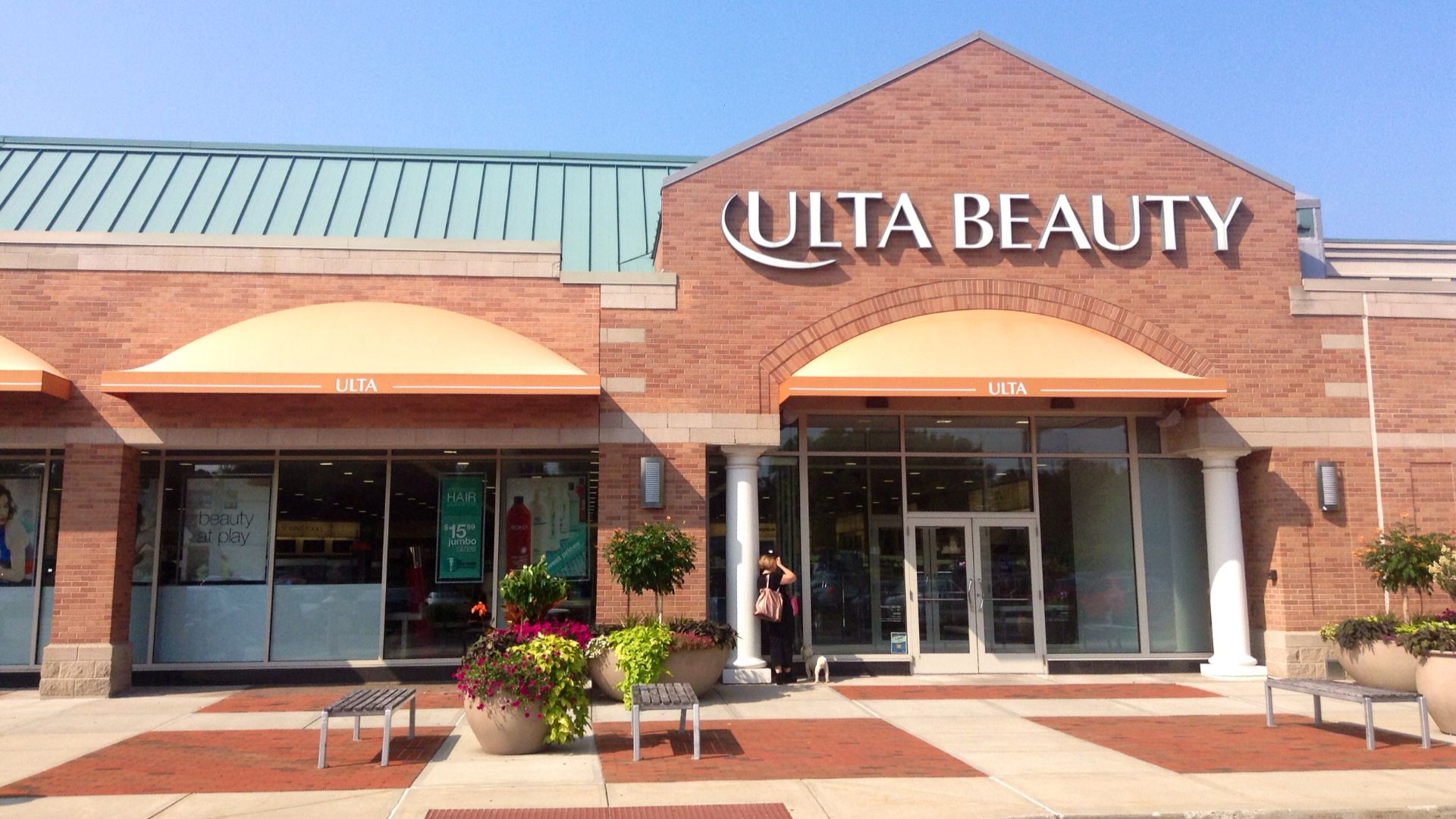
10. Ulta Beauty
Ulta Beauty built its business around a mix of prestige and drugstore beauty brands under one roof, a combination department stores and specialty shops never quite offered together. The loyalty program keeps shoppers coming back for an eight-dollar mascara and a forty-dollar serum in the same visit. That range turned out to be exactly what a lot of beauty shoppers wanted and couldn't get anywhere else.