Why Siblings Raised in the Same House Turn Out So Differently
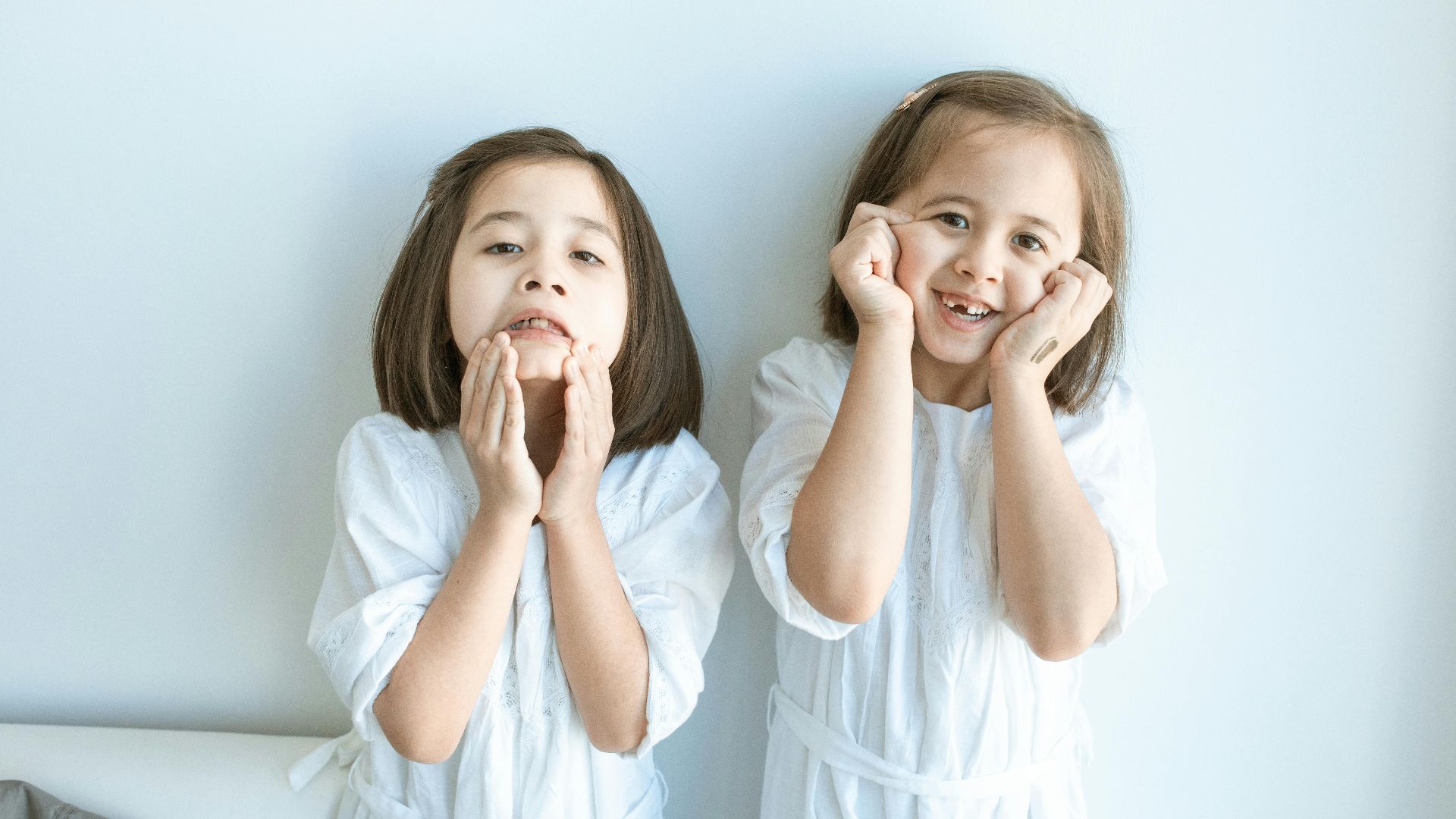
It's one of the strangest and most familiar things about family life when two siblings who grew up in the same home, have the same parents, eat at the same table, and hear the same rules still become wildly different adults. One may be cautious, the other impulsive, one highly social, the other introverted, and one deeply ambitious, while the other couldn't care less about prestige.
The reason is that “the same house” isn't really the same experience. Families may share an address, but siblings move through different versions of the household depending on age, timing, personality, parental expectations, and the role they quietly settle into. Even before you get to genetics, peers, and life events, the idea of one identical childhood for everyone in the family starts falling apart pretty quickly.
The Same Family Is Not the Same Environment
One of the biggest reasons siblings turn out differently is that they're not actually raised in identical conditions, even when it looks that way from the outside. Parenting styles change over time, family finances shift, relationships evolve, and the emotional atmosphere in a home can look very different from one year to the next. The first child may grow up with younger, stricter parents, while the younger sibling gets older, more relaxed versions of the same adults. That alone can create very different experiences before personality even enters the conversation.
Birth order isn't a magical explanation for everything, but it can influence the role a child ends up playing. The oldest may be expected to set the example, take responsibility, or act more mature, even if they don't feel ready for that. A younger sibling may grow up with more freedom, more comparison, or more pressure to stand out because somebody else got there first. When children adapt to those different expectations, they often build very different habits and identities.
Timing matters in more subtle ways, too. One sibling may remember the family during a period of stress, grief, financial pressure, or conflict, while another mostly remembers stability or improved circumstances. Even if the parents love all the children equally, they can't freeze life in place and deliver the exact same family to each child. A household isn't a fixed set so much as a moving target, and each child meets it at a different moment.
There's also the fact that parents don't always respond to each child in exactly the same way. That's not always favoritism, and it's not always harmful. Sometimes it's simply the result of different temperaments colliding. A child who's sensitive may get gentleness, while a more stubborn sibling gets firmness, and over time, those patterns help shape how each person sees themselves and the world.
Personality Starts Early
Siblings also turn out differently because they arrive with different built-in tendencies. Even very young children often show signs of distinct temperaments, with one seeming bold, another cautious, one highly reactive, and another easier to soothe. Those early differences affect how adults respond to them and how they learn to move through the family.
This matters because people don't experience the same event in the same way. A strict household may motivate one child, frighten another, and barely register with a third who's too busy doing their own thing. Likewise, praise may make one sibling feel secure while another interprets it as pressure to keep performing. The same words, rules, and routines can land very differently depending on the person receiving them.
Siblings often define themselves in contrast to one another as well. If one child becomes “the smart one,” another may lean into humor, rebellion, athletic ability, independence, or emotional distance just to avoid competing on the same ground, even if that's not a conscious choice. Family roles have a way of starting as a coping strategy and ending as a personality style.
That contrast effect can become even stronger when comparison enters the picture. Children are very good at noticing what gets rewarded, what gets criticized, and where they seem to fit in the family map. If a sibling already occupies one role too fully, the other may build a different version of themselves simply to create room. Over time, that can make brothers and sisters seem less like similar products of one upbringing and more like reactions to each other.
Life Outside the House

Even if siblings share parents and a home, they don't share the same outside world. They may have different friends, teachers, coaches, romantic relationships, mentors, setbacks, and opportunities, and all of that makes a difference. One encouraging teacher or one terrible breakup can shift a person’s path more than years of family routine. Once adolescence arrives, the idea of a single controlling family influence becomes even weaker.
Friend groups alone can push siblings in very different directions. One child may fall in with highly motivated peers who reward discipline and achievement, while another gets pulled toward risk-taking. Neither outcome proves that the parents failed or succeeded. It just shows that development keeps happening far beyond the living room and dinner table.
Then there are the random events nobody plans for: illness, a move, a loss, a bad year at school, a moment of success, or even the timing of social media and culture can affect one sibling differently than another. The older child may grow up before a certain pressure arrives, while the younger one gets it at full force.
Siblings raised in the same house turn out differently because that's never the whole story. They live through different family versions, bring different temperaments into the mix, react differently to the same experiences, and then keep being shaped by a world outside the front door. That's why one family can produce people who seem startlingly unlike one another.