Parenting often feels like a long walk beside someone who is still learning how to find their footing. You want to protect them, yet you also want them to learn real strength. Striking that balance is rarely straightforward, and most parents discover it only through reflection and a few uneasy moments.
As you consider what helps a child grow without depending on you for every answer, a clearer picture of healthy support begins to form, so let’s find out what that really looks like.
Understanding The Difference Between Helping And Overhelping
Many parents step in because they see stress rising in their child’s eyes. It can feel natural to take over or clean up a mistake before consequences appear. Yet when help becomes a habit rather than a moment-based decision, children start relying on a parent’s intervention instead of their own capabilities.
Support, on the other hand, encourages a child’s effort while letting them take ownership of the outcome. It acknowledges that they might struggle, but it also trusts that they can work through the challenge. This shift takes practice, and it often begins with noticing when your help is easing your own discomfort rather than building their confidence.
Letting Children Experience Responsibility Without Feeling Abandoned
Children develop confidence when they feel the weight of responsibility in manageable doses. This could mean finishing a school project without reminders or organizing their own routines.
Parents often worry that stepping back will make the child feel alone, yet thoughtful support remains present in the background. You can offer guidance through conversation rather than action, or reflect their strengths back to them. These touches of connection keep them grounded while still allowing them to stand on their own. Over time, this gentle distance becomes a powerful teacher.
Creating A Home Culture That Encourages Effort And Accountability
A supportive environment helps children understand that mistakes bring them forward instead of defining them. When accountability is framed with compassion, children learn to correct missteps without hiding them.
If parents consistently rescue children from consequences, the message becomes confusing, and responsibility loses meaning. But when they stay steady and encouraging instead, children grow to trust the process and themselves. This kind of home atmosphere shapes resilient decision-makers who know they can recover and continue learning.
Trusting Growth Even When It Comes With Discomfort
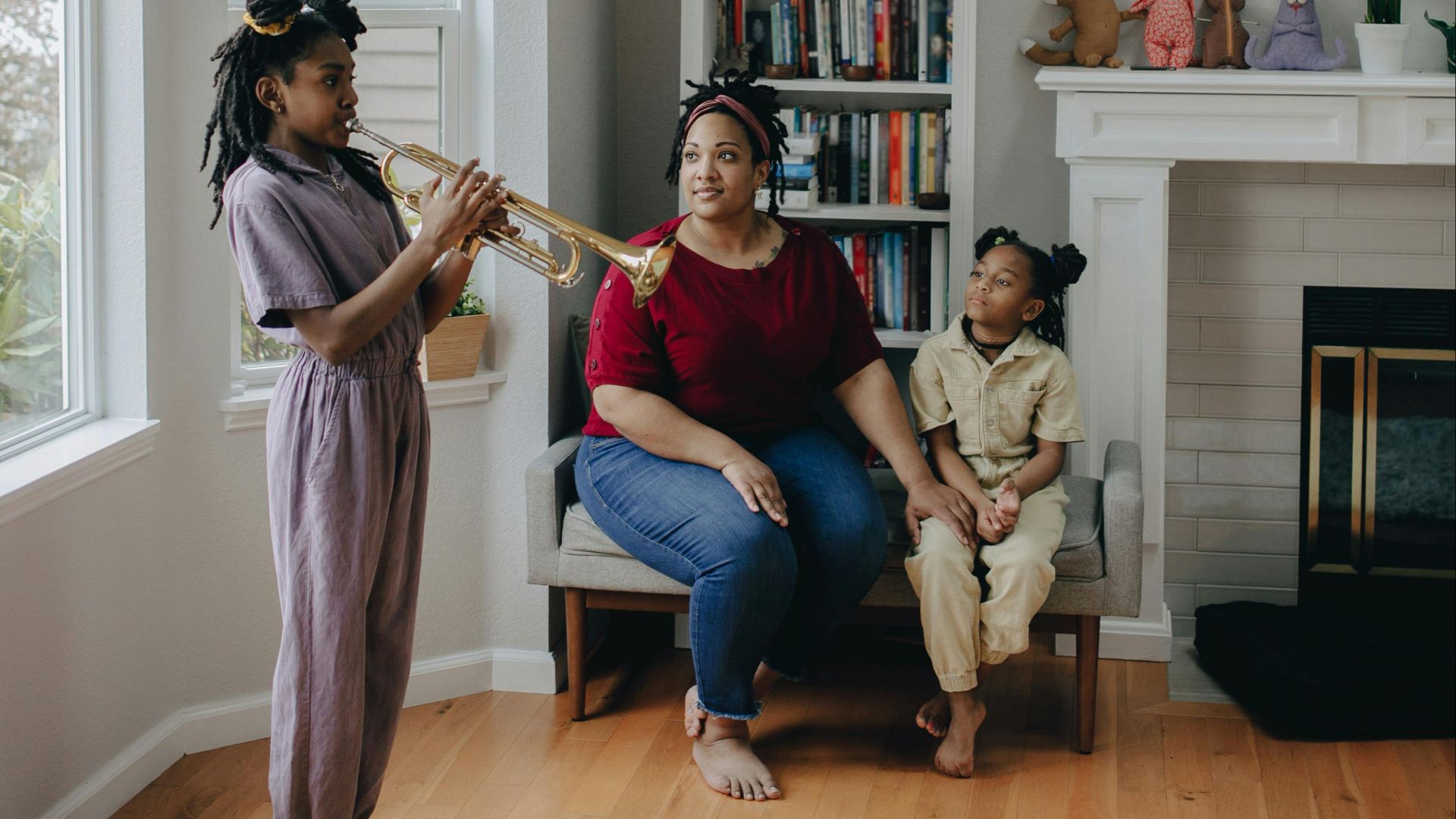
Letting children face challenges can stir up worry, especially when you want every part of their life to feel safe. Yet growth usually includes awkward moments and imperfect choices. Parents who recognize this and allow room for it send a powerful message about capability.
You can stay close and offer perspective while resisting the urge to intervene at the first sign of difficulty. In doing so, you teach your child that discomfort is not danger but a sign that they are learning how to live with increasing independence. Over time, this grounded trust becomes one of the greatest supports you can offer.