
Switching Up Your Evening Routine
Weeknights with young ones never seem to feel long enough, especially when you’re dealing with a fussy toddler. Most parents aren't struggling because they lack effort; they're struggling because the evening hours are genuinely hard, and nobody handed them a manual. The good news is that small structural changes tend to make a bigger difference than dramatic overhauls, and most of these adjustments have no time to implement. If you're ready to stop white-knuckling your way through 5 p.m. to 8 p.m., these 20 hacks are a solid place to start.

1. Themed Weeknight Dinners
Assigning a loose theme to each night — Taco Tuesday, Pasta Night, Soup Night — narrows the decision window from anything and everything to a much more manageable list.

2. Always Cook Double
On nights when you have enough energy to actually cook, make twice as much as you need and store the rest. The leftovers serve you well for lunch the next day, or can be repurposed into a much quicker dinner.

3. Build A Re-Entry Ritual
The 15 minutes after everyone walks through the door set the emotional tone for the whole evening, so make it count. A snack, a quick check-in, and a few minutes to decompress before anyone touches homework or chores.

4. Write A Plan Where Everyone Can See It
A whiteboard on the fridge or a simple sticky note on the counter showing the evening's rough sequence — dinner, homework, bath, bed — removes the guesswork for kids and adults alike. When children can see what comes next, they tend to be a bit more cooperative.
 Gabrielle Henderson on Unsplash
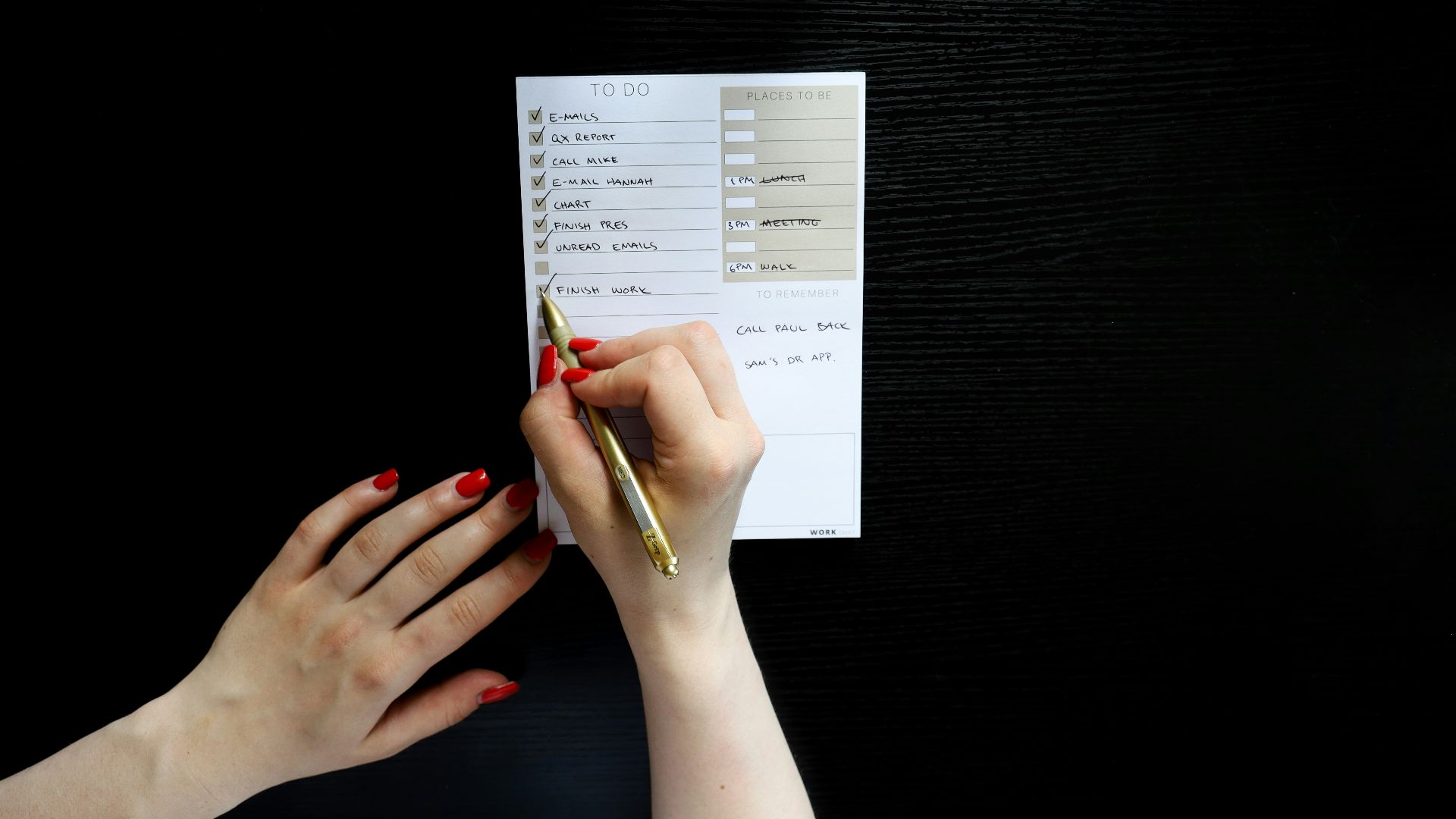
5. Provide A Visual Checklist
Posting a simple list of evening steps (homework, shower, pack backpack, brush teeth) in the kitchen or bathroom lets kids track their own progress without being asked to do the same thing four times.
6. Batch Chores
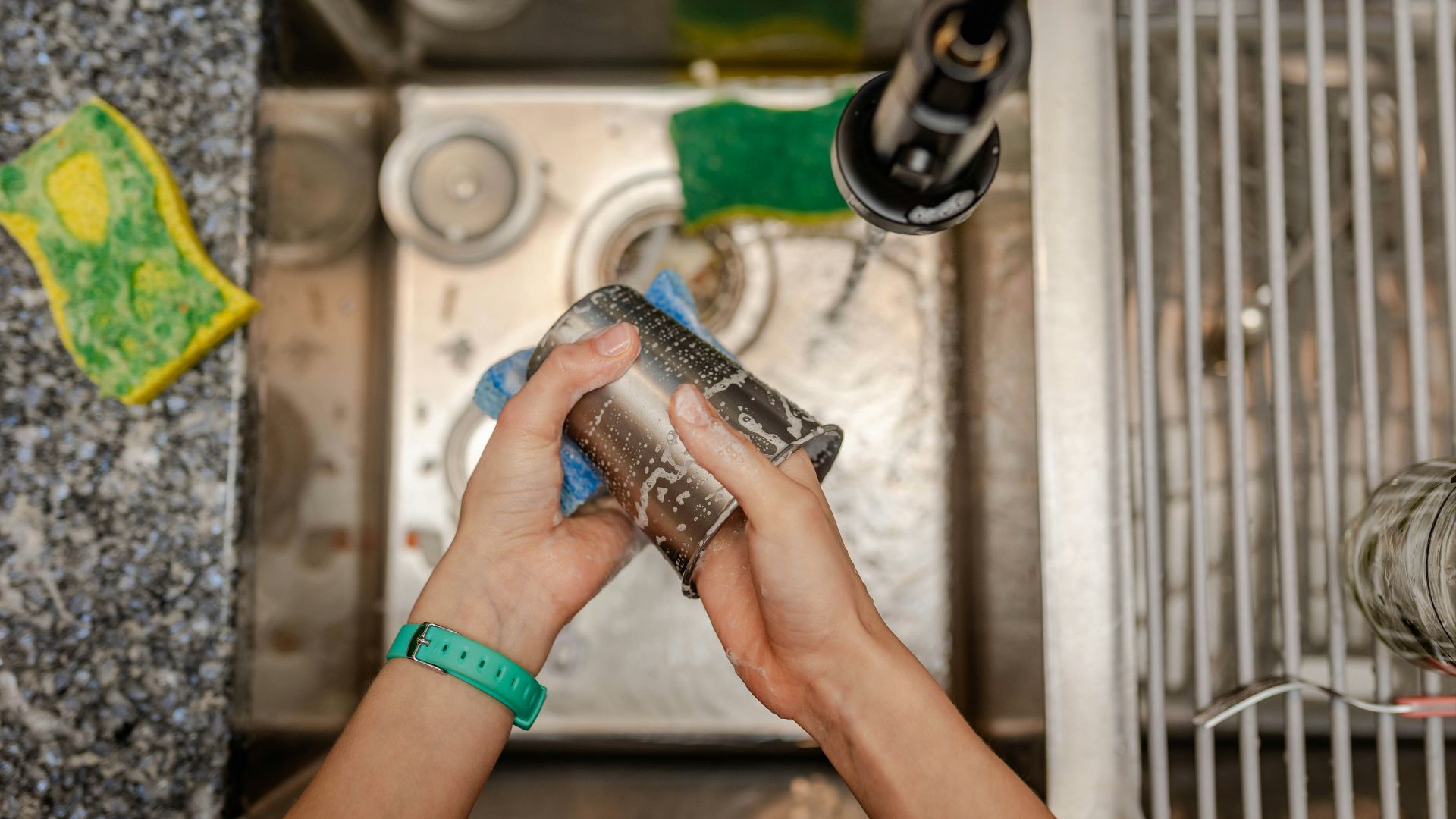
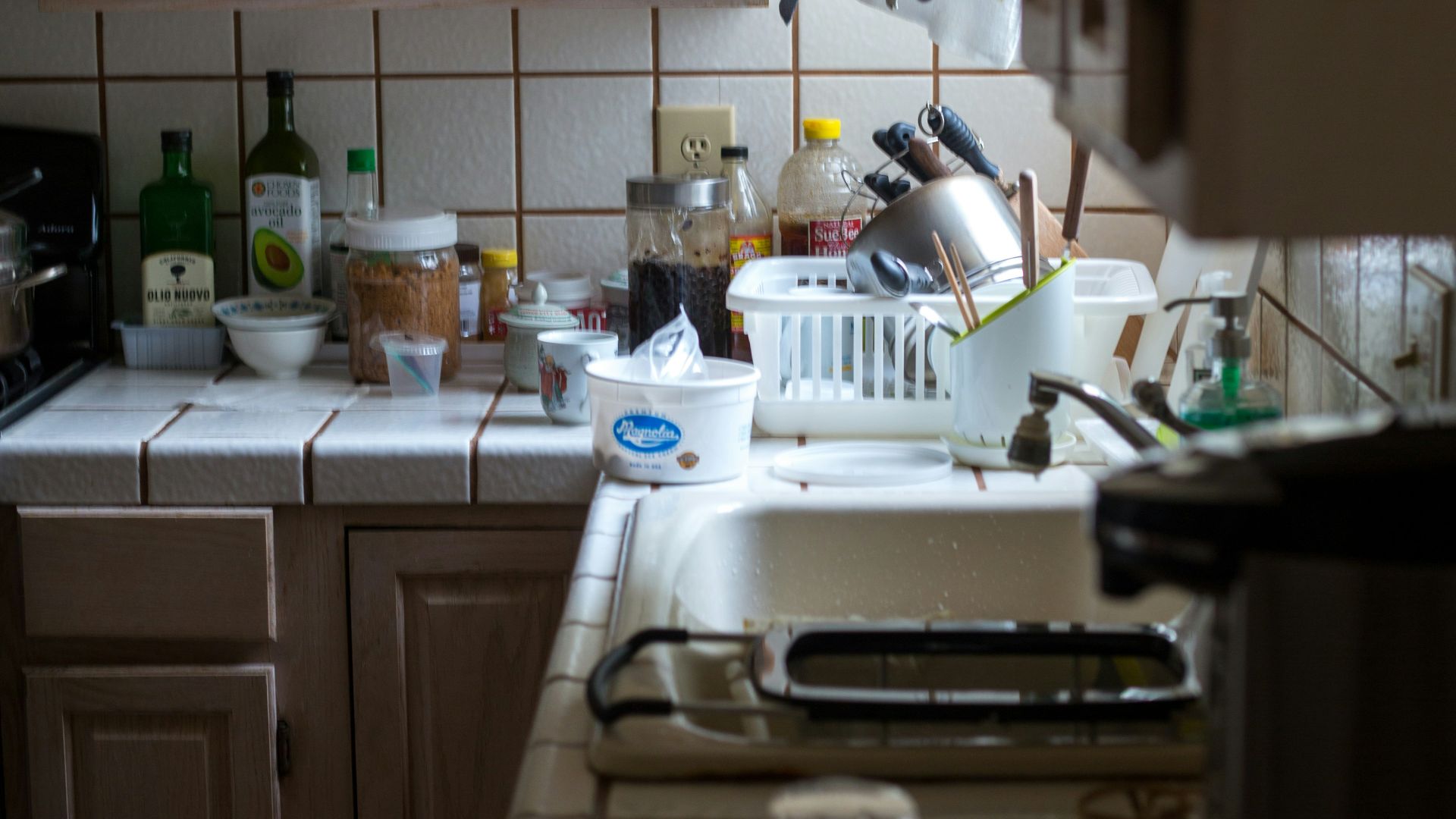
Rather than scattering tidying tasks across the whole evening, cluster them into one 15-minute window. Loading the dishwasher, changing over the laundry, and doing a quick surface tidy all at once frees up the rest of the night for the fun things.
7. Keep A Rotation Of Low-Effort Dinners
Sheet-pan meals, one-pot pastas, and rotisserie chicken pulled apart over rice or greens exist precisely for low-energy nights.

8. Maintain A Routine
A short, predictable sequence — bath, story, a song, lights out — signals to a child's nervous system that sleep is coming. In fact, sleep researchers have repeatedly found that consistency in pre-sleep routines shortens the time it takes children to fall asleep.

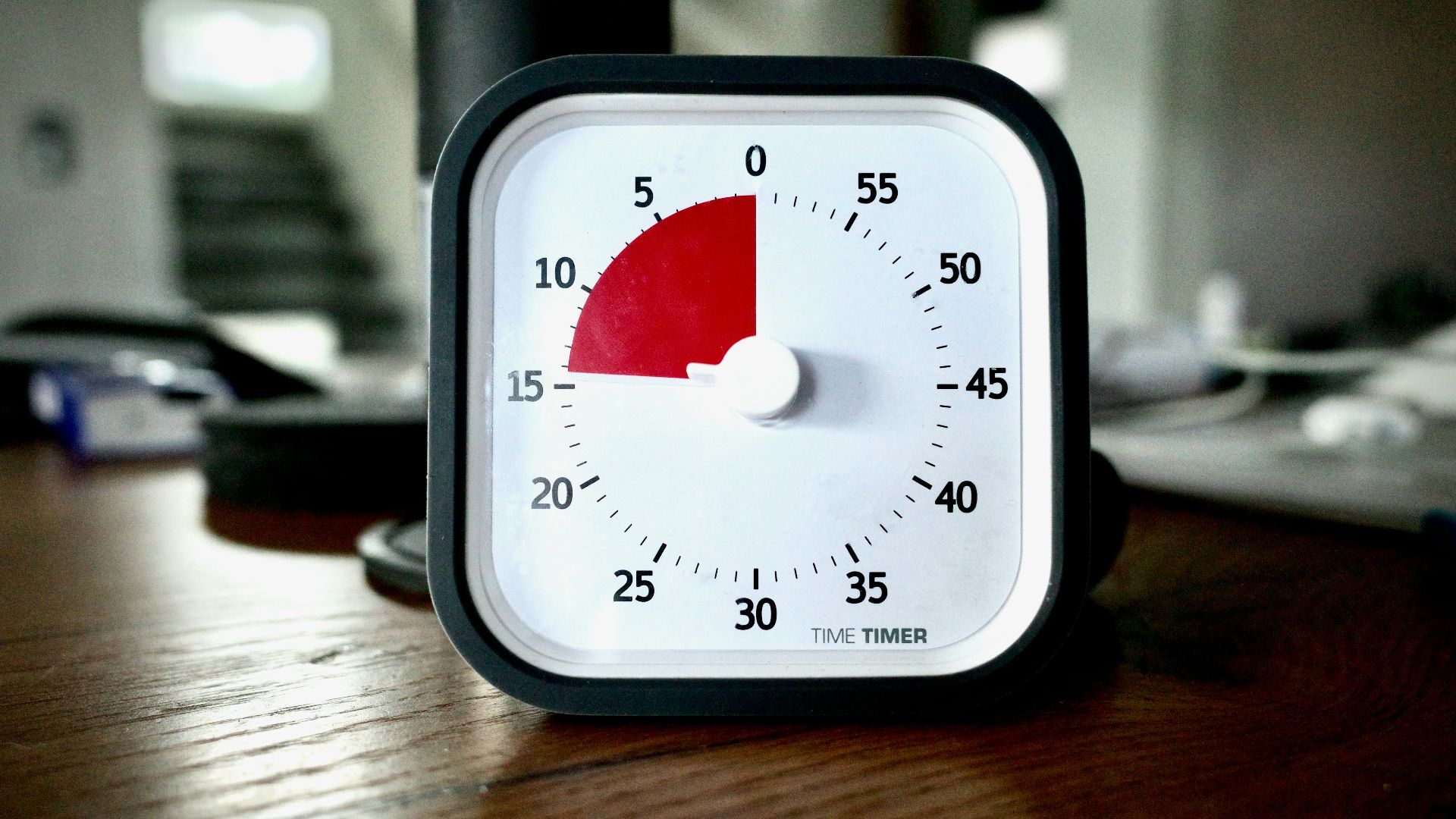
9. Use Timers For Every Transition
Setting a five-minute countdown before leaving the park, turning off the TV, or starting homework removes you from the role of the person delivering bad news. Children handle transitions better when they can anticipate the change, and a timer makes the shift feel a little bit easier.
10. Turn Tasks Into Games
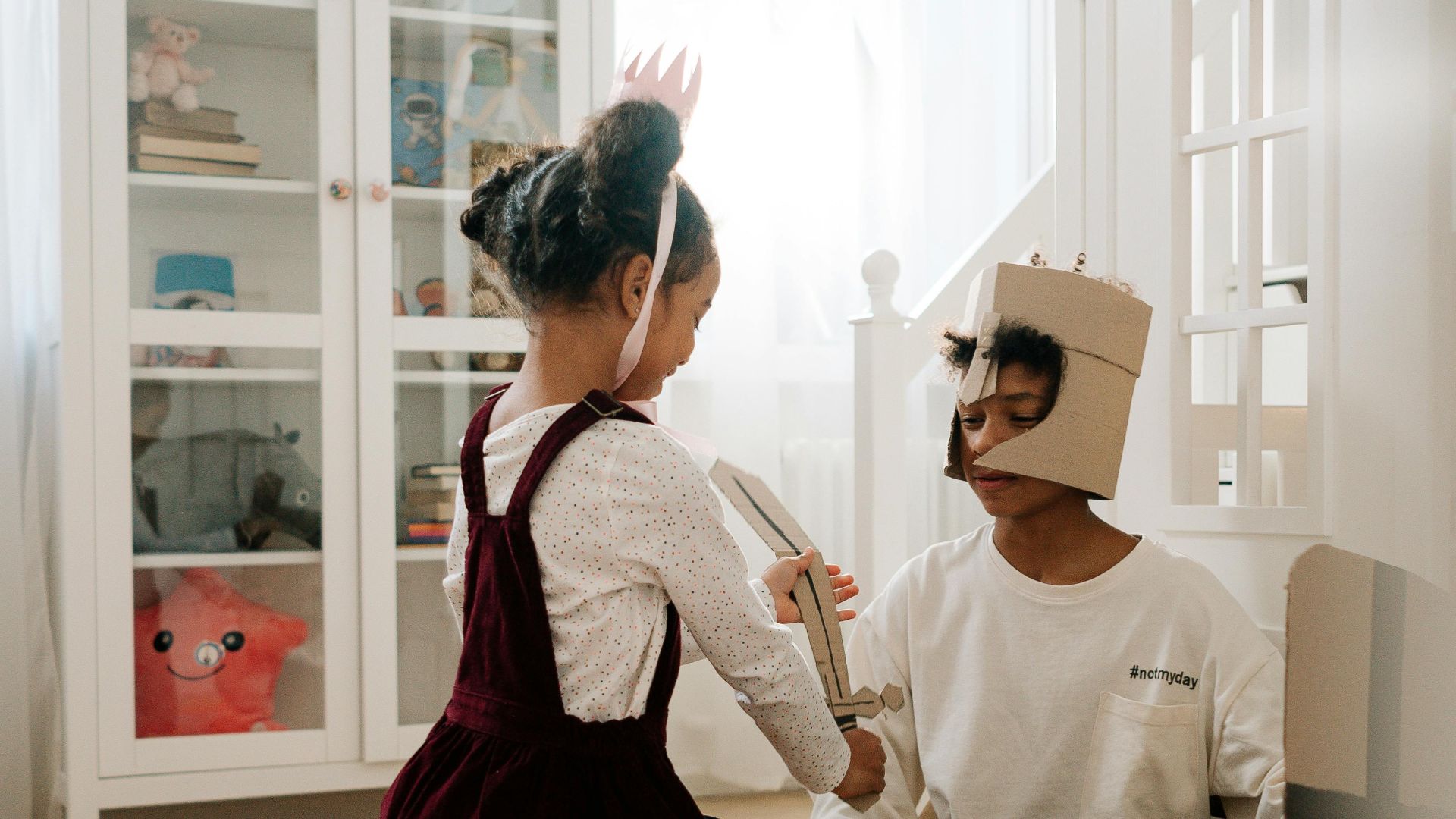
Racing to see who can pick up the most toys in 60 seconds, or pretending shoes "need to find their friends" on the rack, tends to produce faster results than a direct instruction ever will. The playful framing lowers the emotional stakes of a routine task, which is often all it takes to sidestep a standoff.

11. Limit Screens Before Bed And During Meals
Screens at the dinner table tend to wind children up rather than wind them down, which makes the rest of the evening harder. Pulling back on screen time in the two hours before bed is one of the more consistent pieces of advice across pediatric sleep guidance, and parents who try it often notice a calmer household within a week.

12. Pack Lunches And Bags Right After Dinner
Doing this task while you're still in the kitchen and the kids are still awake is far easier than trying to do it at 10 p.m. or 7 a.m. Shifting this job earlier in the evening eliminates one of the most stressful parts of the morning routine.

13. Keep A List Of Five Emergency Dinners
Write down five meals you can make entirely from pantry and freezer staples — pasta with canned tomatoes, eggs on toast, bean quesadillas — and keep the list up on the fridge. Should anything happen, you know you have options at the ready.

14. Set Up A Contained Play Zone
A pillow fort with a snack and a puzzle, a bath with stickers on the tiles, or a "cinema setup" on the living room floor can hold a young child's attention for 30 minutes or more while you finish dinner or handle something else. The contained, slightly special quality of these setups tends to extend engagement longer than an ordinary play session would.
15. Accept Good Enough On Weeknights
Trying to keep a perfectly clean house every evening on top of everything else is one of the fastest routes to burnout for parents of young children. Protecting 20 minutes of genuine downtime — for yourself, not for another chore — is a legitimate and well-supported approach to staying functional across a whole week.
16. Create Evening Rituals
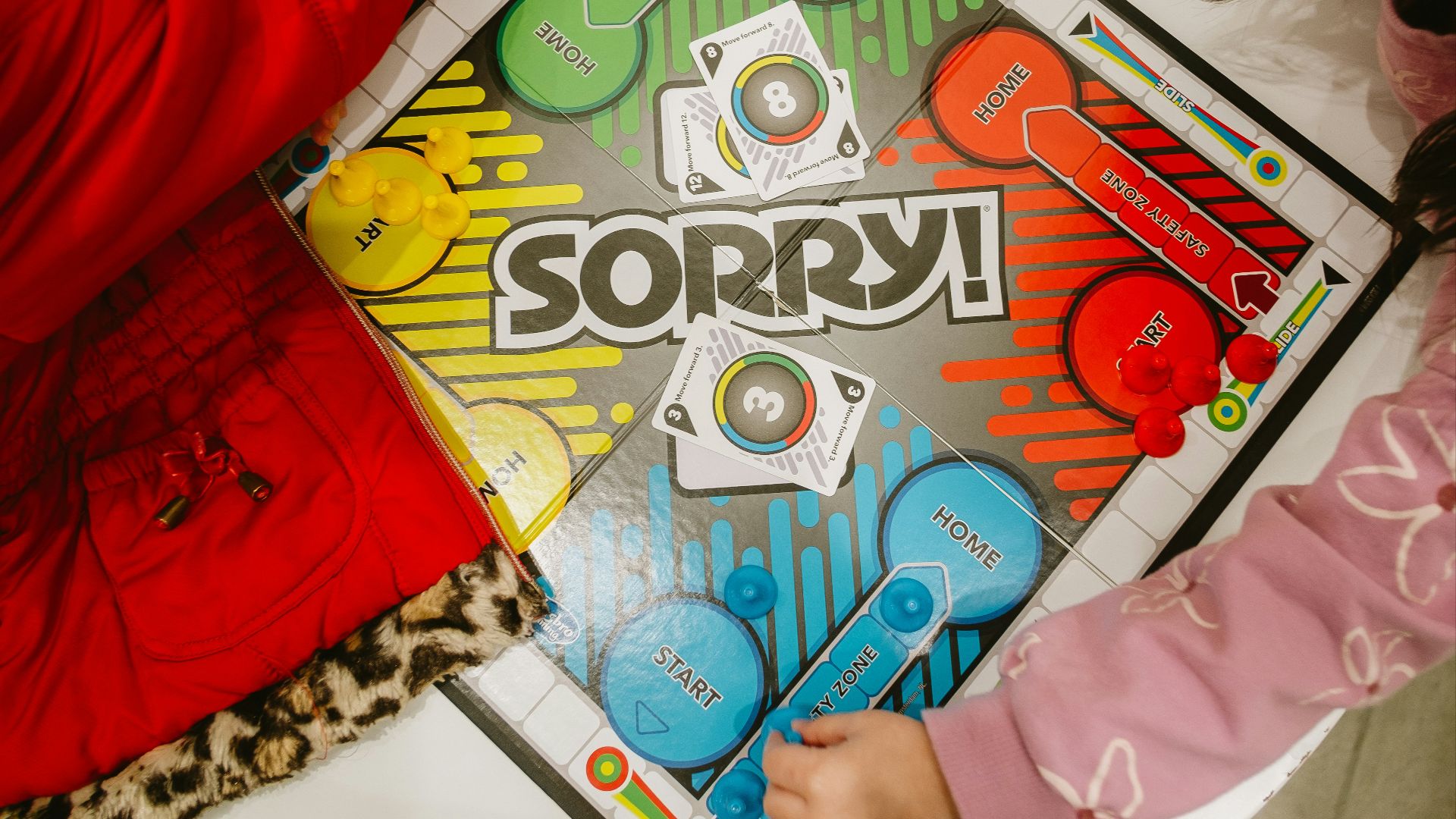
A short walk to look for the moon, a specific board game that lives on the coffee table, or a chapter of the same ongoing read-aloud costs almost nothing in terms of planning or energy.
17. Keep Bedtime Consistent
Having the same bedtime every day helps regulate children's sleep cycles and prevents the overtired spiral that makes the last hour of the evening miserable for everyone. Sleep consistency is one of the most reliably supported strategies in pediatric sleep research, and holding that line is worth the effort even when it requires some negotiation.

18. Create Supply Stations
Keeping a small set of pajamas, diapers, wipes, or a toothbrush in more than one location means you can start a routine wherever you happen to be instead of making three trips down the hall. This sounds minor, but in practice, it removes a surprising amount of friction from the evening's second half.
 Kat van der Linden on Unsplash
19. Serve Snack Plates On Rough Nights
A plate of fruit, some cheese, a handful of crackers, a bit of protein, and a dip requires no stove, no real cleanup, and almost no thought, and children often eat it enthusiastically. Family food writers have taken to calling this format a "grazing board," but the real appeal is that it feeds people on nights when cooking a full meal simply isn't happening.

20. Build A Small Ritual For Yourself
Ten minutes of tea, a short conversation with a partner, or a quick tidy done slowly and without urgency gives the evening a sense of closure that helps prevent the feeling of running nonstop from Monday through Friday. The reset doesn't need to be elaborate — it just needs to exist.