Youth Shows Up In The Defaults
People read age in a split second, and it rarely comes down to one thing. Some habits keep you looking fresher because they protect the basics that signal health, like hydration, muscle tone, sleep, and mood stability. Other habits speed up the tired look in ways that are hard to undo, mostly because they inflame, dehydrate, or grind down your body’s ability to recover. None of this requires obsession or a ten-step routine. It’s more like a handful of daily defaults that either keep you resilient or slowly borrow from the future. Here are ten habits that tend to make people seem younger, followed by ten that can age someone fast.

1. Getting Consistent Sleep
Regular sleep keeps your face from looking puffy, your eyes from looking gritty, and your mood from reading as brittle. Researchers have linked poor sleep with visible skin aging and slower recovery from daily stress, which tracks with what everyone has seen on a rough morning after a short night. A stable bedtime does more for a younger look than dramatic weekend catch-up that throws the whole rhythm off.

2. Strength Training A Few Times A Week
Muscle tone changes the way clothes hang and the way the body carries itself, and that reads as youthful in a quiet, unforced way. Strength training also supports bone density and balance, which matter more as the years stack up, and it helps counter the gradual loss of muscle that becomes more common with age. A couple of sessions a week can shift posture and confidence without turning life into a fitness identity.

3. Wearing Sunscreen Most Days
Sun exposure is one of the most documented drivers of premature skin aging, and dermatology organizations have been saying it plainly for decades. Daily sunscreen use helps prevent the uneven tone and fine wrinkling that makes skin look older even when everything else is healthy. The younger look comes from consistency, not the occasional beach day rescue.
4. Walking A Lot Without Making It A Whole Thing
People who walk regularly tend to move with more ease, and ease reads young. Walking supports circulation, joint health, and mood, and it keeps stiffness from settling into the way you stand and turn. It also tends to keep weight stable in a low-pressure way, which often shows up in the face first.

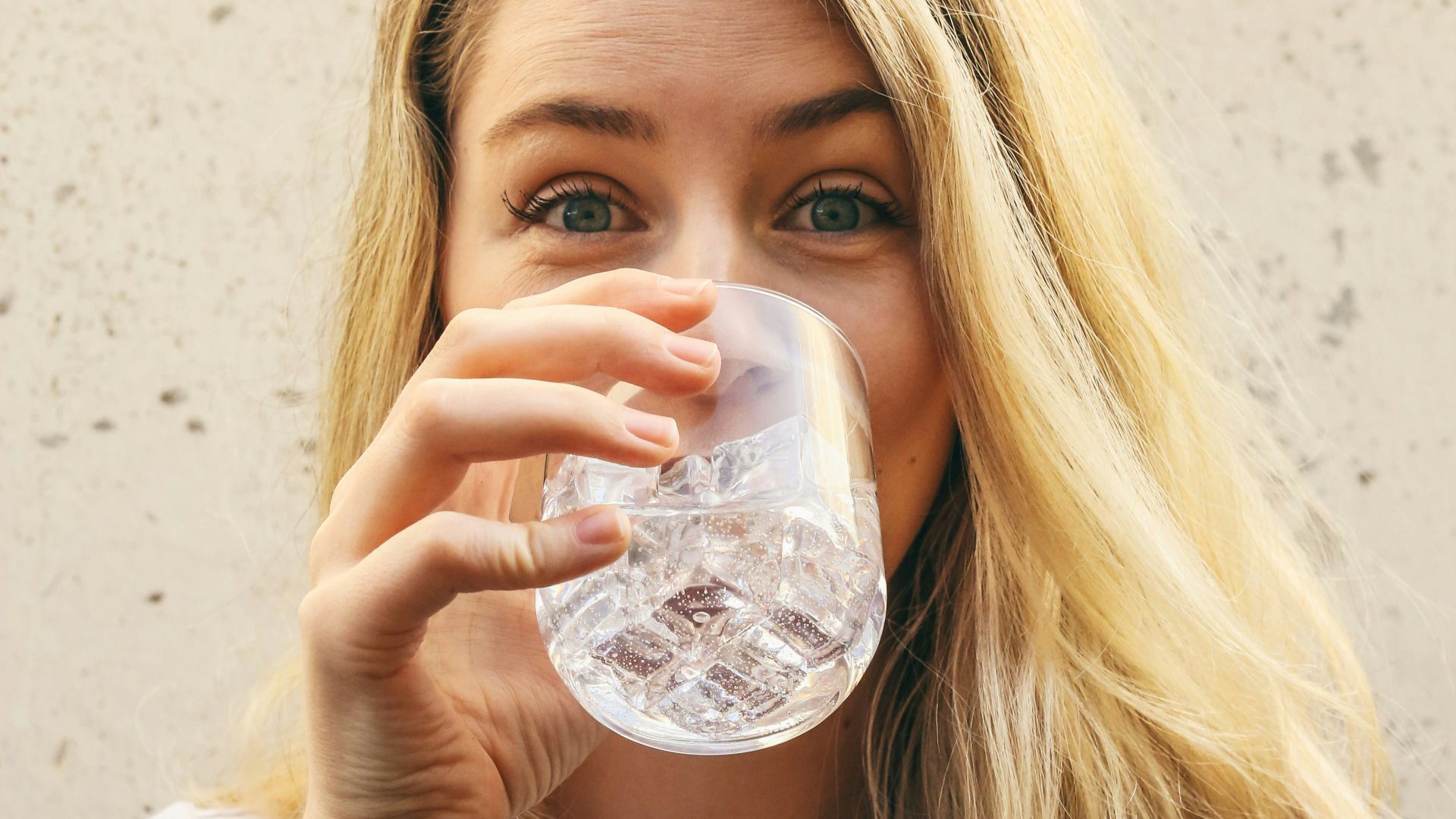
5. Drinking Water Like A Normal Routine
Hydration is not magic, yet dehydration absolutely shows, especially around the eyes and mouth. When you drink water steadily through the day, skin tends to look less crepey and makeup sits better, even if nobody is chasing a glow. It’s also one of the simplest habits for avoiding the end-of-day headache face that looks older than it is.
6. Eating Enough Protein And Colorful Produce
Protein supports muscle maintenance, and produce brings micronutrients that help skin and overall health function well. Diet patterns linked to better aging outcomes, including Mediterranean-style eating, show up often in public health research and medical guidance. A plate that regularly includes real food tends to show up as steadier energy and a less worn look.
 Sebastian Coman Photography on Unsplash
7. Keeping Alcohol Moderate
Alcohol dehydrates, disrupts sleep, and can leave the face looking puffy or drawn, depending on the person. Cutting back often shows up quickly in clearer skin and brighter eyes, mostly because the body is sleeping and recovering better. Even one less drink most nights can shift how rested someone looks.

8. Taking Stress Down A Notch On Purpose
Chronic stress can show up in the face through tension, dull skin, and habits like jaw clenching that become visible over time. People who have a regular stress outlet, like exercise, journaling, therapy, or simple quiet time, often look calmer, and calm reads young. The habit here is not never being stressed, it’s not living in fight-or-flight as a default.

9. Maintaining Friendships And Regular Laughing Time
Social connection is strongly linked in research to better health outcomes over time, and it often shows up as a lighter, more open expression. People who laugh a lot tend to carry less tightness in the face and body, which changes how age reads at a glance. A standing weekly plan with friends can do more than another product on a bathroom shelf.

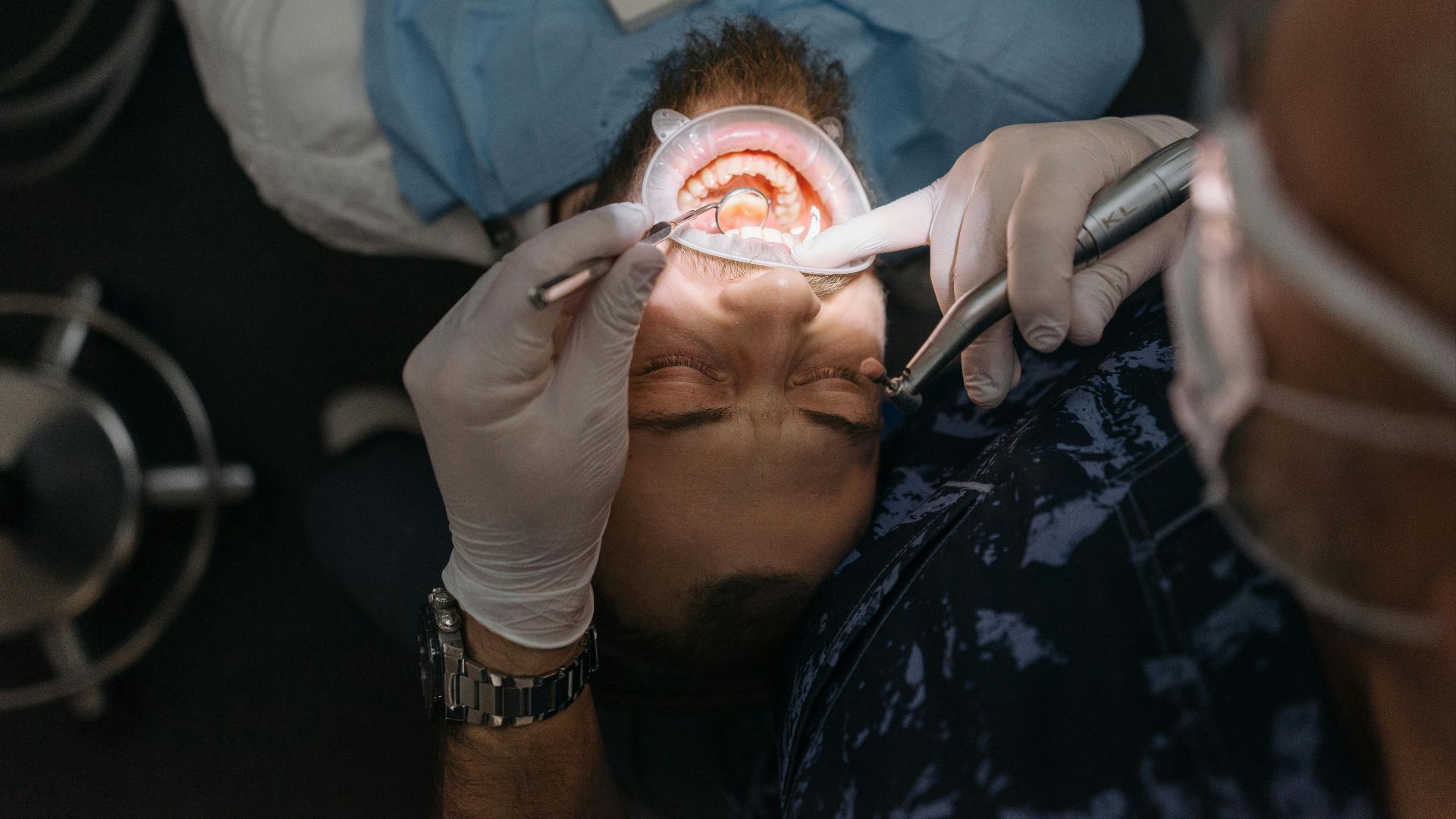
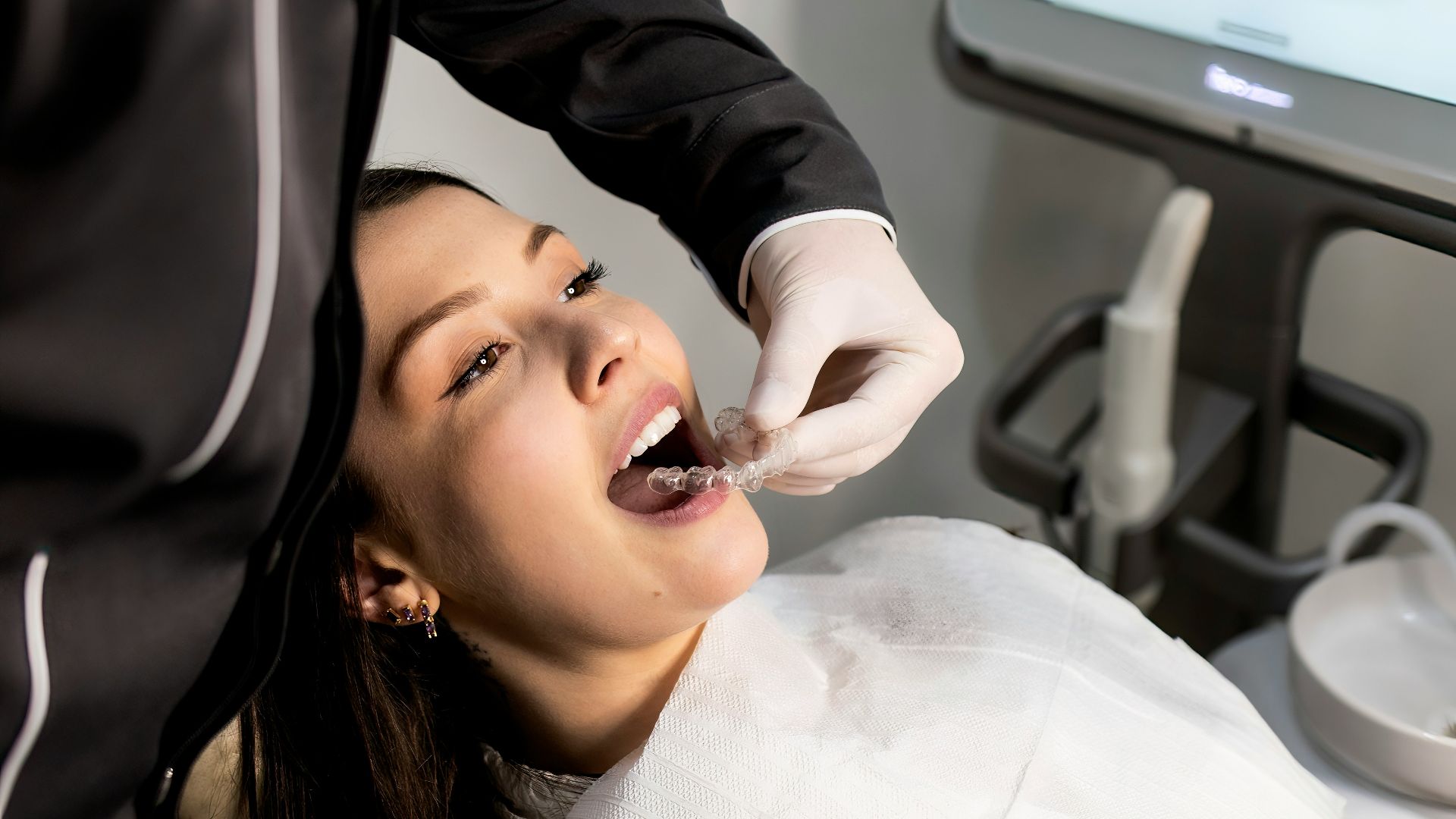
10. Taking Oral Care Seriously
Teeth and gums are a huge part of how age is perceived, and it’s not only about whiteness. Gum health, fresh breath, and a comfortable smile change someone’s whole presentation, and dental organizations consistently tie oral health to broader health markers. A steady brushing and flossing habit keeps the face and smile looking cared for in a way that reads younger.
A few habits can pull you forward, and a few can drag you fast, often without anyone noticing until the change feels sudden. Here are ten examples that set you back.
 Filip Rankovic Grobgaard on Unsplash
1. Smoking And Vaping Nicotine
Smoking has long been associated with premature wrinkling and a sallow, tired look, and medical organizations have documented the skin and vascular effects for years. The repetitive mouth motion and reduced oxygenation show up around the lips and overall tone. Even heavy nicotine vaping can come with dehydration and inflammation that makes skin look less rested.

2. Chronic Sleep Deprivation
Too little sleep makes the face look older quickly, with under-eye darkness, dull skin, and a general worn expression. Studies have linked poor sleep with worsened skin barrier function and more visible signs of aging, which aligns with how a bad stretch of nights shows up in photos. Living tired becomes a look.

3. Sunbathing And Skipping Sun Protection
Regular unprotected sun exposure can create wrinkles, dark spots, and rough texture that reads older than the calendar age. Dermatology groups consistently describe ultraviolet exposure as a major contributor to photoaging. Tanning is basically a fast track to uneven tone that is hard to reverse.

4. Drinking Heavily Or Frequently
Heavy drinking tends to show up in the skin first, often as redness, puffiness, and a tired, dehydrated look. It also disrupts sleep quality, which compounds the effect even if someone technically gets enough hours. The aging effect stacks because the body spends less time repairing.

5. Crash Dieting And Repeated Weight Cycling
Losing and regaining weight repeatedly can change facial fullness and skin elasticity in a way that reads older over time. It also tends to come with stress, poor sleep, and nutrient gaps that show up in hair, nails, and skin. Steady, sustainable habits usually keep people looking more stable and less strained.
 Farhad Ibrahimzade on Unsplash
6. Staying Sedentary Most Days
A sedentary routine can make posture collapse, joints stiffen, and movement look cautious, which often reads as older. It also affects circulation and mood, both of which show up in the face. Even if weight does not change much, the body can still look less lively.

7. Living On Ultra-Processed Foods Most Of The Time
A diet heavy in ultra-processed foods can leave people looking puffy, inflamed, and low-energy, especially when sodium is high and fiber is low. It also tends to crowd out protein and produce that support better aging. The face can look dull in a way that mirrors how the body feels.

8. Constant High Stress With No Off Switch
When stress never drops, it shows up in tension lines, tight shoulders, shallow breathing, and an expression that looks braced. Chronic stress is linked in research to a range of health effects, and the visible part is often the least of it. The habit of never recovering is what ages people.

9. Neglecting Posture And Mobility
Tech-neck posture, rounded shoulders, and stiff hips can make someone look older even with great skin. Mobility work and simple stretching keep movement smoother, which changes how age is perceived instantly. Slumped posture reads like fatigue, even on a good day.
 Christina @ wocintechchat.com M on Unsplash
10. Skimping On Oral Care
When oral care slips, it can age someone quickly through discoloration, gum issues, and a smile that becomes guarded. Dental problems also affect facial structure over time, and they can shift how relaxed someone feels about speaking and laughing. A small daily habit here prevents a big visible change later.