Life Lessons That Pay Off for Years
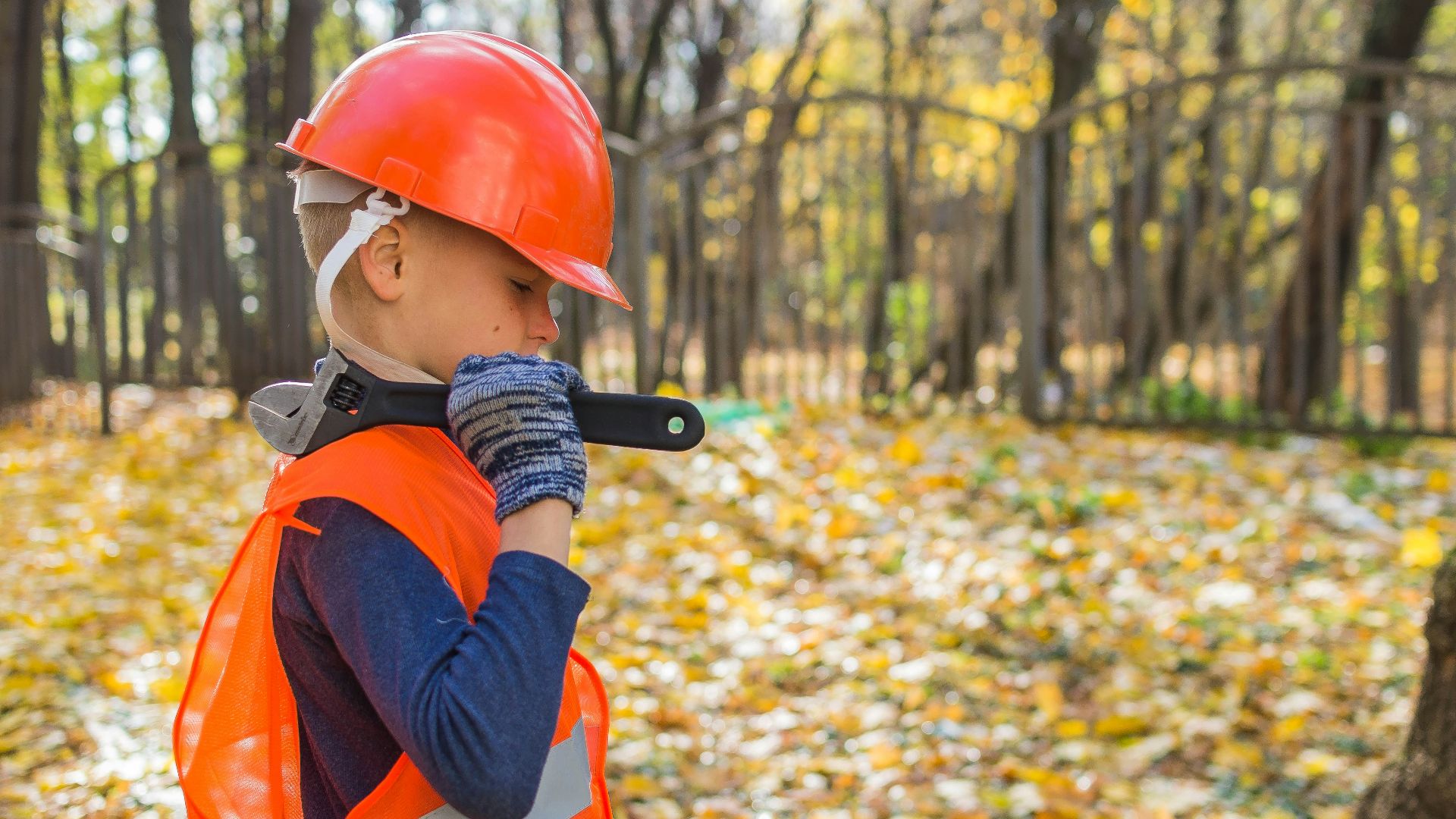
Children don't need to master every adult responsibility before they leave home, but certain practical life skills make growing up far less stressful. The earlier kids begin learning these abilities, the more confident, independent, and capable they often become when new challenges appear. Many adults look back and wish they'd learned some of these lessons sooner because they save time, reduce mistakes, and make everyday life easier. Here are 20 life skills kids appreciate learning earlier than later.
1. Managing Money
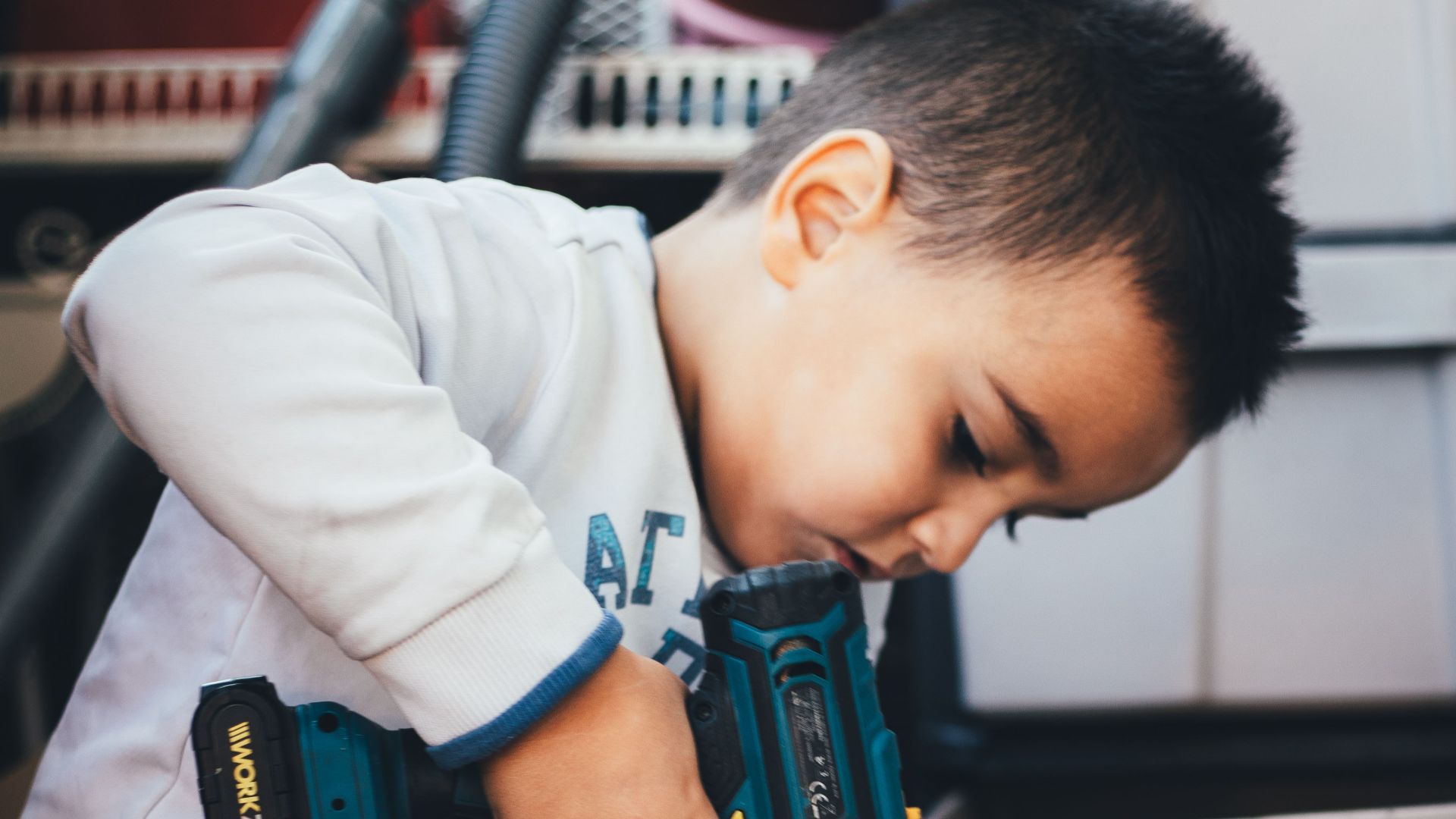
Learning how money works helps kids understand the difference between wants and needs. When they practice budgeting, saving, and spending thoughtfully, they're less likely to make impulsive financial decisions later. Even simple lessons like tracking allowance money can build habits that last for years.

2. Cooking Simple Meals
Knowing how to prepare a few basic meals gives children a sense of independence. It also helps them make healthier food choices when they eventually live on their own. Starting with simple dishes teaches kitchen safety and builds confidence around food preparation.
3. Keeping a Calendar
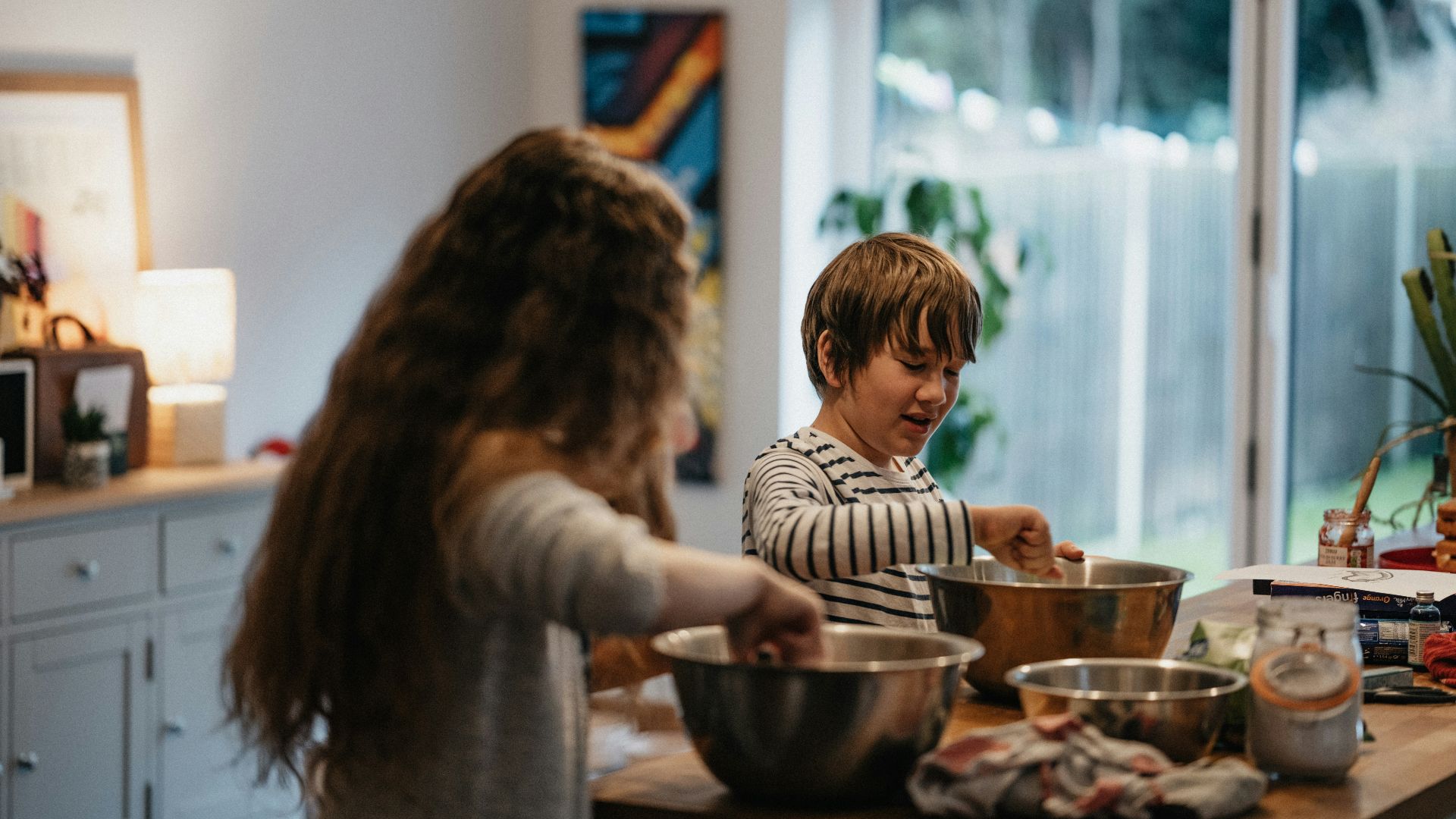
Many adults wish they'd developed organizational habits earlier. Teaching kids to use a calendar for school assignments, activities, and appointments helps them manage their time more effectively. Over time, they learn how to balance responsibilities without feeling overwhelmed.

4. Doing Laundry
Laundry seems simple until someone has to do it alone for the first time. Kids who learn how to sort clothes, use detergent properly, and follow care labels avoid common mistakes that can damage clothing. It's a practical skill they'll use throughout their lives.

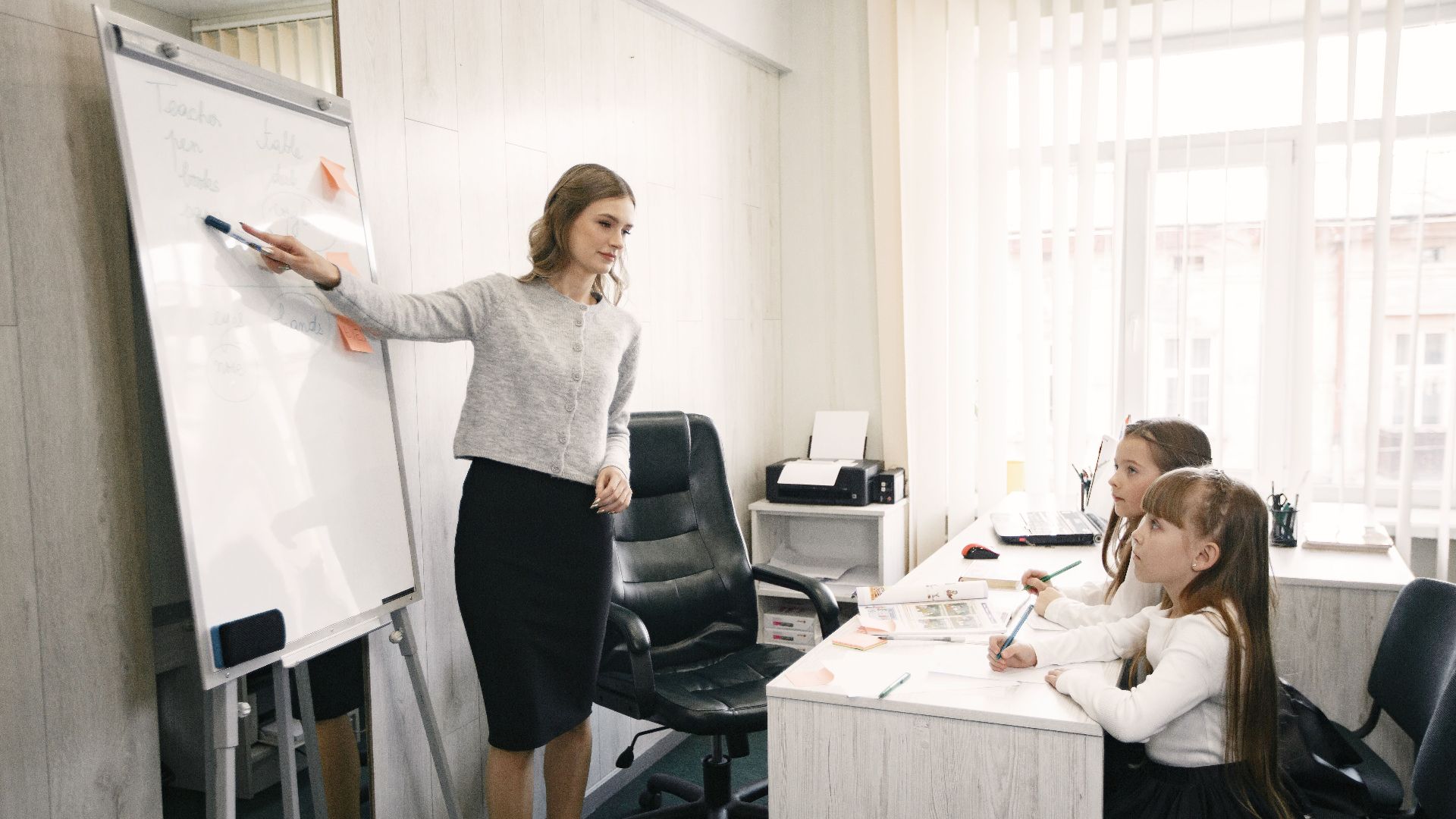
5. Communicating Respectfully
Good communication isn't just about talking; it's also about listening. Children who learn how to express themselves clearly and respectfully often build stronger relationships with friends, teachers, and coworkers later on. These skills can also help them resolve disagreements more effectively.
 Timur Shakerzianov on Unsplash
6. Reading Instructions Carefully
Whether assembling furniture, completing an assignment, or using new technology, instructions matter. Kids who develop the habit of reading directions before starting often avoid frustration and unnecessary errors. This skill carries over into countless situations during adulthood.
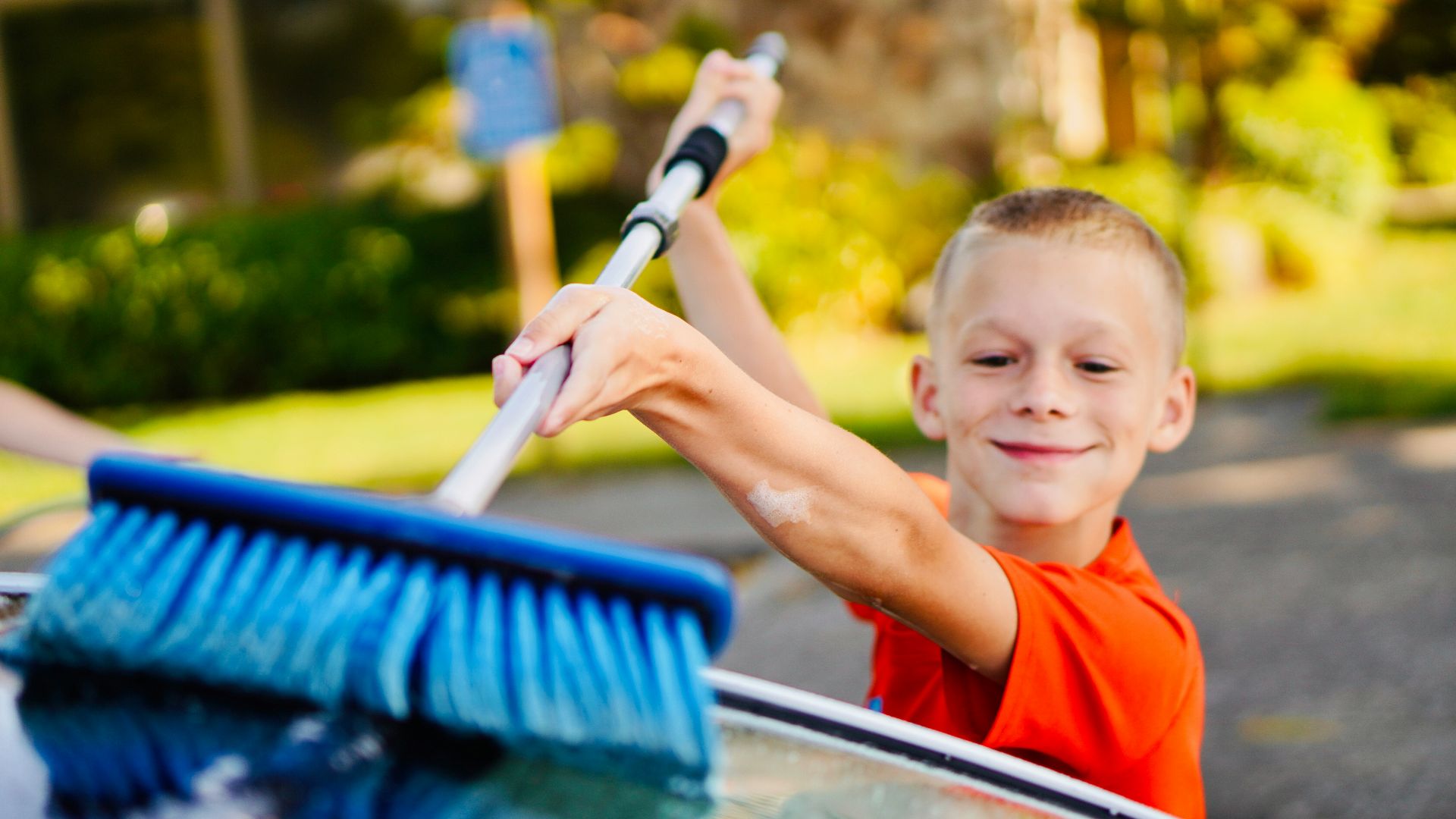
7. Cleaning Up After Themselves
Learning to clean up personal spaces teaches responsibility and consideration for others. Regular habits such as making the bed, putting away belongings, and wiping down surfaces prevent chores from becoming overwhelming. Small efforts done consistently usually make a big difference.
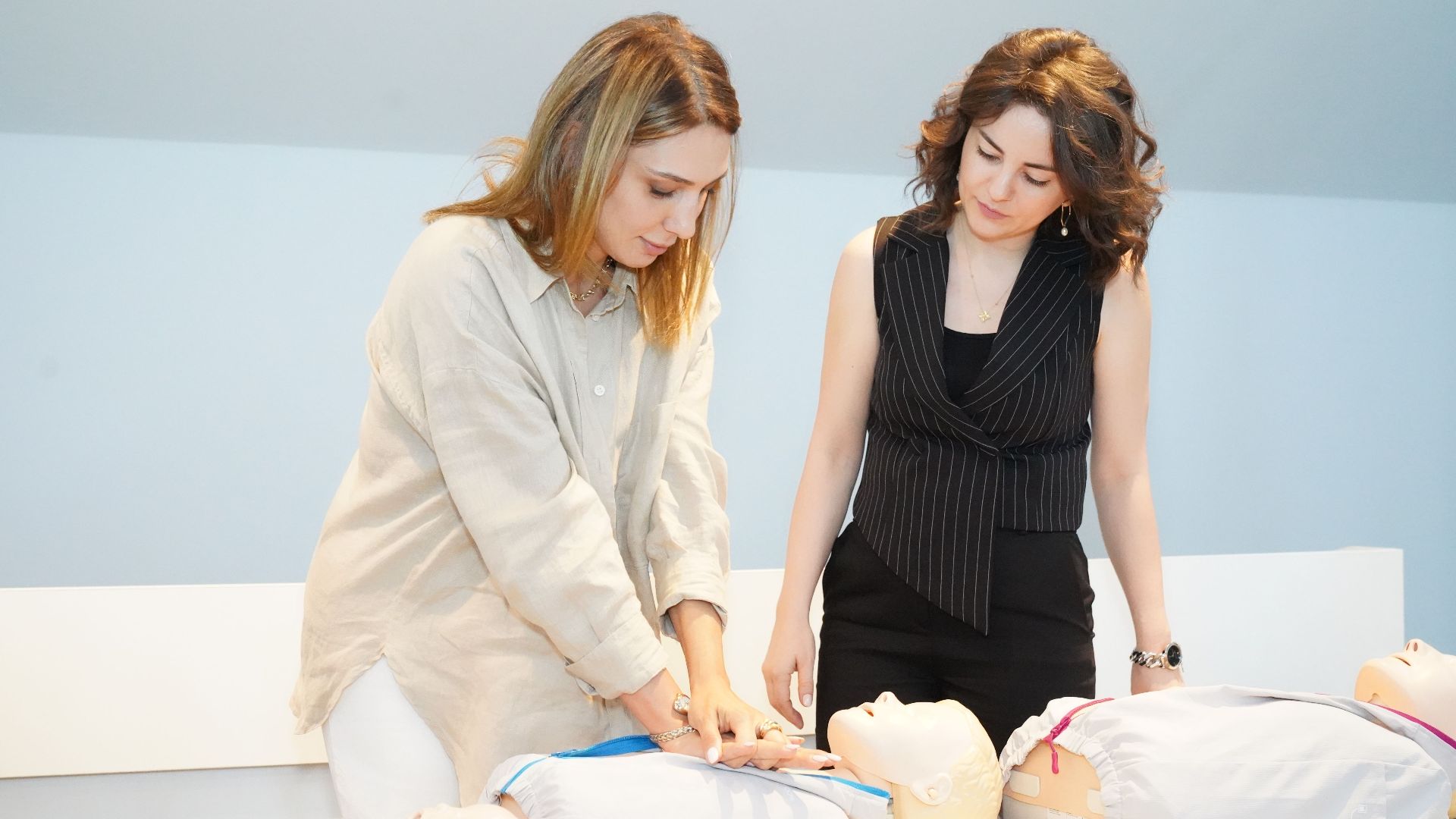
8. Understanding Basic First Aid
Every child benefits from knowing how to respond to minor injuries. Learning when to clean a cut, apply a bandage, or seek adult help can improve safety and confidence. Basic first-aid knowledge also encourages kids to stay calm during minor emergencies.
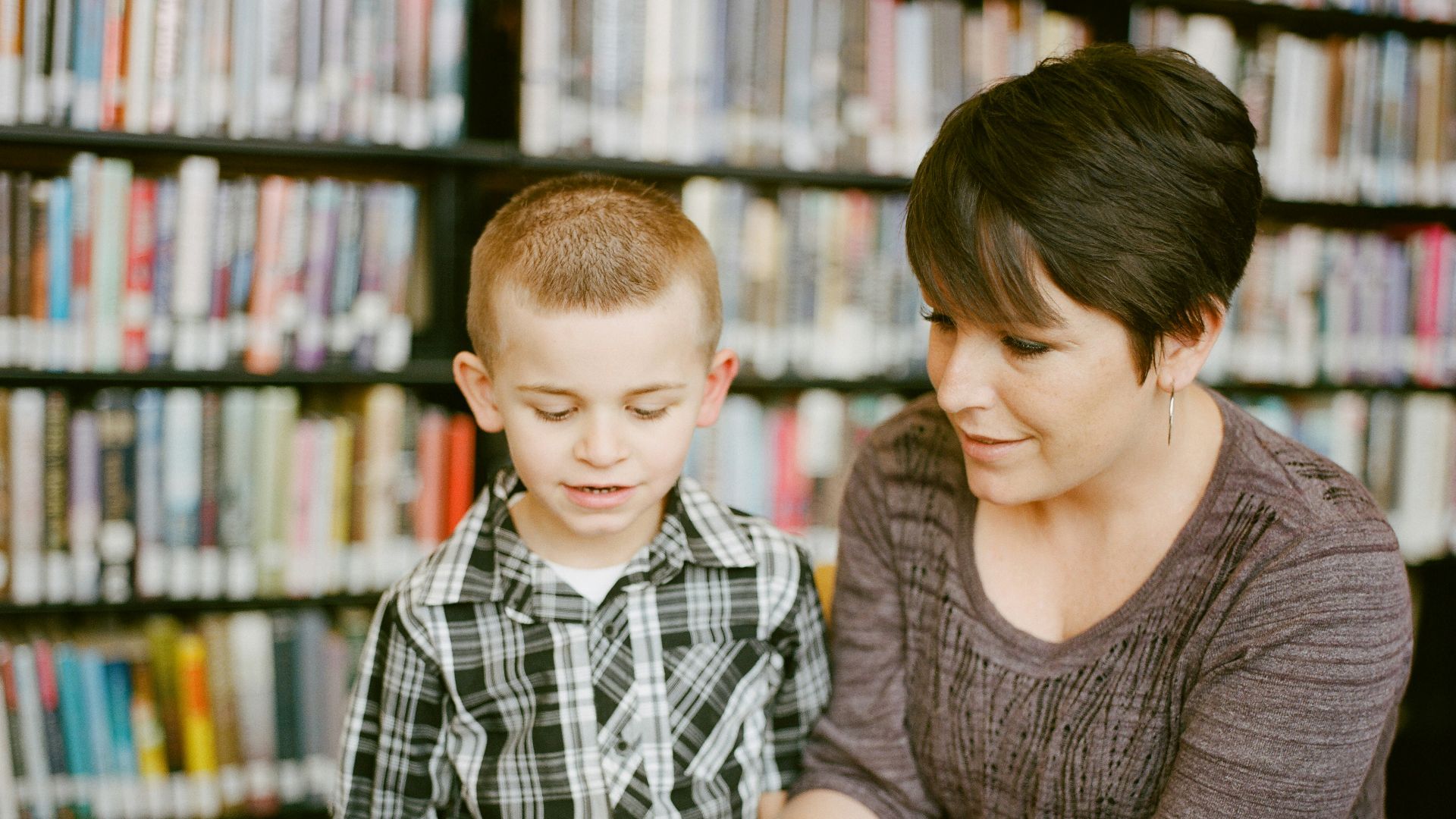
9. Solving Problems Independently
It's tempting to step in whenever children face difficulties, but problem-solving is learned through practice. When kids are encouraged to think through challenges, they develop resilience and critical-thinking skills. Those experiences often prepare them for larger responsibilities later.
10. Using Public Etiquette
Good manners extend far beyond saying "please" and "thank you." Understanding how to behave respectfully in public spaces helps children interact comfortably with people from different backgrounds. These habits can leave positive impressions throughout life.
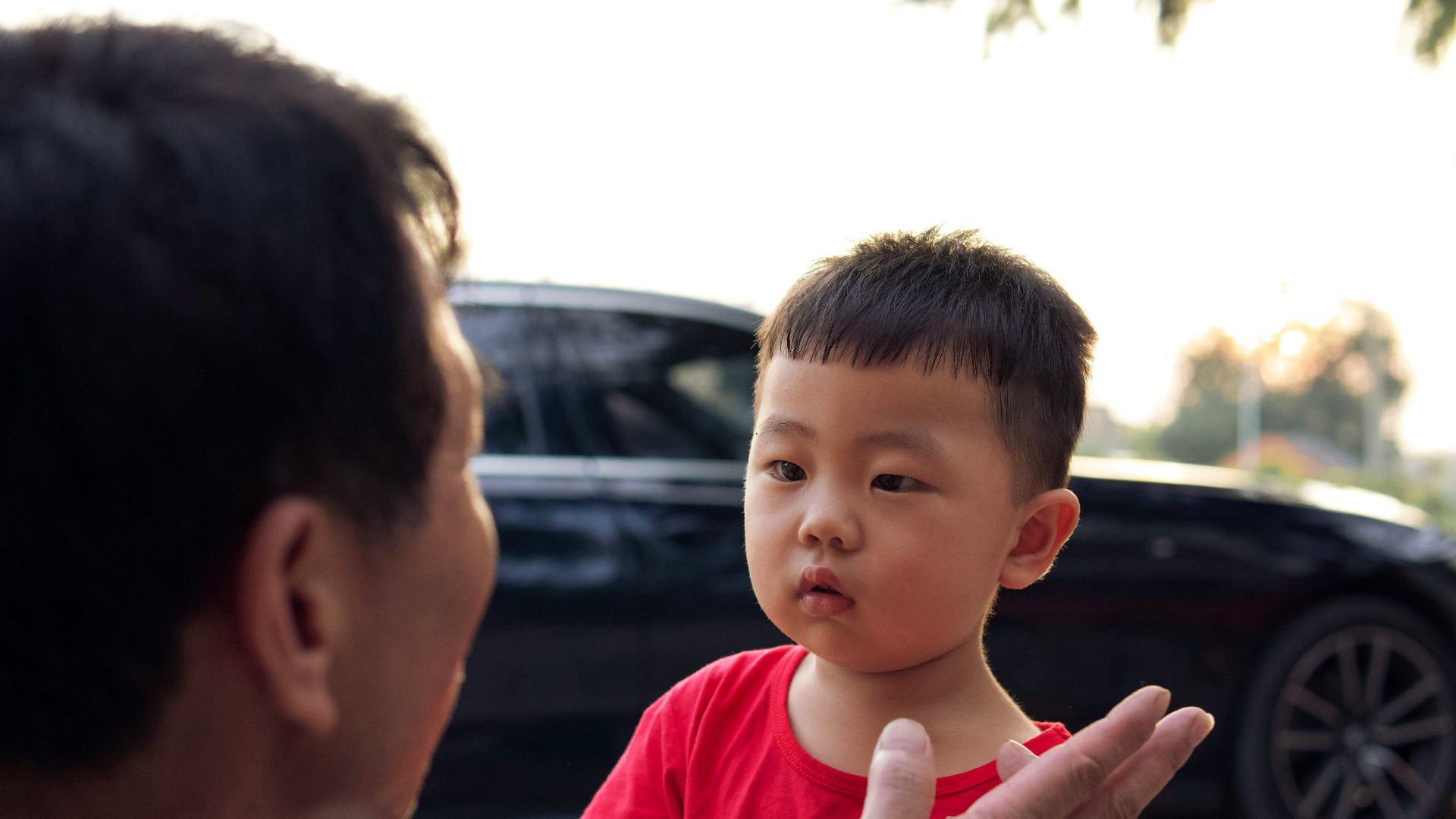
11. Asking for Help When Needed
Independence is valuable, but knowing when to seek assistance is equally important. Kids who learn this balance often avoid unnecessary stress and frustration. Asking questions and requesting guidance can prevent small problems from becoming larger ones.
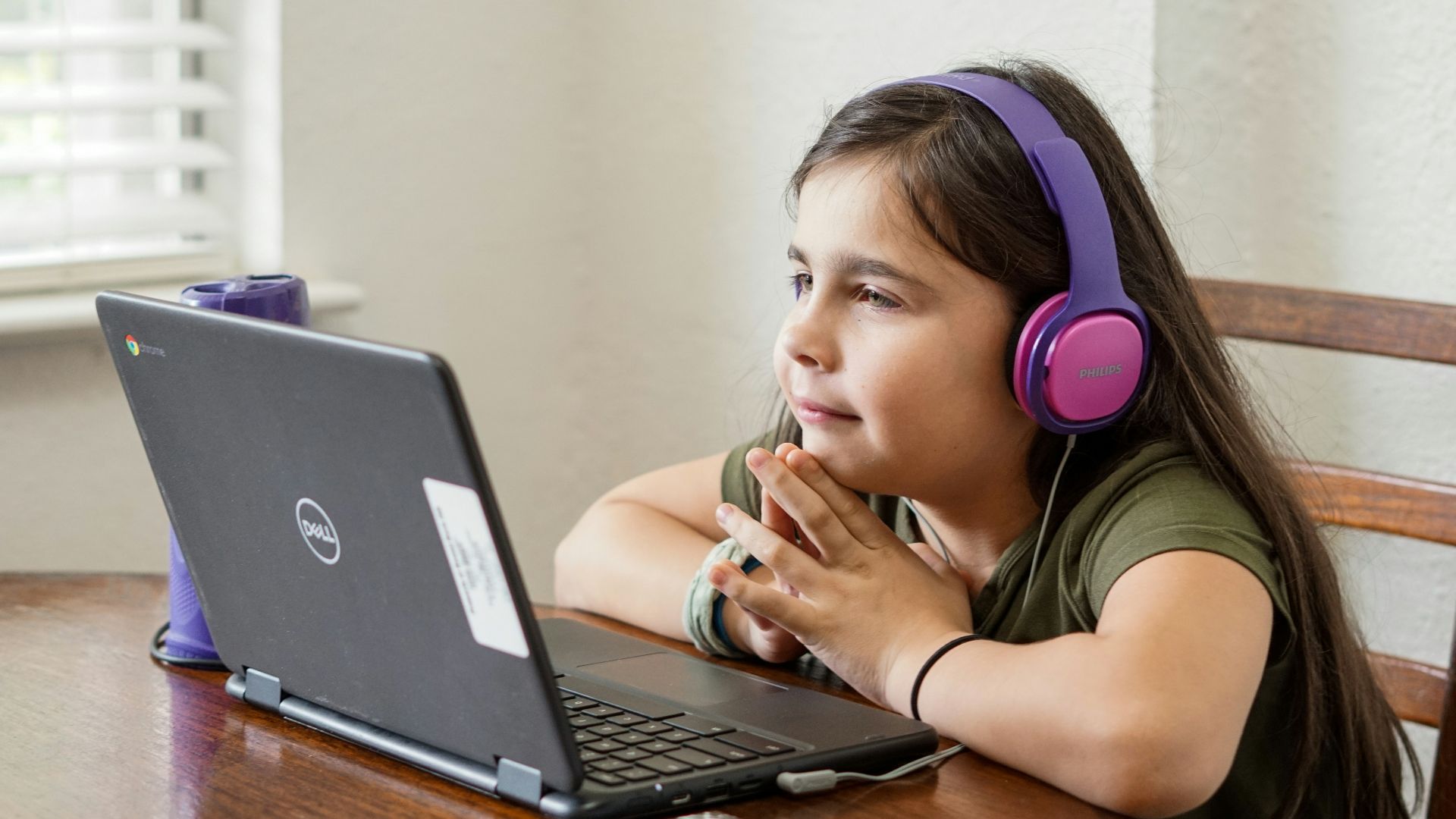
12. Practicing Online Safety
Modern children spend significant time online, making digital safety essential. Understanding strong passwords, recognizing suspicious messages, and protecting personal information reduces risks. Early awareness helps create safer online habits as technology becomes a bigger part of daily life.
13. Handling Constructive Criticism
Feedback can feel uncomfortable at any age, yet it's often necessary for growth. Children who learn to accept constructive criticism without taking it personally are usually better equipped to improve skills and performance. This ability benefits them in school, work, and relationships.
14. Making Basic Household Repairs
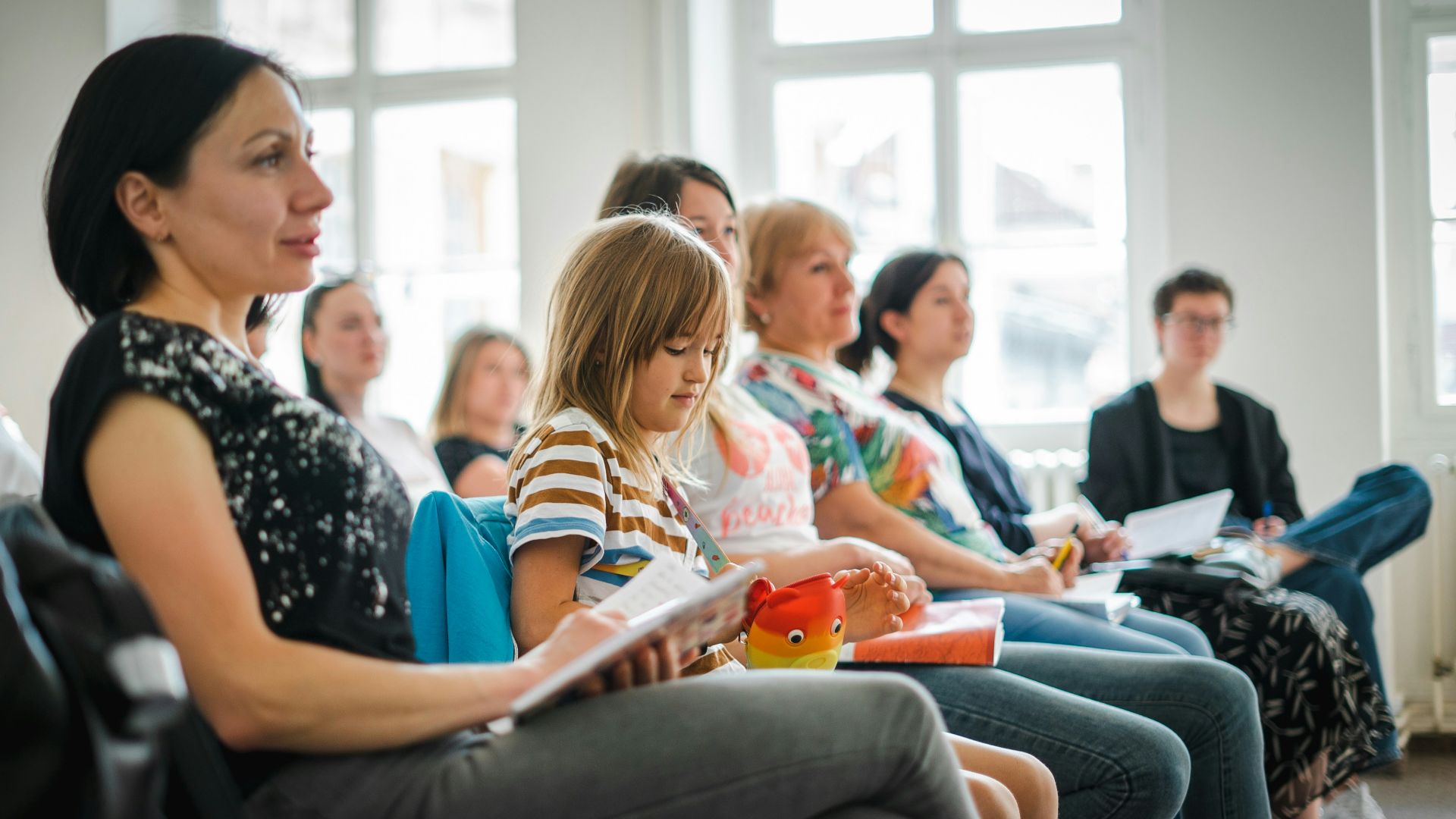
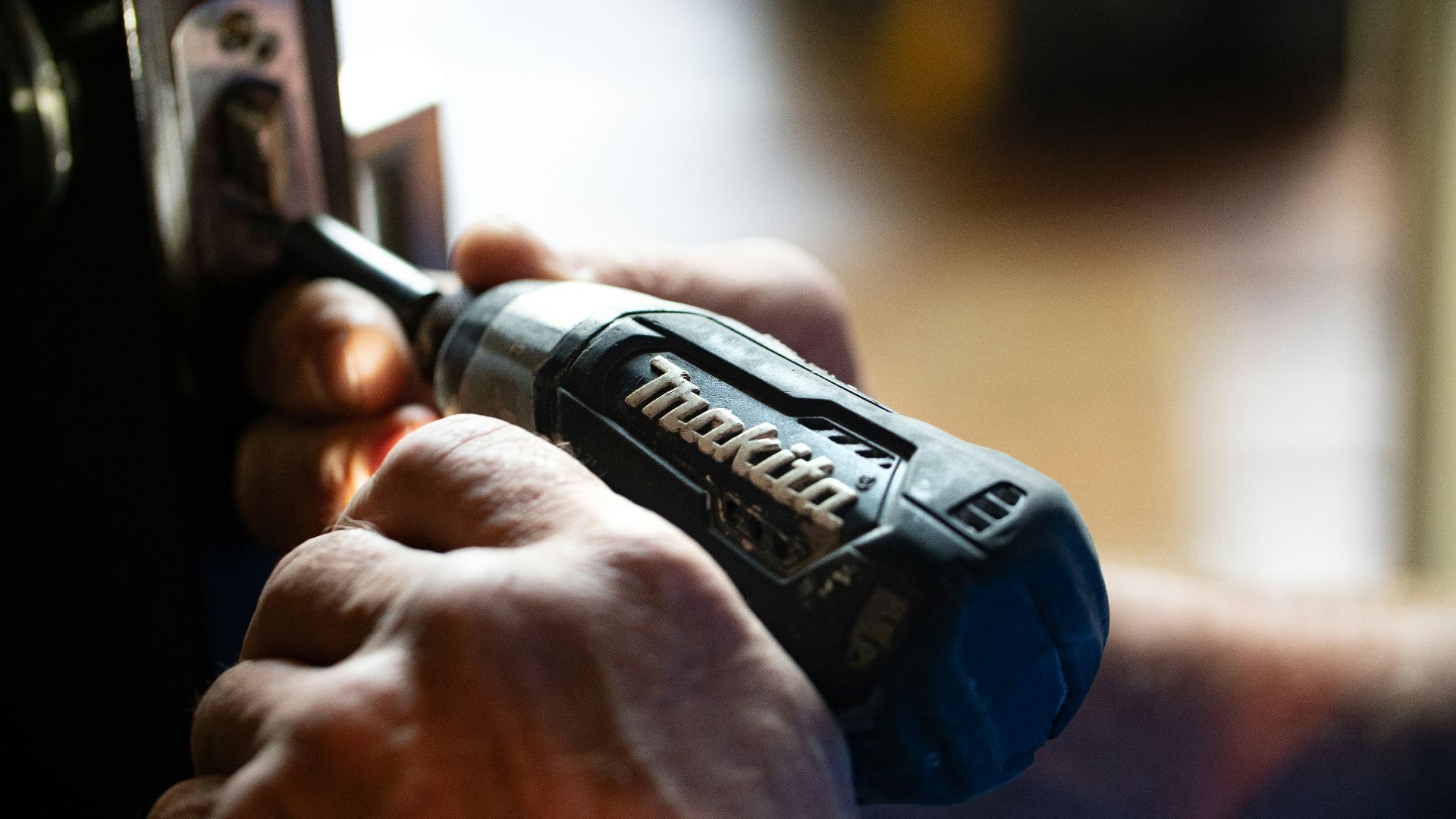
Not every repair requires professional help. Simple tasks such as changing batteries, tightening loose screws, or replacing light bulbs can save time and money. Learning these skills early helps children feel more capable when minor problems arise.
15. Writing Professional Messages
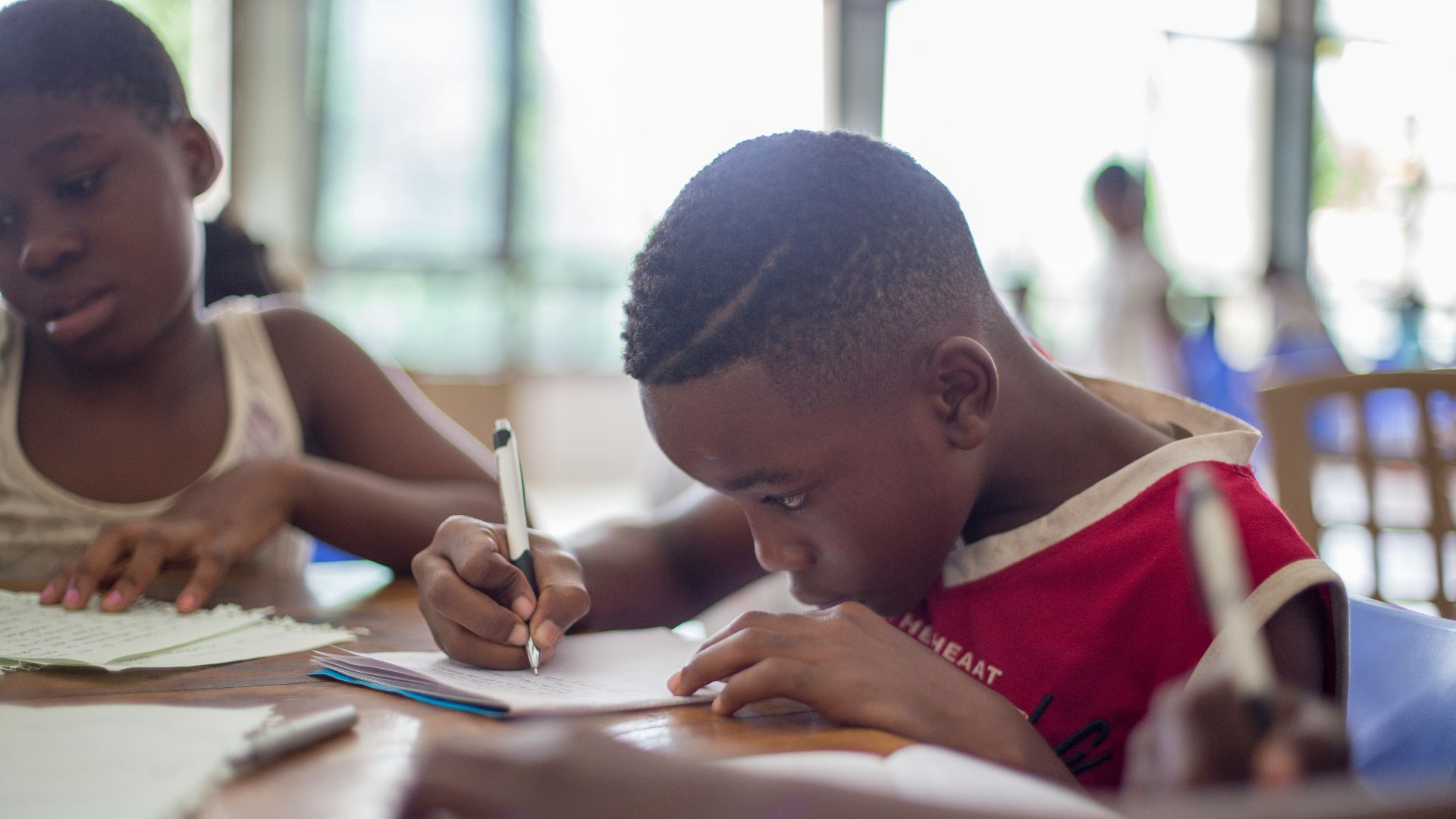
As kids become teenagers, they'll increasingly communicate through email and messaging platforms. Knowing how to write clear, polite messages helps them interact effectively with teachers, employers, and other adults. Strong written communication remains valuable in nearly every career.

16. Comparing Information Critically
Children are exposed to more information than ever before. Learning how to evaluate claims, check facts, and consider reliable sources helps them make informed decisions. Critical thinking reduces the likelihood of being misled by inaccurate information.
17. Navigating Basic Transportation
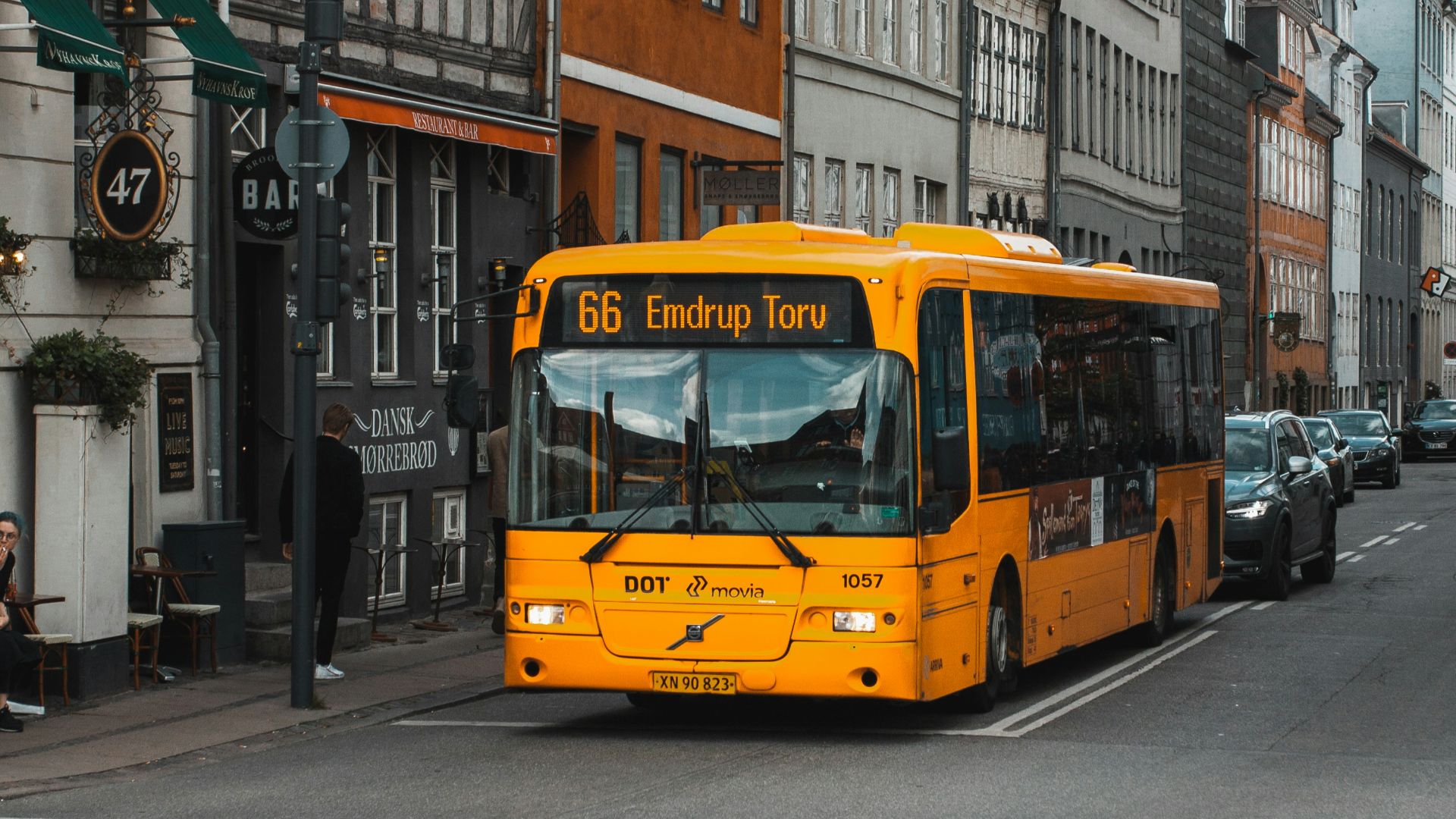
Understanding how transportation systems work builds confidence and independence. Whether it's reading schedules, understanding routes, or planning travel safely, these skills help kids become more self-sufficient. They also encourage better decision-making while moving through unfamiliar places.
18. Managing Emotions Appropriately
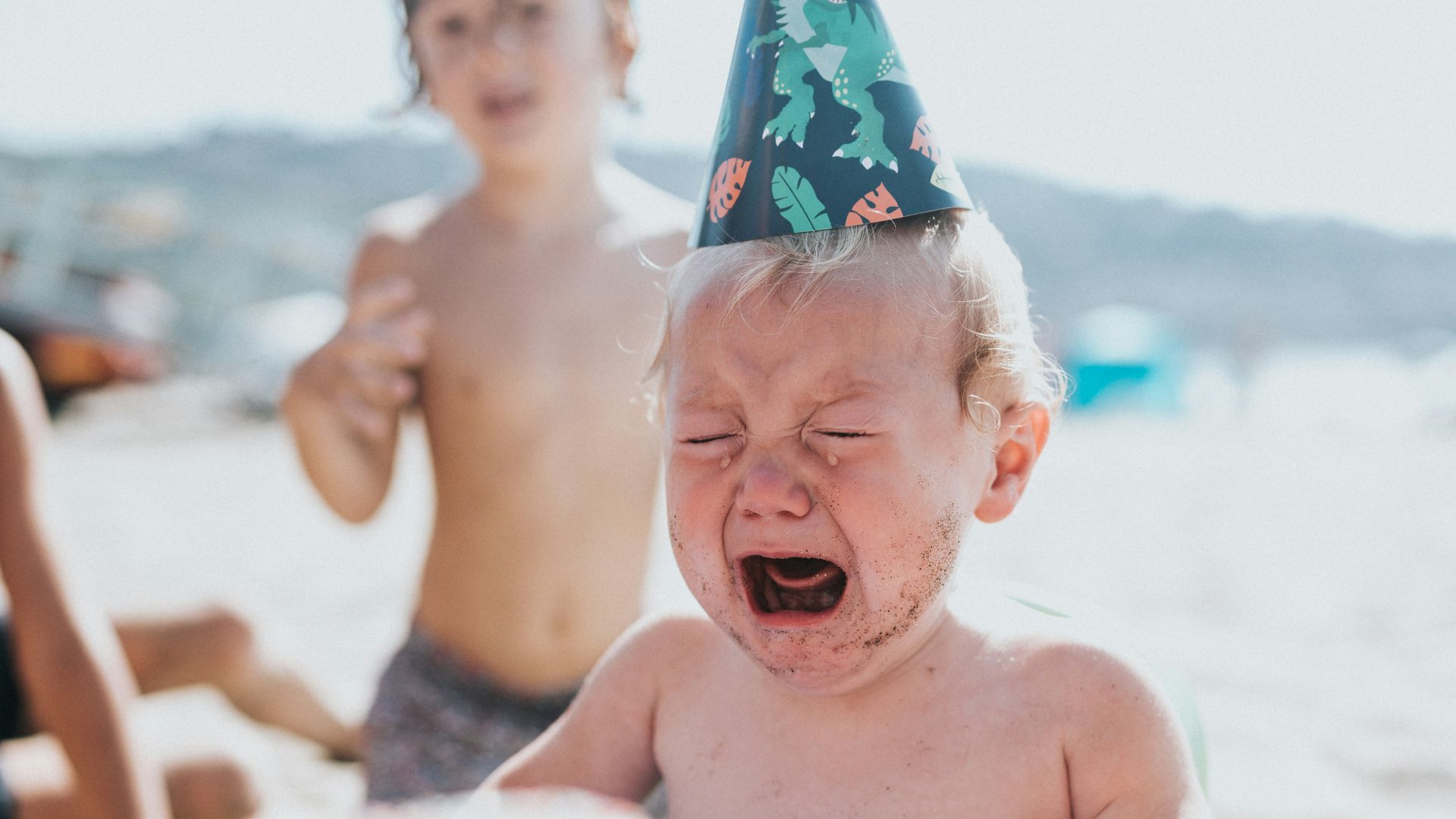
Strong emotions are a normal part of life, but handling them constructively takes practice. Children who learn healthy coping strategies are often better prepared for stress, disappointment, and conflict. Emotional management can contribute to stronger relationships and better well-being.
19. Setting Personal Goals
Goal-setting teaches children how to work toward something meaningful over time. By breaking larger objectives into smaller steps, they learn patience and persistence.

20. Understanding Basic Personal Safety
Personal safety includes recognizing risky situations, trusting instincts, and knowing how to respond appropriately. Kids who learn these concepts early often feel more confident navigating the world around them.