Planning a wedding is supposed to be one of the most exciting periods in a couple's life, yet creating the guest list often introduces unexpected stress. Every invitation represents a decision about relationships, family expectations, and financial priorities, which can make the process far more complicated than many people anticipate. While most couples want to celebrate with everyone they care about, practical limitations usually force difficult choices along the way.
After the wedding is over, some newlyweds quietly realize they would've approached the guest list differently if given a second chance. Their regrets rarely involve major conflicts or dramatic incidents. Instead, they often come from recognizing that certain invitations added unnecessary pressure, increased expenses, or prevented the event from feeling as personal as they had hoped.
The Desire to Please Everyone Can Backfire
One of the most common reasons couples regret their guest list is that they spend too much time trying to satisfy other people's wishes. Parents, grandparents, and extended family members frequently have opinions about who should be invited, and those opinions can be difficult to ignore. In many cases, couples agree to additional guests simply to avoid uncomfortable conversations.
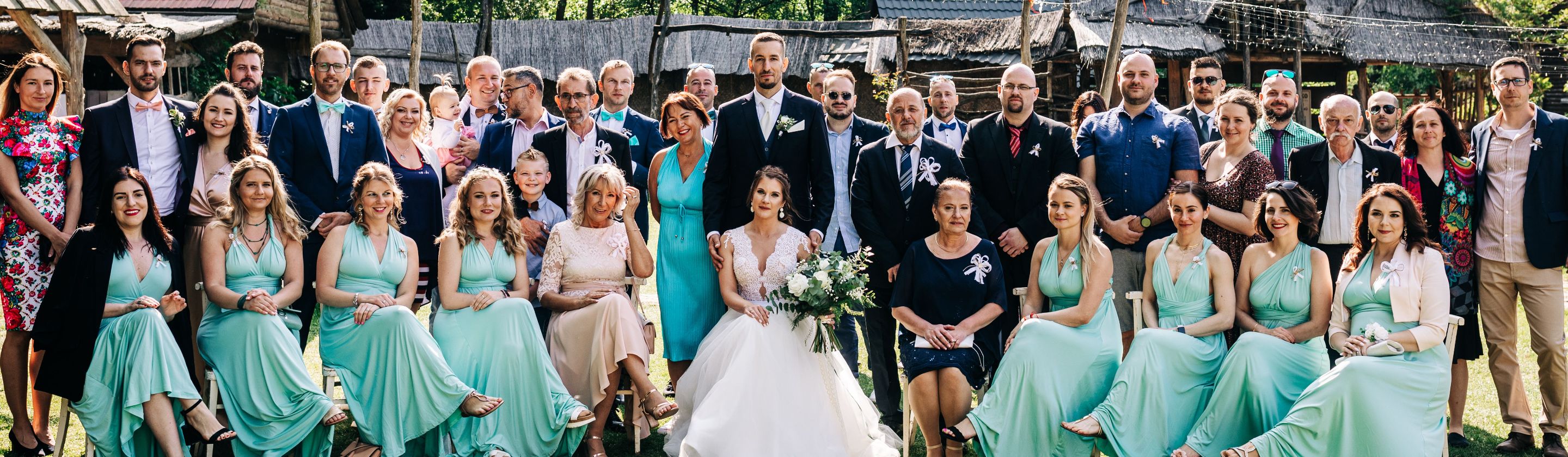
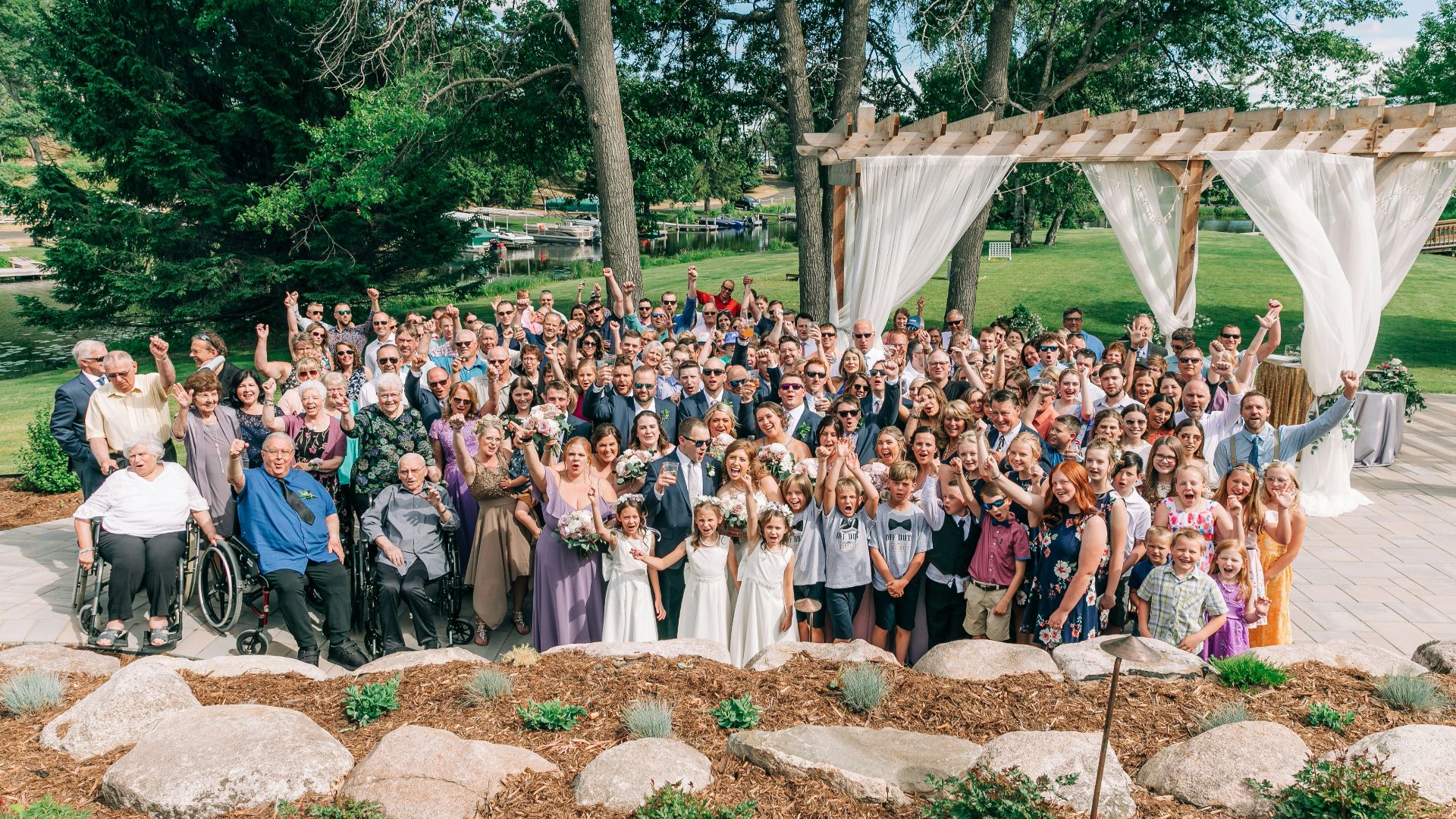
As the list grows, the wedding often begins to drift away from the couple's original vision. A celebration that was meant to include close friends and family can gradually expand to include distant relatives, old acquaintances, and people the couple barely knows. While each addition may seem minor on its own, the combined effect can significantly alter the atmosphere of the event.
Many newlyweds later realize that most people would've understood if they had kept the guest list smaller. The fear of disappointing someone often feels much greater during the planning process than it does afterward. Looking back, some couples wish they had focused less on managing expectations and more on creating the experience they truly wanted.
Bigger Guest Lists Often Mean Less Meaningful Time
Large weddings can create a lively and energetic environment, but they also come with trade-offs that aren't always obvious at first. One of the biggest surprises for many couples is how little time they actually spend with individual guests during the celebration. Between photos, speeches, meals, and greetings, the day passes remarkably quickly.
Instead of enjoying extended conversations with their closest friends and relatives, newlyweds often find themselves moving from table to table throughout the reception. Each interaction may last only a few minutes before another guest requires attention. By the end of the evening, some couples feel as though they spent more time managing the event than participating in it.
Smaller gatherings tend to allow for deeper connections and more memorable interactions. Guests often feel more engaged because they have stronger relationships with the couple and with one another. When couples reflect on their wedding years later, they sometimes realize that reducing the guest count would've allowed them to enjoy more meaningful moments with the people who mattered most.
Obligation Invitations Can Lead to Regret
 Jennifer Kalenberg on Unsplash
Not every name on a wedding guest list earns its place because of a close personal relationship. Some invitations are extended out of habit, courtesy, or a sense of obligation rather than genuine desire. Former coworkers, distant relatives, and longtime acquaintances often find their way onto the list for reasons that have little to do with the couple's current life.
These decisions are understandable because social expectations can be difficult to navigate. People worry about hurting feelings or creating tension within their family or social circle. As a result, they sometimes invite individuals they haven't spoken to in years simply because it feels like the polite thing to do.
After the wedding, many couples discover that their favorite memories involve the people who actively support them in everyday life. The guests who bring warmth, laughter, and meaningful conversations are usually those with whom they share genuine connections. That realization can make obligation-based invitations stand out more clearly in hindsight, especially when those extra guests increase costs or reduce opportunities to spend time with loved ones.
Most couples don't regret their wedding day itself, but some do regret portions of the guest list that shaped the experience. The challenge is that these decisions often involve balancing personal preferences against family expectations and social pressures. While no guest list will ever be perfect, many newlyweds conclude that focusing on meaningful relationships rather than obligations would have created a celebration that felt more personal, relaxed, and memorable from beginning to end.