 Australian National Maritime Museum on The Commons on Wikimedia
World War II changed more than politics, borders, and economies. It also changed how women were expected to look, dress, groom, and present themselves in everyday life. During the war, clothing had to be practical, with fabric rationed, and many women entering the workforce. Beauty still mattered, but it often had to fit around long workdays, shortages, and the very real need for usefulness.
After the war, the cultural mood shifted quickly. Advertisers, fashion designers, movie studios, and magazines began promoting a softer, more polished version of femininity. Women were encouraged to look glamorous, domestic, youthful, and carefully styled, even while many were being pushed back toward home-centered roles. If wartime beauty had been about making do, postwar beauty became about looking as though life had become elegant, orderly, and comfortable again.
Before the war, beauty standards had already moved through several dramatic changes. The 1920s favored a slimmer, youthful, boyish look with bobbed hair, dropped waists, and a more rebellious attitude toward makeup and fashion. By the 1930s, the ideal became more polished and elegant, with bias-cut gowns, softer waves, arched brows, and Hollywood glamour shaping what women admired. World War II interrupted that mood by making beauty more practical, which is why the return to highly styled femininity afterward felt so noticeable.
The Return of Curves, Waistlines, & Polished Femininity
One of the biggest beauty shifts after World War II was the return of the hourglass figure. Wartime clothing had been shaped by rationing, which meant shorter skirts, simpler cuts, stronger shoulders, and more practical silhouettes. After the war, designers embraced fuller skirts, rounded shoulders, padded bustlines, and tightly defined waists. Christian Dior’s 1947 “New Look” became famous because it made fashion feel luxurious again after years of restriction.
This new ideal celebrated a body that looked soft, feminine, and carefully shaped. Girdles, structured undergarments, padded bras, and tailored dresses helped create the desired silhouette, whether a woman naturally had it or not. Clothes weren't simply placed on the body; the body was expected to cooperate with the clothes. It looked elegant in photographs, but in daily life, it could make beauty feel like a very determined construction project.
The postwar style also pushed back against the more utilitarian image of wartime women. During the war, women had proven they could do demanding jobs in trousers, uniforms, headscarves, and sturdy shoes. Once peace arrived, the pendulum swung hard the other way, with long dresses, heels, lipstick, gloves, and neat hairstyles gaining popularity.
Hollywood & Advertising Made Beauty More Commercial
Hollywood had a huge influence on postwar beauty standards. Actresses such as Marilyn Monroe, Grace Kelly, Elizabeth Taylor, and Audrey Hepburn helped define different versions of ideal femininity. Some stars represented curves, glamour, and sensuality, while others made elegance, slimness, and restraint look fashionable. Women could look to the screen and see beauty standards performed with perfect lighting, professional styling, and not a single visible laundry basket nearby.
At the same time, advertising became more powerful in shaping what women thought they needed. Cosmetics companies promoted foundation, powder, mascara, lipstick, perfume, cold cream, and hair products as essential tools for modern life. Beauty was no longer just about personal taste, special occasions, or local customs. It became something women were encouraged to buy, maintain, improve, and refresh as part of being modern.
Television also helped bring beauty expectations into the home. The ideal woman in postwar media often looked tidy while cooking, cleaning, parenting, shopping, or hosting guests. She might be handling housework, but she was still expected to look pleasant, composed, and attractive while doing it. That image created a strange kind of pressure, because even private life started to feel like it needed fresh lipstick and a good dress.
Youth, Respectability, & Control Became Part of the Ideal
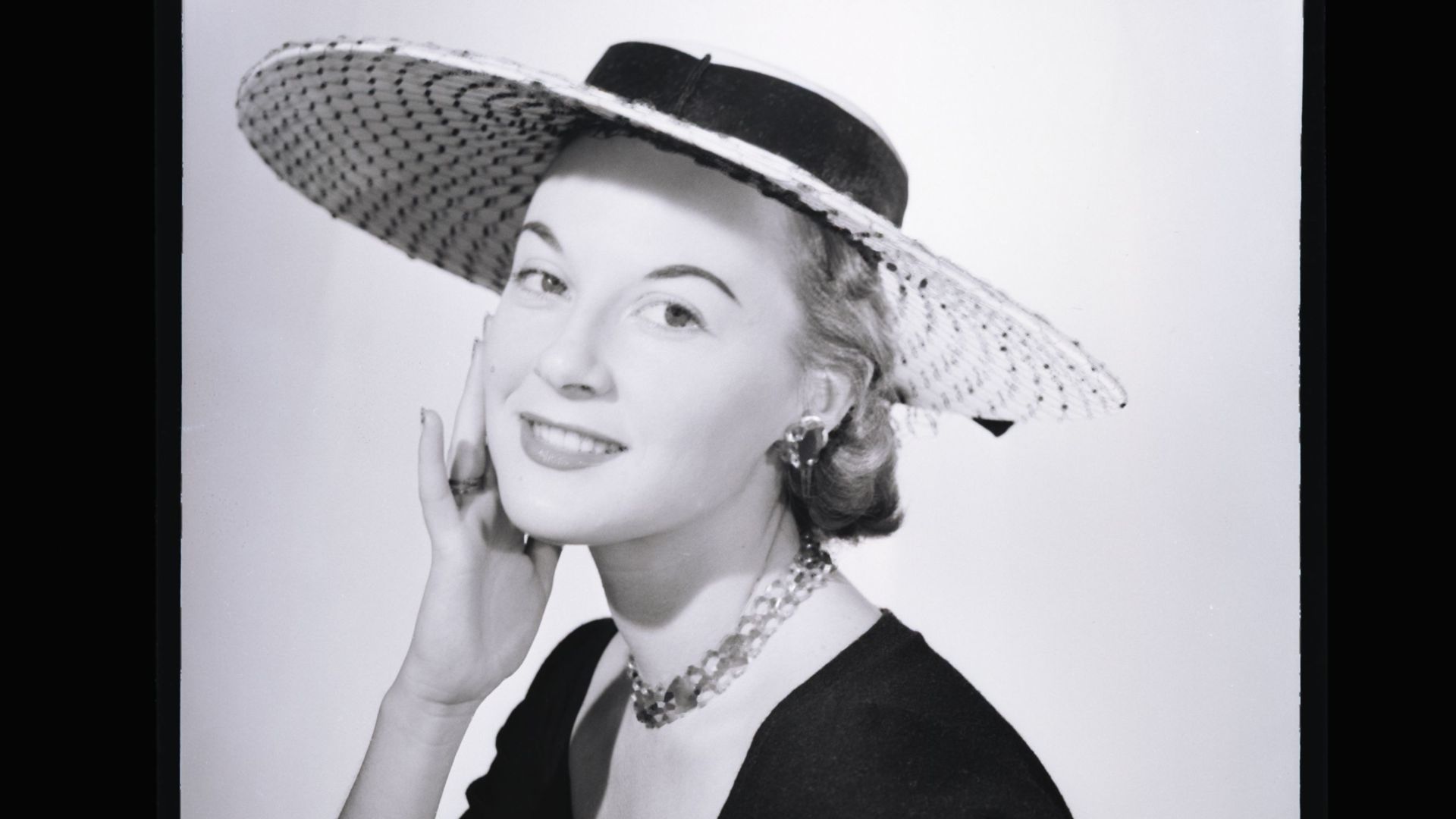
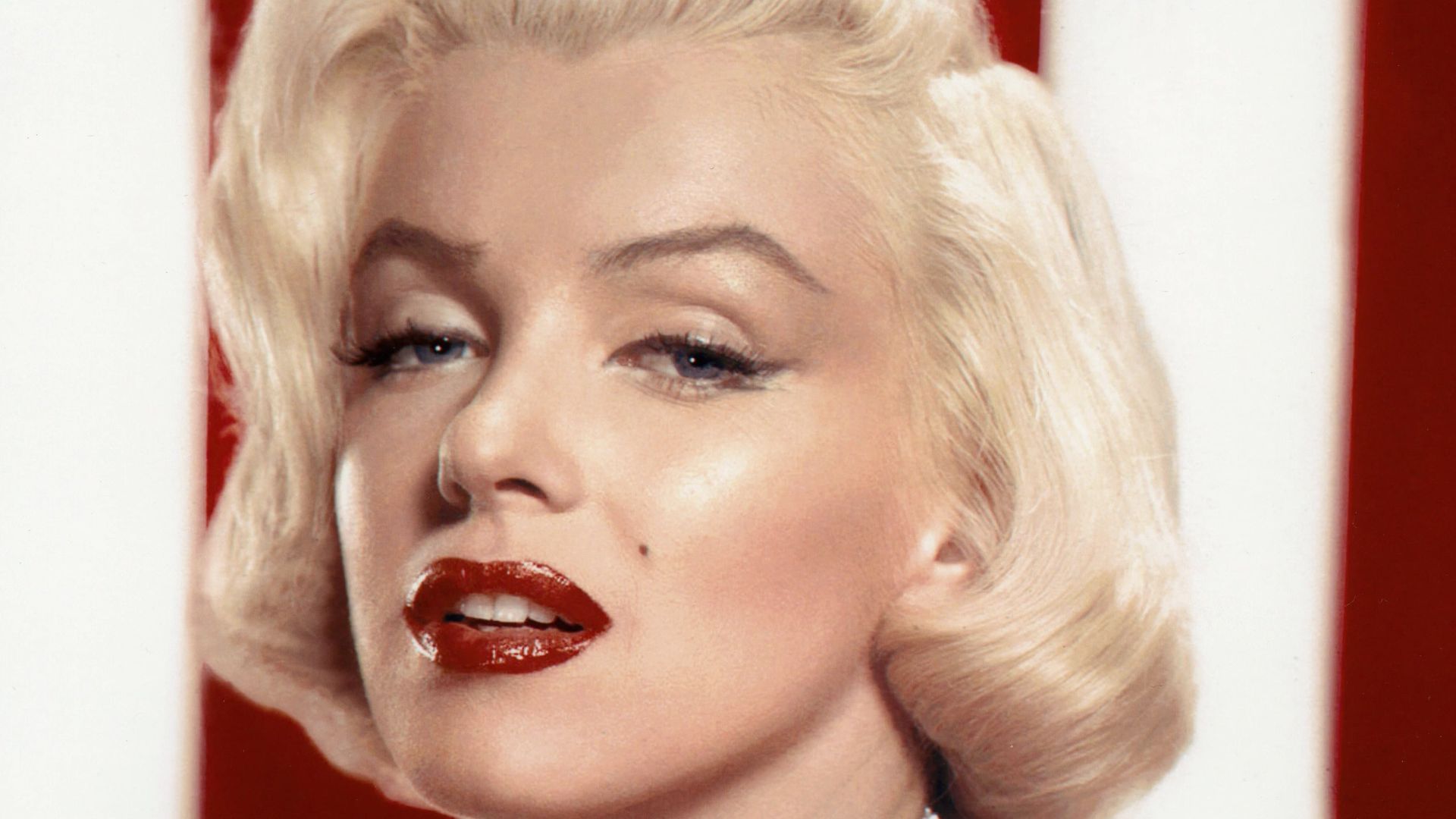 Studio publicity still on Wikimedia
Postwar beauty standards placed a strong emphasis on youthfulness. Smooth skin, shiny hair, bright lipstick, clear eyes, and a trim figure were treated as signs of attractiveness, discipline, and good self-care. Aging wasn't exactly celebrated, especially for women, and beauty companies understood that anxiety very well. Products increasingly promised to preserve youth, soften lines, brighten the face, and keep women looking fresh for as long as possible.
Respectability also shaped the beauty ideal. The preferred postwar woman was attractive, but not too wild; stylish, but still appropriate; feminine, but not threatening. Clothes, hair, makeup, posture, and grooming were often tied to ideas about marriage, motherhood, class, and moral character. Looking “put together” wasn't just about style; it suggested that a woman had her home, emotions, family, and social role neatly under control.
Of course, not every woman fit this standard, and many had no interest in trying. Women of color, working-class women, older women, disabled women, and women outside the narrow mainstream ideal were often ignored or excluded by popular beauty culture. Even so, the postwar version of beauty had a long reach. It shaped fashion, advertising, Hollywood, and everyday expectations for decades, and you can still see traces of it whenever women are expected to look effortless, youthful, polished, and relaxed all at once.