

The transition to high school can feel like a major milestone for both you and your child. New academic demands, larger campuses, and shifting social circles often arrive all at once. It’s common for students to feel excited about new freedoms while also worrying about fitting in or keeping up with tougher classes. As a parent, you may feel proud and slightly anxious at the same time.
Preparation can make the shift far smoother than you might expect. When you focus on building skills gradually, high school starts to feel less intimidating and more like a fresh opportunity. You don’t need to have every detail perfectly mapped out to offer meaningful support. Small, intentional steps taken before freshman year can build lasting confidence. With steady encouragement and practical guidance, you can help set the tone for a strong and steady start.
Strengthen Academic Skills Before Day One
High school coursework typically requires more independent thinking and stronger study habits than middle school. Students are expected to manage long-term projects, prepare for cumulative exams, and complete more complex reading assignments across core subjects. You can help by reviewing foundational skills during the summer in a relaxed but consistent way. Practicing essay writing, brushing up on math concepts, or discussing current events strengthens analytical thinking without adding pressure. When students begin ninth grade with solid academic habits, they’re less likely to feel overwhelmed in the first semester.
Time management becomes especially important once multiple teachers and deadlines are involved. High school students often juggle homework, extracurricular activities, and social commitments, which requires planning. Introducing a planner or digital calendar before school starts gives your child time to experiment with organization systems. Encourage them to break larger assignments into smaller tasks so they don’t leave everything until the night before it’s due. Developing this habit early reduces stress and builds a sense of ownership over their schedule.
Course selection also deserves thoughtful conversation. Many schools offer honors classes, Advanced Placement options, and career-focused electives that shape a student’s academic path. Instead of pushing for the most demanding schedule possible, aim for balance and realistic expectations.
Build Emotional And Social Readiness
Academic preparation is only part of the equation, because emotional readiness plays an equally important role. High school introduces new peer groups and social expectations that can feel intimidating at first. Creating a home environment where your child feels comfortable expressing concerns helps prevent worries from building up. Listening carefully, without immediately offering solutions, shows that you value their perspective. That trust becomes a steady anchor when unfamiliar situations arise.
Conversations about peer pressure and decision-making are particularly valuable during this period. You can talk through realistic scenarios and ask how they might respond if they feel uncertain or uncomfortable. Encouraging them to reflect on personal values gives them a stable foundation when social pressures appear. It’s also wise to discuss digital responsibility, since online interactions often shape high school experiences. Clear expectations paired with respectful dialogue help maintain balance between guidance and independence.
Encouraging involvement in extracurricular activities can ease the transition significantly. Clubs, sports teams, arts programs, and volunteer groups provide structured opportunities to build friendships. Participation often boosts confidence and strengthens time management skills in ways that extend beyond the classroom. Suggest that your child try at least one activity during freshman year, even if it feels slightly outside their comfort zone. Feeling connected to a smaller community within a large school can improve overall well-being.
Encourage Independence And Responsibility
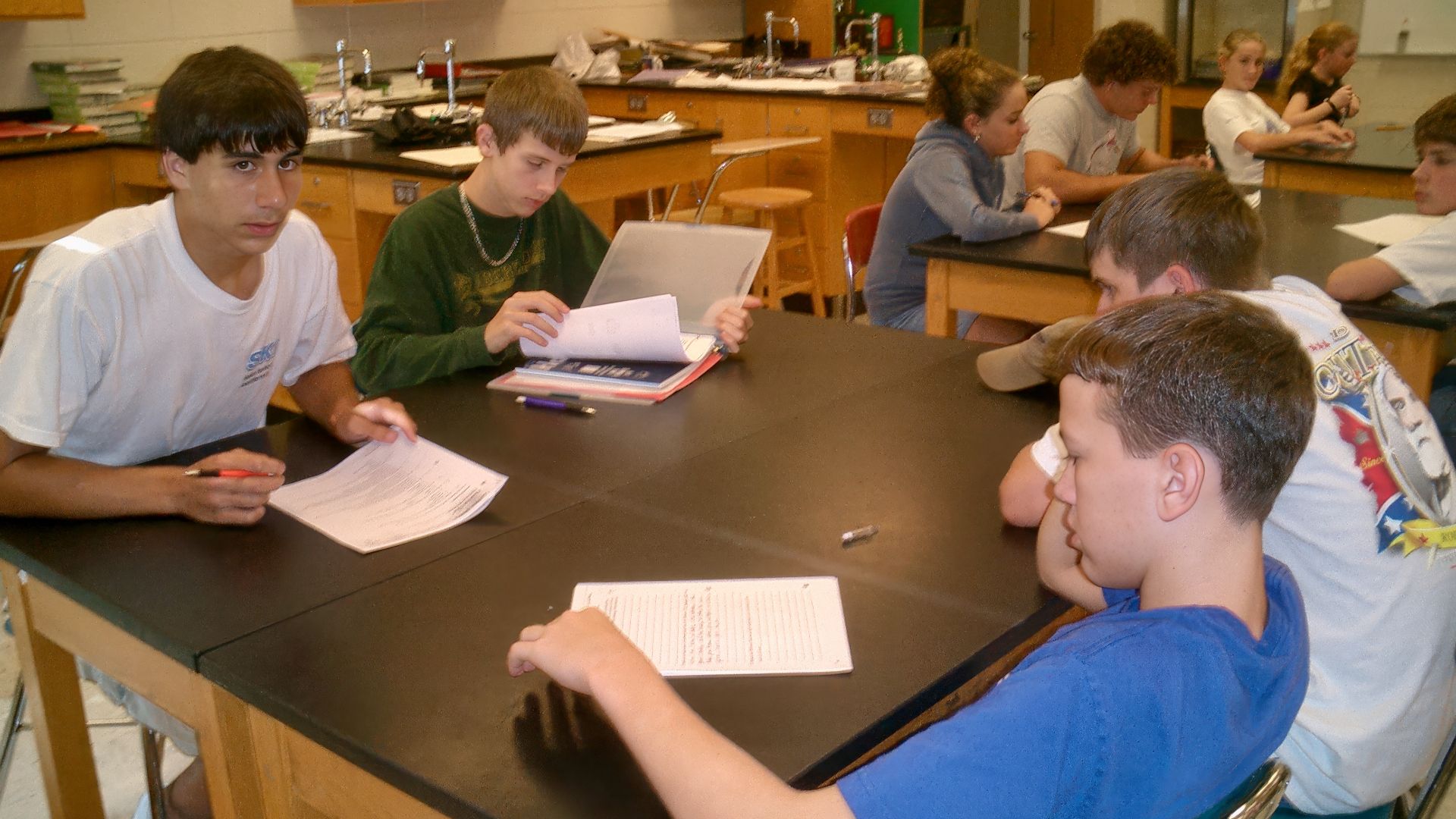
High school is an ideal time to gradually expand your child’s independence. Shifting responsibility for daily routines, such as waking up on time or organizing school materials, builds accountability. It may be tempting to step in when they forget something, but small mistakes offer valuable learning opportunities.
Healthy habits should also become part of your preparation strategy. Teenagers generally need eight to ten hours of sleep each night to support focus, mood, and physical health. Working together to establish reasonable screen-time boundaries and consistent bedtimes helps reinforce those needs.
Self-advocacy is another skill that grows increasingly important during high school. Encourage your child to communicate directly with teachers if they need clarification or extra help. Practicing respectful email writing or role-playing conversations can make those interactions feel less intimidating.
As your child steps into high school, remember that growth rarely happens in a perfectly straight line. There will be moments of success, moments of frustration, and plenty of learning in between. Your steady presence, combined with the practical skills you’ve helped them build, will give them a strong foundation to rely on. High school is not just about grades or activities, but about developing character and confidence. With preparation and patience, this transition can mark the beginning of an exciting and meaningful chapter.