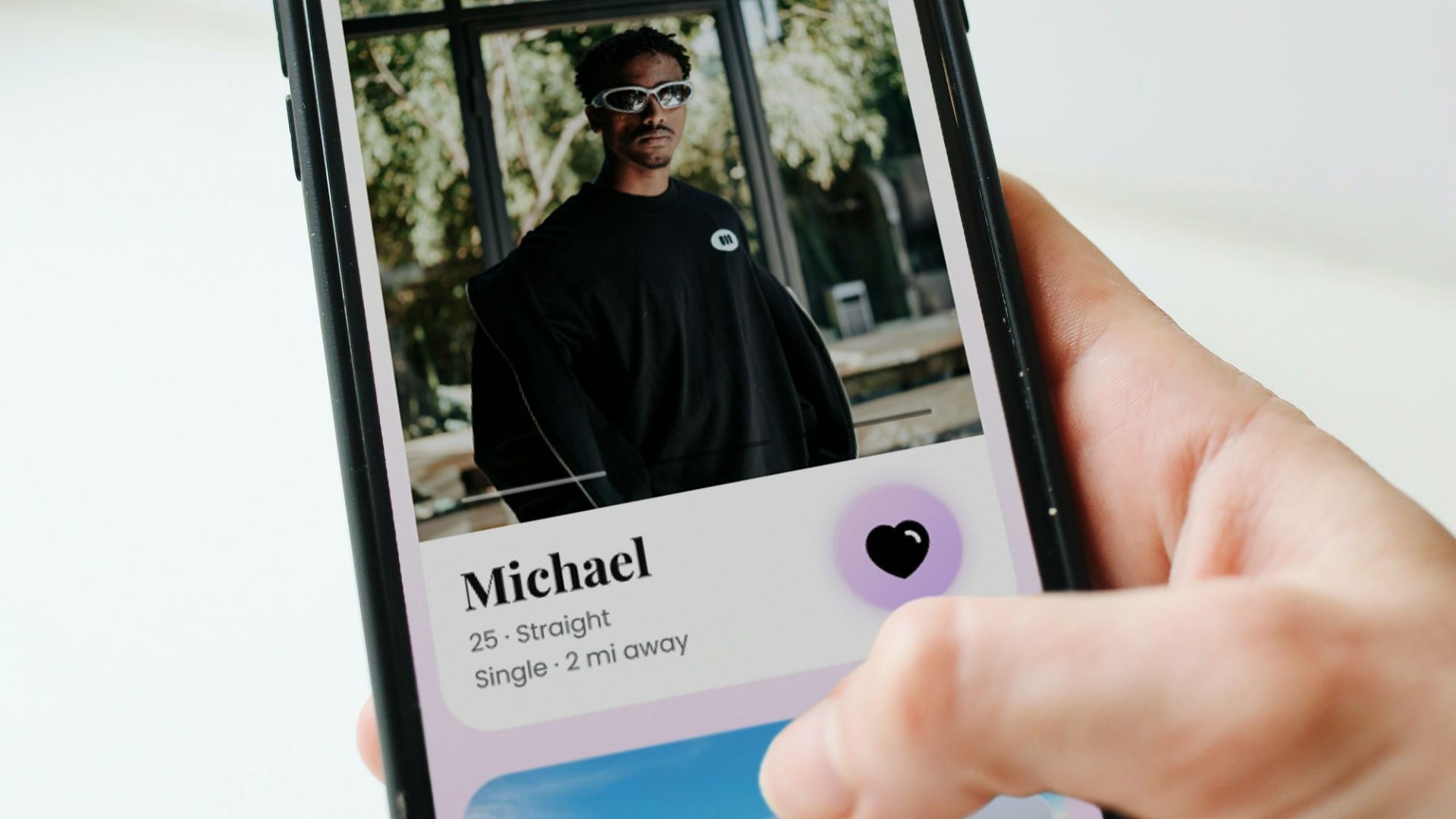
Swipe right. Swipe left. Match. Ghost. Repeat. At some point, the whole ritual started feeling less like dating and more like a second job with terrible HR. For about a decade, apps like Tinder, Hinge, and Bumble reshaped how we think about meeting people, and for a while, that felt exciting. Now the numbers are telling a different story, and so are the millions of singles quietly deleting their profiles and showing up somewhere unexpected: real life.
The collapse of app-based dating is no longer a theory or a TikTok hot take. It's in the earnings reports. Match Group, which owns both Tinder and Hinge, saw its paying subscribers fall to 14.2 million in Q1 2025, a 5% drop year over year and the fifth consecutive quarter of decline. Tinder alone shed 9% of its monthly active users in the same period. Meanwhile, a 2024 Ofcom report found that the UK's top three dating apps lost a combined 1.09 million users between May 2023 and May 2024. Something structural has shifted, and the swipe-happy era of romance is running out of runway.
The Burnout Is Real, and the Data Backs It Up
Ask anyone who has spent serious time on a dating app what the experience feels like, and the word that comes up most often is exhausting. A Forbes Health survey of 1,000 Americans found that more than three-quarters of Gen Z respondents reported burnout from dating apps, and that wasn't just a Gen Z problem. Millennials clocked in at around 80%. The reasons were consistent across both groups: 40% said they couldn't find a meaningful connection, 27% cited rejection, and 24% pointed to repetitive conversations that never went anywhere.
What makes this burnout particularly telling is that it's not just a feelings problem, it's a behavior problem. According to mobile analytics firm AppsFlyer, 65% of dating apps downloaded in 2024 were deleted within a month. By 2025, that figure climbed to 69%. Users aren't just complaining, they're leaving. An Axios survey conducted with Generation Lab found that 79% of college students and young Gen Z adults were not using any dating apps at all, a remarkable statistic for a generation that grew up with smartphones in their hands.
The apps themselves have started to acknowledge the problem, and their proposed solutions reveal a lot. Hinge launched a $1 million initiative in March 2025 to fund Gen Z-focused social events in London, New York, and Los Angeles. Bumble introduced Bumble IRL back in 2022, hosting fitness classes, community outings, and other in-person gatherings. Tinder began sponsoring live singles events in Miami, Austin, and Nashville. When dating companies start paying to get their users off their own apps, it's a sign that the apps have stopped working as advertised.
The Shift Toward In-Person Events Is Already Underway
The vacuum left by app fatigue hasn't just pushed people toward more solitary swiping, it's pushed them out the door. Eventbrite reported over 1.5 million searches for dating and singles events on its platform in the twelve months from May 2023 to April 2024. Attendance at dating and singles events targeted at millennials and Gen Z increased by 49% in 2024 compared to the year before, according to Bloomberg. Speed dating, once dismissed as a punchline, is now described by event organizers as a "bucket list" experience for a generation that has grown weary of endlessly curating a profile bio.
The events cropping up aren't your parent's singles mixer. Organizations like We Met IRL in New York City host themed events for singles aged 25 to 35, and their tickets, priced at $25, sell out in seconds. The Venice Run Club in Los Angeles became a legitimate place to meet people, with new members publicly announcing their single status as part of their introduction. Groups like Hot and Social and Pitch-A-Friend have found enthusiastic audiences by building structured, low-pressure environments where people can connect around something they're actually interested in. The format has a built-in advantage: you already know you have something in common with the person across from you.
This shift aligns with what researchers have been finding about how younger people actually want to meet. The slow-burn, in-person model is not just nostalgic, it's genuinely producing more durable connections than algorithmic matching. Forty-five percent of Gen Z respondents in Eventbrite's "Niche to Meet You" report cited finding someone with shared interests as one of their biggest dating obstacles, and in-person, interest-based events solve exactly that problem.
Why Chemistry Can't Be Compressed Into a Profile
There's a version of the dating app pitch that still makes logical sense on paper: see a photo, read a bio, filter by age and location, match with someone compatible. The problem is that human attraction is stubbornly analog. A photo can't tell you how someone laughs, whether their energy settles you down or lights you up, or whether the silence between two people is comfortable or awkward. A few photos and a snappy bio can't tell you whether someone has good chemistry with you, how their energy feels in a room, or even something as basic as if they make eye contact.
Dating apps were built around the logic that more options produce better outcomes, but the evidence increasingly suggests the opposite. The paradox of choice is real, and presenting users with an endless scroll of potential partners can actually depress their ability to commit to any one of them. Tinder introduced AI-powered discovery tools as part of its attempt to reverse its user decline, and Match Group invested heavily in algorithmic improvements. These efforts have not stopped the bleeding. The interface itself, a rapid binary judgment rendered on a stranger's face, may be the fundamental design flaw that no feature update can fix.
What's replacing it feels almost counterintuitively simple: shared activities, structured but low-stakes environments, and the chance to observe a person in motion rather than static. The apps built their entire model on convenience, but it turns out that the friction of showing up somewhere, of being a little nervous, of making eye contact in a room full of strangers, is part of what makes meeting someone feel like it actually means something. The calendar invite has become the new right swipe, and for a lot of singles, it's already working better.