Let's be honest—the decision to send your kid to private school isn't made lightly.
It usually involves calculator apps at 2 AM, some heated kitchen table debates, and a whole lot of soul-searching about what's best for your family. But year after year, parents keep making this choice, often sacrificing vacations, new cars, and their retirement comfort for tuition bills that could rival a mortgage payment. So what's really driving this decision?
The Classroom Experience That Money Actually Buys
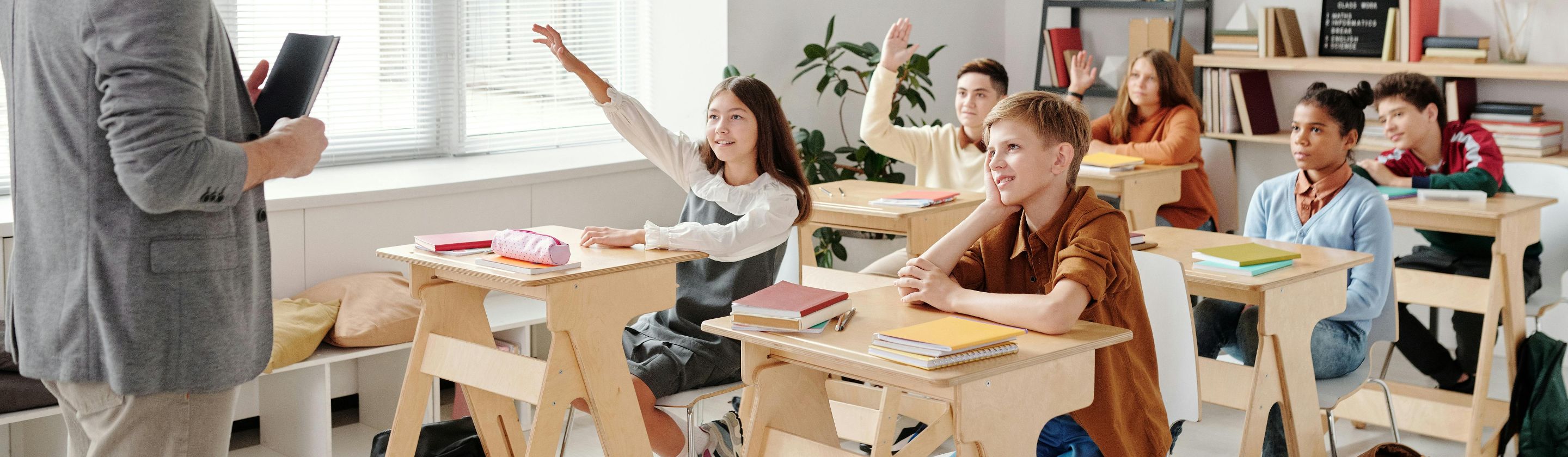
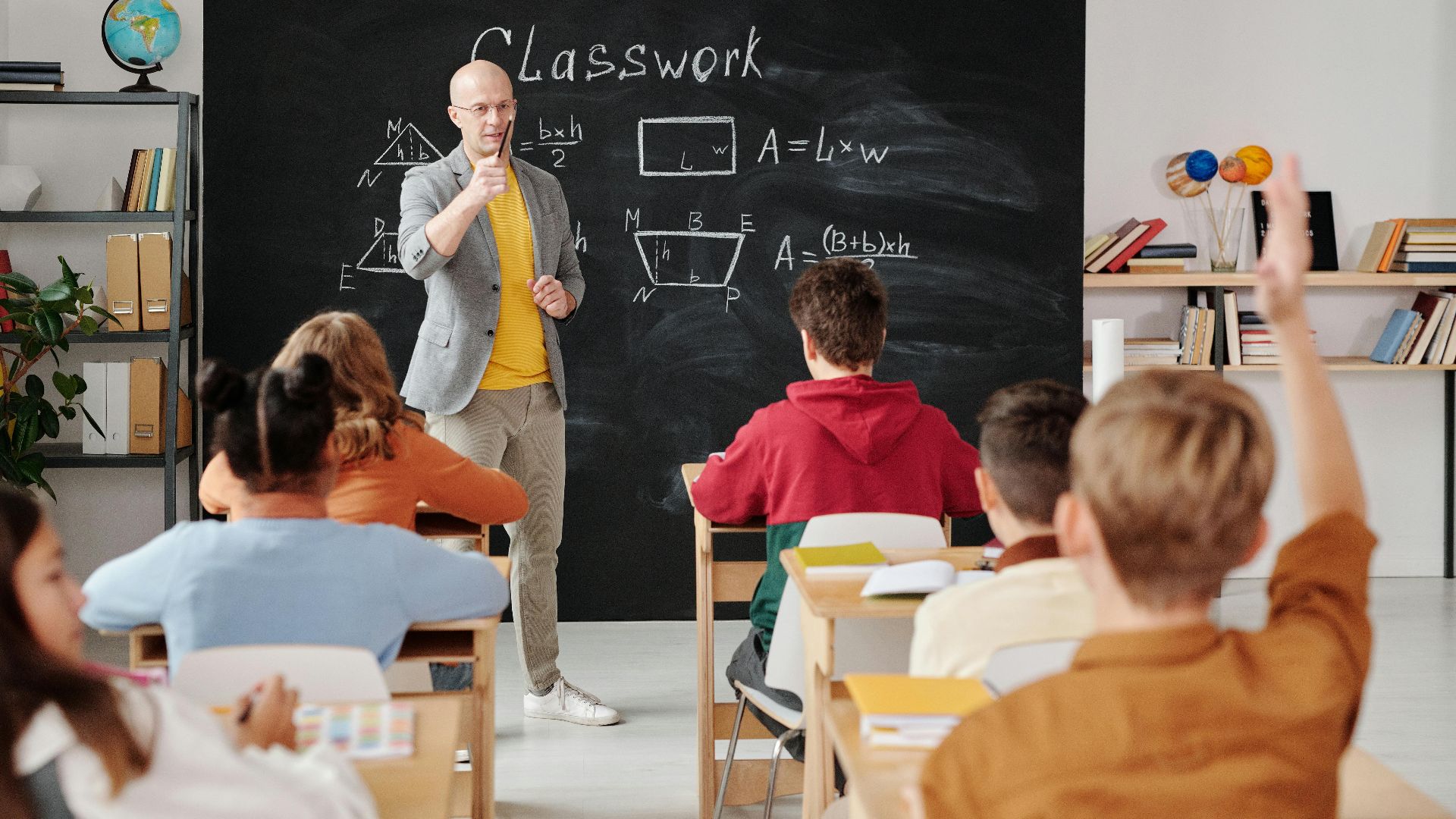
Walk into most private school classrooms, and you'll immediately notice something different—the teacher actually knows every student's name by the second week. With class sizes typically hovering between 12 and 18 students compared to public school averages of 24 or more, teachers can actually teach rather than just manage chaos. Parents aren't paying for fancier textbooks or shinier desks; they're buying time and attention for their kids.
This smaller environment means teachers catch learning gaps before they become canyons. When your seventh-grader is struggling with fractions, the teacher notices during classwork, not three months later on a standardized test. Parents value this individualized approach because they've watched it change their kids from disengaged students into curious learners who actually want to go to school.
The academic rigor tends to run deeper, too. Private schools can design their own curriculum without being locked into state testing requirements, which means teachers can spend three weeks on the Civil War if students are genuinely engaged, rather than rushing through it in five days to hit testing benchmarks.
The Community Factor Nobody Talks About Enough
Private schools function like small towns where everyone knows everyone, and for many parents, this tight-knit community is the real selling point. When families are investing significant money in their children's education, they tend to be equally invested in the school community itself. You're not just dropping your kid off at a building—you're joining a network of families who care deeply about education.
This creates a culture where volunteering isn't begging for room parents, and school events are actually well-attended. Parents know their children's friends and their friends' parents, creating a web of accountability and support that extends beyond school hours. For families who value this village-like atmosphere, the financial investment becomes about buying into a community as much as buying an education.
The Values And Structure Parents Crave

Many private schools, whether religious or secular, operate with clear value systems and codes of conduct that parents appreciate in an increasingly chaotic world. There's structure, consistency, and often a shared philosophical approach to education and character development that aligns with family values.
Discipline policies tend to be clearer and more consistently enforced. Dress codes eliminate the morning battle over inappropriate outfits. The expectations for behavior, academic effort, and respect give rise to an environment where learning can actually happen without constant disruption.
For parents, private school represents control over their child's environment during developmental years, and that peace of mind, for many families, is priceless.