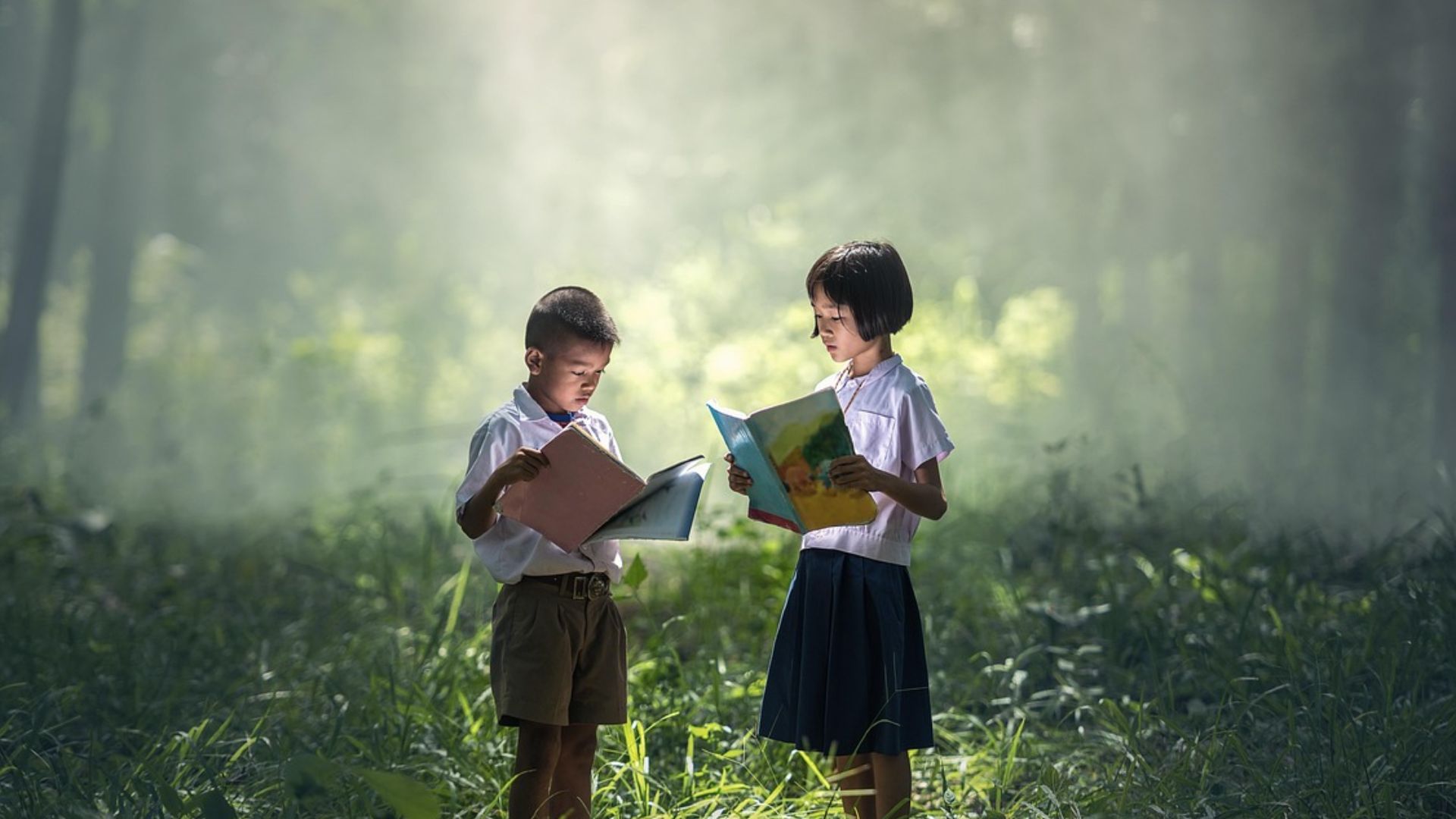
Why Early Reading Habits Matter
Helping children develop a love of reading early in life can shape how they learn, think, and communicate for years to come. Books introduce new ideas, expand vocabulary, and strengthen focus in ways that many other activities cannot. When reading becomes a normal and enjoyable part of everyday life, kids are far more likely to carry that habit into school and adulthood. The good news is that encouraging this habit doesn't require complicated strategies, just consistent and thoughtful effort at home. Here are 20 ways to encourage your kids' reading habits early.
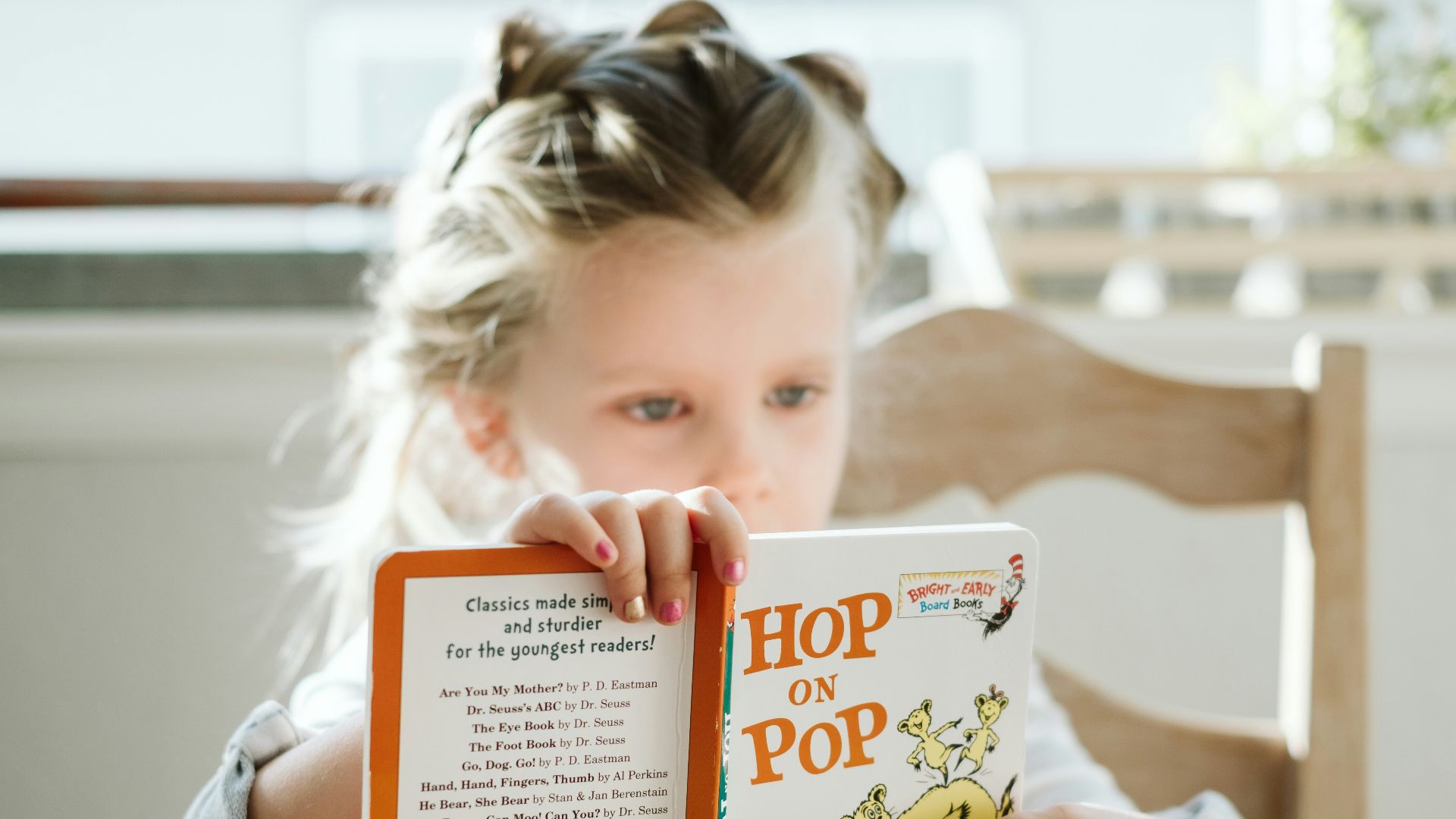
1. Read Aloud Every Day
Reading aloud is one of the simplest and most effective ways to spark early interest in books. When children hear stories regularly, they begin to associate reading with comfort, attention, and enjoyment.

2. Create a Cozy Reading Space
Children are more likely to pick up books when they have a comfortable place to enjoy them. A small reading corner with pillows, soft lighting, and easy access to books can make reading feel special. It doesn't have to be elaborate, just inviting and consistent. When kids know they have a dedicated spot for books, reading starts to feel like a natural part of their routine.
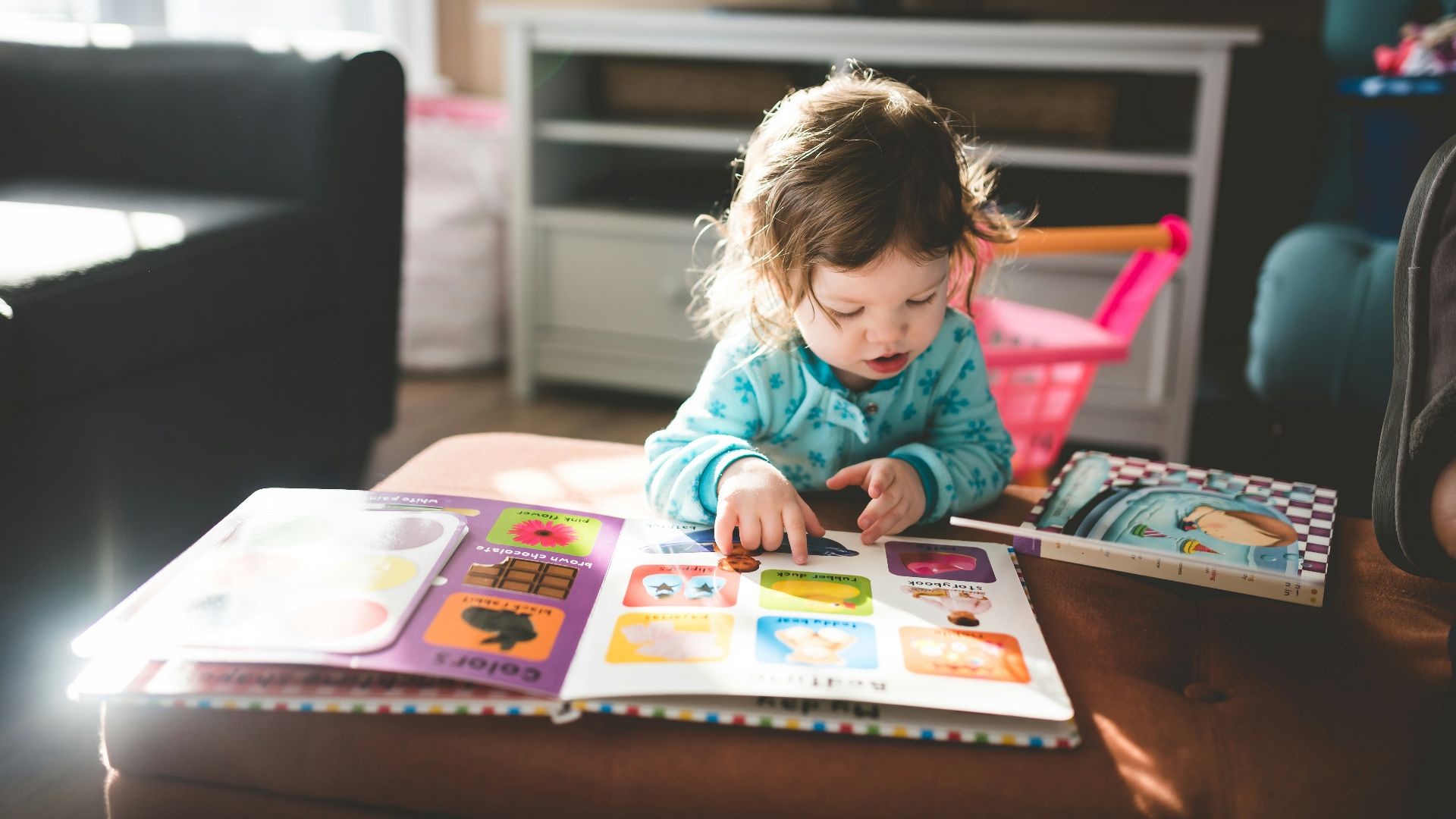
3. Let Kids Choose Their Books
Allowing children to pick their own books gives them a sense of ownership over reading. Some kids gravitate toward animal characters, others enjoy adventure, and many simply like colorful pictures. When their interests guide the selection, they're more motivated to engage with the material.
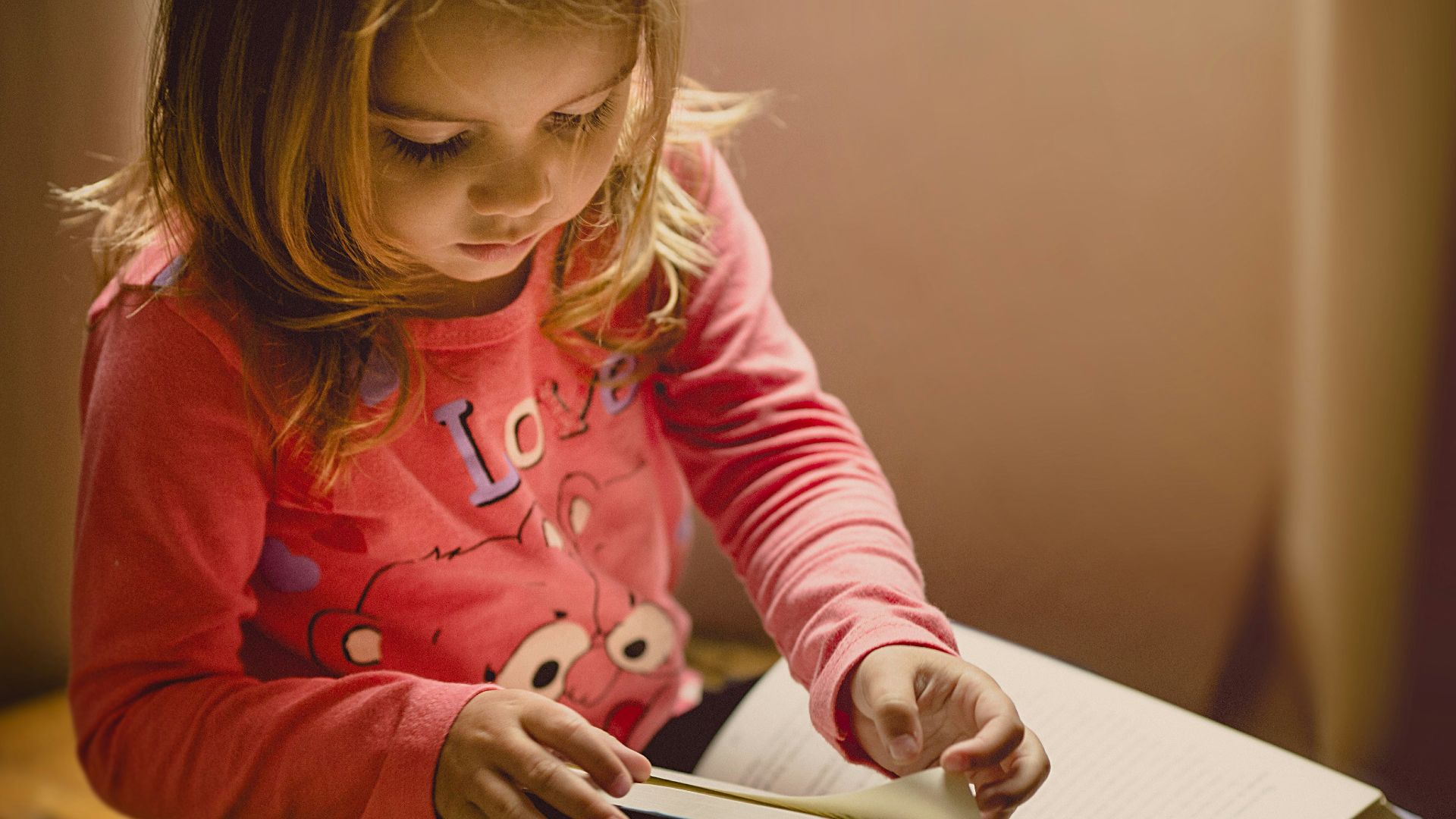
4. Start With Age-Appropriate Books
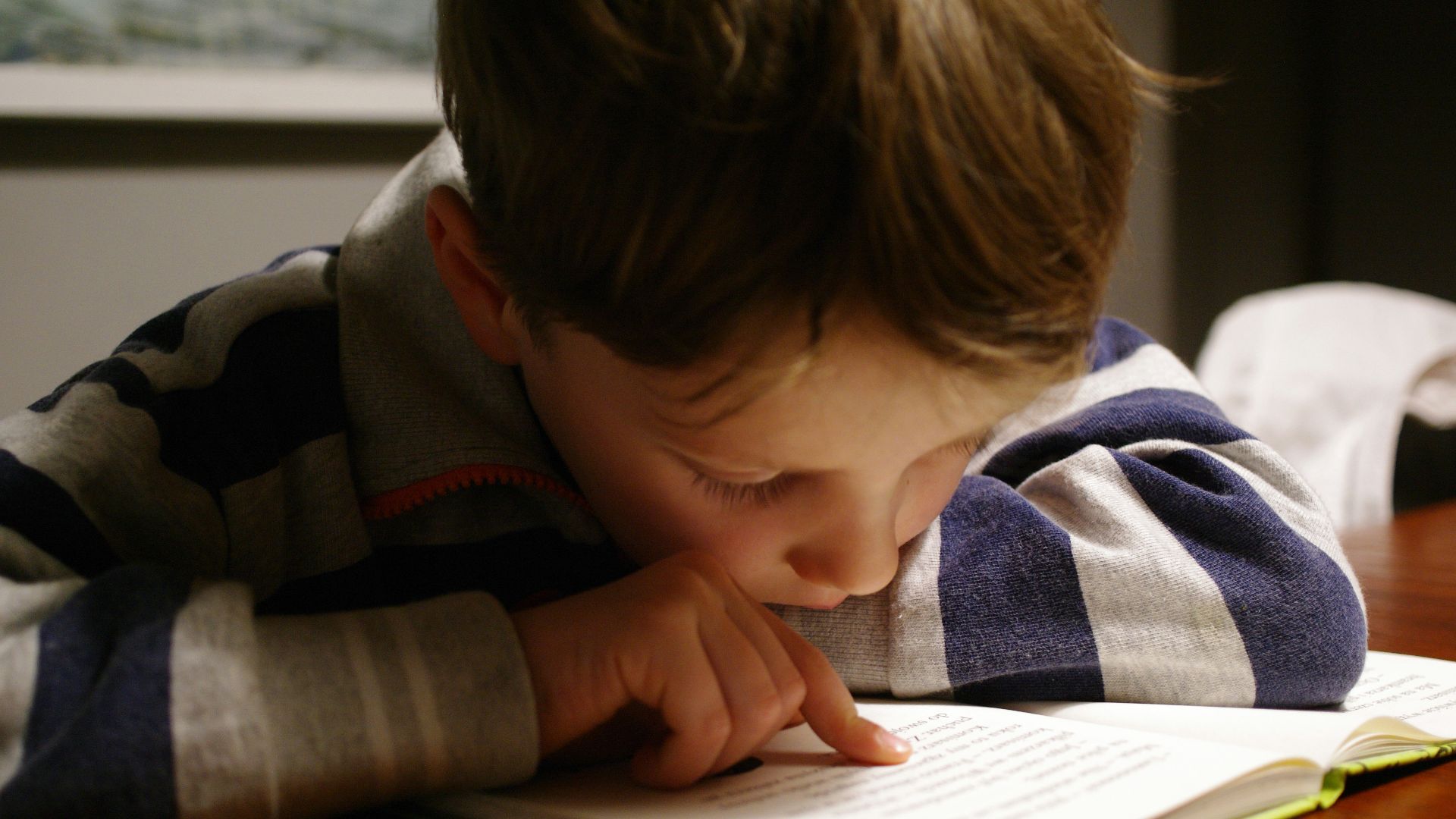
Books that match a child's developmental stage are easier to enjoy and understand. Stories that are too complex can cause frustration and discourage interest. Simple language, engaging pictures, and clear storylines keep young readers engaged.
 Michał Parzuchowski on Unsplash
5. Make Books Easy to Access
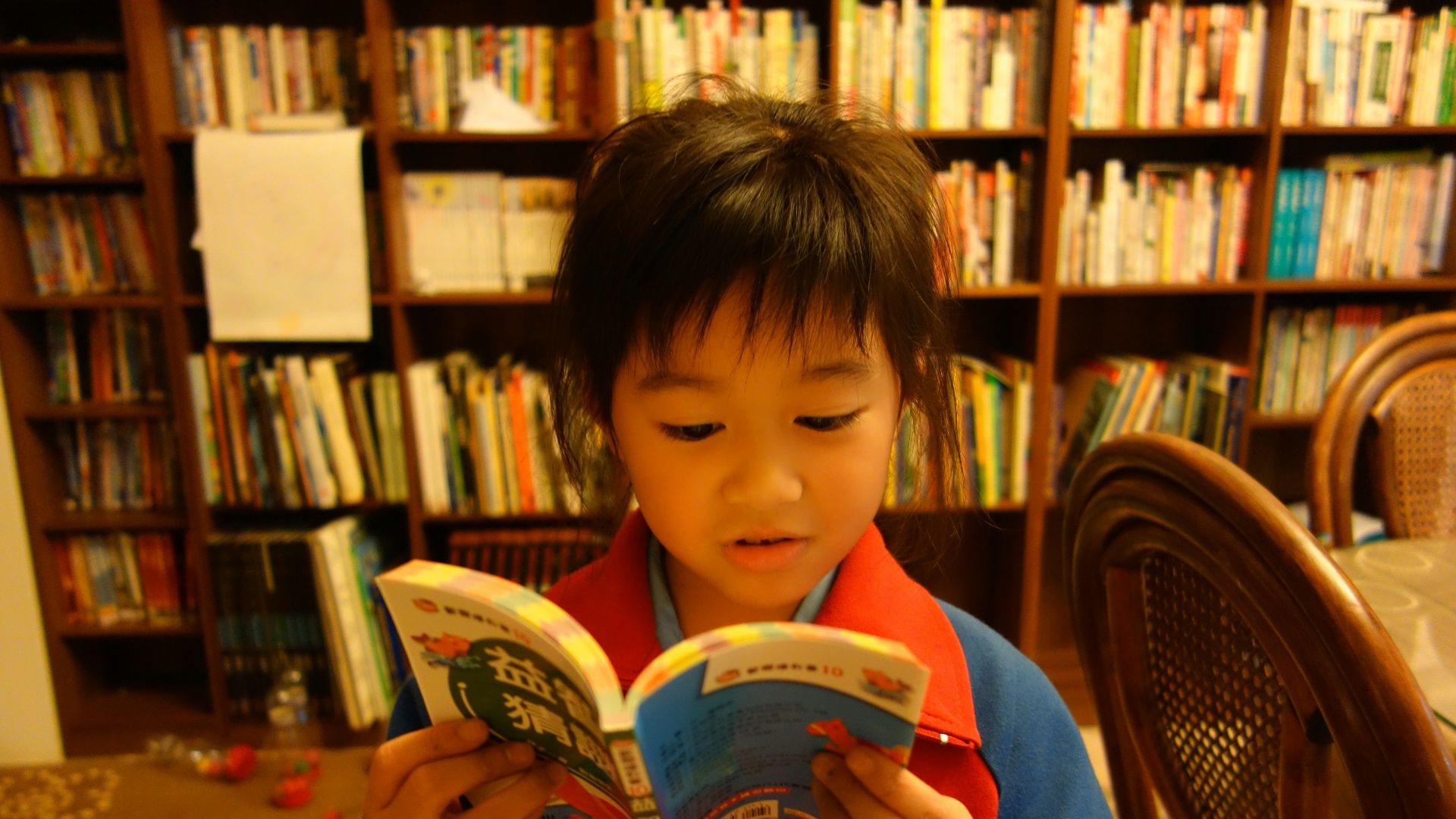
If books are stored out of reach, kids are less likely to pick them up. Keeping shelves low and visible encourages spontaneous reading throughout the day. Baskets of books in living areas or bedrooms can make browsing easy and inviting. When books are always nearby, they become a natural part of daily life.
6. Visit the Library Regularly
Trips to the library can turn reading into an exciting outing rather than a chore. Libraries offer a wide range of books that families might not otherwise explore.
7. Be a Reading Role Model
Children often imitate what they see adults doing. When parents or caregivers read books, magazines, or newspapers, kids notice that reading is a normal and valuable activity. Seeing adults choose reading during free time sends a powerful message. It shows that books are enjoyable for all ages, not just something required for school.

8. Talk About the Stories Together
Discussing a book after reading helps children engage more deeply with the story. Asking simple questions about characters or events encourages thinking and conversation.
9. Keep Reading Fun, Not Forced
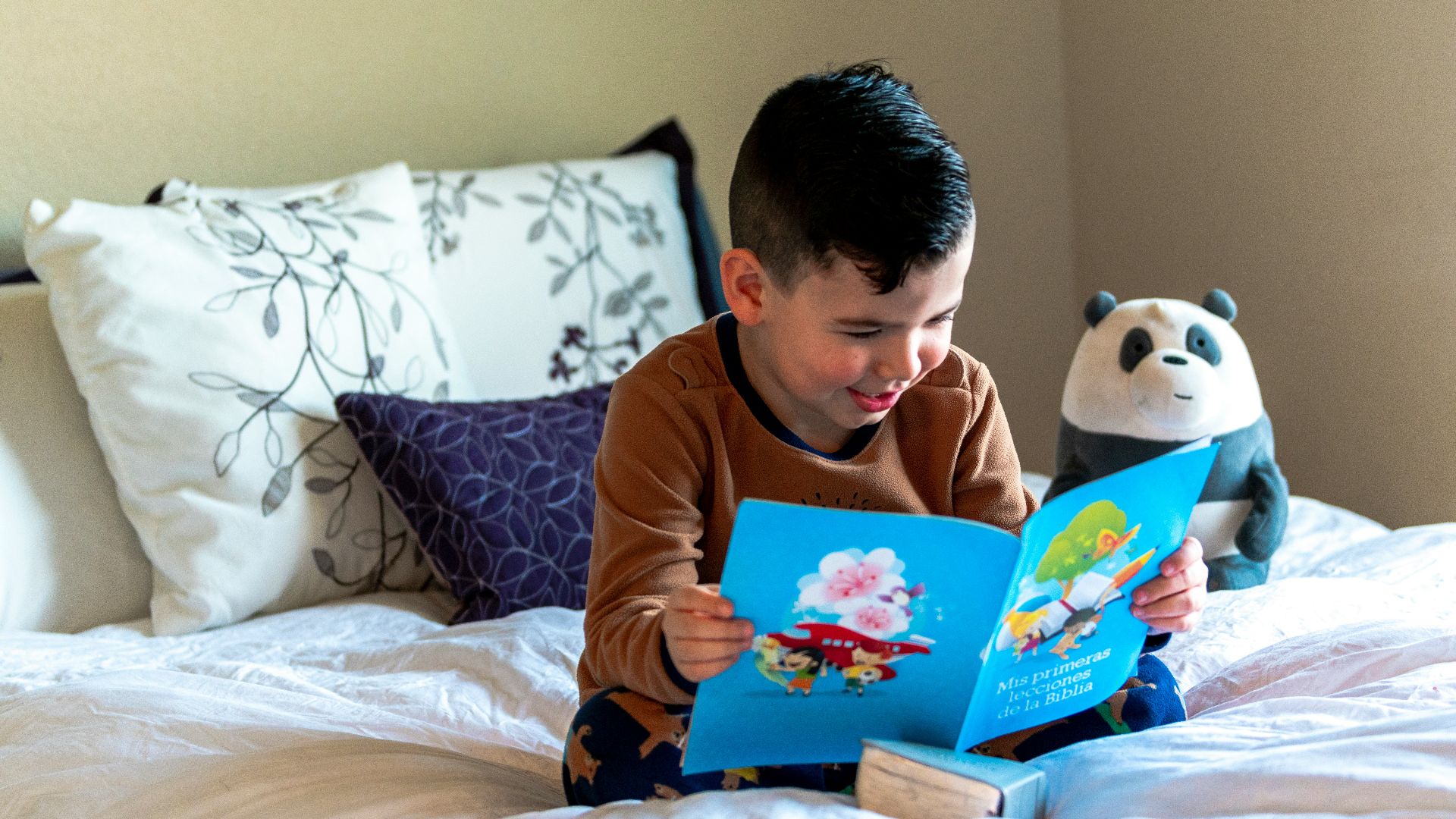
Turning reading into a strict requirement can sometimes create resistance. Instead, it works better when reading feels relaxed and enjoyable. Offering encouragement rather than pressure helps maintain interest. When kids associate books with positive experiences, they're far more likely to continue reading willingly.

10. Introduce a Variety of Book Types
Not every child enjoys the same style of book, so variety is helpful. Picture books, beginner chapter books, nonfiction titles, and illustrated stories all offer different experiences. Exposure to multiple formats helps children discover what they enjoy most. Variety also keeps reading from becoming repetitive.
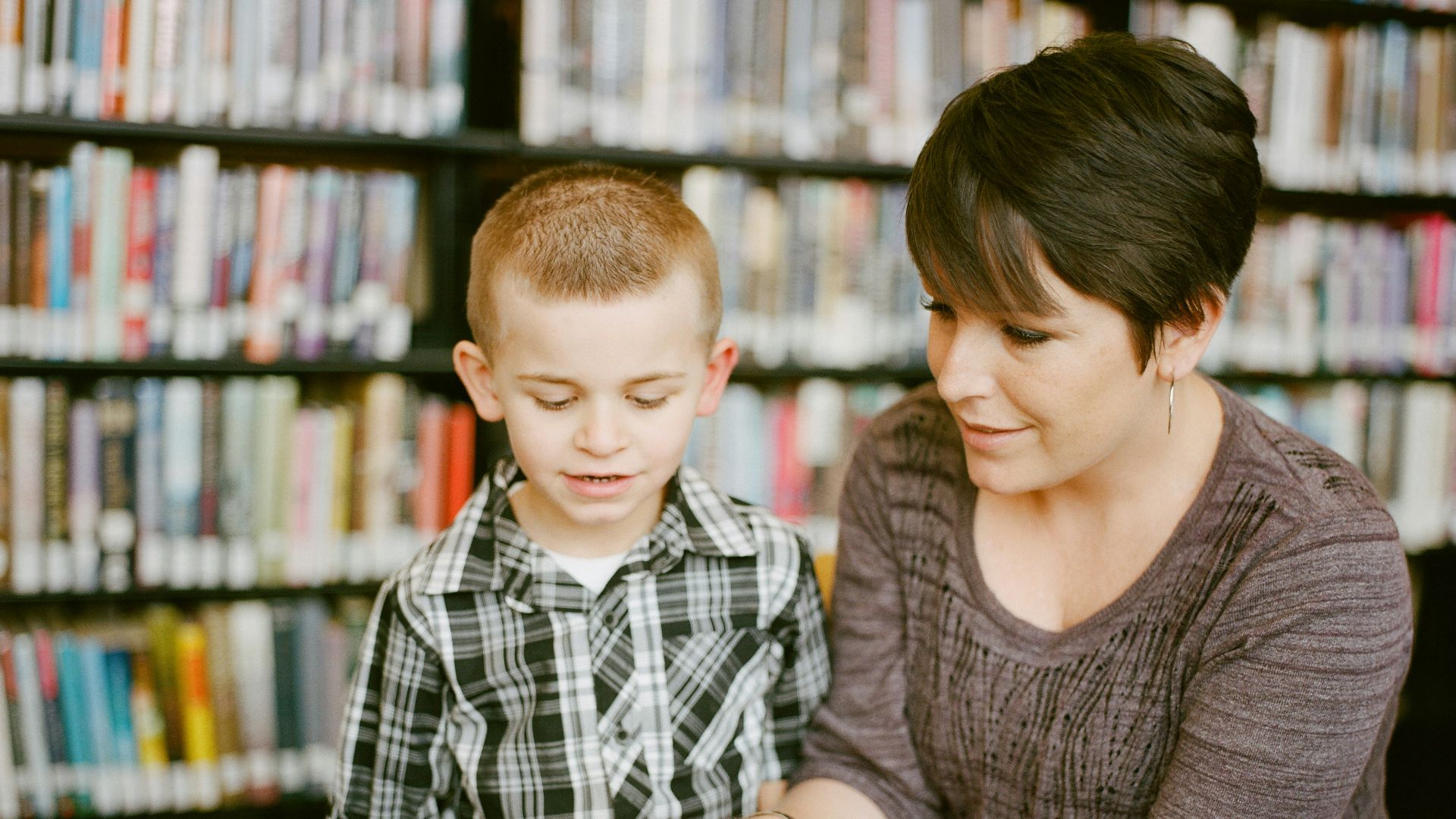
11. Connect Books to Real Interests
Children often engage more with stories that relate to their hobbies or curiosity. A child interested in dinosaurs, space, or sports will likely enjoy books about those topics.

12. Establish a Bedtime Reading Routine
Bedtime stories are a tradition in many households for good reason. A calm reading session before sleep helps children wind down while reinforcing daily reading habits. This predictable routine gives kids something to look forward to each evening. Over time, bedtime reading becomes a comforting and expected part of the day.
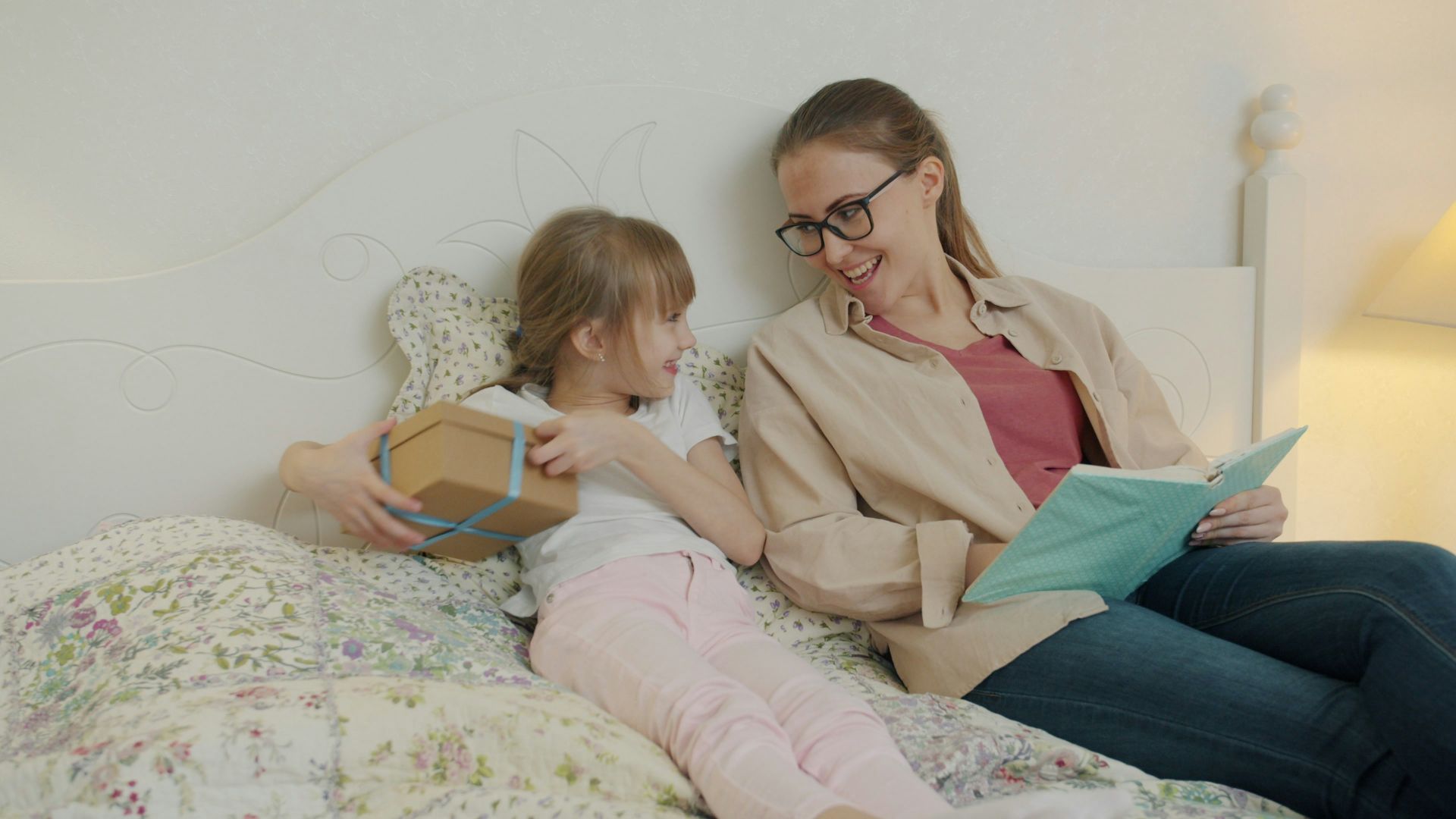
13. Use Expressive Storytelling
Reading with expression makes stories more engaging for young listeners. Changing your tone for different characters and showing excitement in key moments captures attention.
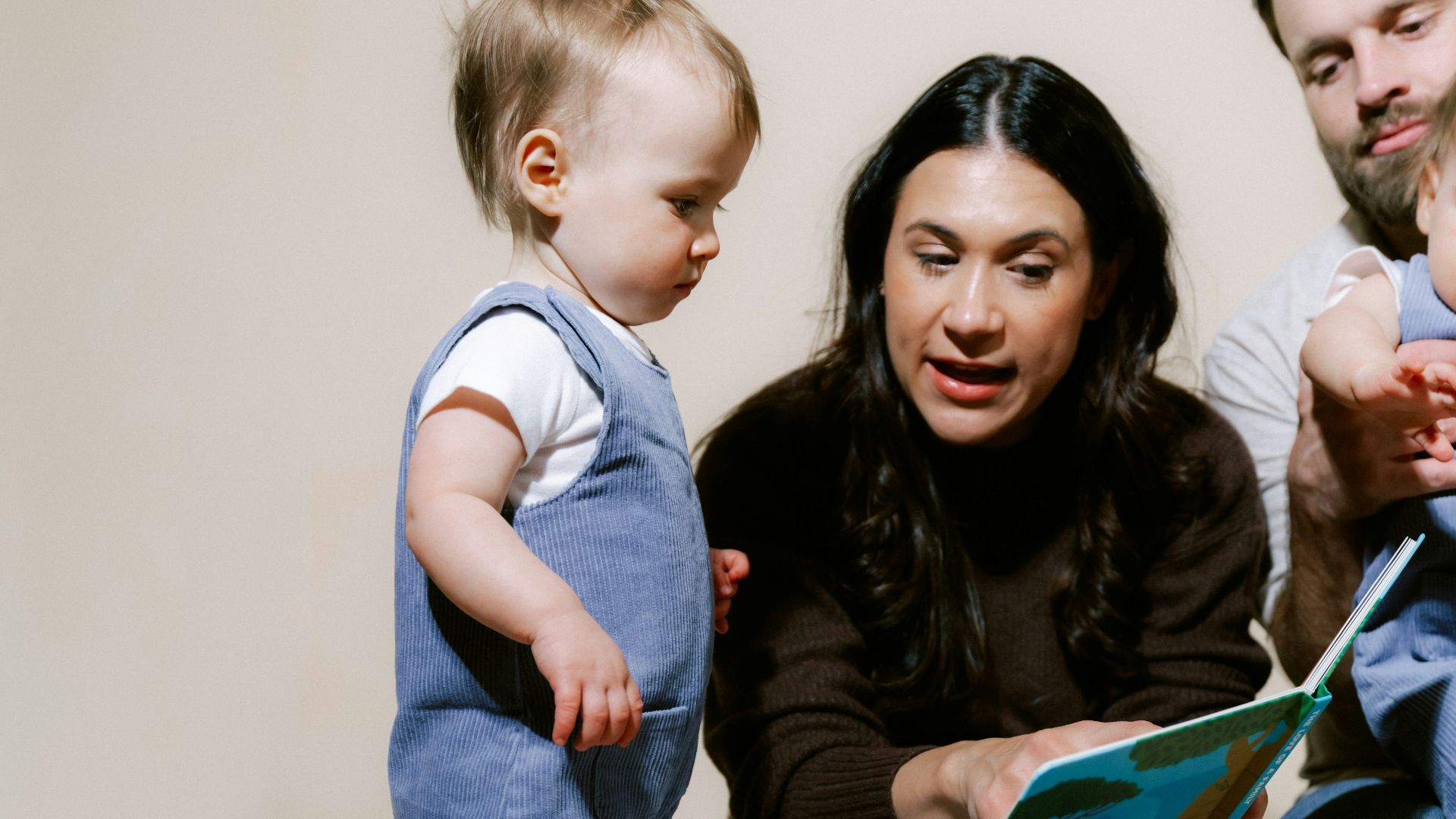
14. Encourage Kids to Retell Stories
After finishing a book, asking a child to describe what happened strengthens comprehension skills. Retelling stories helps them organize ideas and recall details from the text.

15. Keep Books in the Car or Travel Bag
Having books available during travel can turn waiting time into reading time. Whether it's a short drive or a longer trip, a book can keep kids entertained and engaged.

16. Celebrate Reading Milestones
Recognizing progress can motivate children to keep reading. Finishing a first book independently or reaching a small reading goal deserves encouragement. Celebrations don't need to be elaborate; simple praise or extra reading time can be enough.
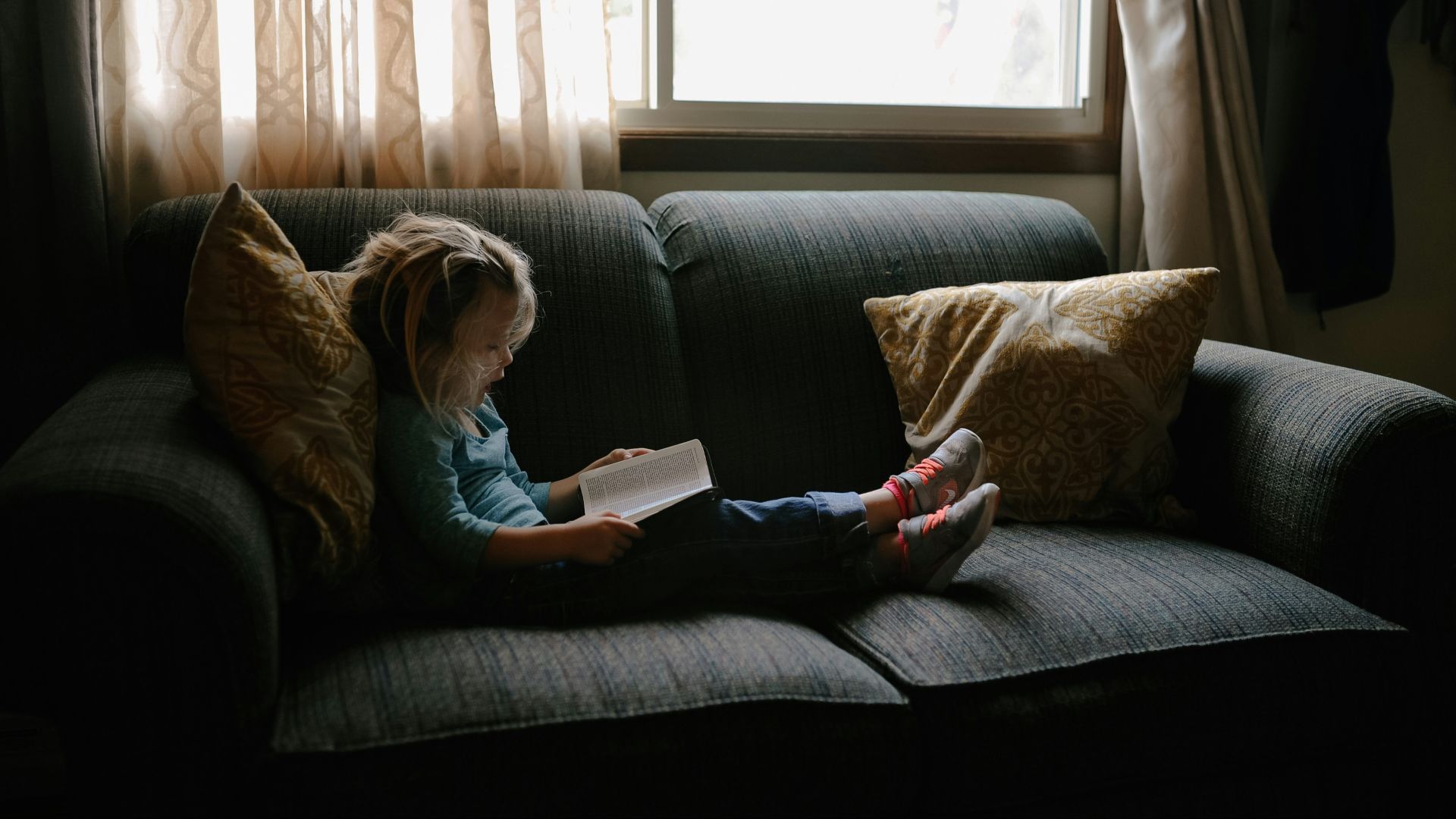
17. Introduce Series Books
Many children enjoy following the same characters across multiple stories. Book series provide familiarity while still offering new adventures.

18. Combine Reading With Other Activities
Books can connect naturally with everyday experiences. After reading about animals, visiting a zoo or watching a related documentary can deepen interest. Cooking a recipe from a children's book is another fun option.
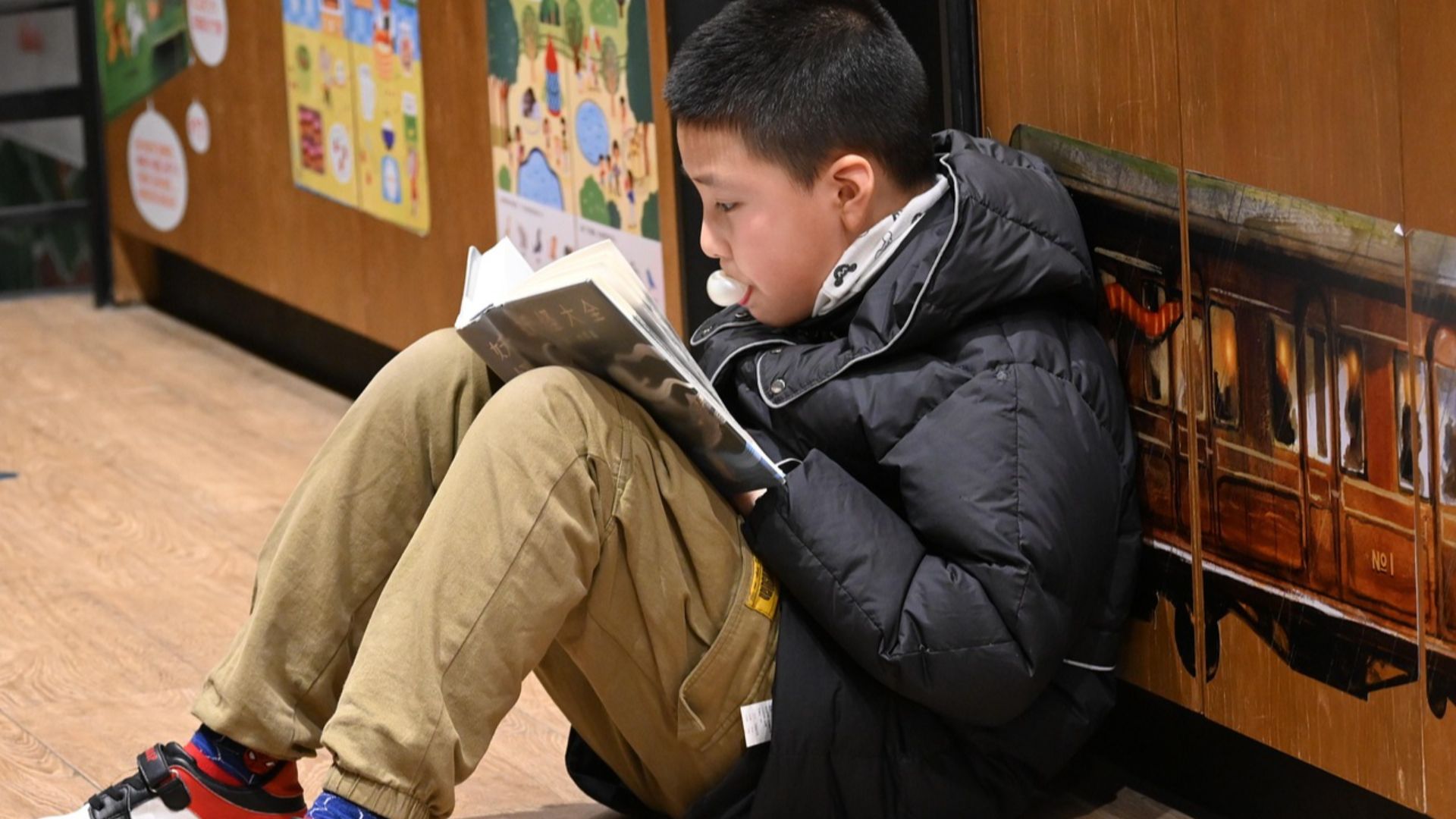
19. Encourage Questions While Reading
Curiosity is a strong driver of learning. When children ask questions during a story, it indicates they're engaged with the material. Taking time to answer or explore those questions together strengthens understanding.
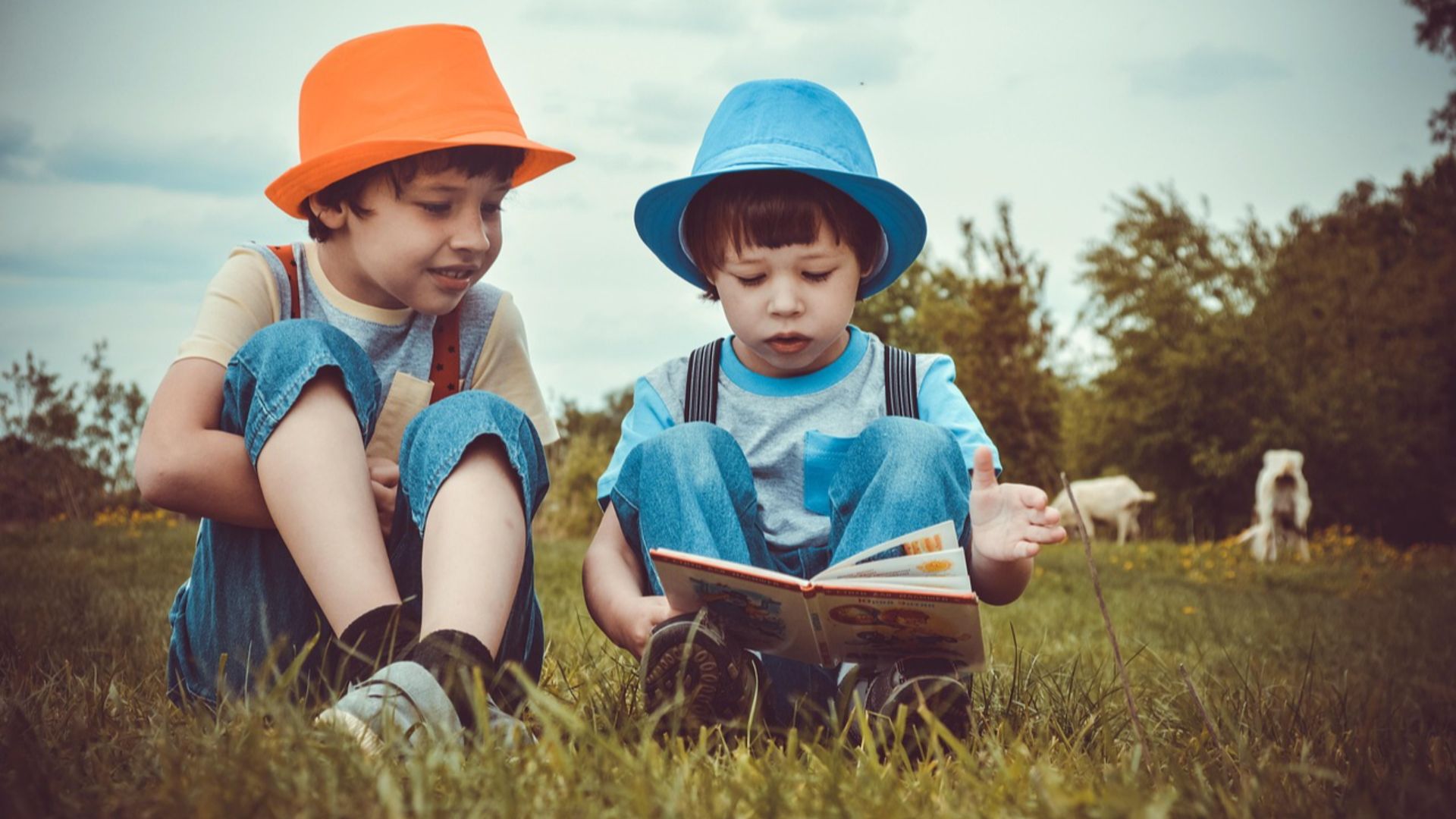
20. Keep the Habit Consistent
Consistency plays a major role in building strong reading habits. Short daily reading sessions often work better than occasional long ones. When reading becomes part of everyday life, children accept it as a normal activity.