
Balance It Out
Late nights hunched over worksheets shouldn't be a childhood memory. Yet here we are, watching kids trade playtime for textbooks and laughter for stress. The homework pile grows while energy levels tank. Parents often feel stuck between supporting teachers and protecting their children's well-being. Spotting when assignments cross into overload territory matters more than most realize. Here are 10 common signs to begin with.

1. Chronic Exhaustion And Frequent Falling Asleep Early
Long homework sessions drain evening energy levels in ways that go beyond simple tiredness. Mental effort actually contributes to physical tiredness in children, creating a dual burden on their developing bodies. When early sleepiness becomes a pattern, it signals an overloaded daily schedule.

2. Loss Of Interest In Hobbies Or Playtime
Notice how your daughter's soccer cleats gather dust while her math textbook stays open? Play is often the first activity sacrificed when time becomes tight. Children naturally reduce optional activities when overwhelmed, and homework demands can completely replace leisure time.
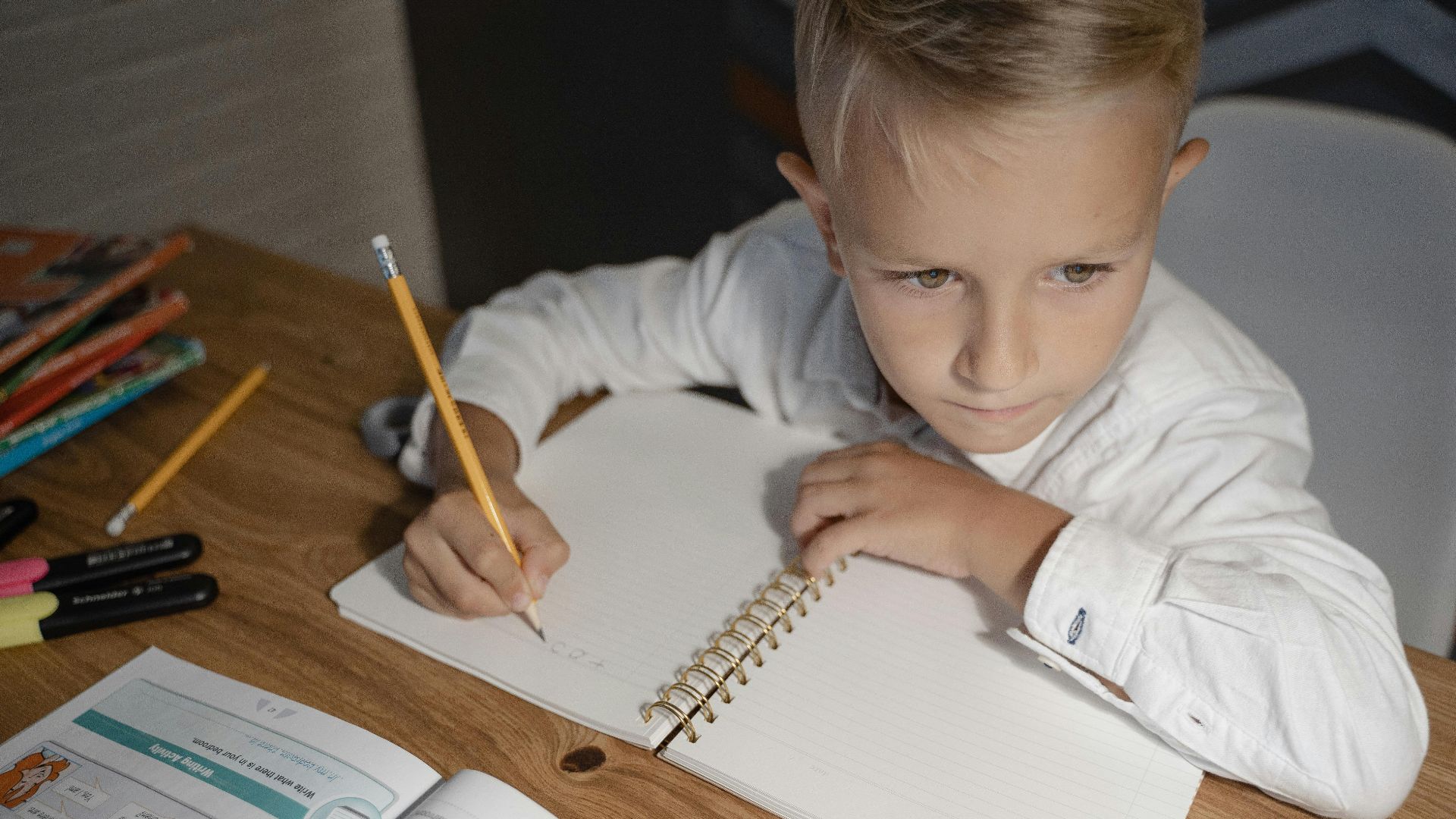
3. Increased Irritability Or Emotional Outbursts
Emotional outbursts often appear after long work periods, catching parents off guard during what should be family time. Fatigue lowers emotional tolerance significantly, making small frustrations feel insurmountable to tired minds. Prolonged academic pressure tends to heighten frustration levels.

4. Frequent Physical Complaints
Sitting for long periods can cause tension-related pain that manifests as real physical discomfort. Stress doesn't just live in children's minds—it shows up as headaches, stomachaches, and muscle tension throughout their bodies. These complaints often occur during or before homework time.

5. Deteriorating Quality Of Completed Work Despite Effort
Your child sits there trying hard, eraser shavings piling up, yet the work looks worse than yesterday's. Mistakes increase when mental energy is depleted, creating a frustrating cycle where effort doesn't match results. Fatigue affects concentration and accuracy in measurable ways.

6. Skipping Meals To Finish Assignments
Homework can extend into usual meal times, pushing dinner from the table to a forgotten afterthought. Children may prioritize finishing tasks over eating, especially when deadlines loom large in their worried minds. Hunger further reduces focus and stamina.

7. Always Behind
Here is another sad truth. Even after spending hours on homework, those assignments still don’t get finished on time. The workload is so heavy that effort no longer equals progress, leaving your child constantly playing catch-up.

8. Declining Enthusiasm For School In General
Enjoyment decreases when pressure outweighs interest, turning curiosity into obligation and discovery into drudgery. Excessive workload can make school feel overwhelming rather than exciting, poisoning the well of natural learning. Negative feelings sometimes extend beyond homework itself, affecting attitudes toward teachers.

9. Rising Anxiety Specifically About Grades Or Deadlines
Fear of unfinished work can dominate thoughts during dinner, family movie night, or even while brushing teeth before bed. Tight deadlines increase stress responses in children who lack adult coping mechanisms for managing pressure. Clear planning can reduce deadline-related worry.

10. Less Family Interaction Or Conversation Time
Shared routines may be disrupted by workload, stealing away the dinner conversations and bedtime stories that build connection. Homework can occupy evening family hours and, as a result, replace laughter with pencil scratching and stressed silence. Conversation decreases when tasks extend late.

You've seen the signs flashing red. Here's how to turn things around.
1. Establish A Consistent Daily Homework Routine
When homework begins at the same time each day, something remarkable happens. The daily battles over starting tasks simply fade away. A consistent routine sets clear expectations for when homework begins, removing the negotiation and resistance that exhaust both parents and children.

2. Create Dedicated Distraction-Free Study Space
A quiet spot just for schoolwork signals the brain it's time to concentrate, almost like flipping a mental switch. This dedicated space keeps supplies organized and within reach, eliminating the time wasted hunting for erasers, calculators, or that one specific colored pencil.

3. Break Assignments Into Manageable Chunks
Large projects feel less overwhelming when divided into smaller pieces. Children discover they can tackle bigger things step by step, building confidence with each completed section. This approach allows steady progress without exhaustion, preventing the burnout that comes from marathon work sessions.

4. Prioritize Tasks By Due Dates
Last-minute panic rushes disappear when children learn to tackle what's due soonest first. Teaching the importance of deadlines early on develops critical life skills that extend far beyond homework. This strategic approach frees up time for rest and play.

5. Teach Simple Time-Management Techniques
Tools like timers or checklists introduce concrete ways to wrangle abstract time into visible, controllable chunks. Learning to estimate how long tasks really take turns vague worries into specific, solvable planning challenges. Many children grow into well-organized teens.

6. Communicate Calmly With Classroom Teachers
Teachers appreciate parents who partner positively, approaching concerns as teammates rather than adversaries. Opening a gentle dialogue about workload shows your child you support their needs without attacking the education system. This collaboration often leads to helpful adjustments.

7. Encourage Short Refreshing Study Breaks
The brain and body recharge quickly during brief pauses. A quick dance or stretch often brings back smiles, turning frustration into renewed energy within minutes. Improved focus when returning to work means tasks actually get completed faster overall.

8. Limit Overwhelming Extracurricular Commitments
Evening family time becomes precious again when the calendar isn't packed with back-to-back activities. Reducing rushing between activities makes breathing room in schedules and leaves space for spontaneity and actual relaxation. Kids rediscover joy in simple free play.

9. Promote Healthy Sleep And Nutrition
Growing bodies need fuel and rest to function, and keeping them energized directly impacts homework performance. Better concentration and mood follow naturally from adequate sleep, while strengthened memory and learning ability come from proper nutrition.

10. Offer Emotional Support Without Pressure
Listening to worries without judgment creates a safe space for children to voice what's really troubling them. Reminding kids that perfection isn't required lifts the crushing weight of impossible standards they often place on themselves. Hugs and kind words often lighten the heaviest load.