It’s Not About The Rules
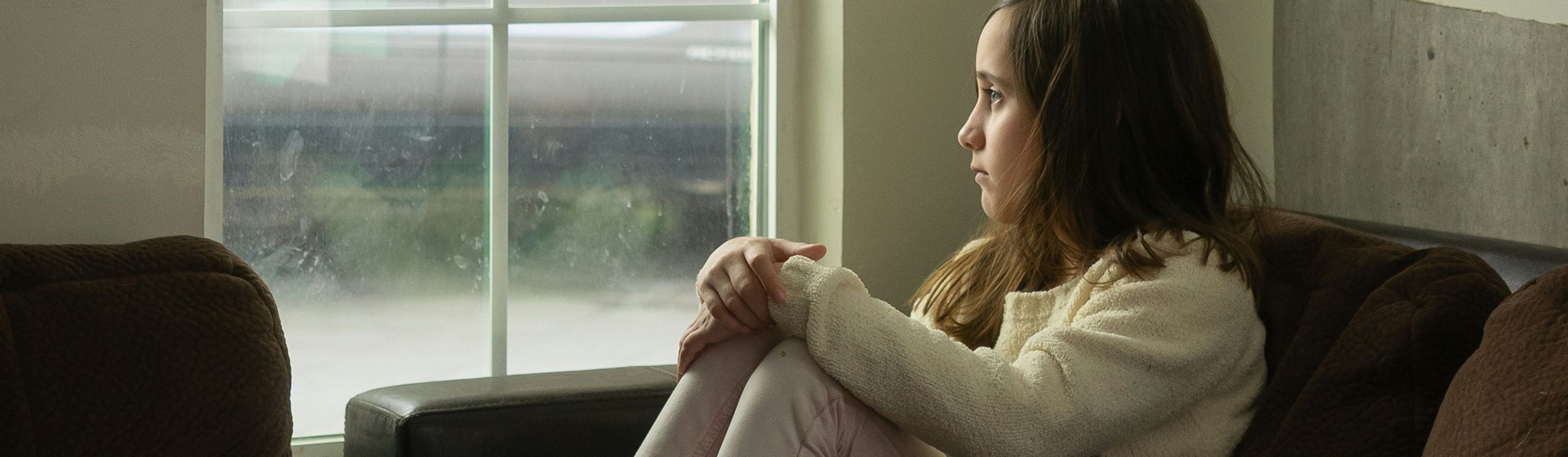
Kids don’t break rules randomly, even if it feels chaotic in the moment. There’s usually something quieter underneath that's less about defiance and more about figuring out where they stand with you. Some rules get pushed because kids want reassurance that the relationship holds steady, even when they’re difficult or messy, while others get challenged as they test the edges of control and whether authority actually sticks. The tricky part is that it can all look the same on the surface—backtalk, refusal, ignoring instructions—even though the motivation is completely different. Once you start seeing the difference between testing connection and testing control, the behavior stops feeling quite so random.

1. Bedtime
Kids stretch bedtime in small, almost ritualistic ways—one more glass of water, one more question, one more hug. It’s rarely about not being tired; it’s about delaying separation and making sure you’re still there, still patient, still theirs. The repetition is the point.

2. Leaving The Room After Being Tucked In
The quiet footsteps back into the hallway aren’t about rebellion. They’re about checking that the boundary doesn’t come with rejection, that returning to you doesn’t change how you respond. Each reappearance is a small test of emotional safety.

3. Needing Help With Things They Can Do
Suddenly, they can’t open something or reach something they’ve handled before. It’s not incompetence—it’s a bid for closeness that feels safer when disguised as helplessness. You’re being asked to step in, not because you have to, but because they want you to.
4. Whining For Attention
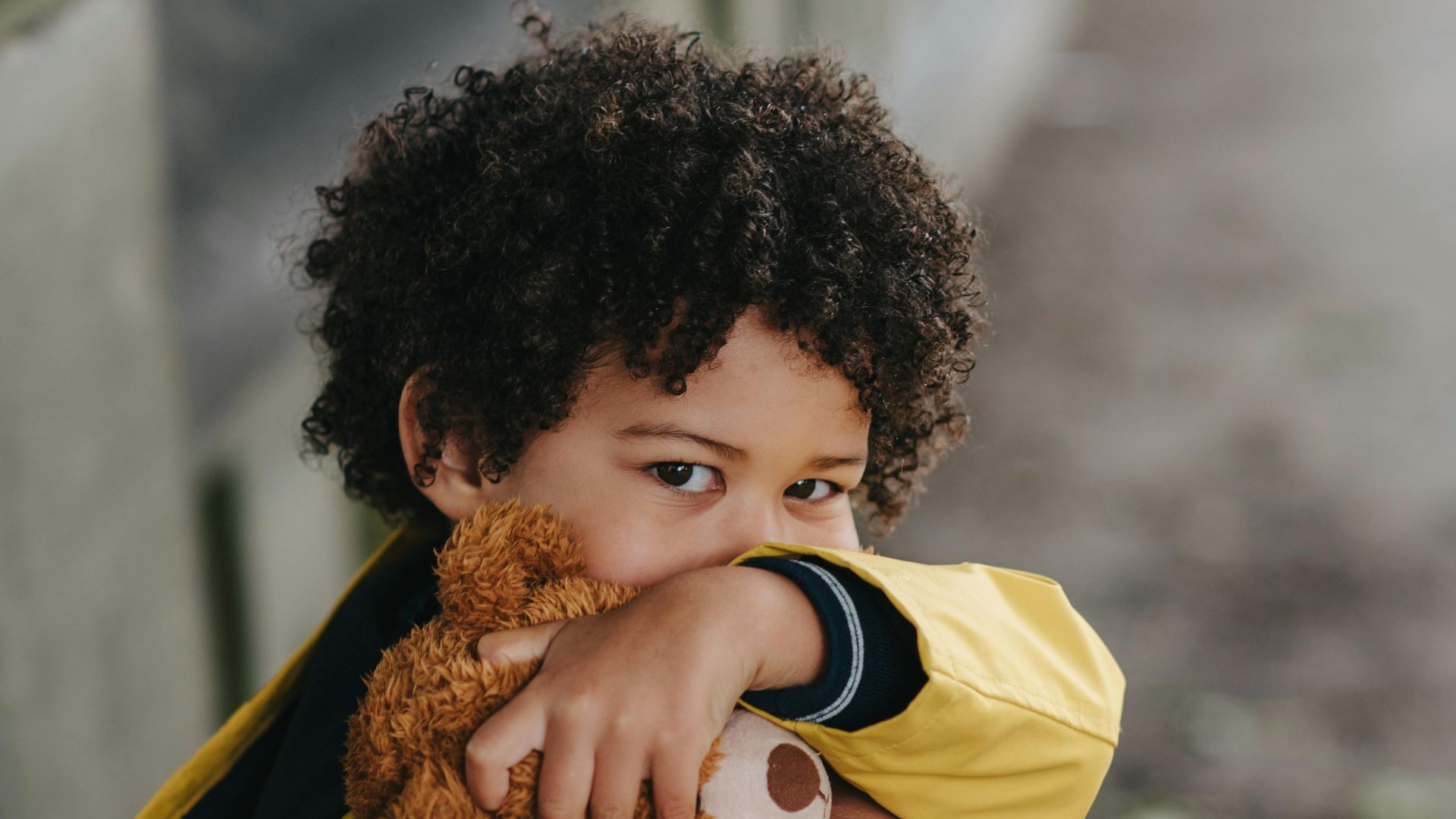
The tone grates, but the message underneath is simple. They’re checking whether you’ll still respond when they’re not at their best. It’s an awkward, ineffective way of asking, do you still like me like this?

5. Interrupting Conversations
Kids cut into adult conversations with urgency that doesn’t match the situation. It’s less about impatience and more about making sure they still have access to you when you’re focused elsewhere. Being ignored, even briefly, can feel bigger to them than it looks.

6. Saying No To Small Requests
Refusing something minor—putting on shoes, picking up a toy—often carries more emotion than the task deserves. It’s not about the task itself, but about seeing how you handle their resistance. Do you stay steady, or does the connection shift?

7. Clinginess At Inconvenient Times
The sudden need to be held or followed around tends to show up when you’re busy. It’s poorly timed, but not random. They’re checking whether your availability disappears when it’s not convenient.

8. Testing Emotional Reactions
Kids might say something mildly rude or dramatic just to watch your face. They’re not always trying to provoke; they’re trying to read you. Your reaction tells them how safe it is to be imperfect around you.

9. Dragging Out Goodbyes
Drop-offs can stretch into long, looping goodbyes that feel unnecessary. But the length isn’t about the goodbye itself—it’s about making sure the separation doesn’t weaken the bond. They’re looking for reassurance in repetition.

10. Ignoring You The First Time
When they don’t respond right away, it can feel like defiance. Often, it’s more like hesitation—waiting to see if your tone changes, if your patience holds. They’re listening just as much to how you say it as what you say.
Some rule-breaking has a different energy entirely—less about connection, more about figuring out who’s actually in charge. Here are ten examples.

1. Arguing Clear Instructions
When the rule is obvious and already understood, arguing becomes less about confusion and more about pushing limits. They’re testing whether rules bend under pressure. It’s a way of mapping how firm the boundary really is.

2. Ignoring Direct Consequences
You’ve explained what will happen, and they do it anyway. This isn’t forgetfulness—it’s experimentation. They want to see if the follow-through actually happens or if it’s negotiable.
3. Talking Back
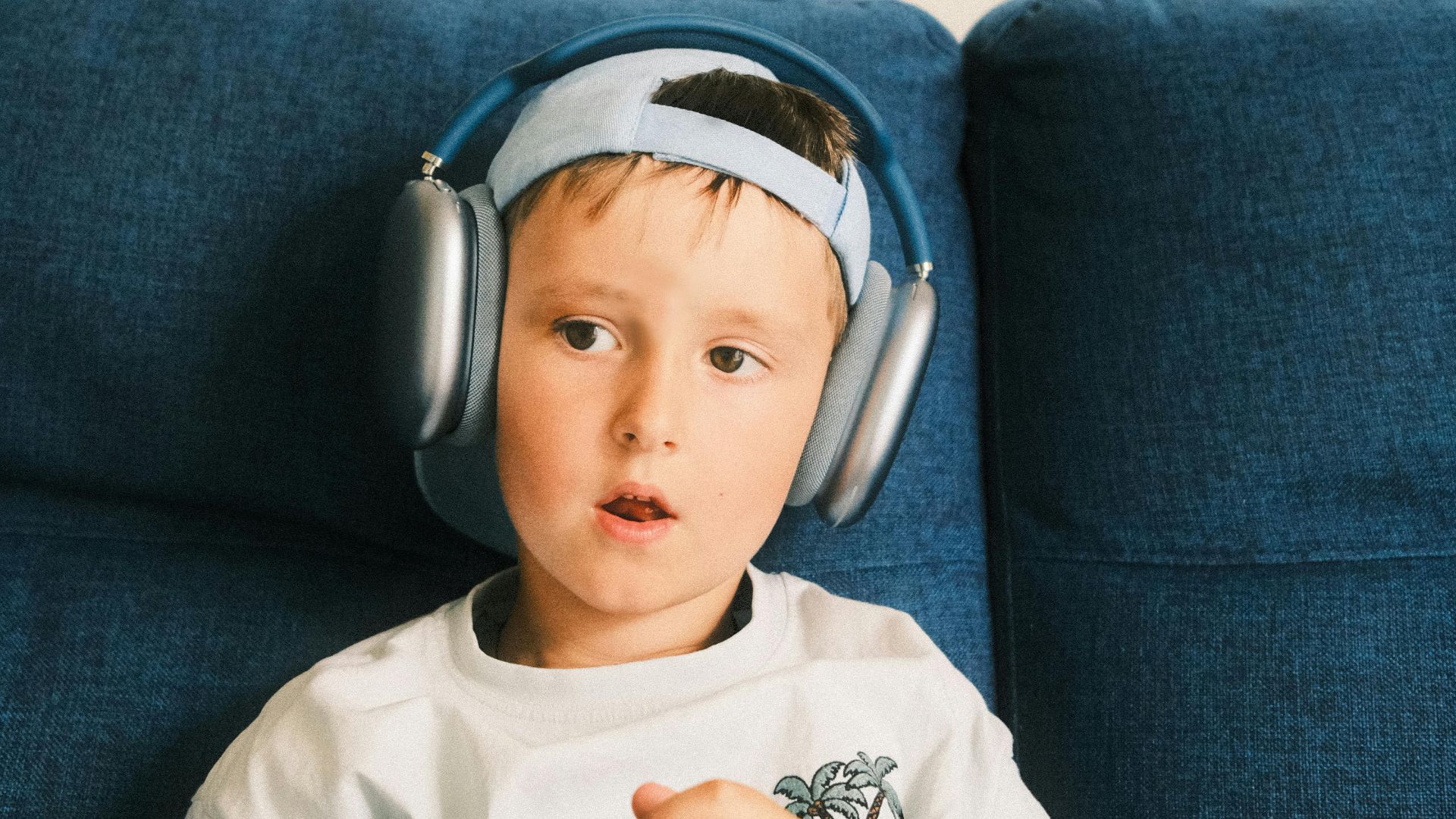
The tone sharpens, the words get bolder. It’s less about what’s being said and more about how far they can go before something pushes back. They’re testing the hierarchy in real time.

4. Refusing Repeated Requests
After multiple reminders, the refusal becomes intentional. It’s not about the task anymore; it’s about control. They’re seeing whether persistence will outlast your expectations.

5. Breaking Rules When You’re Watching
Some rule-breaking happens very deliberately in plain sight. That visibility matters—it’s an invitation to respond. They’re not hiding; they’re measuring your reaction.

6. Challenging Authority In Public
Behavior shifts when there’s an audience. The pushback gets louder, more performative. It’s a test of whether your authority holds up when other people are around.

7. Doing The Opposite Of What You Said
You say stop, they continue. You say come here, they walk away. It’s a direct experiment in control—what happens if they choose the exact opposite?
 Ashwini Chaudhary(Monty) on Unsplash
8. Escalating After A Boundary
After you set a limit, the behavior briefly intensifies. This is the moment they’re checking if the boundary is real or just a suggestion. The escalation is the test.
9. Negotiating Everything
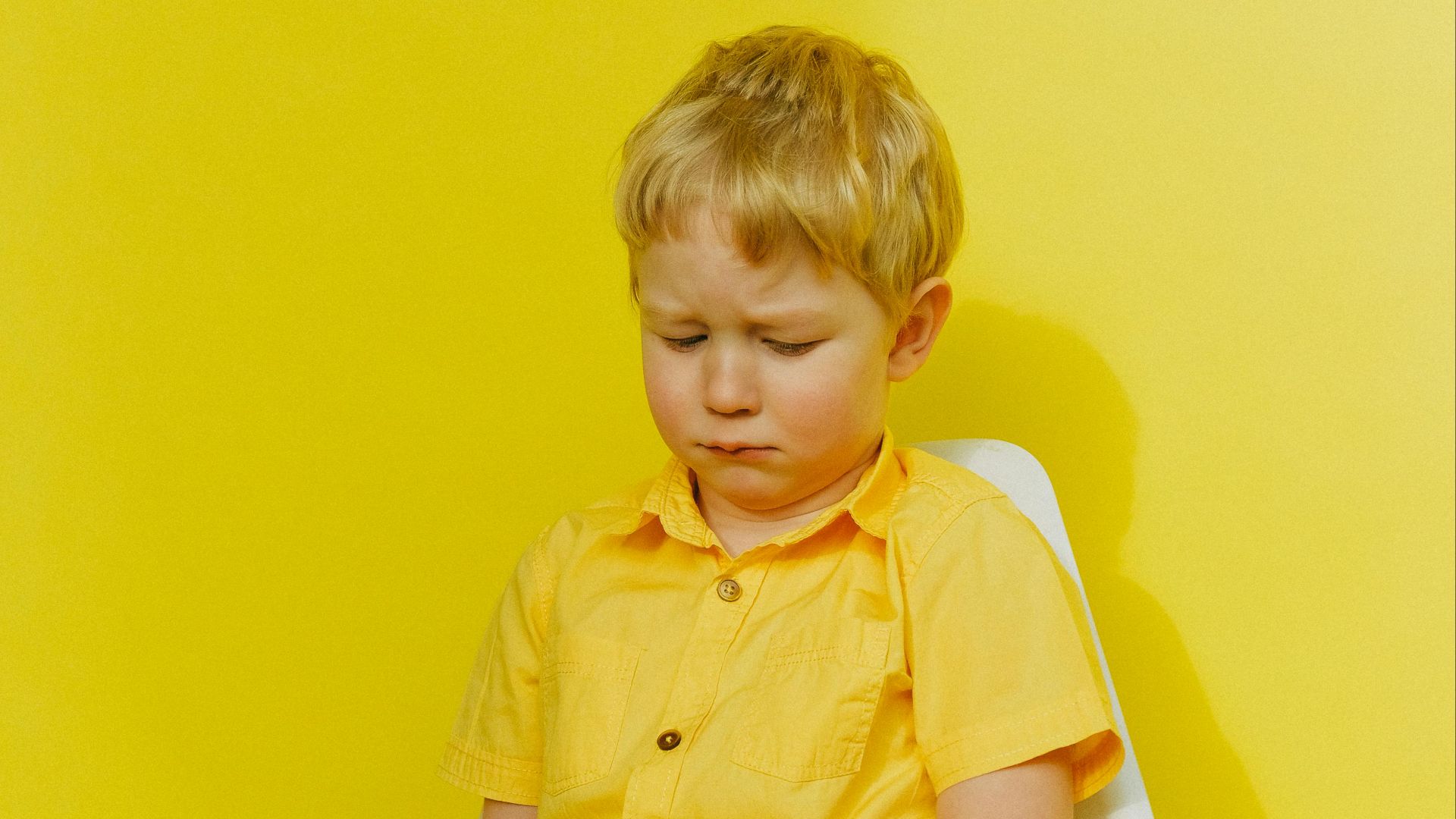
Even settled rules suddenly become open for debate. It’s not always about the outcome—it’s about shifting the dynamic. If everything is negotiable, then control is shared.

10. Pushing Until You React
Sometimes the behavior keeps going until you visibly lose patience. That reaction is the data point they’re after. It tells them exactly where the edge is.