
The Beard Was Loud, The Legacy Is Louder.
Freud still shows up everywhere, even if you’ve never opened a single dusty psychology book. His ideas float around in the way people talk about childhood baggage, like the culture quietly agreed to keep the vocabulary even if it dismissed the theory behind it. At the same time, plenty of what he sold as science reads more like a one-man literary genre: dramatic, confident, and weirdly adverse to being proven wrong. Modern psychology didn’t just move past him, it built whole guardrails to avoid the kinds of theories he made based on pure instinct. Here are ten ways that Freud was completely off the mark and ten ways he was surprisingly accurate.
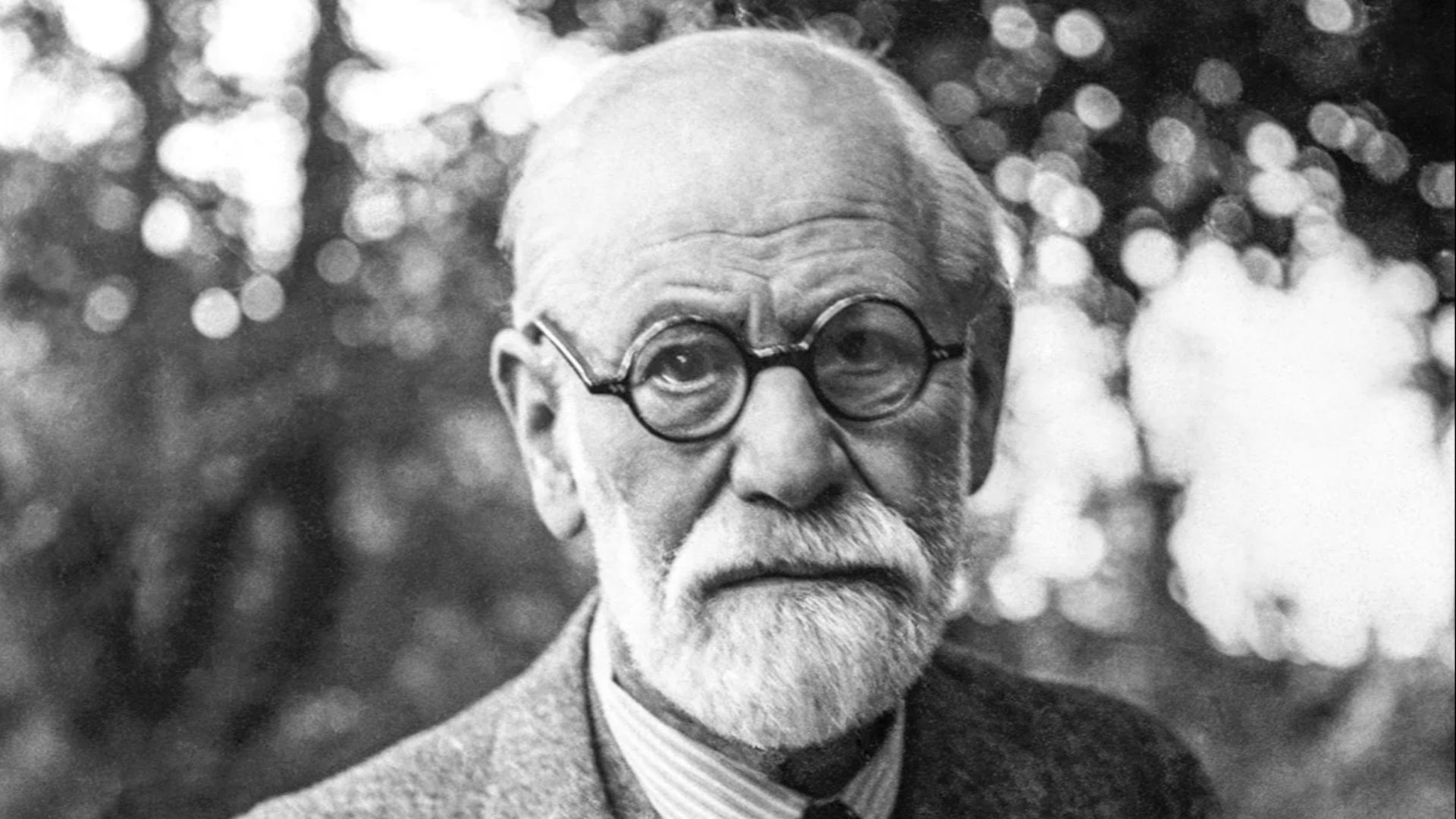 Paul De La Roussert on Wikimedia
1. He Built A Theory That Couldn’t Lose
Freud’s explanations were often designed to absorb any outcome, which is one reason philosophers of science like Karl Popper later held psychoanalysis up as a classic example of something unfalsifiable. If every disagreement is “resistance” and every denial is “repression,” the theory stays safe no matter what the patient says. That’s comforting for the theorist, and useless as a test.
 Priscilla Du Preez 🇨🇦 on Unsplash
2. He Treated Case Studies Like Proof
Freud wrote vivid case histories, yet they weren’t controlled experiments, and he often interpreted them like they were decisive evidence. The stories are compelling, but they’re also selective, subjective, and shaped by the analyst’s expectations. When a whole system depends on how persuasive one person’s narrative sounds, science is not really driving the bus.
 Priscilla Du Preez 🇨🇦 on Unsplash
3. He Sometimes Massaged The Story To Fit The Idea
Freud’s published cases have been picked apart for discrepancies between what was recorded, what was later claimed, and what was omitted, and that criticism has followed him for decades. Even sympathetic readers notice how neatly the conclusions tend to land where the theory wanted them to land. When the ending arrives prewritten, the analysis starts looking like branding.
 Priscilla Du Preez 🇨🇦 on Unsplash
4. He Turned Sexuality Into A Skeleton Key
Freud’s insistence that hidden sexual drives explained an enormous range of symptoms made his system feel powerful, and also suspiciously convenient. The more a theory relies on one master lever, the easier it becomes to pull that lever everywhere. You can feel the overreach when normal human messiness gets squeezed into one narrow storyline.

5. He Had A Habit Of Declaring Victory Early
Freud often wrote with the confidence of someone announcing a discovery, not someone cautiously building a case. That tone mattered because it encouraged followers to treat interpretation as certainty. A field that rewards certainty over humility tends to grow a lot of charisma and very little correction.

6. He Reframed Trauma In Ways That Still Sting
Early in his career, Freud seriously considered that hysteria might be linked to real sexual abuse, then later shifted emphasis toward fantasy and internal conflict, a change that remains heavily debated. The history around his “seduction theory” has become a symbol of how easily institutions can turn away from uncomfortable realities. Whatever the exact motives, the pivot left a long shadow.

7. He Smuggled Cultural Bias Into Universal Claims
Freud’s work was steeped in the assumptions of his time and class, yet he often presented those assumptions as human nature. His theories about women, development, and “normal” sexuality can read less like observation and more like a Victorian-era rulebook with footnotes. When bias is treated as biology, the analysis becomes a mirror, not a map.

8. He Let Suggestion Sneak Into The Room
The analytic setup gave Freud immense interpretive power, and patients were not immune to the pressure to make the story work. If you’re told often enough that a symptom must mean something specific, you may start providing the meaning that’s being requested.

9. He Made Huge Claims With Thin Measurement
Freud offered big architecture for the mind, yet he worked without the tools that later fields rely on, like standardized measures, statistical testing, or independent replication. That doesn’t make him uniquely villainous, but it does make many of his sweeping conclusions feel more like speculation than demonstration.

10. He Helped Create A Movement That Behaved Like A Cult
Psychoanalysis developed schools, loyalties, and excommunications, and Freud himself was not shy about gatekeeping and feuds. When a set of ideas becomes an identity, disagreement turns personal, and that’s poison for honest inquiry. Plenty of Freud’s legacy is institutional drama dressed as intellectual destiny.
Still, it’s hard to deny that some of his instincts were uncannily accurate, even when his explanations weren’t. Here are ten examples.
 Christina @ wocintechchat.com M on Unsplash
1. He Put The Unconscious On The Map
Freud didn’t invent the idea that people are not fully transparent to themselves, but he made it impossible to ignore. Modern cognitive psychology has plenty of evidence that perception, memory, and decision-making can happen outside awareness. The details look different now, yet the basic punchline survived.

2. He Understood That People Defend Themselves Psychologically
Defense mechanisms can sound like psychoanalytic jargon until you notice how everyday they are. People rationalize, minimize, intellectualize, and redirect feelings all the time, especially when pride is on the line. Later researchers tried to study defenses more systematically, which helped separate the useful idea from the grand myth.

3. He Recognized That Talking Can Change Symptoms
Freud’s version of talk therapy was far from modern practice, but he helped cement the idea that language and insight can be part of treatment. Today’s evidence-based therapies use different models and stricter methods, yet they still rely on structured conversation as a tool. The simple act of putting experience into words remains powerful.

4. He Made The Therapeutic Relationship Central
Freud’s concept of transference captured something real about how old patterns show up in new relationships, including the therapy room. Even therapists who reject psychoanalysis pay serious attention to rapport, alliance, and the emotional weather between two people. Research on therapy outcomes consistently treats the relationship as a major factor.

5. He Took Inner Conflict Seriously
Freud’s mind was full of competing forces, and that basic idea matches the way people actually live. You can want stability and crave chaos, love someone and resent them, chase a goal and sabotage it, sometimes in the same afternoon. Modern psychology explains this with different language, but the conflict itself is not a relic.

6. He Noticed How Childhood Echoes Into Adulthood
Freud overstated plenty, yet he was right that early experience can leave lasting grooves. Developmental psychology and attachment research built more careful frameworks for how early relationships influence later patterns. The causal chains are more nuanced than Freud claimed, yet the general direction holds.

7. He Treated Dreams As Meaningful Mental Material
Freud’s dream interpretations can feel like a carnival funhouse, but he was onto something in seeing dreams as psychologically relevant. Modern sleep research suggests dreams pull from emotion, memory, and recent experience, even if they don’t behave like coded wish-fulfillment telegrams. The brain doesn’t stop processing life just because the lights are off.

8. He Understood That Symptoms Can Be Symbolic
People often express distress through the body, habits, and avoidance long before they can name what’s wrong. Freud framed this in his own dramatic terms, but the basic observation shows up across clinical practice. Sometimes a symptom is a workaround, and understanding the function changes the grip it has.

9. He Saw How Stories Shape Identity
Freud treated the self as something constructed, revised, and defended, not just discovered. That fits with the way people edit their past, choose explanations, and build a coherent narrative out of messy events. Even outside therapy, the stories we tell about ourselves steer what we notice and what we tolerate.

10. He Dragged Mental Life Into Public Conversation
Even when Freud was wrong, he made it normal to talk about motives, desire, shame, and private thought as legitimate subjects. That cultural shift helped open the door for later, more rigorous approaches to mind and behavior. The legacy isn’t just a set of claims, it’s the permission slip he handed society to take inner life seriously.