
How to Tank Your GPA
You've just gotten your report card back, and—uh-oh. Your grades aren't looking too hot. But where did you go wrong, and how can you fix it before it's too late? Believe it or not, a bad GPA usually isn’t due to one dramatic failure, but a result of the everyday choices you make about time, attention, effort, and consistency. If you want to get better marks, buckle up and, as the Gen Z kids would say, lock in. Here are 10 mistakes you want to avoid that'll inevitably ruin your GPA, and 10 smarter habits to adopt to boost your grades back up.

1. Skipping Class
One of the fastest ways to plummet your GPA is to assume missing class won’t matter as long as you catch up later. But lectures often include explanations, examples, and assignment details that don’t fully appear in the slides or textbook. Once skipping becomes normal, it gets much harder to stay organized and much easier to fall behind.

2. Waiting Until the Last Minute for Everything
Procrastination turns manageable work into stressful, rushed work that usually isn’t your best. When you start assignments too late, you leave no room for questions, revisions, or careful thinking. That pressure often leads to lower grades, preventable mistakes, and unnecessary panic. In other words: a recipe for disaster.

3. Ignoring the Syllabus
A lot of students read the syllabus once and then never look at it again, which causes all kinds of avoidable problems, from missing important dates to misinterpreting grading policies and participation expectations. If you don’t check it regularly, you’re more likely to miss something that directly affects your final grade.

4. Studying Only When There's an Exam
Sure, cramming can help you remember a few facts for a short time, but it usually doesn’t build real understanding. Courses become much harder when each test feels like you’re relearning weeks of material all at once, rather than absorbing it gradually. The stress and pressure you'll feel often lead to bad performances when it matters.
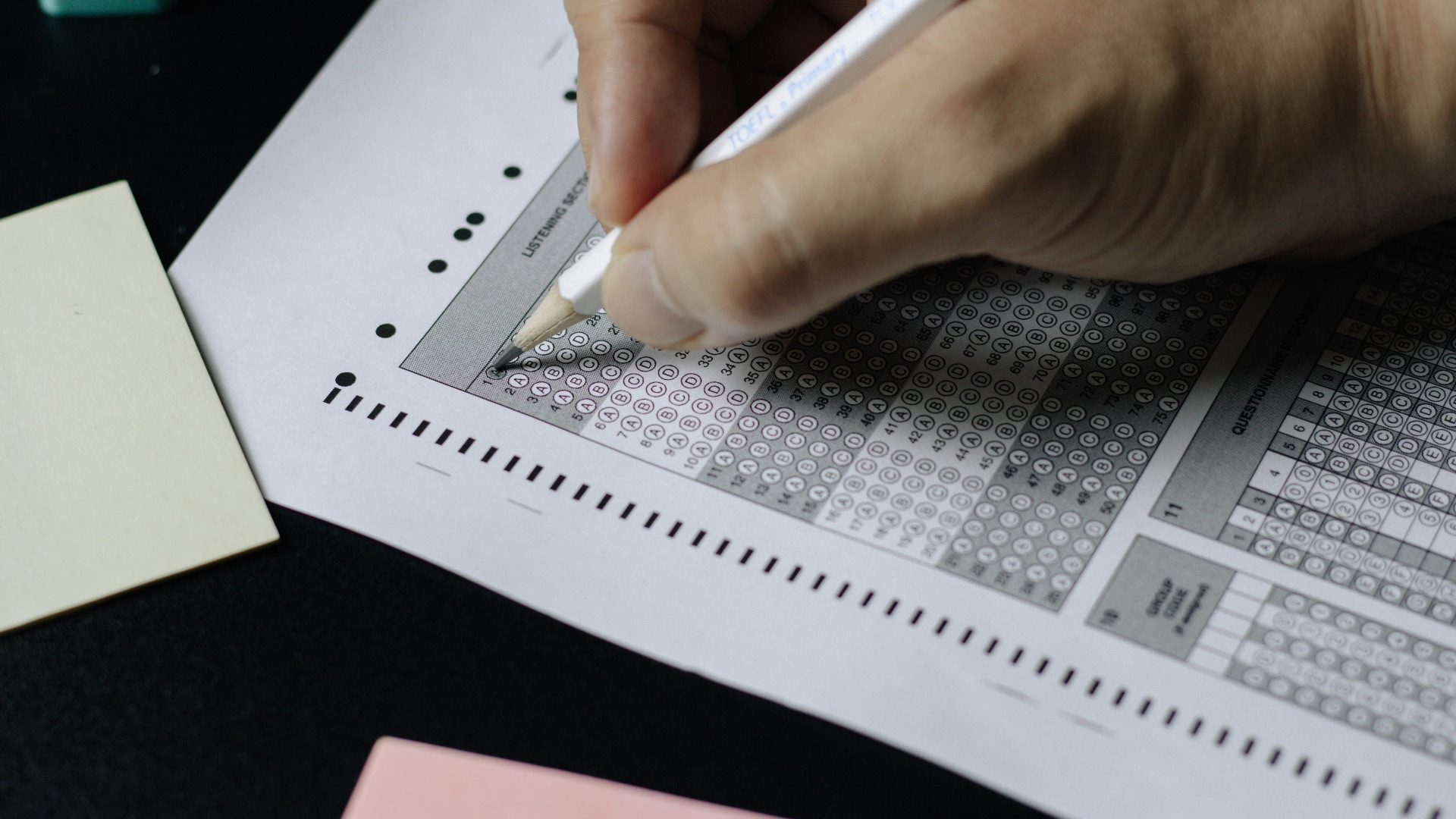 Nguyen Dang Hoang Nhu on Unsplash
5. Refusing to Ask for Help
Some students think asking for help makes them look clueless and unprepared, but avoiding help usually makes things far worse. Professors, teaching assistants, tutors, and classmates can often help clear up confusion before it spirals into a bigger problem, so don't forget to pop into office hours or just ask the person sitting beside you.

6. Taking Notes Without Actually Listening
Writing everything down word for word can feel productive, but it often keeps you from processing what’s being taught. Good notes should help you understand key ideas, not just record a transcript of the lecture. If your attention is on copying rather than thinking, your studying later becomes much less effective.

7. Underestimating Small Assignments
Quizzes, discussion posts, homework, and participation points may seem minor compared with exams and big papers, but those smaller assignments can raise or lower your average more than you think. Brushing them off sends the message that easy points don’t matter, and that mistake can end up costing you big time.

8. Studying in Constant Distraction
Trust us, trying to work while checking messages, scrolling social media, or watching videos will only split your attention into a dozen different directions. Even when you think you're good at multitasking, your focus usually becomes weaker and your work takes longer to finish. That means more time spent studying later and often worse results to show for it.

9. Focusing Only on Grades Instead of Learning
When every assignment becomes a scramble for points, it’s easy to lose sight of actual understanding; students who only ask, “Will this be on the test?” often miss the deeper concepts that professors expect them to apply later. Remember: memorization alone doesn’t carry you very far in demanding classes.

10. Letting One Bad Grade Define the Semester
A disappointing test score can make students feel like the course is already ruined, even when there’s plenty of time to recover. That kind of mindset often leads to discouragement, reduced effort, and poorer performance afterward. One setback is usually manageable, but giving up because of it is what does the real damage.
Once these mistakes start stacking up, your GPA can slip in a way you might think is sudden, even though the warning signs were there all along. The better approach is to replace those patterns with these next 10 habits that make strong grades more stable, less stressful, and much easier to maintain.

1. Showing Up Consistently and Prepared
It should go without saying that regular attendance gives you access to context, clarification, and reminders that can make every assignment easier. Coming prepared with the reading done and materials ready also helps you participate more confidently and follow the lecture more closely. Over time, that consistency helps build a stronger academic foundation than last-minute effort ever can.

2. Planning Your Week Before It Gets Busy
Students who manage their workload well usually aren’t less busy than everyone else; they’re just more intentional with how they spend their time. After all, setting aside blocks in the day for reading, studying, and assignments before the week fills up makes it easier to stay ahead.

3. Starting Assignments Early
Beginning early gives you an advantage that rushed students never have enough of: thinking time. You can review instructions, ask questions, revise your work, and catch mistakes before they affect your grade. That extra margin often leads to stronger submissions and much, much less stress.
 Standsome Worklifestyle on Unsplash
4. Reviewing Notes Soon After Class
Going over your notes on the same day helps the material stay fresh in your mind and makes confusing points easier to fix. It also turns your notes into a study tool rather than a pile of pages you’ll ignore until exam week. Even a short review session can make later studying far more efficient.

5. Using Office Hours and Academic Support
Students who do well often take advantage of resources instead of waiting until they’re in trouble. Office hours, tutoring centers, writing labs, and study groups can sharpen your understanding and improve your work before grades suffer. Asking smart questions early shows initiative, and it usually leads to better academic outcomes.

6. Breaking Big Tasks Into Smaller Steps
Tackling a big project might seem daunting, but you'll find it's much more manageable when an important research paper or a major exam is divided into clear, realistic pieces. You can set deadlines for outlining, drafting, reviewing, and studying instead of trying to do everything in one exhausting stretch. That approach improves both the quality of your work and your ability to stay calm.

7. Studying with Active Methods
Rereading notes has its place, but stronger results usually come from doing more than just looking at the material. Practice questions, self-testing, summarizing from memory, and teaching concepts back to yourself all force your brain to engage more deeply, which helps lock everything in. Those methods make it easier to remember information and use it accurately under pressure, like during exams.

8. Getting Enough Sleep
Grades are affected by more than effort alone because concentration, memory, and decision-making all depend on basic physical well-being. When you’re exhausted, it becomes harder to focus in class, organize your work, and think clearly during exams. Getting enough sleep won’t replace studying, but it absolutely helps your studying work better, so remember to get your eight hours of shut-eye in.

9. Tracking Your Grades Throughout the Term
Keeping an eye on your grades helps you spot problems before they become more difficult to fix later in the semester. You can see whether missing work, weak quiz scores, or one poor exam is starting to affect your average and adjust accordingly. Knowing where you're falling short makes you more strategic to get back on track, and you'll be less likely to be surprised when your report comes in.

10. Bouncing Back Quickly from Setbacks
Strong students aren’t perfect, but they do respond well when something goes wrong. Instead of dwelling on a disappointing result, they figure out what happened and change their approach for the next assignment or exam. That ability to recover, adapt, and keep moving is one of the most reliable habits behind better grades, and you can adopt this mindset, too.