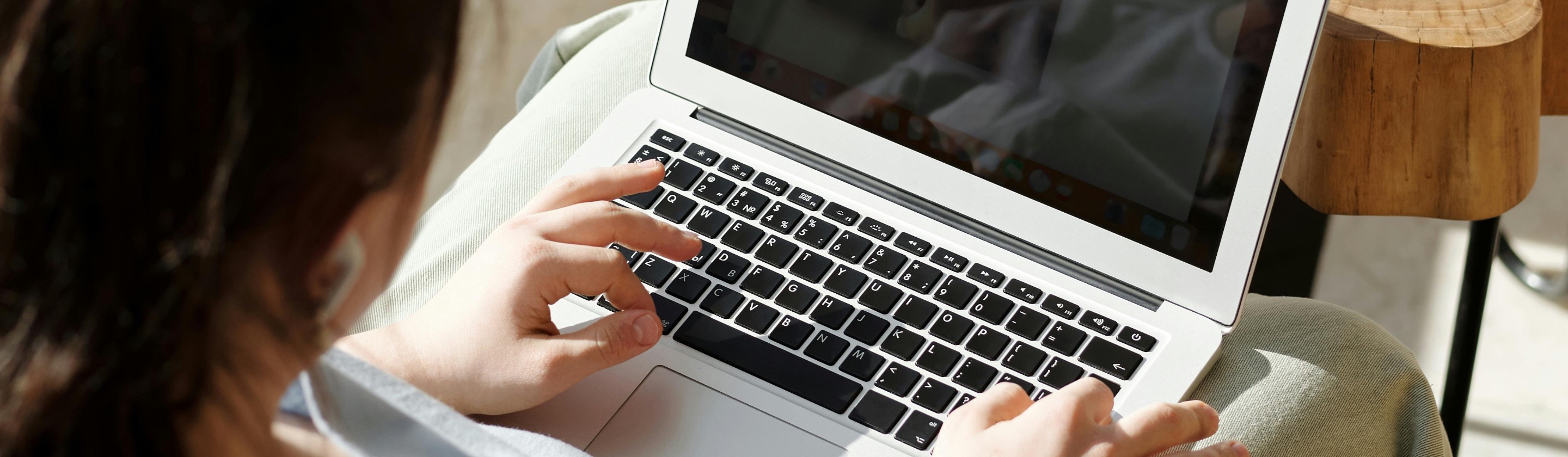

Working from home has become one of the defining workplace shifts of the past several years, with millions of people swapping their commutes for kitchen tables and spare bedrooms turned into personal offices. It's often sold as the ideal arrangement: more flexibility, fewer distractions, and a better work-life balance. For many people, remote work genuinely does deliver on some of those promises. But it's worth taking an honest look at the trade-offs that don't always make it into the conversation.
The reality is that working from home isn't a perfect setup for everyone, and the downsides can actually chip away at both your productivity and your well-being over time. From the blurring of personal and professional boundaries to the slow erosion of social connections, remote work comes with a specific set of challenges that can be easy to overlook at first.
The Boundaries Between Work and Personal Life Can Disappear
One of the most common complaints among remote workers is that it becomes increasingly difficult to mentally clock out at the end of the day. When your home doubles as your office, the physical separation that once served as a natural signal to wind down simply doesn't exist anymore. Research has found that remote employees often work longer hours than their in-office counterparts, frequently logging on early, staying late, or checking emails well into the evening.
This constant availability can lead to a gradual accumulation of stress that's harder to notice precisely because there's no clear endpoint to the workday. Without intentional structure, rest time and work time can bleed into each other, leaving you feeling like you're always on call. Over time, that lack of a defined stopping point can contribute to burnout, which the World Health Organization classifies as an occupational phenomenon resulting from chronic, unmanaged workplace stress.
The physical environment also plays a bigger role than most people expect. If you don't have a dedicated workspace, you may find yourself answering emails from the couch or reviewing documents at the dinner table, which makes it even harder to associate those spaces with relaxation. Setting firm boundaries requires active effort and discipline that wasn't necessary when the office was a separate building miles away. For people who share their homes with partners, children, or roommates, carving out that structure becomes an additional layer of negotiation.
Isolation and the Loss of Social Connection Are Real Risks
The social dimension of office life is something many people don't fully appreciate until it's gone. Casual conversations in the hallway, lunch breaks with colleagues, and the general hum of a shared workspace all contribute to a sense of belonging that's difficult to replicate through a screen. A 2023 survey by Buffer found that loneliness remains one of the top challenges reported by remote workers year after year, underscoring just how significant the social toll can be.
Professional relationships also tend to develop more slowly (or not at all) when interactions are limited to scheduled video calls. The spontaneous exchanges that often lead to collaboration, mentorship, or even career opportunities are far less likely to happen in a remote environment. For people who are newer to their roles or their industries, this can be a meaningful disadvantage; learning through proximity to experienced colleagues is something that video conferencing simply can't replicate in the same way.
There's also the mental health angle to consider. Social isolation is a well-documented risk factor for depression and anxiety, and remote work can accelerate that isolation if workers aren't actively seeking out connection. The American Psychological Association has noted that sustained social disconnection can have effects comparable to other significant health risks. Working from home doesn't automatically lead to isolation, but it does require a more deliberate approach to maintaining the kinds of relationships that an office environment used to provide by default.
Productivity and Career Growth Can Both Take a Hit
The idea that working from home automatically makes you more productive is a popular one, but the evidence is more complicated than that. Domestic distractions—household chores, family members, the pull of the television—can interrupt focus in surprisingly persistent ways. While some people thrive in a home environment, others find that the absence of an office structure leaves them struggling to maintain momentum throughout the day. Studies have shown that remote work can actually reduce collaboration and innovation, particularly when teams are working across different locations.
The home setup itself can also create disparities that affect output and focus. Not everyone has access to a reliable internet connection, a comfortable desk, or a space free from noise and interruptions; these practical limitations can translate directly into reduced efficiency and heightened frustration. While employers increasingly offer stipends or equipment support, the baseline working environment at home is far less consistent than what a well-resourced office provides, and the result is that the experience of remote work can vary enormously depending on individual circumstances.
All this goes to show that, while working from home clearly has its appeal, it's not without its complications. The challenges around boundaries, social connection, and career visibility are real, and they tend to compound over time if they're not actively addressed. Being aware of these downsides doesn't mean remote work isn't worth it for you, though; it just means you'll need to assess how to adjust your environment and lifestyle to make it work on your own terms.