
10 Ways To Tell You're Not On Good Financial Footing & 10 Ways To Fix It
Catch Problems Before They Cost You
Money problems usually start with small choices that feel harmless at the time. You skip checking your balance on a Sunday night, put a grocery run on a credit card, and tell yourself Friday’s paycheck will sort it out. Suddenly, the phone bill, car insurance, and that forgotten streaming charge all come out of your account in the same week, throwing your perfectly laid plans into chaos. Being on shaky financial footing doesn’t mean you’ve ruined your life, and it doesn’t mean you’re bad with money forever. It means your money needs attention now, and these signs and fixes are a good place to start.

1. Paycheck-To-Paycheck
If your checking account is nearly empty a few days before every payday, you’re working with almost no margin. A $300 car repair, a higher winter heating bill, or one missed shift can throw the whole month off. That pattern deserves attention before the next surprise expense shows up.

2. Minimum Payments
Making minimum payments keeps your credit score high, which matters, but it may not reduce the balance by much. If most of your payment goes toward interest, the debt can sit there for a long time while you keep feeling like you’re doing the right thing. It’s frustrating because you are paying, just not enough to make real progress.

3. Maxed-Out Cards
A credit card near its limit usually means your emergency funds have already been spent. High balances can also affect how lenders view you, especially if most of your available credit is in use. That can make it harder to qualify for better rates when you actually need help.

4. Credit For Groceries
Using a credit card for groceries, gas, or a pharmacy run isn’t automatically a problem. The trouble starts when you can’t pay those charges off before the next statement arrives.

5. High-Cost Loans
Payday loans, title loans, and other high-fee borrowing options can make a tight week even harder. The money may solve one bill today, then leave you short again when repayment hits. That’s the part people don’t always say out loud: the emergency doesn’t feel over when the loan comes due.
 Cytonn Photography on Unsplash
6. Unknown Balances
If you don’t know what you owe, when payments are due, or how close your cards are to their limits, you’re guessing. Avoiding the numbers might lower your stress for an evening, but the money you owe doesn’t stop existing.

7. Borrowing For Basics
Needing help from family or friends once in a hard season is human. Needing it regularly for rent, groceries, gas, or utilities usually points to a budget that can’t support your normal life. That can get emotionally heavy, especially when the person helping you also has bills of their own.

8. Overtime Bills
Overtime can be useful if you’re saving for a move, paying off a medical bill, or building an emergency fund. If extra shifts are the only way you can cover rent, groceries, and insurance, something needs to change.

9. Delayed Healthcare
Skipping dental cleanings, prescriptions, eye exams, or follow-up appointments because of cost is a serious warning sign. It’s understandable when money is tight, especially if the bill has to compete with rent or child care. Still, delayed care can leave you dealing with bigger health and money problems later.
 Filip Rankovic Grobgaard on Unsplash
10. Money Stress
If you’re lying awake thinking about bills, your finances are affecting more than your bank account. Financial stress makes every decision more difficult. If money is always on your mind, it’s usually a sign you need a better budgeting plan.

1. Full Money Check
Start by writing down your income, regular bills, debts, interest rates, and typical monthly spending. Use real numbers from your bank account, credit card statements, and pay stubs. Seeing it all at once can sting, but it gives you something solid to work with.

2. Real Budget
A useful budget has to match your actual life. If you buy coffee twice a week, pay for parking downtown, or send money to a parent every month, those things need to be in there. A budget that pretends you live like a monk with excellent meal prep skills isn’t built to last.

3. Weekly Review
Check your spending once a week, ideally on the same day. Friday morning or Sunday evening works for a lot of people because the week’s charges are fresh. Use an app, spreadsheet, or notebook, as long as you’ll actually look at it.
 Centre for Ageing Better on Pexels
4. Emergency Savings
Start with a small emergency fund, even if the first goal is only $250 or $500. Set up an automatic transfer after payday, before the money gets absorbed by other bills or spending habits. The first cushion doesn’t have to be perfect to be useful.

5. Debt Priority
List your debts by interest rate, then look at the one costing you the most. Keep making minimum payments on everything, and put any extra money toward the highest-interest balance first. This might help you actually put a dent in your bills.

6. Bill Review
Look at every recurring bill, including phone plans, insurance, gym memberships, subscriptions, and delivery memberships. Cancel what you don’t use, downgrade what you barely use, and compare prices. A $12 subscription may not fix everything, but five forgotten charges can add up in a very annoying way.

7. Spending Pause
Give yourself 48 hours before buying nonessential things online. That applies to clothes, gadgets, home decor, and anything else that’s a want, not a need. Waiting doesn’t mean you can’t buy the thing; it just keeps one bad mood from making financial decisions for you.

8. More Income
Sometimes cutting back isn’t enough, and pretending otherwise helps no one. If your rent, utilities, transportation, and food costs are eating most of your income, look at a raise, a better-paying role, freelance work, a weekend shift, or a skill that can move you into a stronger pay range. The goal is to have more breathing room, not a schedule that leaves you exhausted.

9. Credit Check
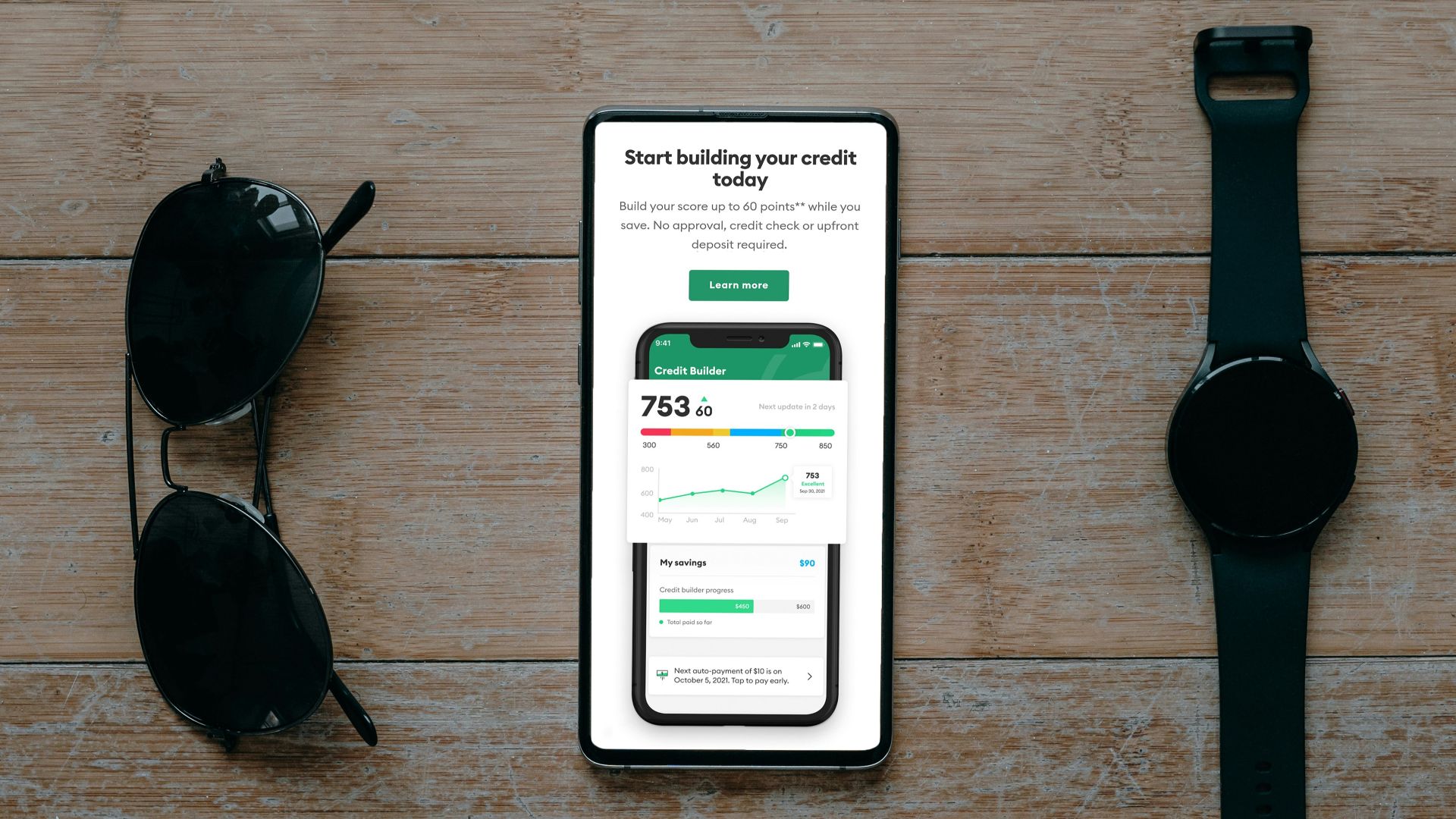
Review your credit reports to see what’s listed under your name. Look for old accounts, wrong balances, late payments you don’t recognize, or anything that looks suspicious. Paying bills on time and lowering balances can help your credit profile over time.
10. Quarterly Reset
Set a reminder to review your money every few months. Look at what changed, what improved, what got worse, and what no longer fits your life. A plan that worked in January may need edits by April.