
Parenting Looked Very Different In The '90s
Parenting in the 1990s was shaped by a world with fewer digital distractions, less constant supervision, and very different expectations for child behavior. Some of the rules parents followed during that decade still make sense because they encouraged independence and responsibility, while others feel outdated now that families know more about mental health, online safety, and child development. When you look back at the way kids were raised in the ’90s, it becomes clear that some habits aged surprisingly well while others probably deserved to stay in the past. Here are 10 parenting rules that worked in the '90s and 10 that don't today.
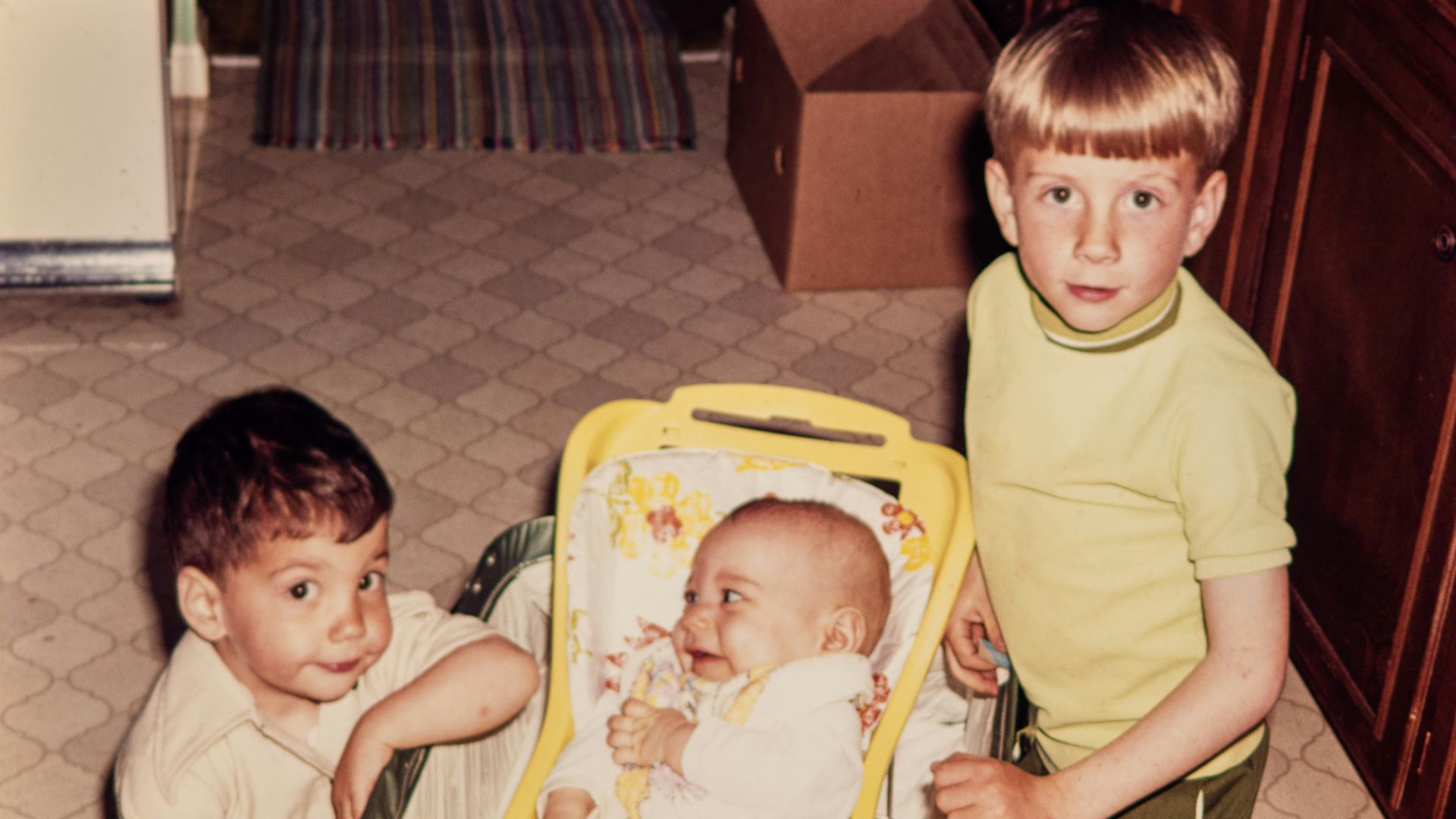
1. Kids Played Outside for Hours
Many children in the ’90s spent long afternoons riding bikes, visiting friends, and playing sports without adults constantly checking on them. That freedom helped children develop independence and social confidence naturally.

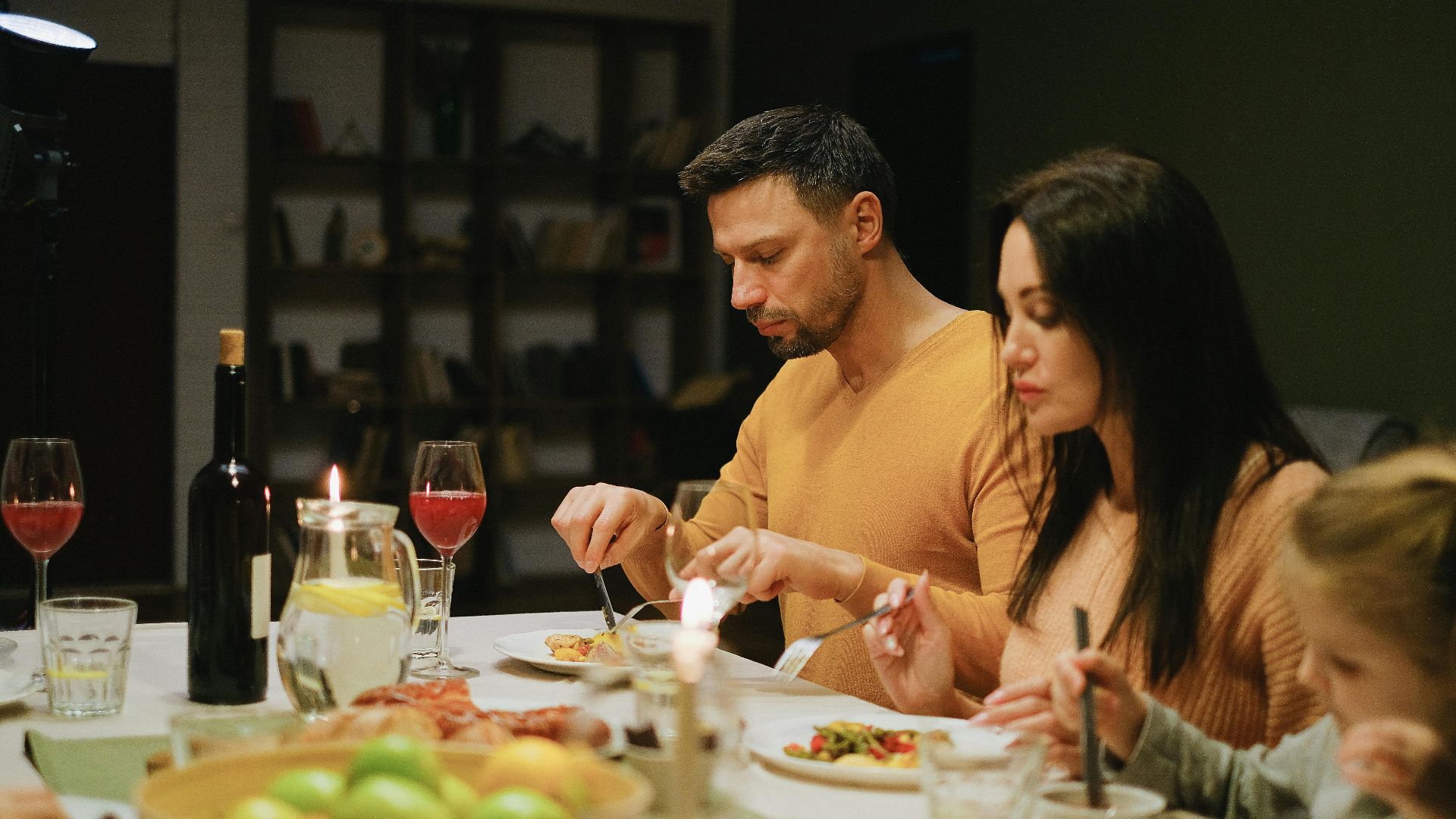
2. Family Dinners Were Important
A lot of families in the ’90s treated dinner as a shared time that everyone attended unless there was a serious reason not to. Parents often learned about school problems, friendships, and daily events just by talking around the table.
3. Kids Learned to Handle Boredom
Parents in the ’90s rarely planned every moment of a child’s day with activities or entertainment. Children usually found their own games, hobbies, or projects when boredom started creeping in. That kind of unstructured time encouraged creativity and problem-solving skills.

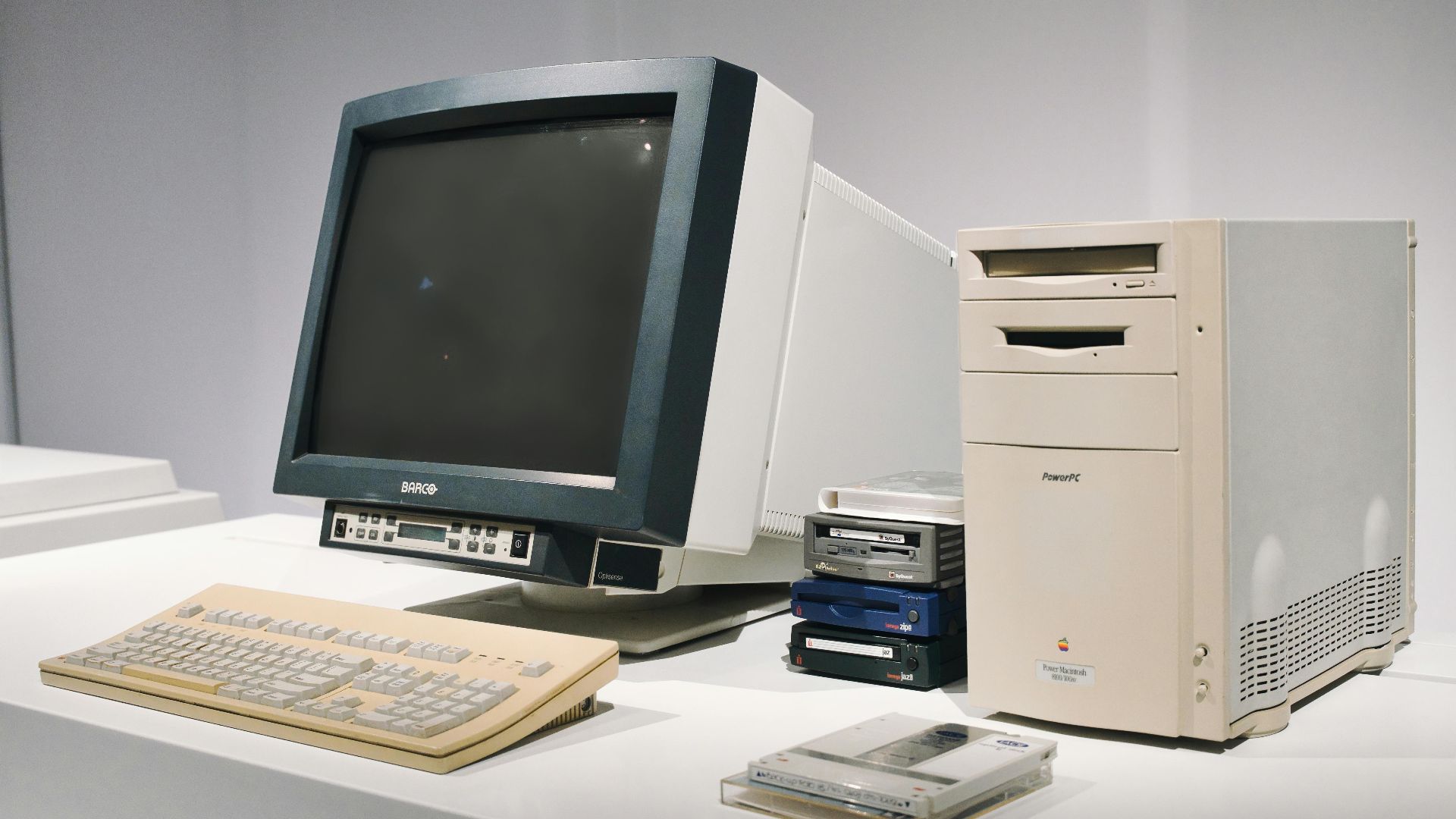
4. One Shared Computer Made Monitoring Easier
Most households had only one computer in the ’90s, and it was usually placed in a shared area of the house. Parents could casually keep an eye on internet use without making it feel overly strict or invasive. Since kids weren’t carrying devices everywhere, screen time stayed naturally limited.
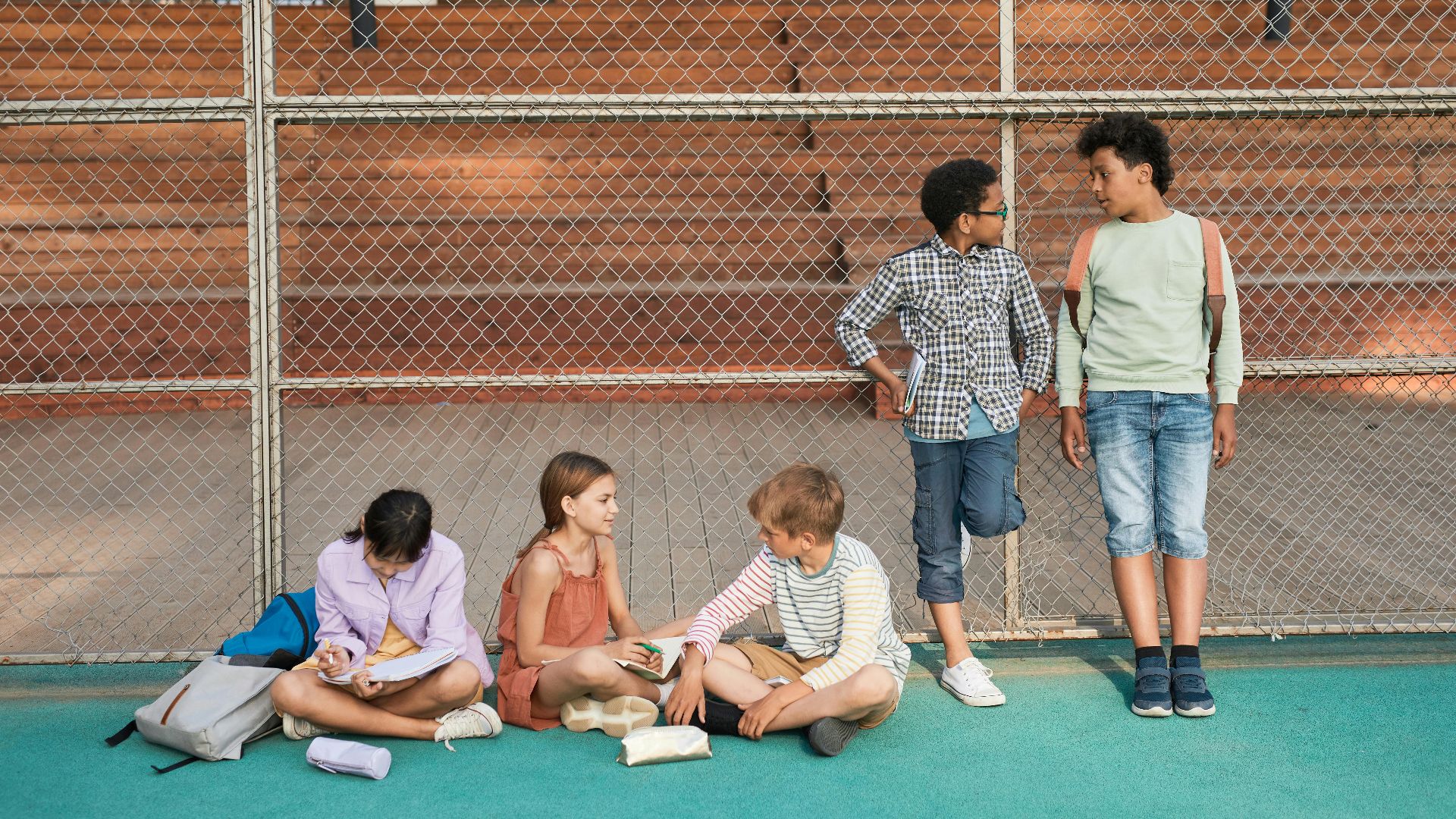
5. Children Took Responsibility for Small Problems
Parents in the ’90s often expected kids to work through minor arguments, forgotten homework, or playground conflicts without immediate adult intervention. Children learned how to speak up for themselves and deal with uncomfortable situations directly.

6. Chores Were Considered Non-Negotiable
Many children growing up in the ’90s were expected to help around the house without turning every task into a debate. Washing dishes, folding laundry, or cleaning bedrooms were treated as basic responsibilities rather than optional favors. Those routines helped children understand accountability and teamwork within the household.

7. Parents Knew Their Kids’ Friends
Because socializing mostly happened face-to-face, parents in the ’90s usually knew their children’s friends and their families personally. Sleepovers, mall outings, and after-school visits often involved direct communication between households.
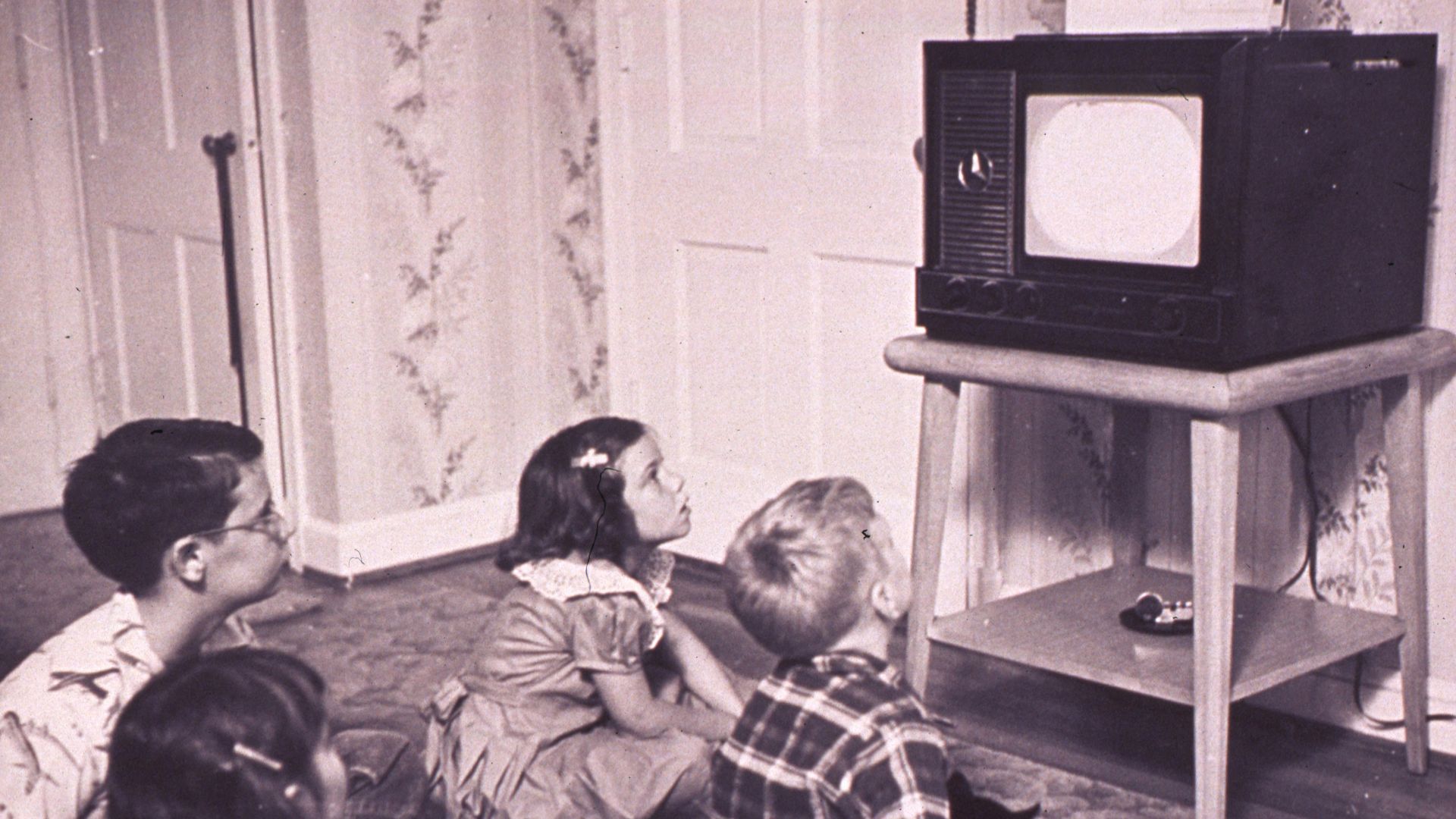
8. Television Had Built-In Limits
Children in the ’90s watched scheduled television programs instead of endless streaming content available at all hours. Once favorite shows ended, there often wasn’t much else worth watching until later in the evening.
 National Library of Medicine on Unsplash
9. Bedtimes Were Usually Strict
Parents during the ’90s often enforced firm bedtimes even during weekends or school vacations. Kids generally weren’t staying awake all night with smartphones, tablets, or social media keeping them engaged. Consistent sleep schedules helped children stay healthier and more focused at school.

10. Kids Had More Everyday Independence
Children in the ’90s were often trusted to walk to school, buy something from a nearby store, or stay home briefly without constant supervision. Parents usually viewed small responsibilities as part of growing up and becoming capable.

1. “Because I Said So” Ended Discussions
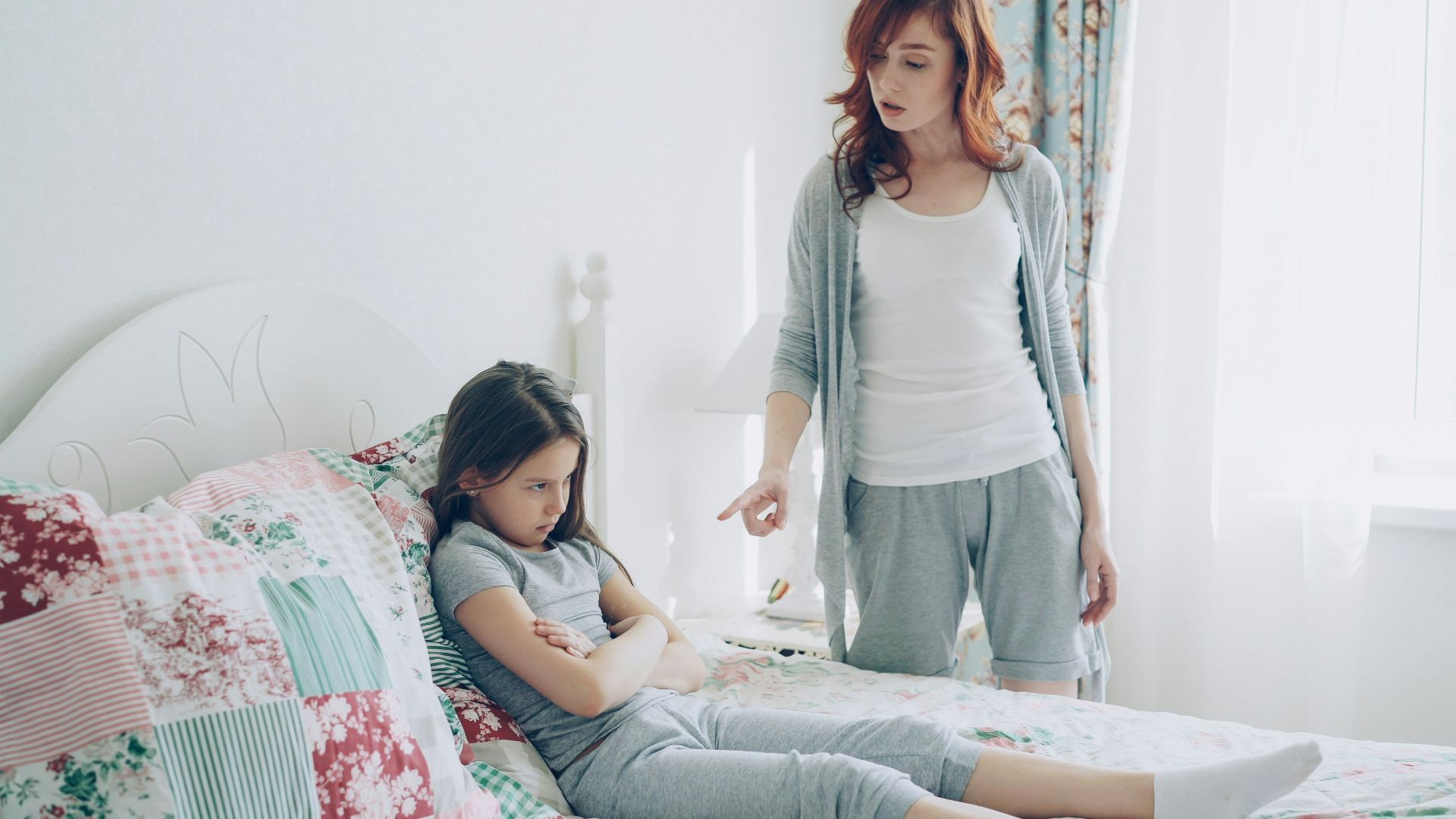
Many parents in the ’90s expected immediate obedience and didn’t spend much time explaining household rules. Children were often discouraged from questioning authority even when they felt confused or upset. Modern parenting usually focuses more on communication and helping children understand boundaries clearly.
2. Mental Health Was Rarely Discussed
Anxiety, stress, and emotional struggles weren’t openly addressed in many households during the ’90s. Children were sometimes told to toughen up rather than talk through difficult feelings.

3. Screen Time Barely Had Rules
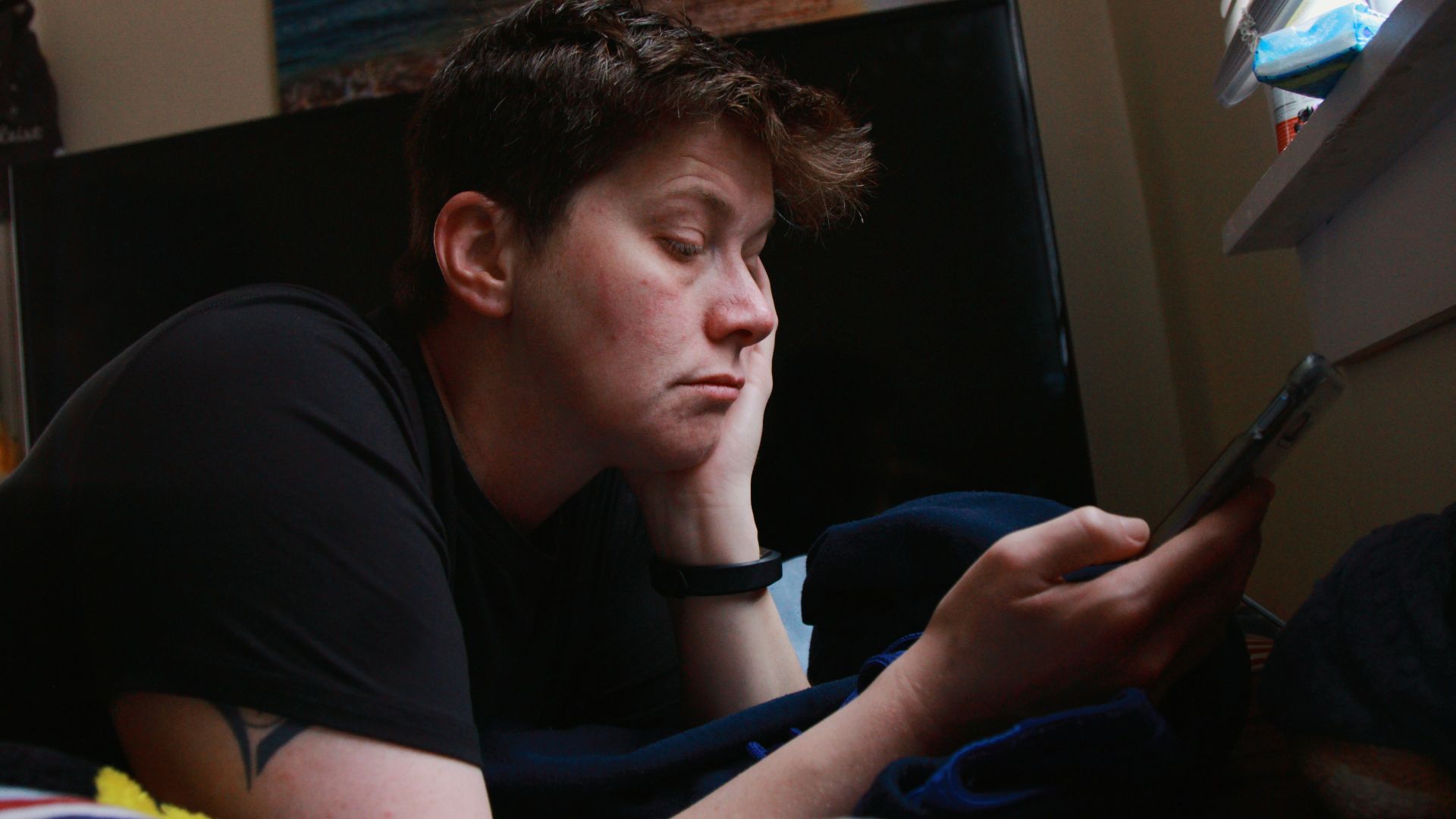
During the ’90s, parents worried less about digital entertainment because children had limited access to technology. Video games and television were usually seen as harmless ways to stay occupied after school. Modern children spend far more time online through phones, streaming apps, and social media platforms.
4. Bullying Was Treated Too Casually
Many schools and parents in the ’90s viewed bullying as a normal part of growing up. Children were often encouraged to ignore it instead of reporting the behavior to adults.
 La Fabbrica Dei Sogni on Unsplash
5. Junk Food Was Much More Common
Sugary cereals, soda, packaged snacks, and fast food were regular parts of many children’s diets during the ’90s. Parents had less access to nutritional information, and fewer conversations happened around long-term eating habits.

6. Physical Punishment Was More Accepted
Spanking and other forms of physical discipline were more common parenting practices during the ’90s. Many adults believed that strict punishment taught children respect and obedience effectively. Modern parenting advice generally favors calmer discipline methods focused on communication and consistency.

7. Kids Had Too Little Online Privacy Protection
When the internet first became popular, many parents didn’t fully understand the risks their children could encounter online. Kids sometimes entered chat rooms or shared personal information without much guidance or supervision.

8. Academic Pressure Was Often Lower
Many children in the ’90s experienced less pressure surrounding grades, extracurricular activities, and college preparation than students often do today. Parents usually allow more downtime without constant performance expectations.

9. Children Were Expected to Stay Quiet Around Adults
Some families during the ’90s believed children should mostly listen instead of openly sharing opinions during conversations. Kids were expected to avoid interrupting and keep their emotional reactions under control.

10. Parents Didn’t Talk Much About Emotions
Emotional conversations happened less frequently in many ’90s households because parents often focused more on behavior than feelings. Children sometimes learn to hide disappointment, embarrassment, or anxiety instead of discussing it openly.