Love Still Needs Space
Romance gets a lot of bad advice from movies, songs, and people who mistake intensity for intimacy. We are taught to cheer for the grand gesture, the surprise arrival, the relentless pursuit, and the dramatic speech in public. But real love does not need to corner someone to prove it is serious. The best romantic moments usually leave room for both people to breathe, choose, and feel safe. Here are 20 things people often think are romantic that can actually cross a boundary.

1. Showing Up Unannounced
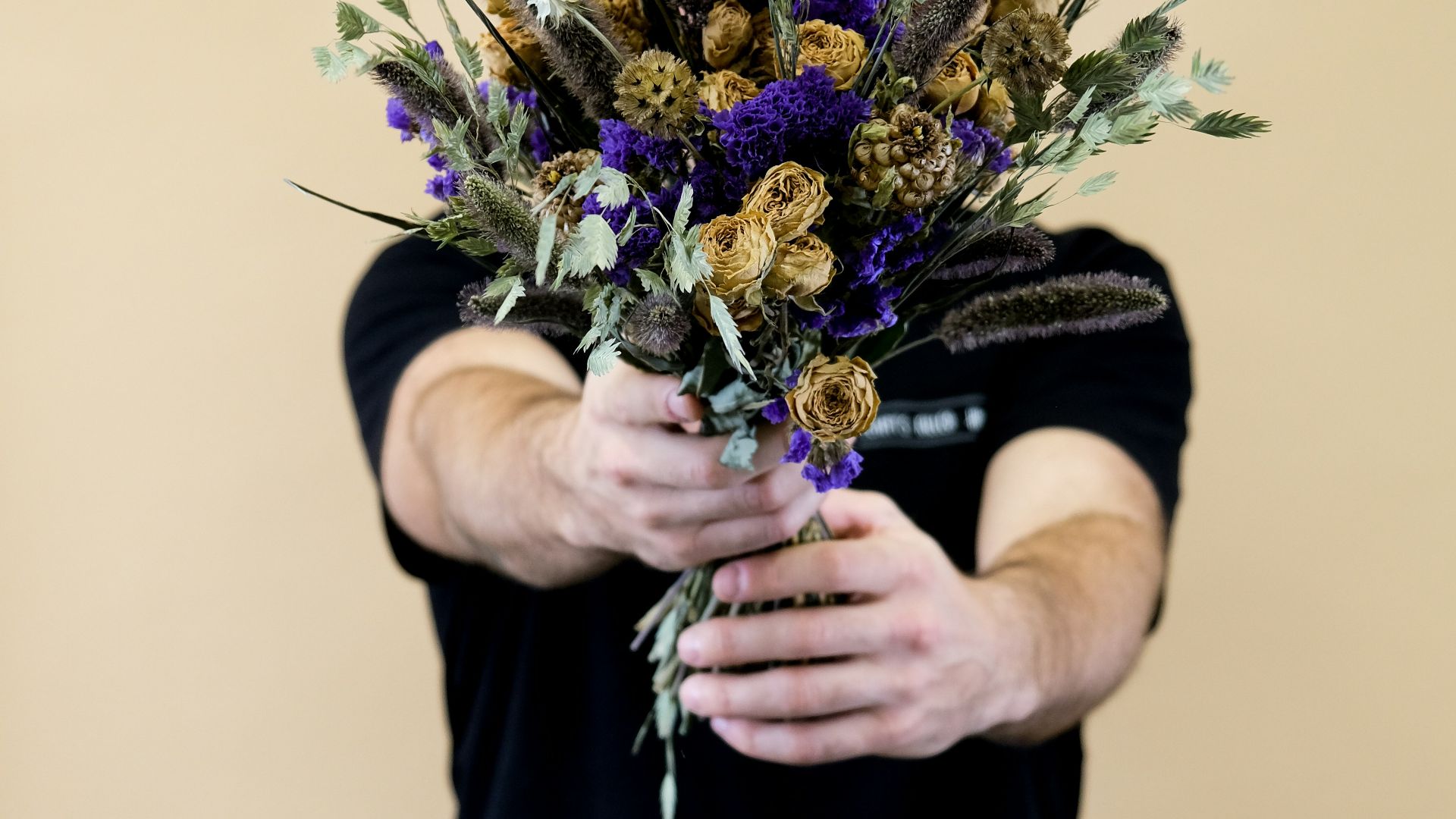
Dropping by with flowers or coffee can seem sweet in theory. In real life, it can put someone on the spot when they are tired, busy, messy, overwhelmed, or simply not in the mood to host.
2. Reading Their Messages
Some people call this “being open” or “having nothing to hide.” But going through someone’s phone without permission is not closeness; it is surveillance wearing a relationship hoodie.

3. Tracking Their Location Constantly
Sharing locations can be practical when both people agree to it. It becomes uncomfortable when one person checks the map all day and starts asking why the little dot stayed at Target for 37 minutes.

4. Calling Over And Over
One missed call is normal. Ten calls in a row, followed by texts asking why they are ignoring you, turns concern into pressure very quickly.

5. Making Big Decisions For Them
Booking a trip, changing plans, or saying yes to something on their behalf can look confident and romantic. But a surprise stops being thoughtful when it removes the other person’s choice.

6. Posting Private Moments Online
A cute photo or anniversary post can be lovely when both people are comfortable with it. Sharing emotional texts, private stories, crying photos, or intimate details turns someone else’s vulnerability into content.
 Marcos Paulo Prado on Unsplash
7. Ignoring A No Because “They’ll Love It Later”
Surprise parties, public proposals, and dramatic declarations can all go wrong this way. If someone has already said they do not want something, pushing ahead anyway is not romantic confidence.

8. Buying Gifts That Feel Too Big
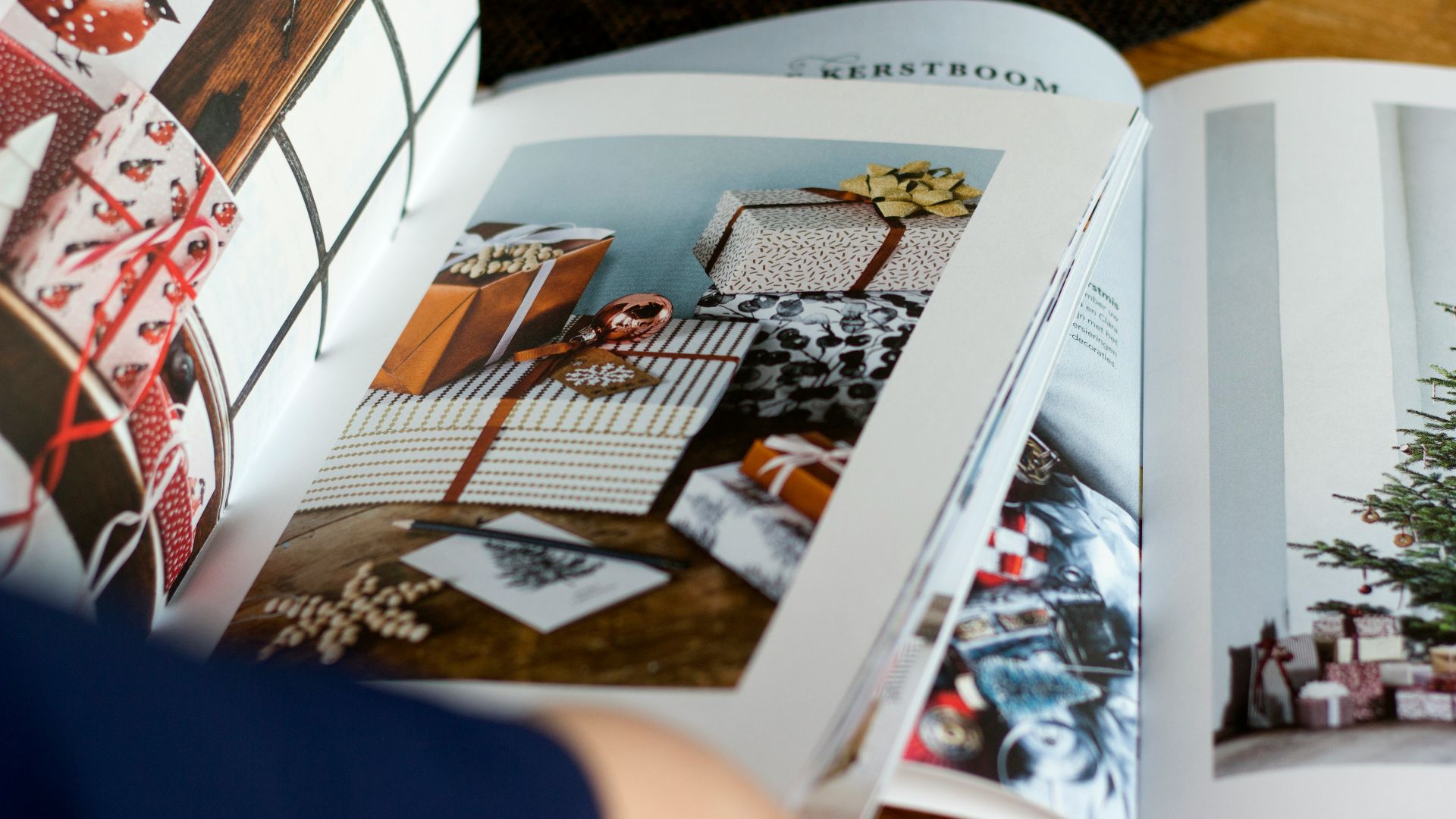
An expensive gift can feel generous when the relationship is ready for it. Too early, too lavish, or too loaded with expectation, it can feel like a bill someone never agreed to pay.
 micheile henderson on Unsplash
9. Wanting Every Password
Some couples share passwords because it is easy and mutual. Demanding access as proof of loyalty makes trust feel like a security checkpoint.

10. Expecting Instant Replies
Fast replies can feel warm, especially at the beginning when everyone is a little glued to their phone. But expecting someone to respond immediately every time makes their day feel like it belongs to the relationship.

11. Getting Jealous In Public
A little jealousy can pass through anyone now and then. Staring down a waiter, interrogating a coworker, or acting cold after someone laughs at another person’s joke is not passion; it is control in a nice shirt.

12. Touching Them In Ways They Do Not Like
Affection only counts as affection when it is welcome. Tickling, grabbing, kissing in public, or continuing after someone pulls away is not playful once their body has already answered.

13. Sharing Every Detail With Friends
It can feel natural to talk to friends when a relationship is exciting or confusing. Still, private arguments, sexual details, insecurities, and personal fears should not become group chat material without consent.

14. Testing Their Loyalty
Some people create little traps to see how much the other person cares. Fake jealousy games, invented emergencies, and flirtation tests do not prove love; they prove the relationship has become a courtroom.

15. Trying To Fix Their Appearance
Helping choose an outfit can be fun when it is invited. Criticizing their clothes, hair, weight, makeup, or style under the excuse of “wanting them to look their best” turns affection into management.
16. Making Their Friends The Enemy
Wanting quality time together is normal. Treating every friend, hobby, family visit, or solo plan like competition slowly makes someone’s life smaller, and that is not romance.

17. Speaking For Them
Answering questions for someone can seem protective at first. Over time, it becomes quietly humiliating when one person keeps deciding what the other thinks, wants, remembers, or means.

18. Using Grand Gestures After Bad Behavior
Flowers after an argument can be meaningful when they come with a real apology and changed behavior. But gifts, dinner reservations, and dramatic speeches cannot keep replacing accountability.

19. Calling Possessiveness “Being Protective”
Walking someone to their car is thoughtful. Deciding what they can wear, who they can see, or where they can go because you “worry about them” is possession with softer language.

20. Refusing To Accept A Breakup
Movies love the person who keeps showing up after being rejected. In real life, refusing to accept a clear ending is not devotion, and persistence does not become romantic just because it hurts.