There’s something magical about survival myths. They are whispered around campfires, repeated in films, and boldly claimed by those who have never slept under the stars. But for all their allure, these myths create a false sense of expertise, as if a single bit of clever knowledge could pull you out of the woods (literally) or keep you alive in a pinch.
Unfortunately, so many of these “survival hacks” are not just incorrect, but flat-out dangerous. Relying on misinformation out in the wild can lead to increasingly dire consequences in a hurry. In this episode, we talk about some of these survival myths and show you where they come from. Separating survival fact from fiction is not just helpful, it’s often a matter of life and death.
Don’t Fall For It
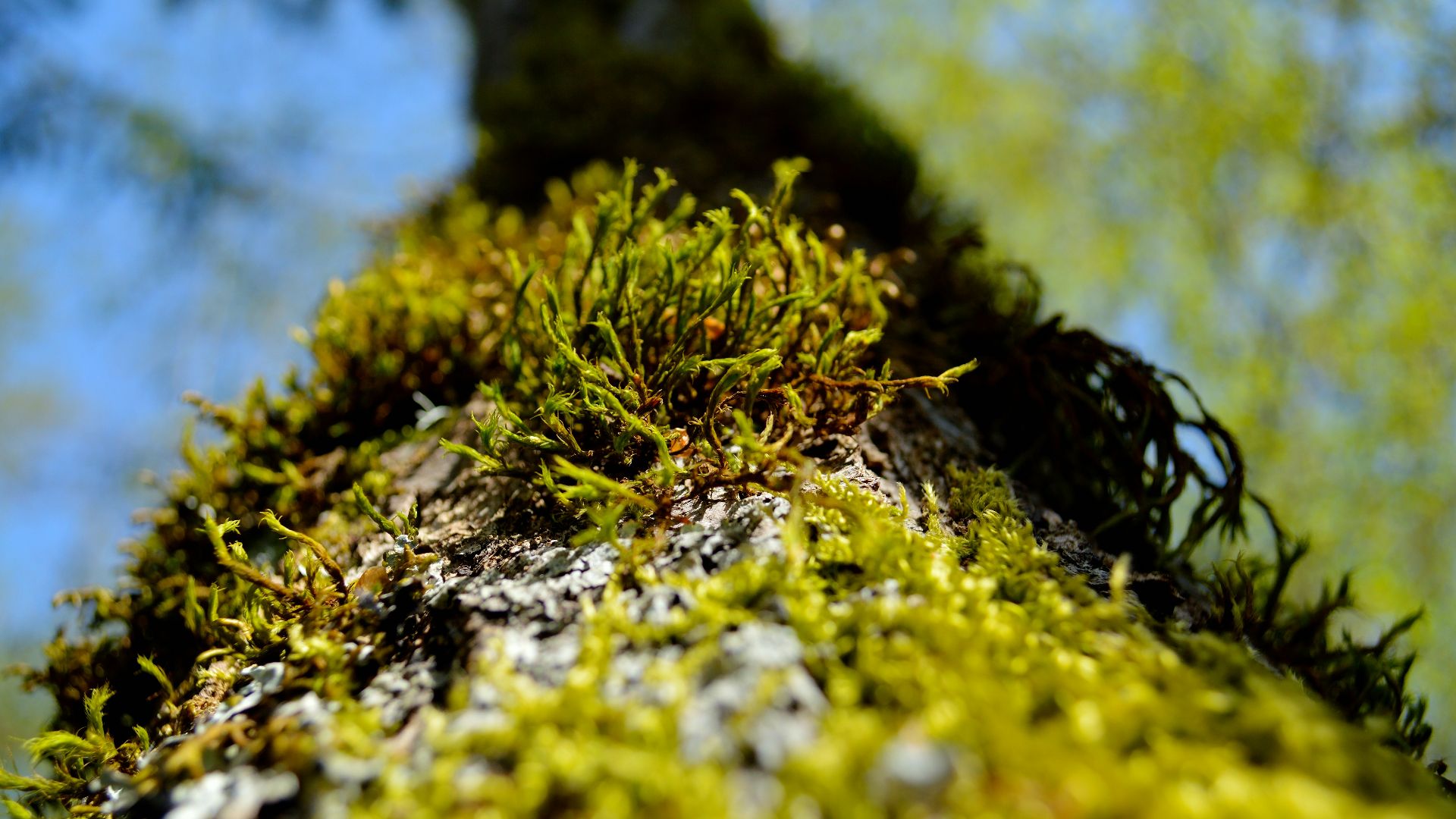
The belief that moss only grows on the north side of a tree is one of the most pervasive myths out there. It’s featured in survival guides, children’s books, and pop culture references far too often to count, but regardless of where you hear it, it’s incorrect at best. Reliance on this assumption could get someone lost, or worse.
In fact, moss can grow on any side of a tree, period. It can grow in shaded areas and sunny spots alike, depending on moisture levels, the sun exposure the area receives, and even wind. The north side of a tree in the northern hemisphere is more likely to be shady, but it’s not guaranteed. Michigan State University Extension states moss only grows where it can, and favorable growing conditions can exist on all surfaces in any direction.
Location is another factor. The side of trees where moss grows in the northern hemisphere is typically the north side, because it's shadier. But in the southern hemisphere, that’s reversed, and moss is more likely to grow on the south side of trees. It can even be a bit random within the same wood, depending on whether it’s a damp place, water collects at the base of trees, or if one side is in the lee of the wind. The point is that if you try to navigate by looking for moss, it’s a simple way to end up lost, disorientated, and increasingly vulnerable. It’s much, much better to use a compass, the sun, or the stars if you need to find your way.
Feeling Dehydrated?
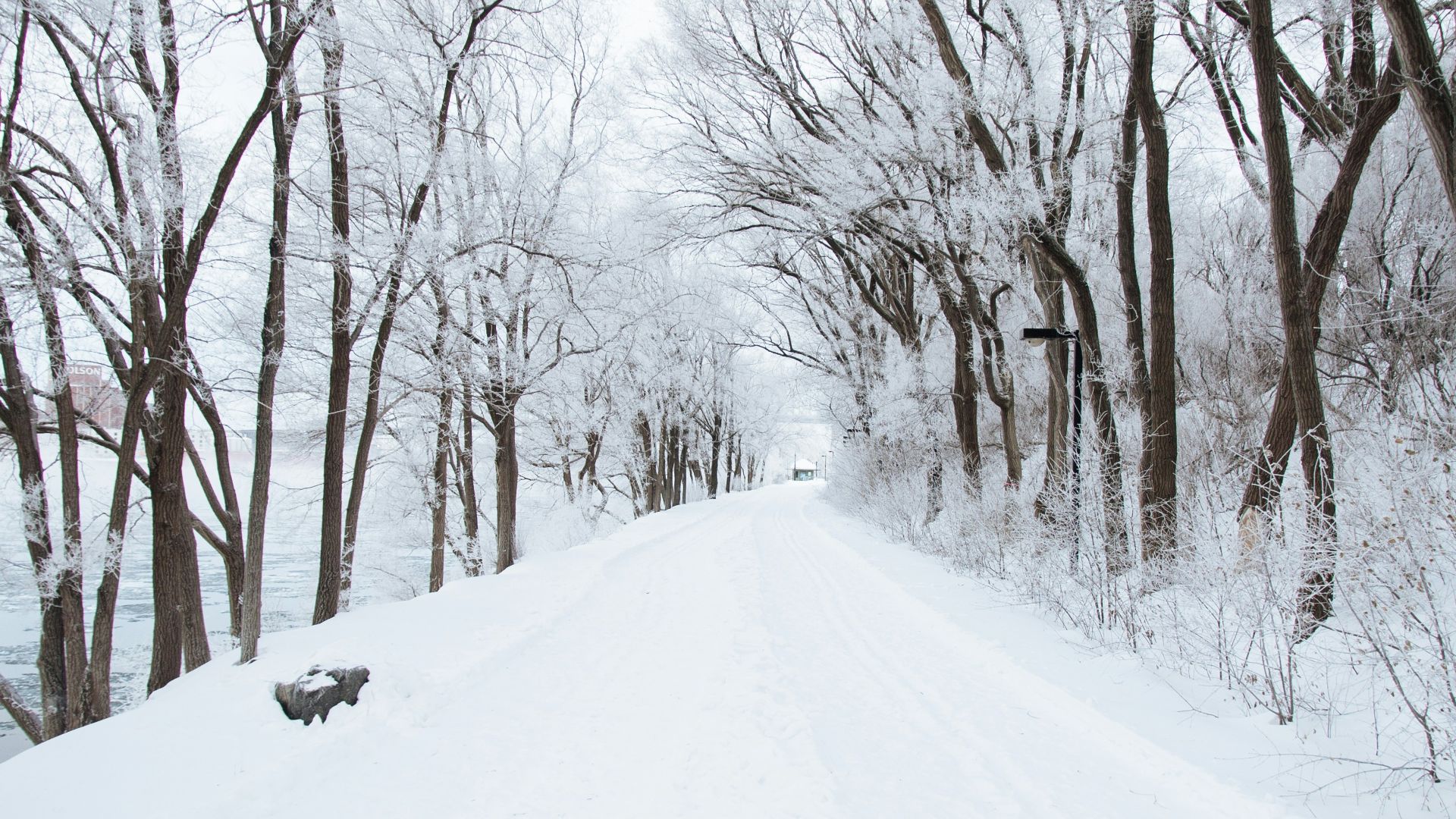
A similar dangerous winter hydration myth is eating snow. After all, snow is frozen water, so eating it should provide water to your system. But eating snow, instead of alleviating dehydration, can make it worse. The human body is seventy-five percent water, and it is constantly losing moisture through respiration, perspiration, and urination. Eating snow not only wastes precious energy to heat and melt it, but it also cools your core temperature, which can lead to hypothermia.
Dehydration is defined as the body losing more water than is being consumed. Eating snow worsens this condition. Your body must burn energy to melt it down to water, which also causes a loss of heat. The snow must also be digested. In order to absorb it, the body must burn even more energy to heat up your core temperature, which results in more lost body heat. The net effect is that for every calorie and gram of water you take in, more is lost. This process dehydrates you even further instead of quenching your thirst. To drink snow, it is best to melt it down first and heat it if possible.
Survival myths often have a ring of truth and simplicity to them, but when it comes to the wild, simple does not equal safe. All you can do is replace these myths with hard fact and rely on proven solutions when your life depends on it.