
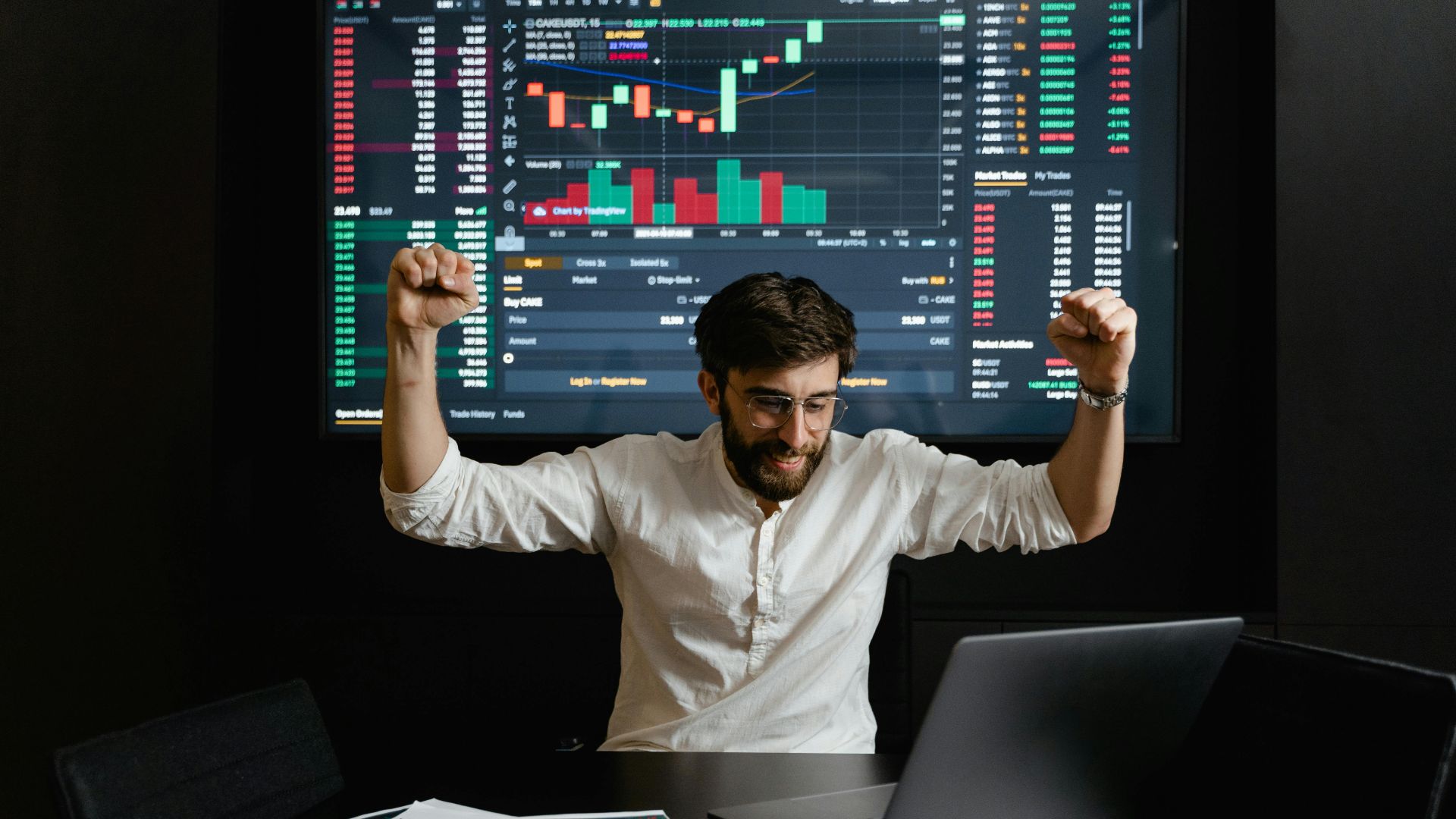
The promise sounds irresistible: you set up an AI trading bot, go to bed, and wake up richer. It’s also the kind of idea that attracts both curious beginners and people who are already tired of working hard for every dollar. AI has absolutely changed finance, but the internet version of that story tends to skip the boring parts where risk, regulation, and reality live.
If you’re seeing “guaranteed profits” or “99% win rate” ads right now and feel tempted, you're certainly not alone, but tread cautiously. Regulators have warned that scammers are leaning on AI buzzwords to make old-school investment fraud feel new and credible. The good news is that once you understand how real AI trading works, the scams start to look a lot more obvious.
What Real AI Trading Looks Like When It’s Not a TikTok Fantasy
In professional markets, “AI trading” usually means models that help with forecasting, risk management, or execution, not a robot that magically knows how to make you money. Even when firms use machine learning, they still treat it like a tool that can fail, drift, or misread conditions. That’s why serious trading operations obsess over testing, monitoring, limits, and the ability to shut things down quickly. The unglamorous truth is that successful automation is mostly about controls.
Regulation is another clue that the real world doesn’t believe in set-it-and-forget-it trading. In the EU, MiFID II’s rules on algorithmic trading call for effective systems and risk controls designed to prevent erroneous orders and disorderly markets. When you see a product marketed as effortless and unstoppable, it’s worth asking why professionals treat automated trading as something that needs guardrails. If the grown-ups are nervous, it's a sign that it's too good to be true.
You’ll also notice that legitimate players don’t promise constant profits, because markets don’t hand out steady paychecks. Strategies that work in one environment can fall apart when volatility changes, liquidity dries up, or everyone copies the same signal. AI can help you move faster, but speed doesn’t guarantee an edge.
Why Scammy “AI Trading Bots” Keep Working on Smart People
A big reason these schemes land is that they mix in a good amount of truth. It’s true that computers can trade automatically, and it’s true that some firms use advanced modeling, so the pitch doesn’t sound crazy at first. Scammers then add the fantasy layer: guaranteed returns, secret algorithms, and “exclusive” access that expires in 20 minutes. When urgency shows up, critical thinking tends to exit the building.
AI also gives fraudsters an easy credibility costume. The SEC, FINRA, and NASAA have warned that bad actors are using AI and other emerging tech buzz to lure investors, often with claims that sound impressive but aren’t verifiable. When the selling point is “AI” rather than a clearly explained strategy and risk profile, you’re being marketed to, not informed.
Another modern twist is that scammers can now scale deception with better polish. The FBI’s IC3 has warned that criminals use generative AI to make fraud more believable and easier to deploy at volume, which means the pitches can look astonishingly professional and personalized. That’s why you may see fake dashboards, fake trades, and “customer support” that sounds reassuring right up until you ask to withdraw. If the platform makes deposits easy but withdrawals feel like a hostage negotiation, you’ve got your answer.
A Practical “Debunk Checklist” Before You Let Anything Trade for You
Start by treating guaranteed returns like a fire alarm, not a feature. Real trading involves drawdowns, losing streaks, and months that don’t look great on a sales page. Regulators explicitly warn investors to be wary of claims that AI can generate high returns with little or no risk.
Next, look for transparency that goes beyond screenshots. A trustworthy provider should be able to explain what the system does, what it trades, how it handles risk, and what happens in bad markets, without hiding behind “proprietary.” You also want to see performance discussed in a grown-up way, including fees, slippage, and worst historical drawdowns, not just a greatest-hits chart. When the only proof is testimonials and a countdown timer, you’re in infomercial territory.
Remember that “AI money while you sleep” is more realistic in businesses you can control than in markets you can’t. AI can absolutely help run side hustles like content production, customer support, and digital product funnels, because those systems respond to your inputs and your decisions. Trading is different because the opponent is the market, and the market does not care that you used a neural network. If you still want automation, the safest mindset is: AI can assist you, but you must stay responsible and skeptical, and you never hand your financial life to a black box that won’t answer basic questions.