Why Some People Become Less Affectionate After Getting Married

You've probably heard the old stereotype that marriage kills your sex life. Well, for some couples, there's certainly some truth to that. While it's supposed to bring two people closer together, the opposite often seems to happen. A partner who once loved holding hands, stealing kisses, and cuddling on the couch might gradually become less interested in physical affection. While this shift can feel confusing or even hurtful, it doesn't necessarily mean their feelings have changed. There are several reasons why affection can decline after marriage, and some have surprisingly little to do with love itself.
The transition from dating to married life comes with new responsibilities, expectations, and routines that can affect how couples interact. Things that once happened naturally might require a little more effort, especially when everyday pressures start taking priority. Understanding why these changes occur can help couples work through them before emotional distance becomes a bigger problem.
The Comfort of Marriage Can Change Romantic Habits
During the early stages of dating, people often go out of their way to show affection. They plan romantic outings, exchange thoughtful messages, and find excuses to spend time together because the relationship is still developing. Once married, that same sense of urgency can fade as both partners grow more confident in their commitment.
For some people, marriage brings a sense of security that makes constant displays of affection feel less necessary. They figure their spouse already knows how much they're loved, so they don't feel the need to express those feelings quite as often. Unfortunately, what feels like comfortable familiarity to one person can leave the other wondering where all the romance went.
There's also the natural decline of the intense excitement that comes with a new relationship. Early romantic attraction often involves heightened anticipation and a strong desire for physical closeness, but those feelings tend to evolve as relationships mature. Although long-term attachment can become deeper and more stable, couples sometimes mistake this shift for a loss of attraction.
Interestingly, some people become less affectionate simply because they've stopped making romance a priority. During dating, spending quality time together usually requires planning, whereas married couples often assume that living under the same roof provides enough connection. However, sitting in the same room while scrolling through separate phones doesn't exactly count as the quality time that keeps intimacy alive.
Everyday Responsibilities Can Leave Little Room for Affection
Marriage often comes with additional responsibilities that weren't as noticeable during dating, particularly when couples combine finances, buy homes, or start families. Between work deadlines, household chores, and family obligations, romantic gestures can slowly slip down the priority list. When someone's constantly overwhelmed, even small displays of physical affection might feel like more effort than they can manage.
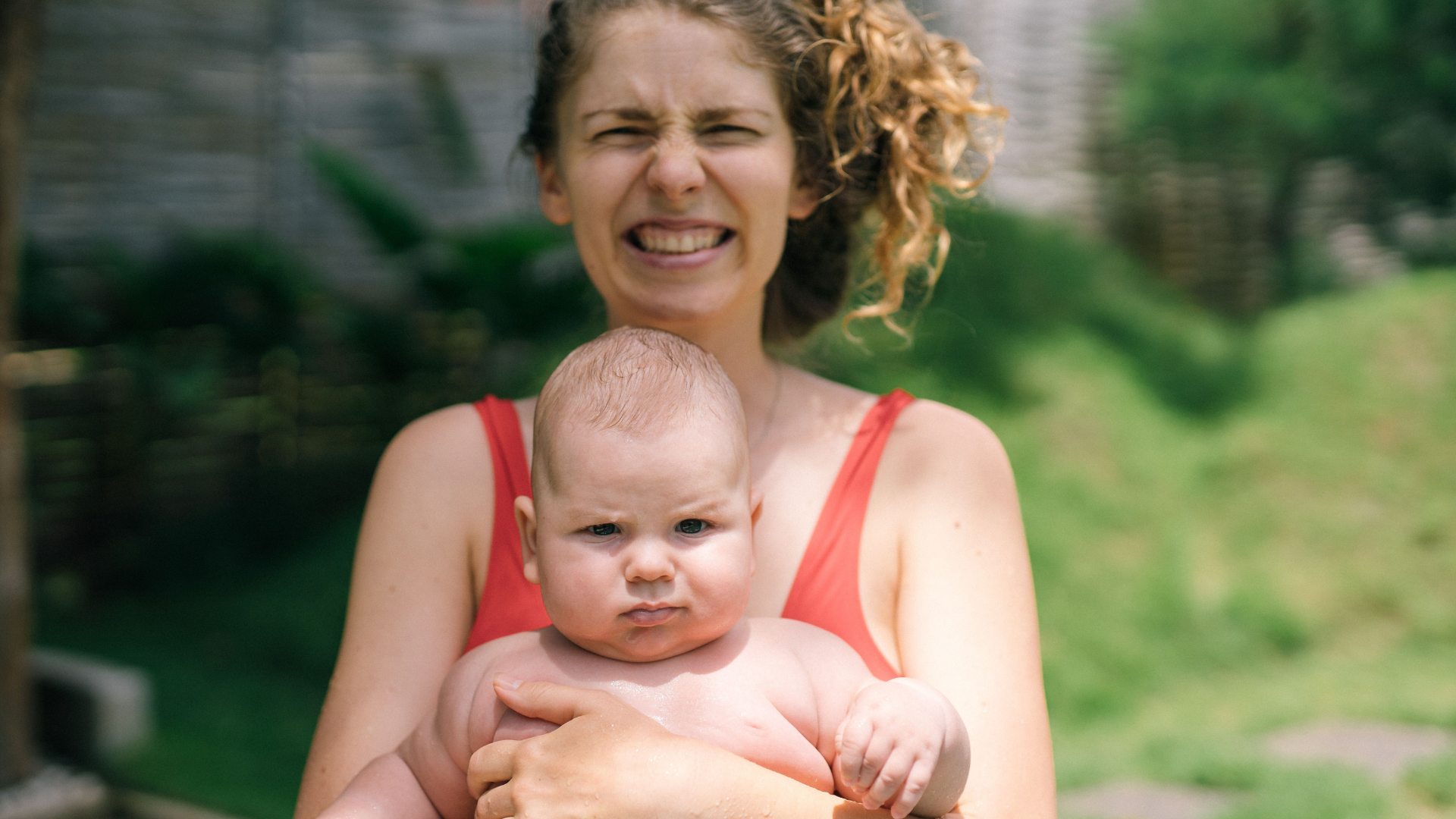
Parenthood can bring another major adjustment, especially during the exhausting early years of raising children. Parents who spend their days comforting, carrying, and tending to young children sometimes experience what's known as being "touched out." By the time evening rolls around, they may genuinely crave personal space rather than more physical closeness, even with someone they love.
Stress affects everyone differently, which can sometimes lead to misunderstandings between spouses. While one partner might seek hugs and cuddles for reassurance, the other may pull away physically when feeling anxious or exhausted. Neither reaction necessarily means something is wrong, but these conflicting needs can create frustration when couples aren't talking about them.
Another factor is how household responsibilities are divided within the marriage. If one spouse consistently handles most of the cooking, cleaning, scheduling, and childcare, resentment can eventually get in the way of romantic feelings. It's hard to feel particularly affectionate toward someone when you're frustrated about constantly having to remind them to do their share, especially if nothing ever changes.
Emotional Distance & Unspoken Expectations Play a Role
Sometimes, a decline in physical affection points to emotional issues that haven't been properly addressed. Small disagreements, dismissive comments, or repeated disappointments can build up over time, even when couples rarely have serious arguments. Someone who feels unheard or taken for granted may gradually become less interested in initiating the affectionate gestures they once enjoyed.
Marriage can also bring differences in how people express love into sharper focus. One partner might show their commitment through practical gestures, like preparing meals or managing finances, while the other prefers frequent hugs, kisses, and verbal reassurance. Without talking about these preferences, both spouses can sincerely believe they're showing love while somehow feeling neglected themselves.
For some people, childhood experiences and upbringing continue to shape their comfort with affection well into adulthood. Someone raised in a household where physical closeness was uncommon might naturally become less demonstrative once the excitement of dating gives way to everyday life. They may still feel deeply connected to their spouse without realizing that their change in behavior is causing hurt feelings.
Physical and psychological changes are worth considering, too, particularly when someone's behavior changes noticeably. Depression, anxiety, hormonal changes, medications, chronic discomfort, and poor sleep can all affect a person's interest in physical intimacy. Rather than jumping to the conclusion that a partner has lost interest, it's worth considering whether something else might be affecting their emotional or physical well-being.
Becoming less affectionate after marriage doesn't automatically mean a relationship is in trouble. However, ongoing changes shouldn't be brushed aside simply because they're common in long-term relationships, especially when one partner feels rejected or lonely. Open conversations, shared responsibilities, meaningful time together, and a willingness to understand each other's needs can help couples reconnect without expecting their marriage to feel exactly like those first few months of dating.