Getting older comes with experience, confidence, and a better understanding of what truly matters. But no matter how amazing those perks are, most people tend to focus on the negative side of things. Aging unfortunately can also bring uncomfortable changes that affect how you see yourself, especially when life doesn’t look the way you once imagined it would.
For instance, you might notice that your appearance, energy, relationships, or accomplishments didn't exactly turn out the way you thought they would. Although aging is completely natural, accepting each new stage isn’t always easy, especially when society constantly celebrates youth and makes growing older seem like something you should resist.
Physical Changes Can Affect Your Confidence
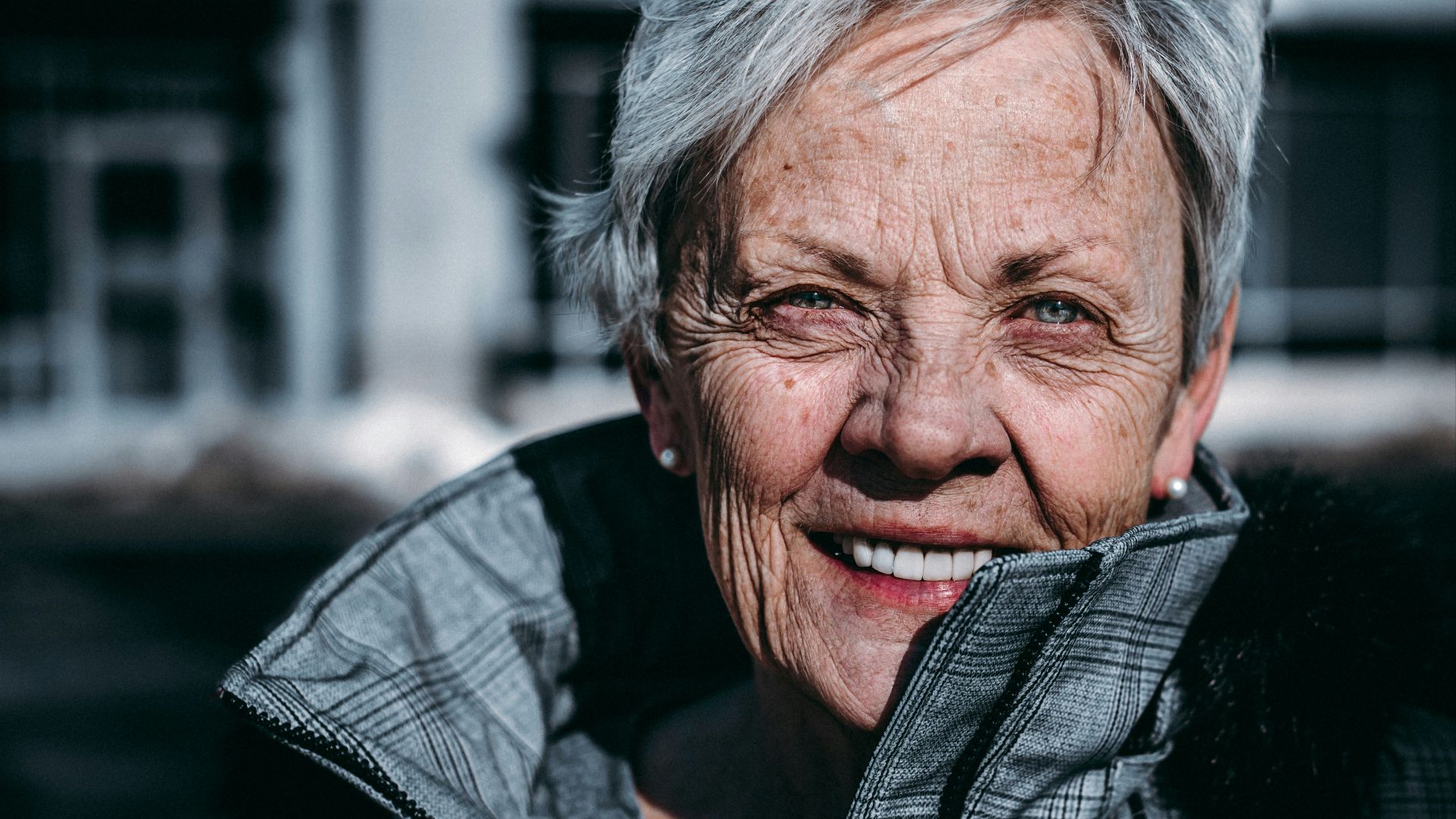
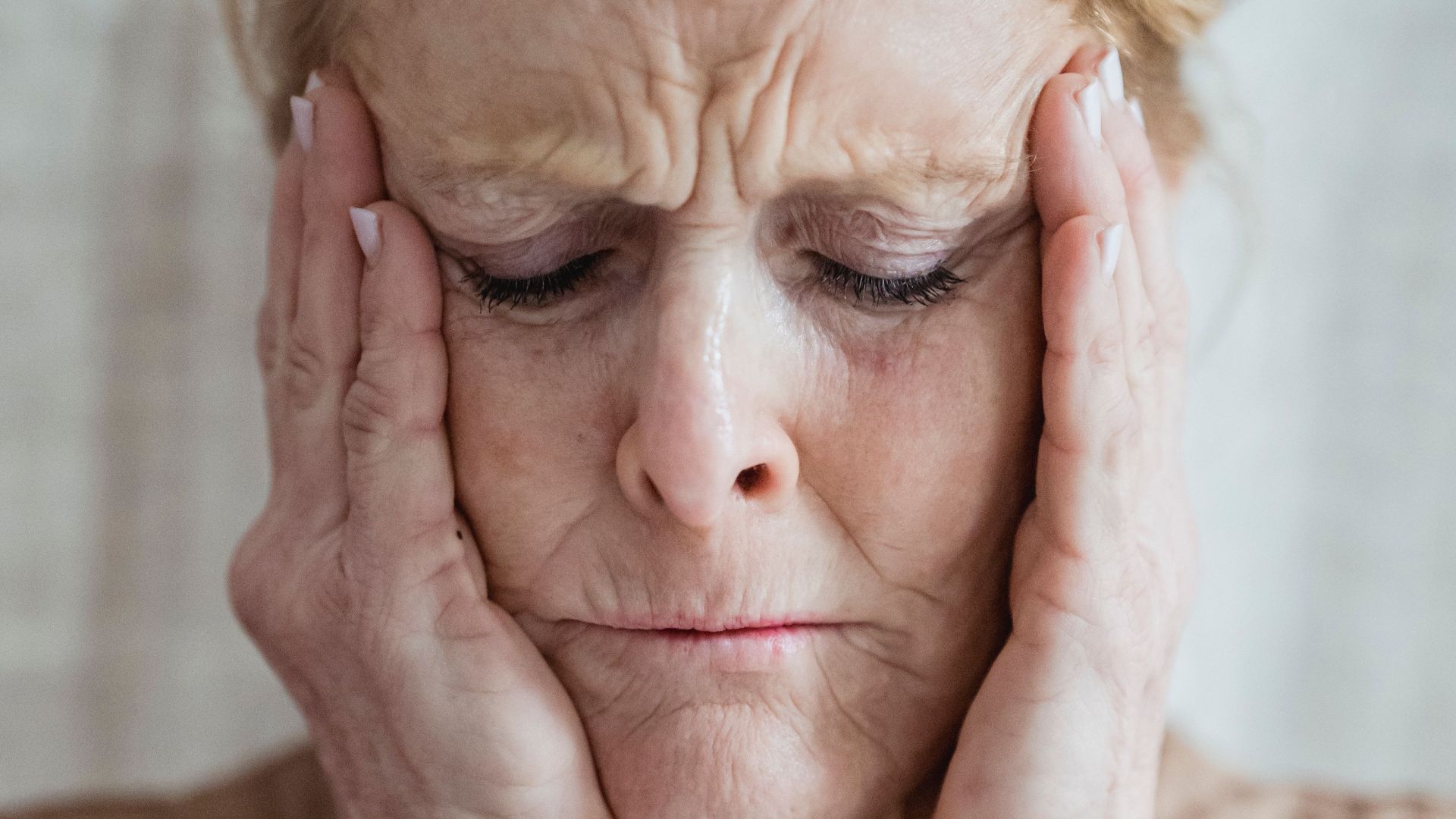
One of the most noticeable parts of aging is something you can quite literally see; it's watching your appearance change over time. Fine lines, gray hair, weight fluctuations, and changes in skin texture may make you feel less attractive than you once did. Even when you understand that these developments are normal, it can still be difficult to recognize the person looking back at you in the mirror.
Your body may also stop responding to your usual routines in the same way. What once felt easy, might now feel more difficult. For one, staying in shape will require more effort, while late nights and heavy meals will also have a much stronger impact than they did before. When you compare your current body to the one you had years ago, it's hard not to focus on everything that's changed.
Lower energy levels can also influence your self-image, even if it's not a physical change. Activities that once felt easy might leave you tired now, and recovering from a busy week can take longer than expected. This shift can get in your head and make you feel less capable, even though needing more rest doesn’t mean you’ve become lazy or unproductive.
Arguably the most worrisome, health concerns also become more common with age. Regular doctor's appointments, new aches, or unexpected limitations make it feel like your body is working against you. It’s easy to become frustrated when these changes negatively interfere with your plans, hobbies, or routines.
Comparison And Expectations Become Harder To Ignore
As you get older, it also becomes harder to stop comparing your life to those around you. Friends might be buying homes, earning promotions, getting married, raising children, or retiring comfortably, while your path looks entirely different. In a more negative light, it might feel like you're behind.
Social media only intensifies this pressure by constantly and readily showing you carefully selected moments from other people’s lives. You'll see fancy vacations, career wins, anniversary celebrations, and impressive transformations that, with repeated exposure, can make your own daily life seem less exciting or successful.
Personal expectations can be just as demanding as outside comparisons though in all honesty. Maybe you believed you’d have a certain income, relationship, home, or level of confidence by a particular age, and when reality doesn’t match, disappointment turns into harsh self-criticism.
This can lead you to feeling regretful, which also becomes harder to dismiss over time. You might wonder whether you chose the wrong career, stayed in an unhappy situation too long, or missed an opportunity that won’t return. Looking backward is always a dangerous game to play.
Life Changes Can Challenge Your Sense Of Identity

With age comes new roles and responsibilities that completely shift the structure you once had. Having kids, owning your own home, watching friendships fan out, and more can all change you in different ways. After all, once your familiar roles disappear or become less central, you might have an internal struggle understanding who you are.
Changes in the workplace can create similar feelings. Younger colleagues may arrive with new skills, fresh ideas, and different approaches to communication, and even though you have valuable experience, you might worry that you’re becoming outdated or less relevant in a rapidly changing professional environment.
Your social circle may also become smaller as people move, develop new priorities, or lose touch. This is totally normal, but it can still be disheartening to experience. Besides, making friends is a lot more difficult when you’re no longer surrounded by classmates, coworkers, or other built-in communities.
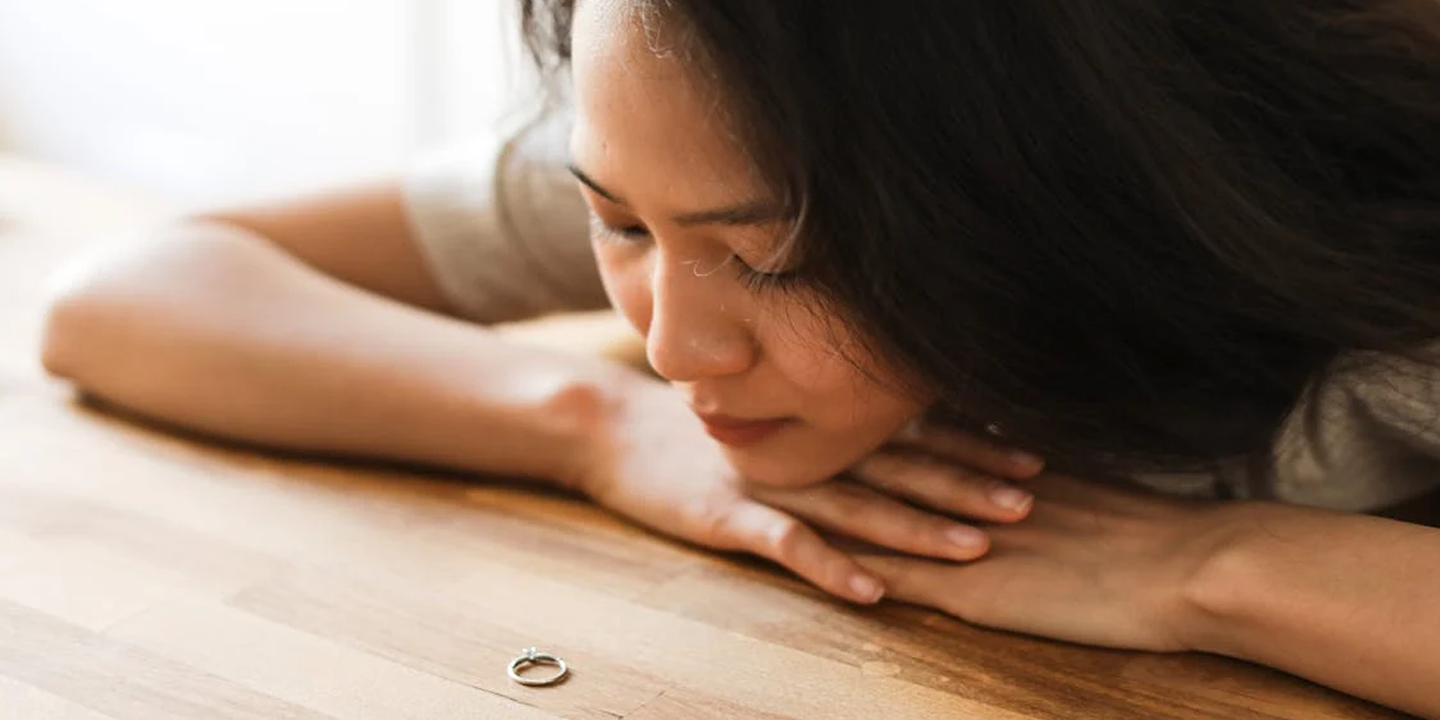
Major transitions within your personal life can make growing up feel especially tough. Divorce, retirement, caregiving, bereavement, or an empty home can alter your routine with very little warning. These experiences can temporarily weaken the confidence you built around a previous version of your life.
At the end of the day, getting older can, at times, make you feel worse about yourself. It's important to know though that those feelings don’t define your actual worth. Aging changes your circumstances, appearance, and priorities, but it also gives you greater perspective and a clearer sense of what deserves your attention. Remember to always treat yourself with patience and remember that everyone is going through the same thing.