
Responsibility, Without Stripping The Fun
Somewhere along the way, saving money turned into a kind of endurance test; a scoreboard for how many enjoyable things you're willing to sacrifice. Skip the coffee. Skip the takeout. Skip the hobby, the concert, the casual dinner with friends. Suddenly, every small pleasure feels like evidence that you're not "serious" about your finances. While that kind of pressure can yield excellent savings results, it can also lead to burnout and social isolation. A savings system built entirely on deprivation rarely survives contact with a normal life. The better approach doesn't ask you to disappear from your own routine. It gives your money a clear job to do, builds in some slack for the ordinary things that make a week feel livable, and treats setbacks as information instead of failure. Here are 20 ways to get there.
 https://kaboompics.com/ on Pexels
1. Give Your Savings A Title
An account simply labeled "Savings" is money with no identity; vague, forgettable, easy to raid. Rename it. "Car Repairs." "Beach Trip 2027." "A Month of Breathing Room." A named goal has a purpose, and purpose is much harder to spend carelessly than something so general.

2. Start With A Reachable Goal
If your first target is $10,000, your first $20 deposit can feel almost pointless. Instead, pick a milestone close enough to touch soon. Hit it, notice that you hit it, and only then move the goalposts further out. Early wins build the momentum that big goals can't generate on their own.

3. Let The Robots Help
Set up an automatic transfer for payday, or the morning right after, before the money has a chance to feel "available." Pick an amount that survives a normal month, including the weeks with a surprise bill or a pricier grocery run. A modest transfer that actually happens every time beats an ambitious one you keep switching off.

4. "Now Money" Versus "Later Money"
Keeping savings in a separate account draws a clean line: this is spendable, this isn't. It also makes your checking balance far easier to read at a glance, since you're no longer doing mental math to figure out what you can actually spend.
 https://kaboompics.com/ on Pexels
5. Make Withdrawals Annoying
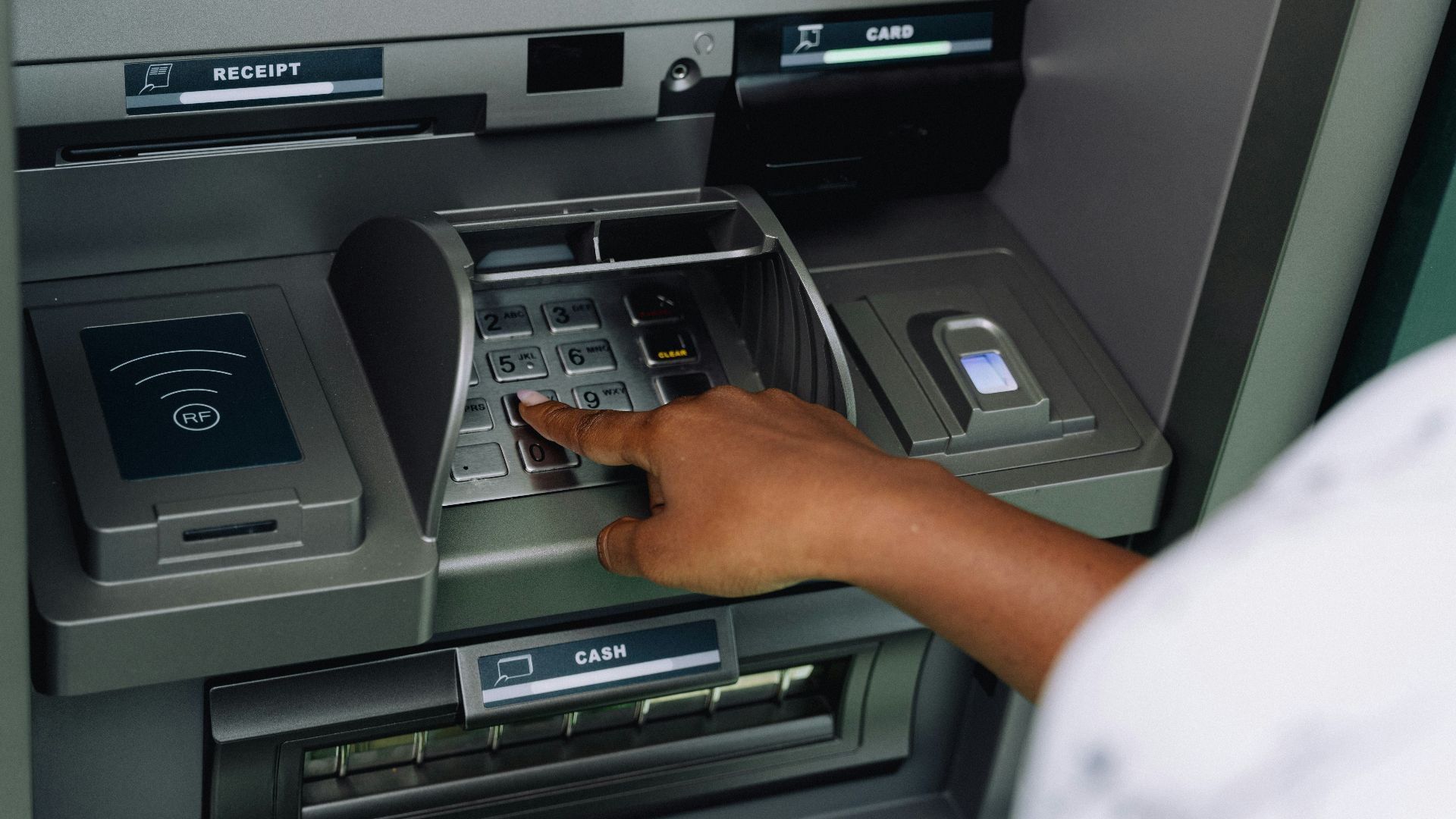
Your emergency fund should still be reachable in an actual emergency; it just shouldn't be one tap away from every 11 p.m. impulse buy. Take the account out of your phone's quick-access wallet, or bank it somewhere slightly less convenient.
6. Shrink The Big Number
"Save $1,200" sounds like a mountain. "$25 a week for a year" is much easier to envision. Do the division, adjust the timeline or the amount until it fits your budget, and let the smaller number do the psychological heavy lifting. Bonus: a weekly figure makes it obvious whether cutting one small expense will actually move the needle.

7. Make The Progress Visible
Numbers in an app are easy to ignore. A chart you color in, a sticky note on the fridge, a simple tracker you update by hand; these make progress tangible. Watching the line climb gives you something to notice in the months when motivation is running low.

8. Throw Yourself A Party
Hitting $250, $500, or whatever number matters to you deserves more than a passing glance at your banking app. Use your regular spending money for a small reward. You’ve earned it.

9. Gamify It
Turn saving into something closer to a puzzle than a chore. Try a savings bingo card, pull random contribution amounts from a jar, or fill in boxes on a homemade tracker until you hit the total.

10. Bribe Yourself
Money check-ins don't have to feel difficult. Pair your weekly budget review with a favorite podcast, a good snack, or your go-to coffee order. When the task is bundled with something enjoyable, you're far less likely to keep postponing it.

11. Start Fresh, Anytime
You don't need January 1st for permission to reset. A new week, a new pay cycle, a birthday, the first day of a season; any of these can serve as a clean mental starting line when your old routine has fallen apart.

12. Write Your Own If-Then Rules
Decide now, while you're calm and clear-headed, what you'll do when predictable situations arise: "If I get a work bonus, half goes to savings." "If I cancel a subscription, that exact amount gets transferred instead." Pre-deciding removes the decision from the moment it matters most.
 Tingey Injury Law Firm on Unsplash
13. Budget In Some Guilt-Free Spending
A plan that treats every small joy as a moral failing won't last. Set aside a realistic, specific amount for lunches out, hobbies, treats, or spur-of-the-moment plans. Keeping fun inside the budget, instead of constantly fighting against it, is often what makes the rest of the plan sustainable.
 OurWhisky Foundation on Unsplash
14. Keep The Feeling, Ditch The Price Tag
A lot of purchases aren't really about the item; they're about what it gives you. That café stop might not really be about the latte; the takeout order might not actually be a food craving. Look for a cheaper way to keep the actual benefit: brew coffee at home and sit in the park anyway, or keep one easy freezer meal ready for the nights you have nothing left to give.
 Iuliia Pilipeichenko on Unsplash
15. Try No-Spend Days
An entire month of spending nothing sounds heroic right up until your carefully laid plans go sideways. One or two no-spend days a week are far easier to repeat, and they nudge you to use what you already have.

16. Split Windfalls
Tax refunds, bonuses, gifts, and reimbursements have a way of evaporating the moment they land next to your regular spending money. Decide the split in advance — some to savings, some to a current need, some to pure fun.

17. Give Every Raise A Job
A pay bump is a rare chance to grow your savings without touching your current lifestyle at all. Redirect a set percentage automatically the moment the raise kicks in, while still leaving enough in your regular paycheck to feel like the extra income actually improved your life.
 micheile henderson on Unsplash
18. Never Let Saving Push You Into Debt
A transfer isn't a win if it leaves you short on rent, triggers overdraft fees, or forces groceries onto a high-interest credit card. Save at a pace your whole financial picture can support; even if that means dialing the amount down during an expensive month.

19. Tell Someone
Sharing your goal with someone adds accountability without turning saving into a competition. A quick monthly check-in, or a message the moment you hit a milestone, keeps the goal visible and gives you someone to celebrate with. Just choose someone who'll cheer your progress.
 Jarritos Mexican Soda on Unsplash
20. Adjust The Plan
Income shifts. Surprise expenses show up out of nowhere. Some months are simply more expensive than others, no matter how disciplined you are. Lowering a transfer, pushing back a deadline, or dipping into emergency savings for an actual emergency isn't the system breaking; it's the system working exactly as it should, by bending instead of snapping. Once things settle, you rebuild.