

Just close your eyes and picture this: you're sprawled on a bean bag chair, landline phone cord twisted around your finger, while Friends plays on a TV that weighs more than you do. You're wearing a choker and butterfly clips, with a Discman playing Backstreet Boys on repeat.
That's the 90s—and somehow, in 2025, we can't stop talking about it. Let's take a closer look at why.
The Nostalgia Sweet Spot
There's actual science behind why the '90s hit differently. Psychologists call it the "reminiscence bump"—people form the strongest memories between ages 10 and 30, and Gen Xers and older Millennials were smack in that zone during the 90s. But it's more than personal memory.
Kids still played outside until streetlights came on, but they also logged onto AOL with that iconic dial-up screech. You could exist without constant connectivity, yet technology was exploding in exciting ways—the PlayStation, Tamagotchis, CD players that could (sometimes) resist skipping. This duality creates powerful nostalgia because the 90s felt both simpler and thrillingly futuristic at once.
The economic backdrop matters too. For much of the decade, the U.S. enjoyed strong growth and relative peace. The Cold War had ended, the dot-com boom was minting millionaires, and unemployment dropped below 4%. This prosperity fueled consumer culture, from Limited Too shopping sprees to the explosion of cable channels like Nickelodeon and MTV. People remember feeling optimistic, and in our current era of economic anxiety and endless crises, that carefree vibe feels like a warm blanket.
Pop Culture That Actually Popped
The 90s created a pop culture language we still speak. Grunge made flannel and angst mainstream—Nirvana's Nevermind knocked Michael Jackson off the charts in 1992. Hip-hop went from underground to a dominant force with artists like Tupac, Biggie, and Wu-Tang Clan. Britney Spears and the Backstreet Boys turned teen pop into a global phenomenon, selling millions of CDs (remember those?).
Television hit a creative peak that's rarely been matched. The Fresh Prince of Bel-Air, Seinfeld, The X-Files, Buffy the Vampire Slayer—these weren't just shows, they were cultural events you had to watch live or miss the next day's conversation. Movies got weird and wonderful: Pulp Fiction revolutionized storytelling, The Matrix blew minds with bullet time, and Titanic became the highest-grossing film ever. Fashion was gloriously chaotic as chokers, butterfly clips, platform sneakers, baggy jeans, and frosted tips all coexisted somehow.
Why It Won't Let Us Go
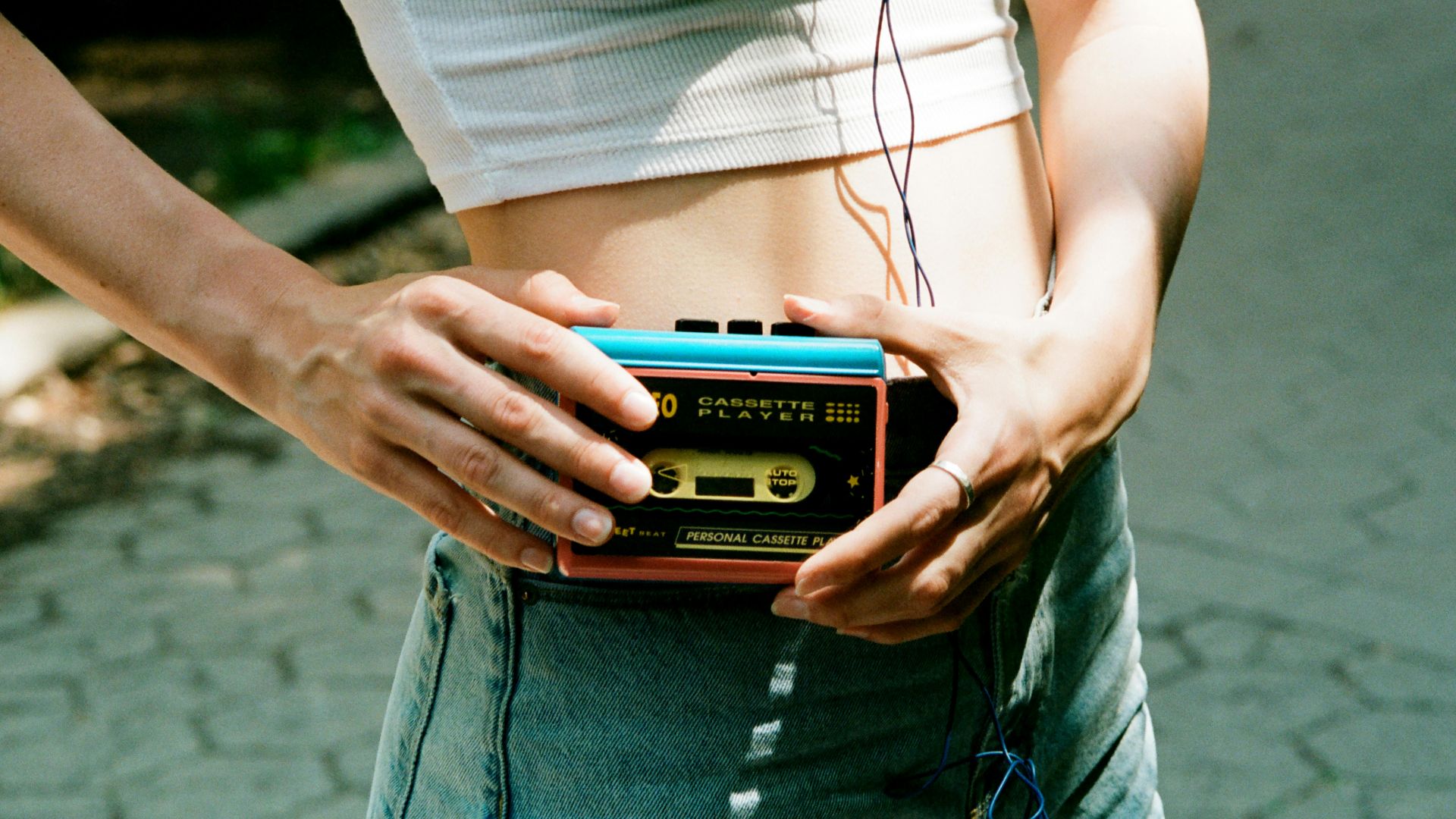
Today's obsession with 90s culture is our collective attempt to process massive change. We lived through a pandemic, watched social media fracture reality, and saw childhood become dominated by screens. The 90s represent something we're desperate to reclaim: simplicity, authenticity, and genuine human connection. When Gen Z kids born in 2005 wear vintage band tees and scrunchies, they're reaching for something they never experienced but instinctively understand was different.
The 90s weren't perfect, but they were the last time we could truly unplug. And in our hyperconnected chaos, that freedom feels absolutely revolutionary.