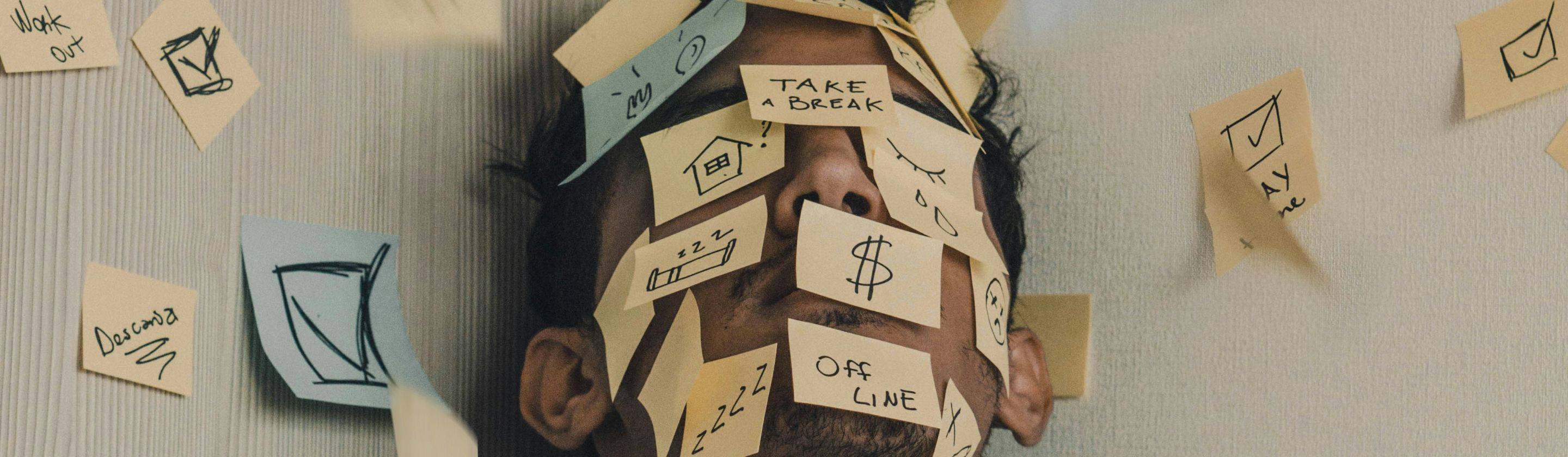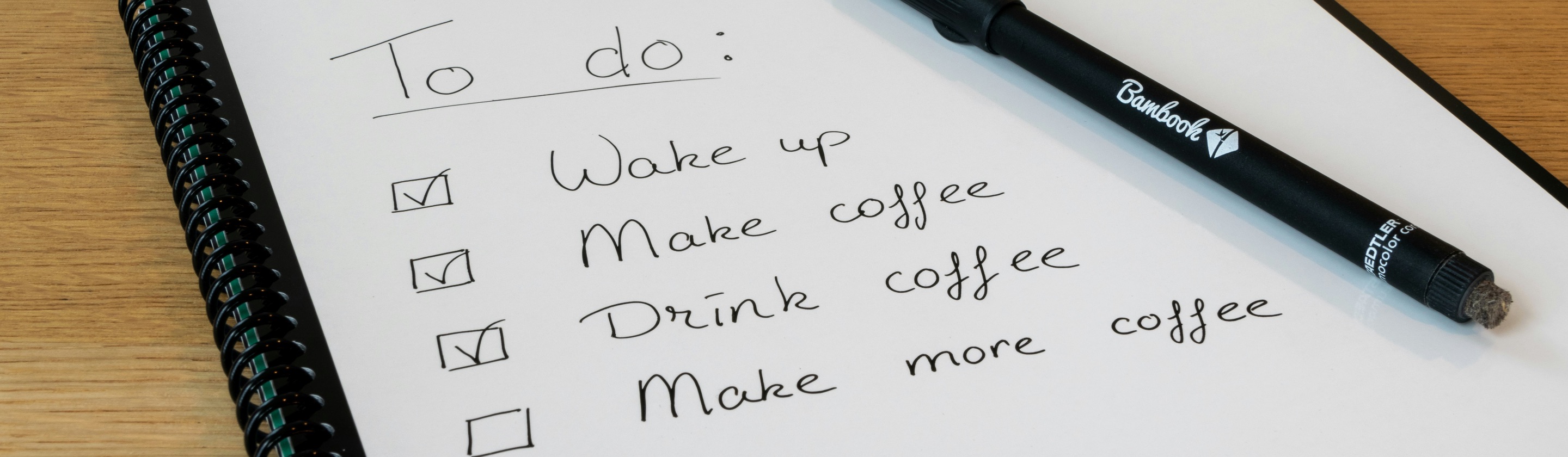

There's a particular kind of exhaustion that sets in when you realize your evenings after work and weekends are no longer really yours. What used to be time for rest, hobbies, or spontaneous plans has suddenly been replaced by grocery runs, family obligations, quick errands, health appointments, and a rotating list of chores that never seems to get any shorter. Welcome to adulthood: here, there are new responsibilities thrown at you every day.
Even more stress-inducing is that you're rarely able to just press pause. Even if you're sick, burnt out, or just need a break, the obligations keep accumulating. And yet, for how relentlessly demanding adult life can be, there are some ways you might be able to relieve the pressure and maybe even find a few ways to manage it better.
The Mental Load Is Heavier Than It Looks
One of the most draining aspects of adult life isn't the tasks themselves, but the mental energy required to keep track of them all. Psychologists refer to this as cognitive load, which is the total amount of mental effort your working memory is handling at any given time. When that load becomes too heavy, it affects your ability to focus, make decisions, and even regulate your emotions. You probably don't need us to tell you that a high cognitive load is directly linked to increased stress levels and reduced performance in everyday tasks.
Part of what makes the mental load so much more demanding is that a lot of it never makes it onto an actual, physical list. Instead of just keeping track of one thing you need to do (say, pay rent), you're also tracking what groceries to get for dinner, what to make for dinner, when you'll need to get gas for your car, when the car needs an oil change, whether you've followed up on a work email or if you replying was a figment of your imagination, and what time you need to pick your kids up from soccer practice. This background processing happens constantly, often without you even realizing it's taking up space. Over time, carrying all of that mental weight and juggling between tasks without relief contributes to a persistent sense of fatigue. Clearly.
The problem is compounded by the fact that adults are expected to manage this load largely on their own. There's usually no one reminding you of deadlines (except for maybe a strict boss) or a parent handling the logistics behind the scenes. You're at the wheel; you're constantly expected to be in control. It comes as no surprise that sometimes you just want to let go.
The Pressure to Stay on Top of Everything
Once you hit your twenties, society expects, and assumes, that a functioning adult should have everything reasonably under control. Your bills are paid; you're on top of your job; you're managing things at home well. Even if you don't have everything under control (and most of us don't), you can't show the non-pretty side of your life—God forbid you show that chaos. And that pressure to appear capable and organized, even when you're severely overwhelmed, only piles on more stress to the already considerable demands of adult life.
Stress, of course, has measurable physical consequences. Chronic stress is associated with a range of health issues, including disrupted sleep, weakened immune function, and a higher risk of cardiovascular problems. When the to-do list feels endless, at some point you probably feel like you're in a constant state of fight or flight. And yet, many adults push through those warning signs rather than addressing them. After all, you can't let anyone know that you're unraveling, even at the expense of your own health.
But the more that gets poured into your cup, the worse it gets. Over time, you might even run into productivity guilt: feeling guilty when you're finally rewarded with some downtime. After all, the constant pressure to stay productive can make even leisure feel like something that needs to be earned or justified. Learning to recognize that doing less sometimes means doing more is one of the most important, yet most overlooked, lessons of adulthood.
How to Shift Your Mindset
Let's face it: the to-do list will probably never get shorter. Even as you work through it, more things will get tacked on, then more things after that. But one of the healthiest shifts you can make is to stop treating every unfinished task as evidence that you're not doing enough. Your cup may never be empty, but sipping from it slowly is still better than forcing yourself to chug it all at once, in which case you'll probably end up spilling some of it. Sometimes the goal isn't to finally “get on top of everything,” but to learn how to live with steady progress.
It also helps to stop measuring your worth by your level of productivity. Not every hour needs to be optimized, and not every moment of rest needs to be justified by how hard you've worked beforehand. Rest is not a reward for being efficient enough; it's a basic requirement for being a functioning human being. The more you allow yourself to see rest, quiet, and even doing nothing as legitimate parts of adult life, the less likely you are to turn your entire existence into one long attempt to catch up.
Adulthood, unfortunately, may never stop asking things of you. There will probably always be another email to answer, another appointment to schedule, another errand waiting in the background of your day. But it might help to flip your framing, to see that the endlessness of it all is proof that you're growing, learning, and bettering yourself every day. You might come back to reflect on this stage of life (say, during retirement), and feel an immense sense of pride. Sure, your to-do list is unending, but you're doing great, and maybe that's enough.