
Saving Is The Real Flex
Financial trouble usually stems from a lot of small decisions. It looks like covering groceries on a credit card three days before payday, avoiding the bank app after a weekend out, or getting a raise and still wondering why nothing feels easier. The steadier side of money works the same way, which is why these habits tell you more than one lucky break ever will.

1. Living On Credit Cards
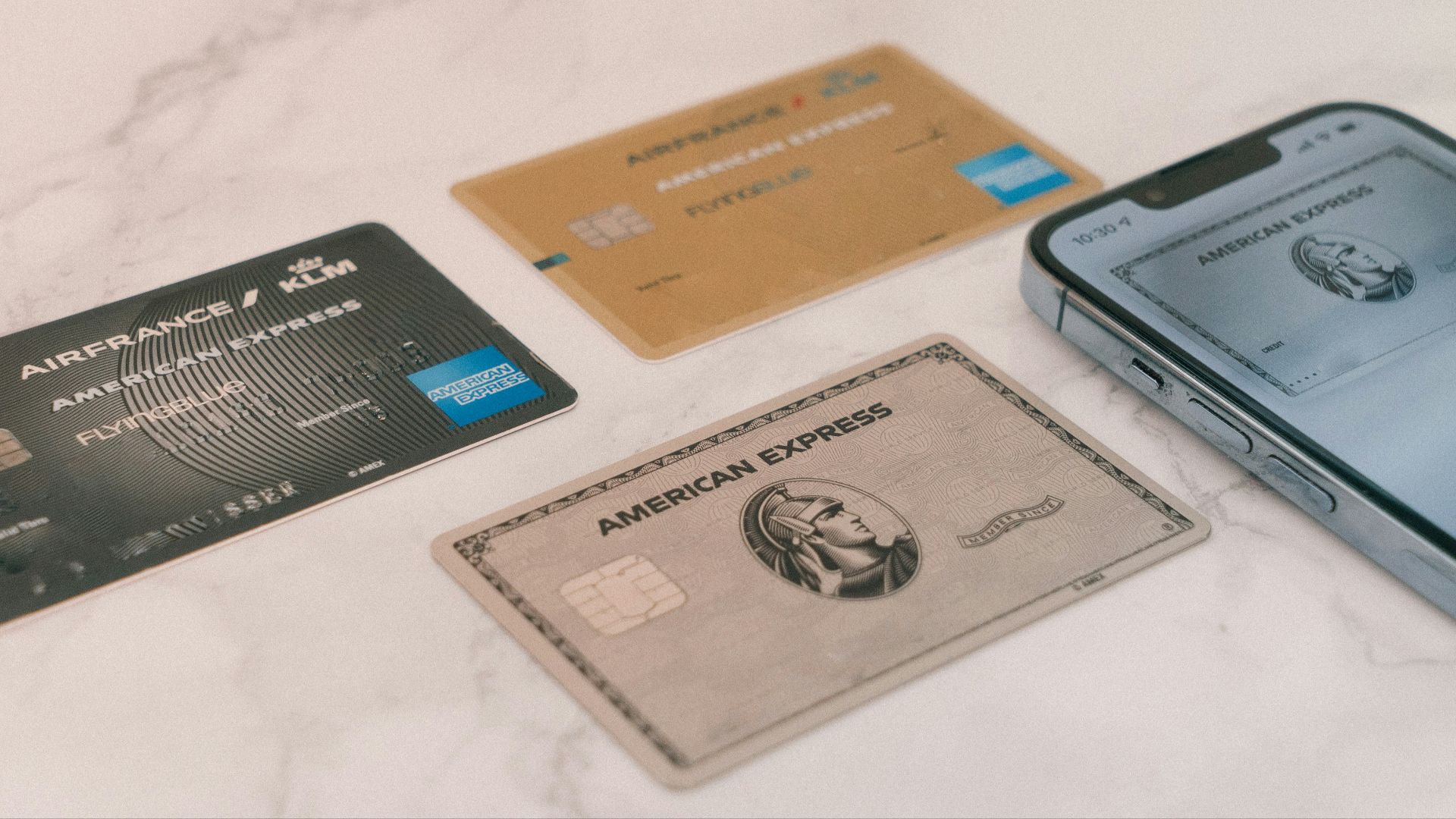
There’s a difference between using a card for convenience and using it because your checking account looks a little thin. When groceries, gas, toothpaste, and the random CVS run all go on plastic month after month, you end up paying more for them down the road.
2. Stacking High-Interest Debt
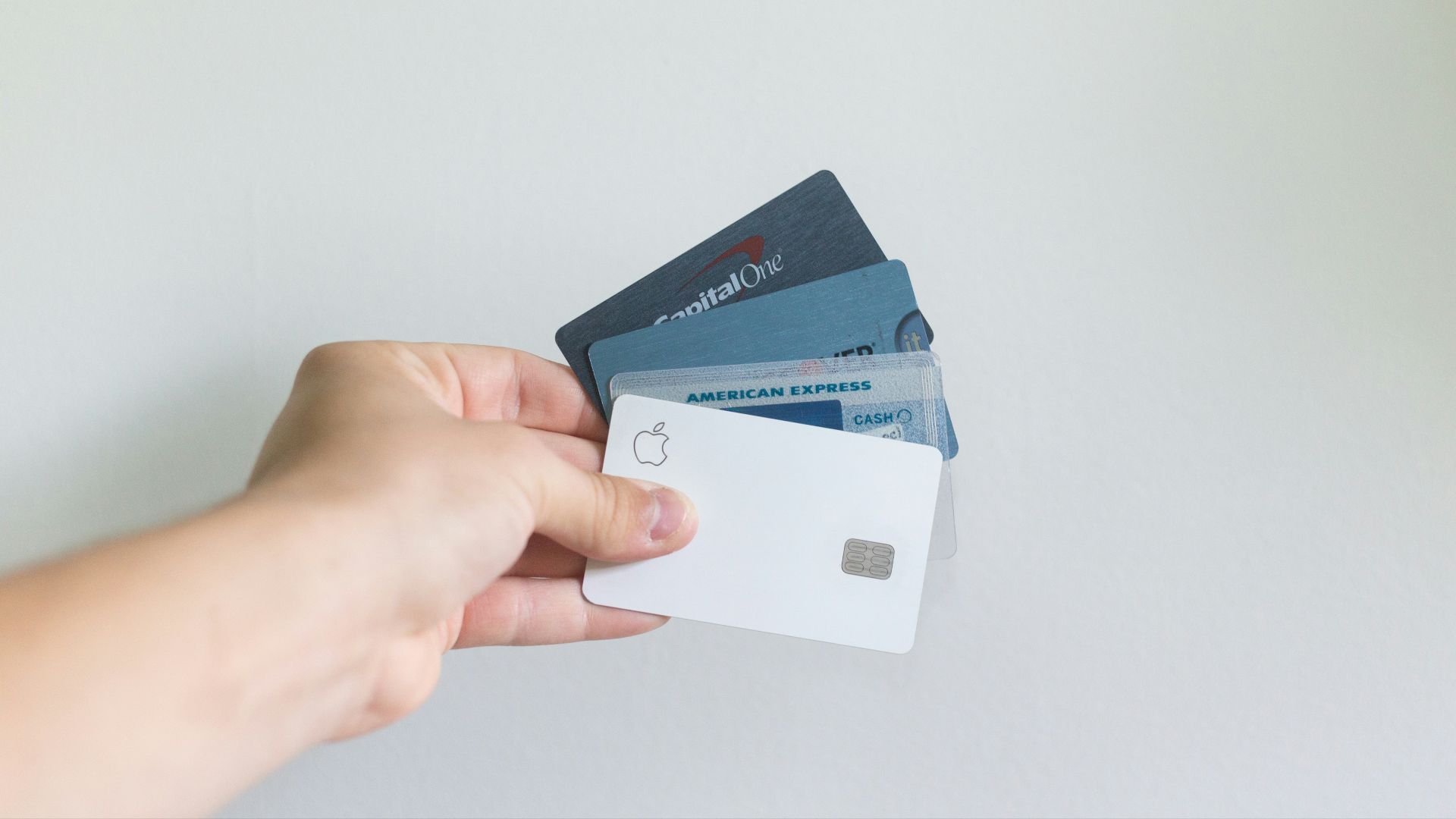
One rough balance is stressful enough. Once there’s also a personal loan, a second card hanging near the limit, and a buy-now-pay-later tab still floating around from last December, your money starts getting assigned before you’ve even had a chance to use it.
3. Spending Payday Like It’s Bonus Money
A paycheck should calm things down a little. If Friday turns into drinks, delivery, two impulse buys, and a cart full of stuff from Target before rent and utilities are covered, that habit will catch up with you.

4. Having No Budget At All
You don't need a spreadsheet that looks like it belongs in a conference room at Deloitte. That said, you do need some kind of plan. If you can't say what went to groceries, what went to takeout, and what disappeared in ten little card taps during the week, your money is running ahead of you.

5. Paying Only The Minimum
Minimum payments keep you current on paper, though that's about where the good news ends. The balance barely moves, and the interest keeps chewing away in the background.

6. Ignoring Mystery Spending
Money leaks are rarely exciting. They usually look like $18 here, $42 there, an ATM withdrawal you don't remember clearly, and a subscription renewing for the sixth month in a row because you keep forgetting to cancel it.

7. Treating Luxuries Like Basics
This one sneaks up on people, especially when everybody online seems to live like they have a sponsorship deal. A more expensive apartment, constant delivery, premium memberships, upgraded tech, and little “treat yourself” spending can start feeling normal long before your income can catch up.

8. Taking On New Debt During A Hard Stretch
Stress spending feels comforting for about 12 minutes. Adding fresh debt during a layoff, a breakup, a move, or a family crisis means the emergency is now traveling with interest attached, which is brutal when you’re already worn out.
9. Having No Emergency Fund
A bad month feels a lot worse when there is nothing softening the blow. One urgent care visit, a broken piece of tech, or one refrigerator repair can throw the whole household off if there isn’t even a modest buffer waiting in savings.

10. Inflating Your Lifestyle With Every Raise
A raise should make life feel steadier, at least a little. If every bump in income turns into pricier rent, nicer restaurants, better seats, more shopping, and a car payment you suddenly convince yourself is reasonable, you won't necessarily feel safer in the long run.

1. You Know Where Your Money Goes
People who are doing fine financially usually have a decent grip on what came in, what went out, and what is left. It doesn't have to be fancy, either. A notes app, a budgeting app, a legal pad on the kitchen counter. Anything works, as long as you're not guessing.

2. You Save Before You Spend
It's annoying to hear, but this habit does change everything. When money moves to savings or investments before brunch, concert tickets, and random late-night online shopping get their turn, you stop building your future only if there's something left over.
3. You’ve Got A Cash Buffer
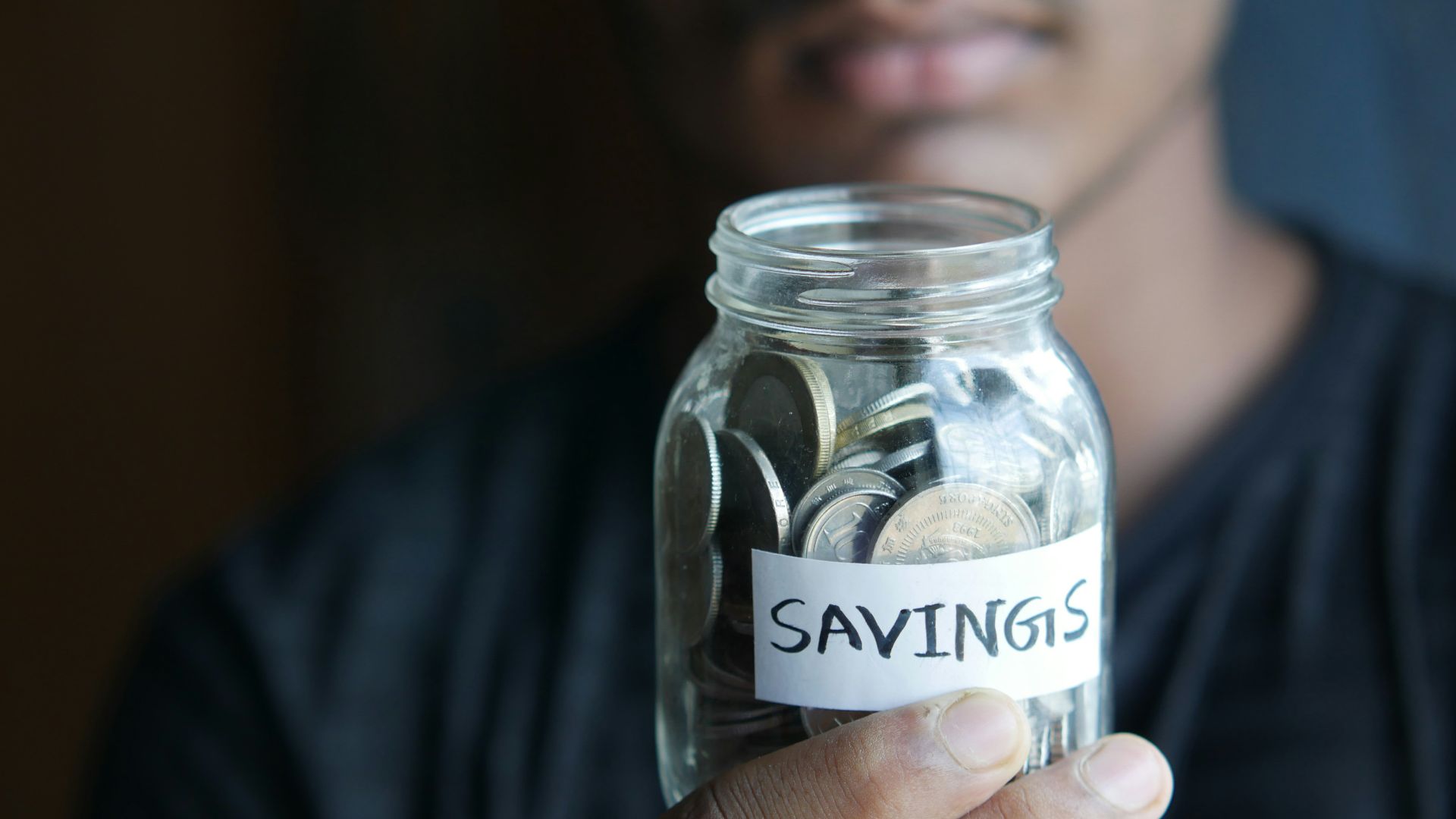
Emergency savings may be boring, though the peace they buy is not. Even one solid month of expenses can make a flat tire, a vet bill, or a sudden flight home feel like a minor annoyance, instead of a full-body financial panic.
 micheile henderson on Unsplash
4. Your Credit Is In Good Shape
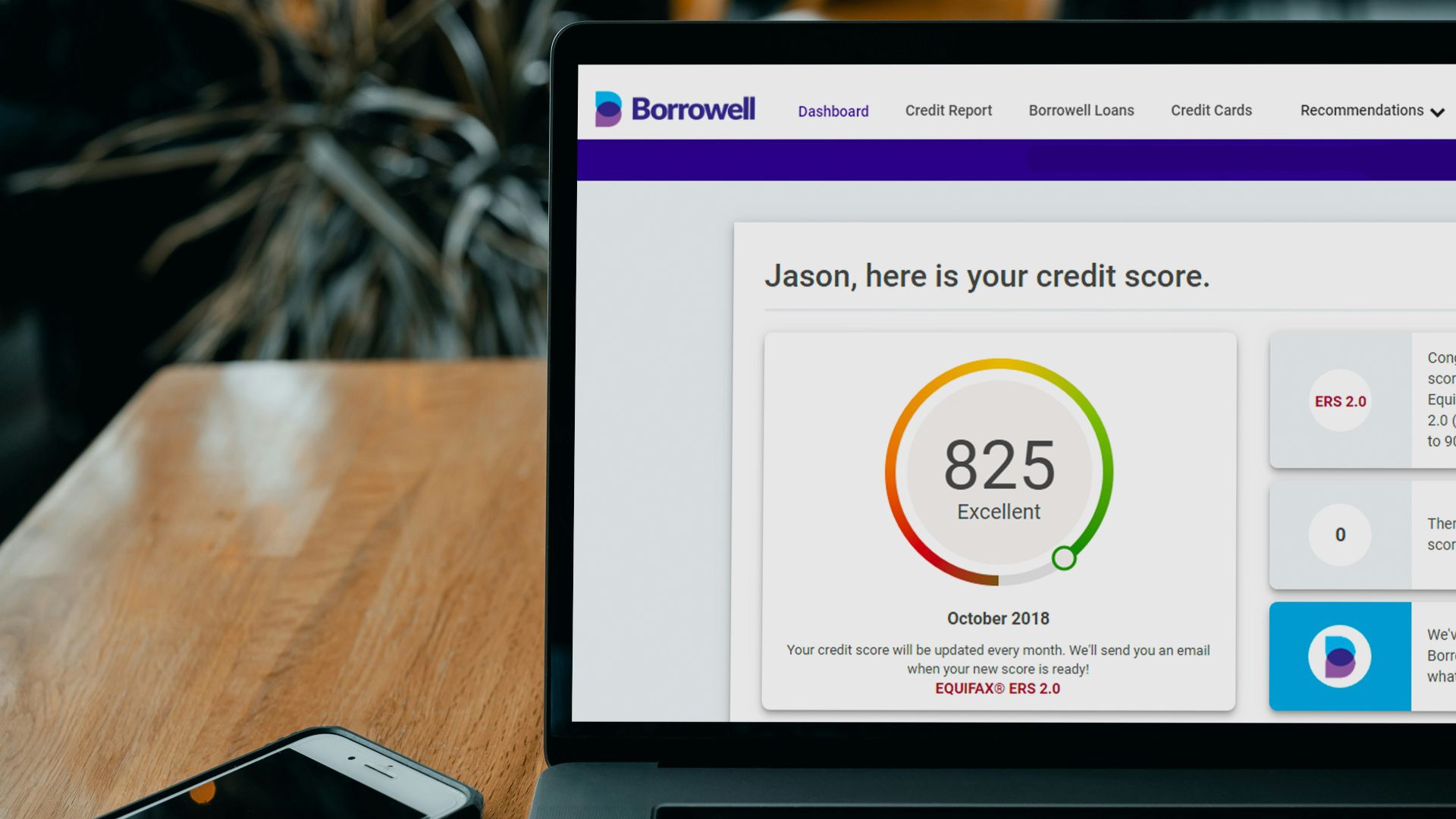
A healthy credit score usually reflects habits that matter far more than the number itself. Paying on time, keeping card use reasonable, and not opening a new store account every time someone offers 20 percent off at checkout all point to a stronger footing.
5. You Invest Consistently
You don't need to sound like a finance podcast host to be doing this well. Small, regular contributions count, and they say something important about the way you think, which is that next year and 20 years from now both deserve a place in the plan.

6. You Live Below Your Means
This sounds a little old-school until you meet someone making good money and still sweating every payday. Leaving space in the budget, whether that means cheaper rent, fewer impulse buys, or hanging onto the paid-off Honda for two more years, is one of the clearest signs things are working.
 Alicia Christin Gerald on Unsplash
7. You Pay More Than The Minimum
Extra payments cut interest, shrink the life of the debt, and free up future money, which is a much better feeling than dragging one tired balance through half your thirties.
8. You Have Real Financial Goals
People doing okay usually know what they're building toward. That could mean a six-month emergency fund, wiping out private loans by 35, a down payment in Raleigh, or making retirement feel like an actual plan instead of something Future You is supposed to figure out.

9. You're Making Calm Money Decisions
That does not mean you never worry, because of course you do. It means you aren't buying things out of panic, boredom, or the weird pressure that kicks in after seeing three friends post kitchen remodels and Cabo trips in the same week.
10. Your Overall Picture Keeps Improving
Progress doesn't have to look huge to count. If savings are up from last year, debt is down, investments are growing, or you just feel less pinned to the wall every time an expense hits, that's a strong sign your habits are doing their job.