
Finding the Balance Between Work and Life
Work-life balance isn’t just a buzzword; it reflects how well you’re managing your time, energy, and priorities across both professional and personal spaces. When things are aligned, you tend to feel more productive, less stressed, and generally more satisfied with your daily routine. On the other hand, imbalance can quietly build up and affect your health, relationships, and performance. The signs aren’t always obvious, but once you know what to look for, it becomes much easier to assess where you stand. Here are 10 signs that you have work-life balance and 10 that prove you don't.

1. You Have Clear Boundaries Between Work and Personal Time
You’re able to mentally and physically step away from work once your day ends. Emails and messages don’t constantly interrupt your personal time, and you don’t feel pressured to respond after hours. This separation helps you recharge and maintain consistent energy levels.

2. You Regularly Make Time for Yourself
Personal activities like hobbies, exercise, or simple relaxation are part of your routine, not an afterthought. You don’t feel guilty for taking that time because you recognize its importance. This consistency supports both mental and physical well-being.

3. You Feel Present in Your Relationships
When you’re with friends or family, your attention isn’t split between them and your job. You actively listen, engage, and participate in conversations. This presence strengthens relationships and reduces feelings of disconnection.

4. You Take Breaks Without Stress
Stepping away during the workday doesn’t make you anxious or worried about falling behind. You understand that short breaks can improve focus and productivity. As a result, you return to tasks feeling more refreshed.

5. You Can Disconnect on Days Off
Weekends or days off actually feel like time off rather than an extension of your workweek. You’re not constantly checking updates or thinking about unfinished tasks. This ability to disconnect helps prevent burnout over time.

6. You Maintain Consistent Sleep Habits
Your sleep schedule isn’t constantly disrupted by late-night work or stress. You’re getting enough rest to function effectively during the day. Good sleep is closely tied to both performance and emotional stability.

7. You Rarely Feel Overwhelmed
While work can be busy, it doesn’t consistently leave you feeling out of control. You’re able to manage your responsibilities without constant pressure. This indicates that your workload and personal life are reasonably balanced.

8. You Have Time for Physical Health
Exercise, meals, and general self-care aren’t sacrificed for work demands. You prioritize your health because you understand its long-term impact. This balance contributes to sustained energy and focus.

9. You Set and Respect Limits
You’re comfortable saying no when your plate is full, and you don’t overcommit just to meet expectations. Setting limits helps protect your time and energy. It also shows that you have a realistic understanding of your capacity.

10. You Feel Satisfied With Your Routine
Overall, your daily schedule feels manageable and fulfilling rather than draining. You’re able to meet responsibilities without sacrificing personal priorities. This sense of satisfaction is a strong indicator of balance.

1. You Constantly Think About Work
Even when you’re off the clock, your mind keeps returning to work tasks or concerns. This ongoing mental engagement makes it difficult to relax. Over time, it can increase stress and reduce overall well-being.

2. You Struggle to Take Time Off
Vacation days or breaks feel more stressful than helpful because you worry about falling behind. You might even avoid taking them altogether. This pattern can lead to exhaustion and decreased productivity.

3. Your Personal Life Feels Neglected
You frequently cancel plans or miss important moments due to work demands. Relationships may start to feel strained or distant. This imbalance often leads to feelings of guilt or dissatisfaction.

4. You Work Beyond Scheduled Hours Regularly
Staying late or logging back in after hours has become the norm rather than the exception. This habit reduces the time available for rest and personal activities. It also increases the risk of burnout.
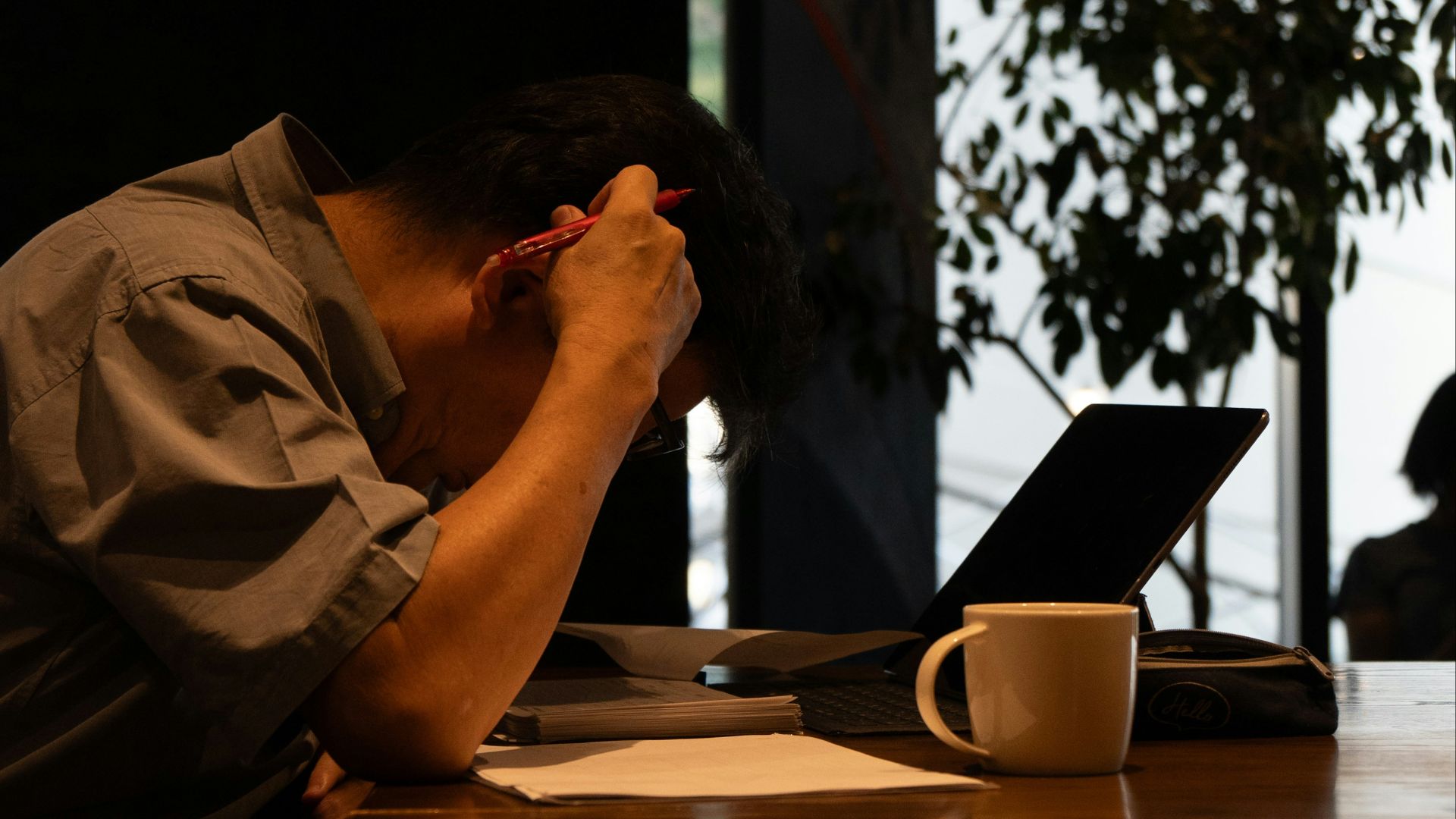
5. You Feel Constantly Tired
Persistent fatigue isn’t just about being busy; it often signals that you’re not getting enough recovery time. Your energy levels remain low even after rest. This can affect both your work performance and personal life.

6. You Skip Meals or Exercise
Basic needs like eating well or staying active often take a backseat to work responsibilities. Over time, this can negatively impact your health. It also reduces your ability to handle stress effectively.
 ANTONI SHKRABA production on Pexels
7. You Find It Hard to Focus Outside Work
When you’re not working, you struggle to engage in other activities because your mind keeps drifting back to job-related concerns. This lack of focus limits your ability to enjoy personal time. It can also make relaxation feel unproductive.

8. You Feel Guilty When Not Working
Taking breaks or enjoying downtime comes with a sense of guilt, as if you should always be doing more. This mindset can lead to overworking and chronic stress. It often stems from unrealistic expectations or workplace pressure.
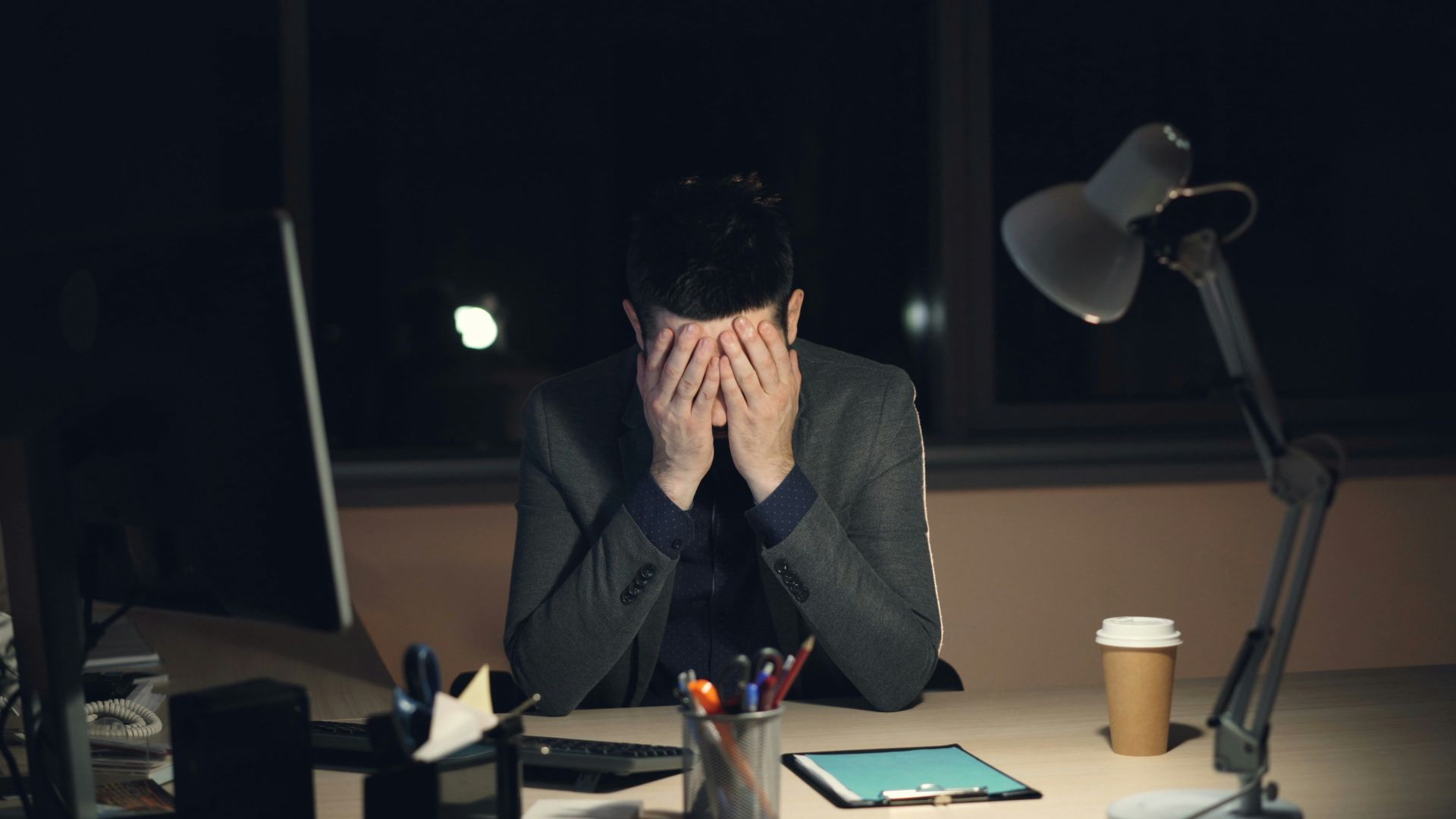
9. Your Sleep Is Frequently Disrupted
Stress or late work hours interfere with your ability to maintain a consistent sleep routine. You might have trouble falling asleep or staying asleep. Poor sleep can quickly compound other issues related to imbalance.

10. You Feel Burned Out or Unmotivated
A lack of enthusiasm for work or daily activities can signal a deeper imbalance. Burnout often develops gradually when recovery time is insufficient. If left unaddressed, it can impact both mental health and job performance.