Growing up in the ’90s felt like living in a well-timed intermission: the world was modern enough to be exciting, yet still simple enough to be navigable on your own without the nifty gadgets we're used to now. If you were there, you know the exact vibe we mean: a little gritty, a little glossy, and strangely reassuring. The '90s were the time of our lives.
Life in the golden era moved at a pace where curiosity could unfold through exploration without being instantly answered by a search bar or an AI model, which was considered far too futuristic to even entertain at the time. Looking back now, those years weren't always perfect, nothing ever is, but it was a remarkable era that shaped us into the adults we are today.
The Perfect Blend of Analog and Digital
Technology in the ’90s didn’t swallow your life, not in the way it does now. You could spend an afternoon on a computer, then walk away without feeling like you’re itching to go back online. Dial-up internet was a built-in boundary, which sounds inconvenient until you realize it at least protected you from having the World Wide Web eat up hours of your day.
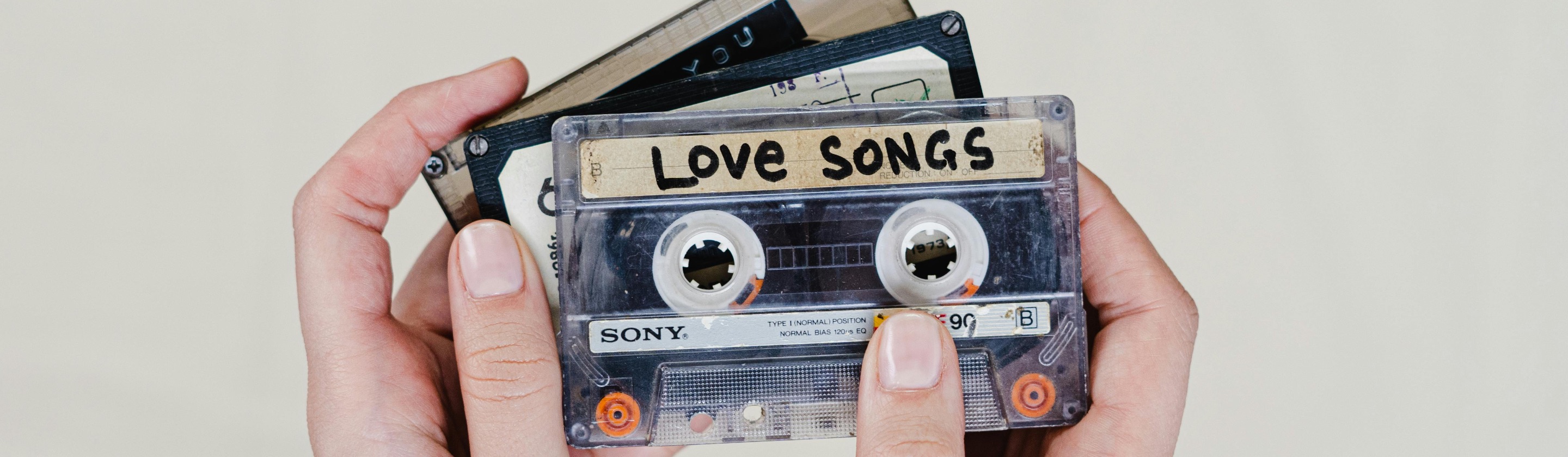
Entertainment also asked you to participate a little, which made it stick. You burned CDs to make your own special playlists, you collected physical albums to replay on a little boombox, always making sure to pause and unpause at the right times. If you liked a song, it was hard work to get to listen to it when you were on the go; after all, we didn't have the convenience of streaming like we do now.
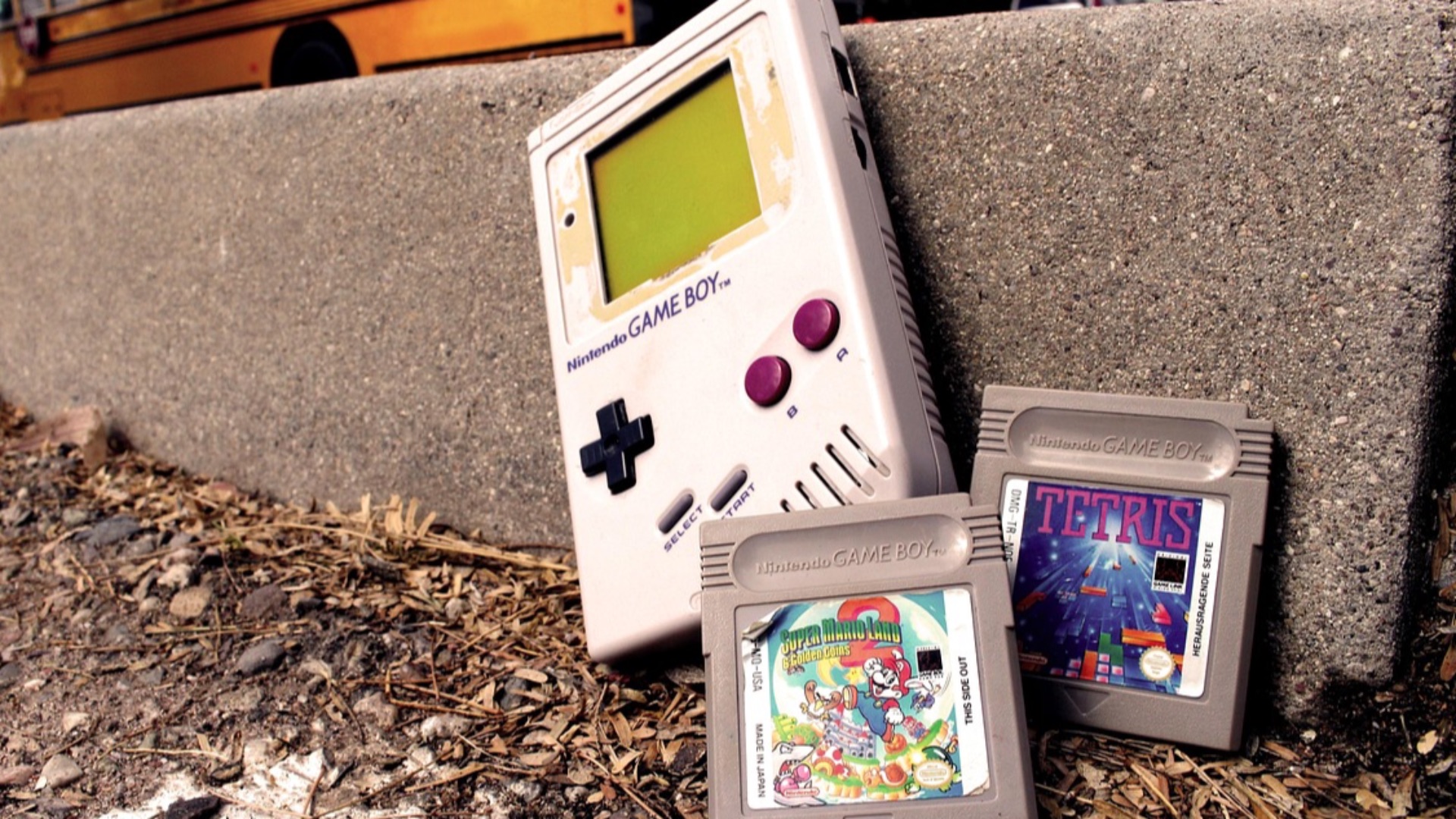
The gadgets we grew up with also felt like futuristic tools. They still do, even now. A chunky camcorder recorded a decade's worth of birthdays, a VCR tape has your favorite TV episodes compiled in a neat order. When new devices came out, like the Game Boy or a portable CD player, you felt awed and treated them with the kind of respect usually reserved for museum artifacts. Nowadays, we take these types of devices for granted.
Friendships That Happened in Real Places
Social life in the 90s had texture because it occurred in places you can still picture clearly. You met people at the mall, at the park, maybe even in someone’s basement. Plans required a little faith, too, because once you left the house, you couldn’t instantly send a “Where are you?” message every two minutes.
That also meant communication took effort, and effort made it meaningful. Calling a friend’s home, however, meant risking leaking your conversation to a parent or a nosy sibling, because eavesdropping was easy to do back in the day; all someone had to do was pick up a handset in the same house and listen in. But there were fonder memories, too: passing notes, writing in yearbooks, or leaving a message on an answering machine created tiny artifacts of connection you could actually hold onto.
Even boredom had social benefits, which sounds like a sentence no one should say with a straight face. But it's true. With fewer on-demand distractions, you learned to improvise, roam, and invent games out of nothing but sidewalk chalk and questionable confidence. If you wanted fun, you didn’t scroll for it; you built it, explored it, and occasionally got grounded for it. (Worth it, though.)
Pop Culture with Shared Moments and Fewer Filters
Pop culture in the ’90s also had an addictive rhythm that’s hard to recreate now. When a music video premiered, you watched it when it aired, since you couldn't so easily rewatch it on your home computer like you do now. That made it all the more special. Back then, MVs felt more like mini movies, too, which meant you were able to create your own interpretations and stories.
Fashion and music were messy in the most charming way. One day you were in flannel and combat boots; the next you were attempting something vaguely “futuristic” that involved metallic fabric, chunky chains, and a lot of poor decisions. Trends cycled slower, too, which meant you could actually try a style on long enough to learn whether it suited you or merely tolerated you.
Media also left breathing room for imagination instead of filling every gap. You reread the same magazine, debated the same sitcom episode at school, and waited for the next installment like it mattered, because it did. Without constant updates screaming for your attention, culture felt like a conversation you joined, not something you had to outrun.
In the end, the ’90s offered a rare kind of childhood: one foot in the old world, one hand reaching for the new, and a whole lot of space to grow in between. You learned independence by exploring on your own, resilience by surviving slow technology, and social skills by existing face-to-face. If nostalgia is a lens, fine—but even through that lens, the decade’s balance still looks unusually sharp.