
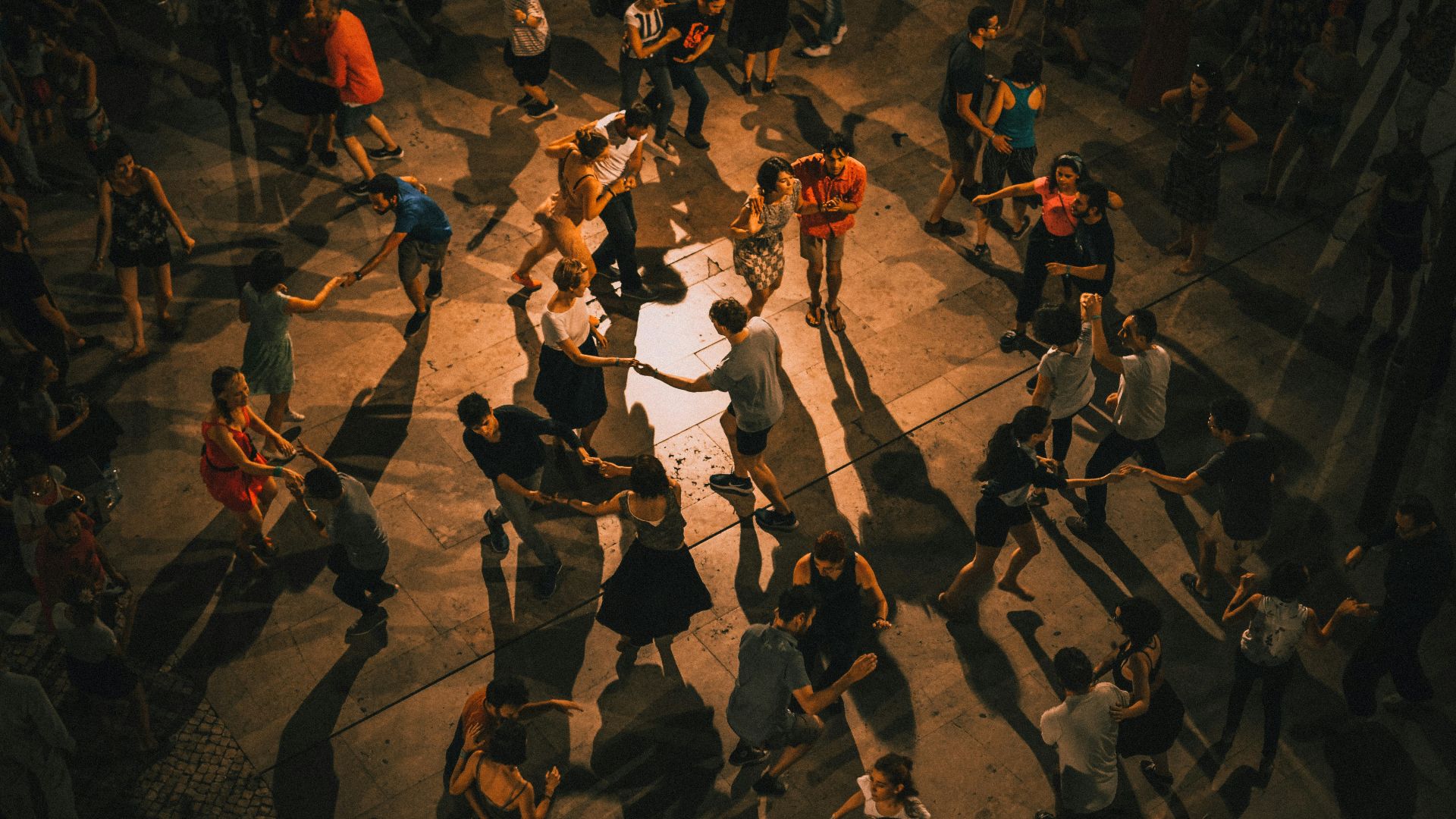
At its core, line dancing is simply a group dance where people move in sync while facing the same direction, which makes it easy to join without needing a partner.
Line dancing has been around for decades, but it’s showing up in places that don’t look like the “classic” setting anymore. Sure, you'll see it at country bars, but it’s also shown up at pop-up dance nights - not to mention, all over our social media feeds, often with people who weren’t even alive for the 1990s dance boom.
What’s changed is how younger people discover it, how they learn it, and what it represents when they do it. Instead of feeling like a niche tradition for one particular people group, it now reads as a fun, social activity that fits into modern nightlife and internet culture. The result is a revival that feels fresh even when the steps have a long history behind them.
Social Media Made It Visible
Short-form video platforms reward anything that looks satisfying on camera, and synchronized movement tends to do well. Line dances are easy to film, easy to recognize, and simple to recreate, so they fit perfectly into the “watch, learn, repeat” cycle that drives a lot of online trends. Vogue notes that the current revival has traction both online and in real life, with TikTok helping turn line dancing into a widely shared hobby.
Viral dances also give younger dancers a clear entry point, because the steps are usually demonstrated in the video itself. A recent example is “Boots on the Ground,” a viral line dance created by Tre Little and tied to the song by 803Fresh, which spread quickly on TikTok and became common at events like weddings and reunions. Even public figures have joined in, causing the dance to gain mainstream attention through major appearances.
Another reason that line dancing has spread so fast is the wildly popular online dance culture, which has dominated TikTok since its inception. People post beginner attempts, simplified versions, and group videos, which makes participation feel normal instead of intimidating. When you can learn the basics from a feed you already scroll every day, trying it in public stops feeling like a big leap.
It Fits Modern Social Life
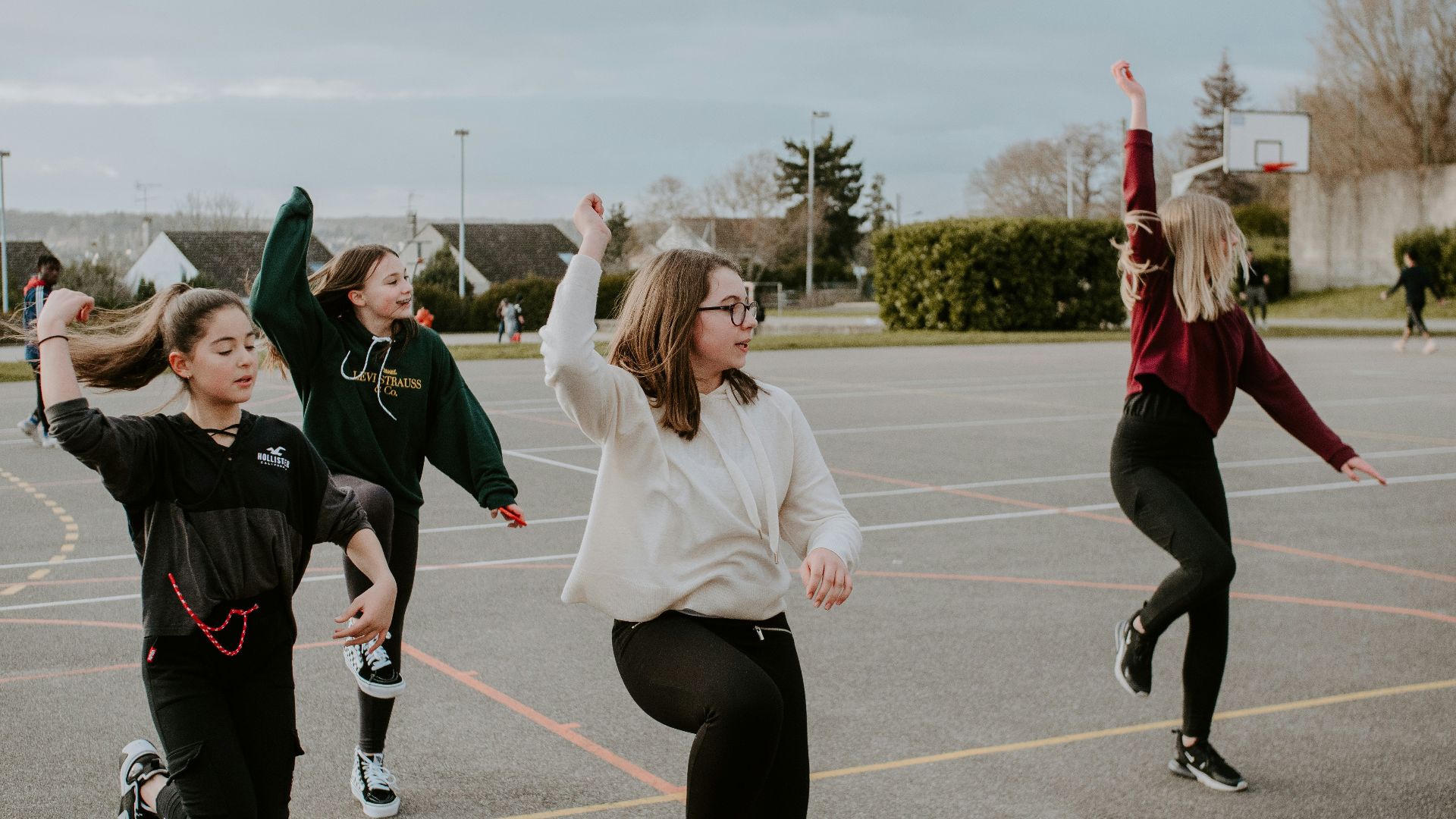
A big practical advantage is that line dancing does not require a partner, which makes it less stressful than many traditional couple dances. You can show up with friends, join a line, and participate without negotiating who dances with whom. That low-pressure structure helps it work for mixed groups, including shy people, new to dancing, or just there to have a good time.
In-person spaces have also broadened what “counts” as line dancing, which makes the scene all the more welcoming. This idea may have come from the 2024 documentary short Stud Country, which highlights L.A.'s history of queer country and western line dancing, showing that line dance communities aren’t limited to one type of crowd. When the events are inclusive, younger people are more likely to treat them as a social activity rather than a themed novelty.
There’s also a straightforward appeal in having a planned activity during a night out. A line dance gives the room a shared focus, which can make it easier to talk to new people and feel part of the group. If you want a night that includes movement, music, and social time without a lot of awkward guesswork, this format works.
Pop Culture Pulled It Forward
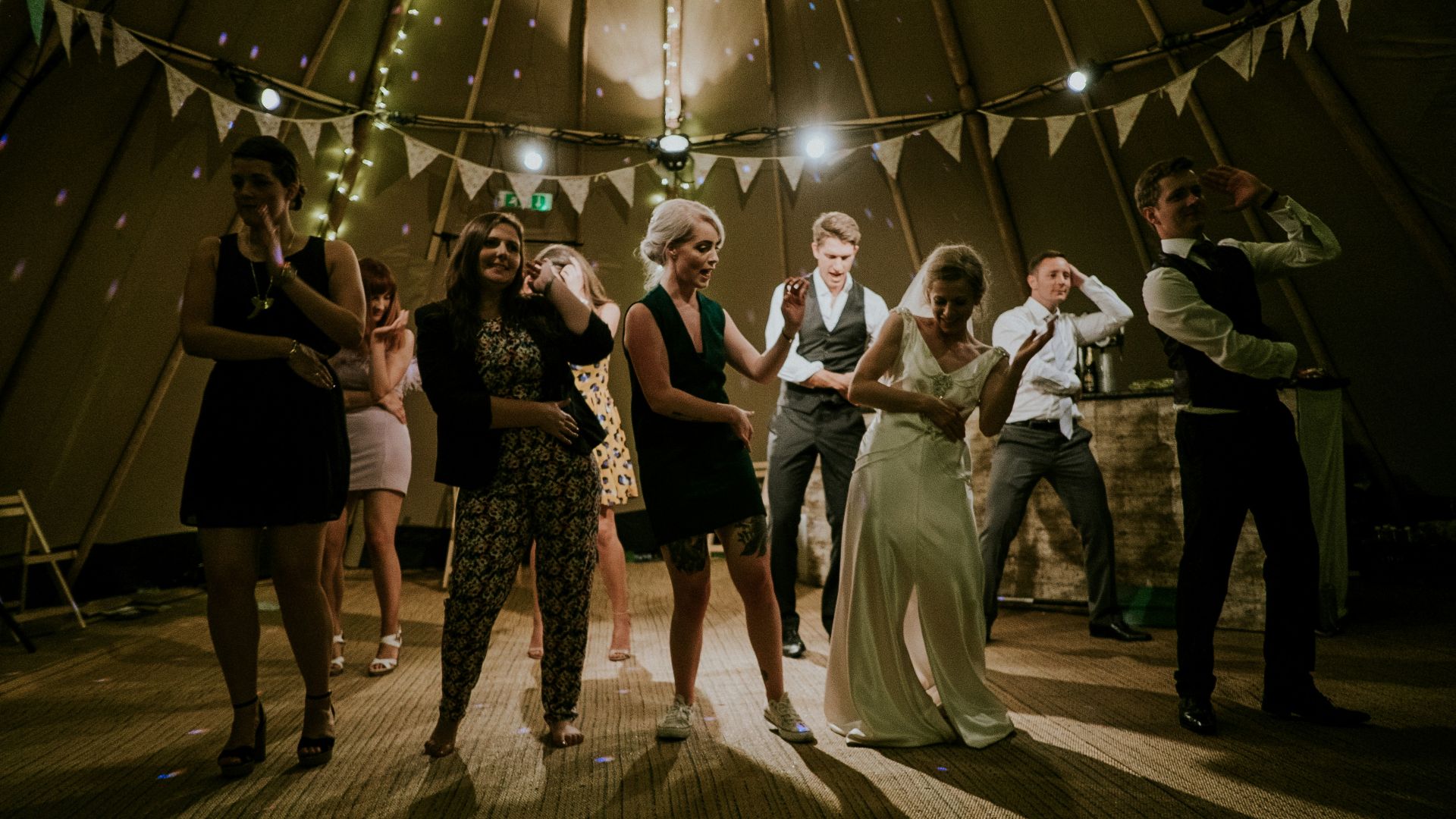
Line dancing has a track record of breaking into the mainstream when the right cultural moment hits. In the early 1980s, the film Urban Cowboy helped popularize a honky-tonk aesthetic that influenced country nightlife and broader trends, and the movie’s legacy still gets discussed as part of that era’s impact. As younger audiences revisit older media or absorb the style through newer references, the dance culture attached to it becomes easier to adopt.
The 1990s offered another big wave, with songs that fueled a recognizable line-dance craze across clubs and radio culture. In 1992, the “Achy Breaky” dance went wild across the West, taking over contests and club scenes, which helped spread it in real time. That historical pattern matters because younger generations are not inventing the idea from scratch; they’re picking up something that has resurfaced before.
Recent country crossover has helped too, especially when major artists make the genre feel current rather than purely nostalgic. Beyoncé’s *Cowboy Carter* was released on March 29, 2024, and it drew broad attention to country sounds and aesthetics in mainstream conversation, which creates more cultural space for country-adjacent social activities. When the music landscape shifts and the internet amplifies what looks fun in a group, line dancing ends up feeling like a timely choice rather than a retro one.