Flexibility doesn’t usually vanish in a dramatic, headline-worthy moment. It slips away quietly, showing up as a tighter back when you tie your shoes or a shoulder that creaks when you reach for the top shelf. It’s tempting to blame your age and move on, but in reality, everyday choices often matter just as much as age.
The pleasant twist is that your body still responds to steady, low-drama effort. You don’t need to live in a gym or twist yourself into a pretzel to stay mobile. If you include a few small habits into your daily routine, you’ll keep more range of motion than you’d expect. Better yet, these habits can feel like routine maintenance rather than an obnoxious chore.
Move Often, Not Just Hard
The simplest flexibility “hack” is movement that happens frequently. When you sit for long stretches, tissues tend to stiffen, and joints spend less time moving through comfortable ranges. Standing up, walking to refill your water, or doing a quick lap around your space gives your body a regular reminder: motion is still part of the plan. That repeated signal keeps mobility from turning into an occasional event.
You’ll get more mileage from several small movement breaks than from one heroic workout followed by a day of stillness. Try anchoring movement to things you already do, like taking a brief stroll after meals or standing during phone calls. If you work at a desk, set a timer and follow the cue to get moving. The goal is to interrupt stiffness before it settles in and makes everything feel creakier than necessary.
Balancing work can keep you moving with control. Simple options like standing on one foot near a counter, walking heel-to-toe, or practicing slow step-overs can help you stay steady as you age. It’s not about looking impressive; it’s about staying capable. When balance improves, you tend to move more confidently, and that confidence encourages more movement overall.
Stretch Smarter, Not Longer
Stretching helps, but the “how” matters more than the “how much.” Stretching cold muscles aggressively is a classic way to feel virtuous and then oddly sore. A better approach is to warm up first with easy movement, then stretch gently when tissues are more receptive. This is why many clinicians and fitness educators recommend stretching after activity rather than using stretching as the warm-up itself.
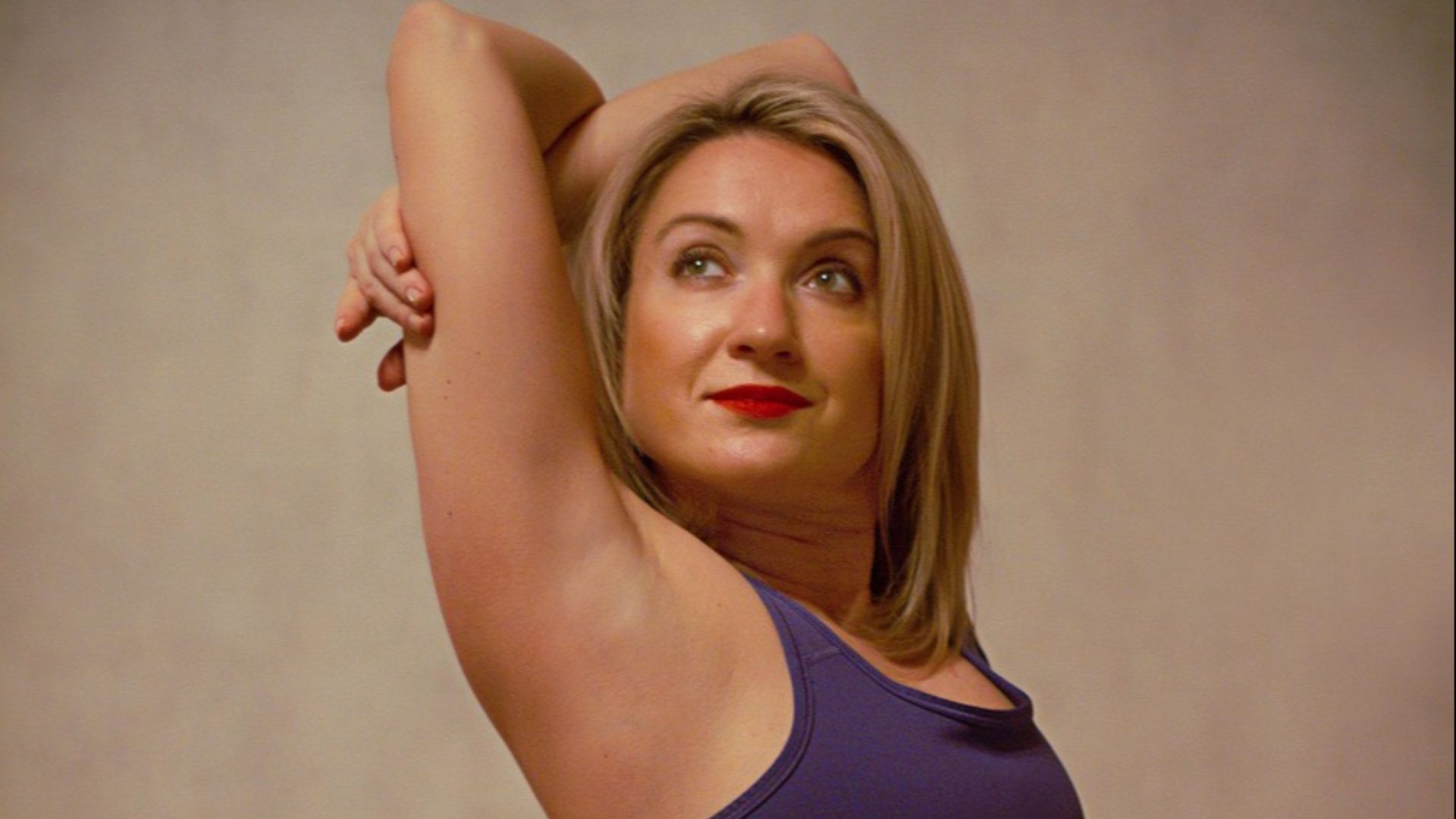
Keep your stretches calm, controlled, and pleasantly boring. Avoid bouncing, breathe normally, and stop short of pain, because pain is not your flexibility coach. A mild pulling sensation is plenty, and holding for a short period can be effective without turning your living room into a yoga studio. If you want structure, try working major muscle groups and repeating on both sides.
It also helps to match the style of stretching to the moment. If you’re preparing to be active, dynamic movements like leg swings or gentle walking lunges can prime your body without the drawbacks of long static holds. Save longer, static stretches for later in the day or after activity, when you’re aiming to relax and lengthen. This division keeps stretching useful rather than ceremonial.
Build Strength and Posture That “Holds” Your Mobility

Flexibility without strength can feel like owning a sports car with questionable brakes. Strong muscles help you use a range of motion safely, which is especially important after 50. Strength training also supports the joints that flexibility depends on. Older adults should emphasize muscle-strengthening work as a key part of staying functional.
Posture is the quiet partner in this arrangement, and it’s rarely glamorous. If you spend hours rounded forward, certain muscles stay shortened, and others stay overstretched, which can make “tightness” feel unavoidable. Small posture resets—stacking your head over your shoulders, relaxing your ribs, and letting your shoulders sit down instead of up by your ears—reduce unnecessary tension. When alignment improves, stretching tends to work better because you’re not fighting your own daily habits.
You don’t need an elaborate plan to put strength and posture into practice. Controlled bodyweight moves like sit-to-stands from a chair, wall push-ups, and slow step-ups can build useful strength while taking joints through healthy ranges. Pair that with a short “evening unwind” walk or gentle stretching session, and you’ve covered both support and suppleness. The result is a body that feels more capable in ordinary life, which is the most practical definition of flexible.
Staying flexible after 50 isn’t about chasing youth or collecting impressive stretching poses. It’s about keeping your daily movement options wide enough that life feels easier and more comfortable. If you move often, stretch with intention, and build strength that supports your range, flexibility becomes something you maintain quietly in the background. Treat it like brushing your teeth: not thrilling, very effective, and worth doing even when you’re not in the mood.