Life With Fur, Feathers, Or Whiskers
Living with a pet has a way of shrinking human confidence down to a manageable size. The dog who appears at the door right when the shoes come out isn’t guessing, and the cat who waits until company arrives to act possessed is not doing improv. Animals spend all day collecting clues that humans leak without noticing, then they trade those clues for comfort, snacks, and control of the softest surfaces. Here are ten reasons your pet might be smarter than you, followed by ten signs you’re still in charge.
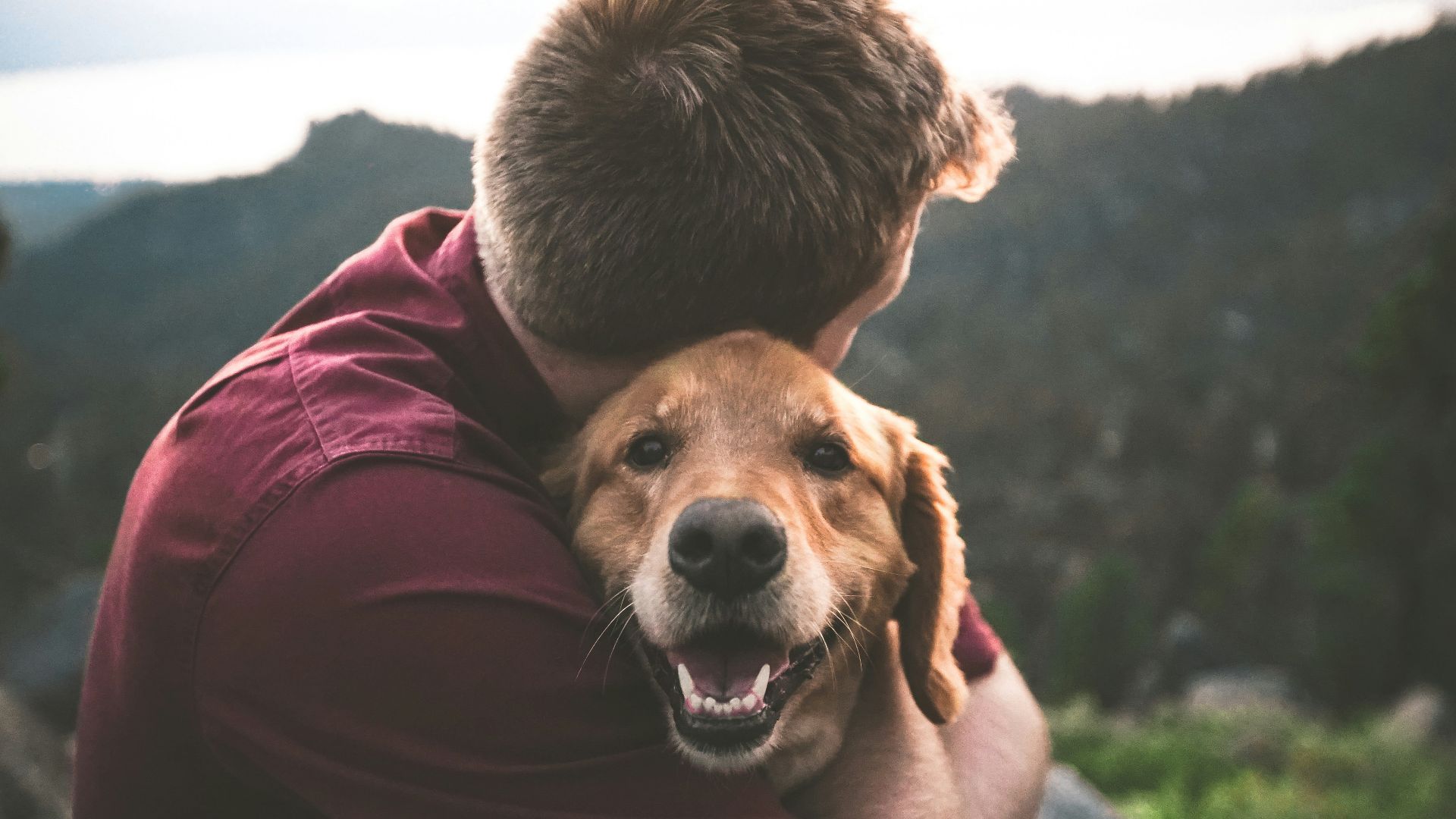
1. They Read Your Body Like A Weather Report
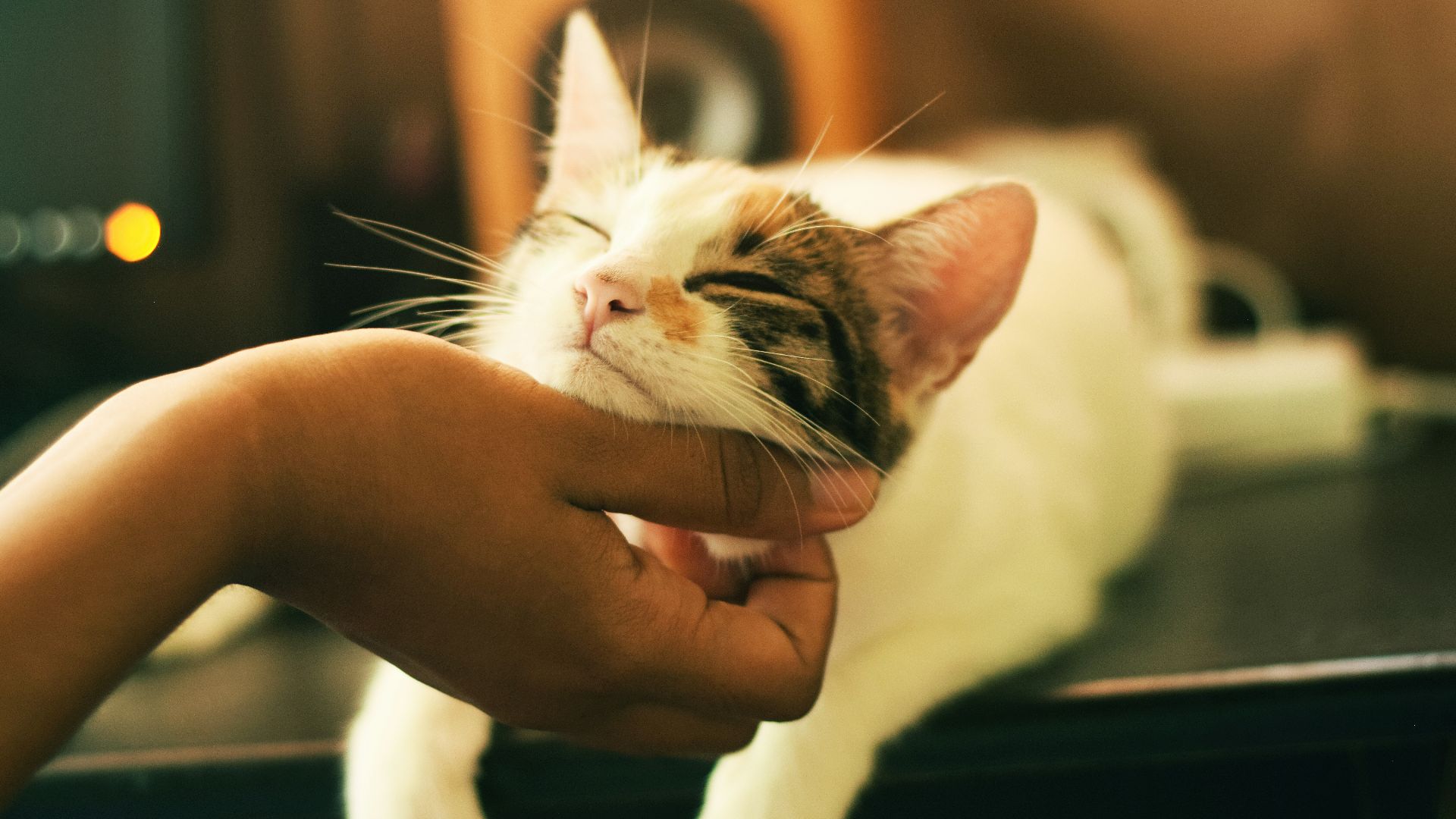
A dog can tell the difference between quick errand energy and long walk energy just from your hands and pace. A cat notices the moment shoulders soften and chooses that exact minute to appear for attention.
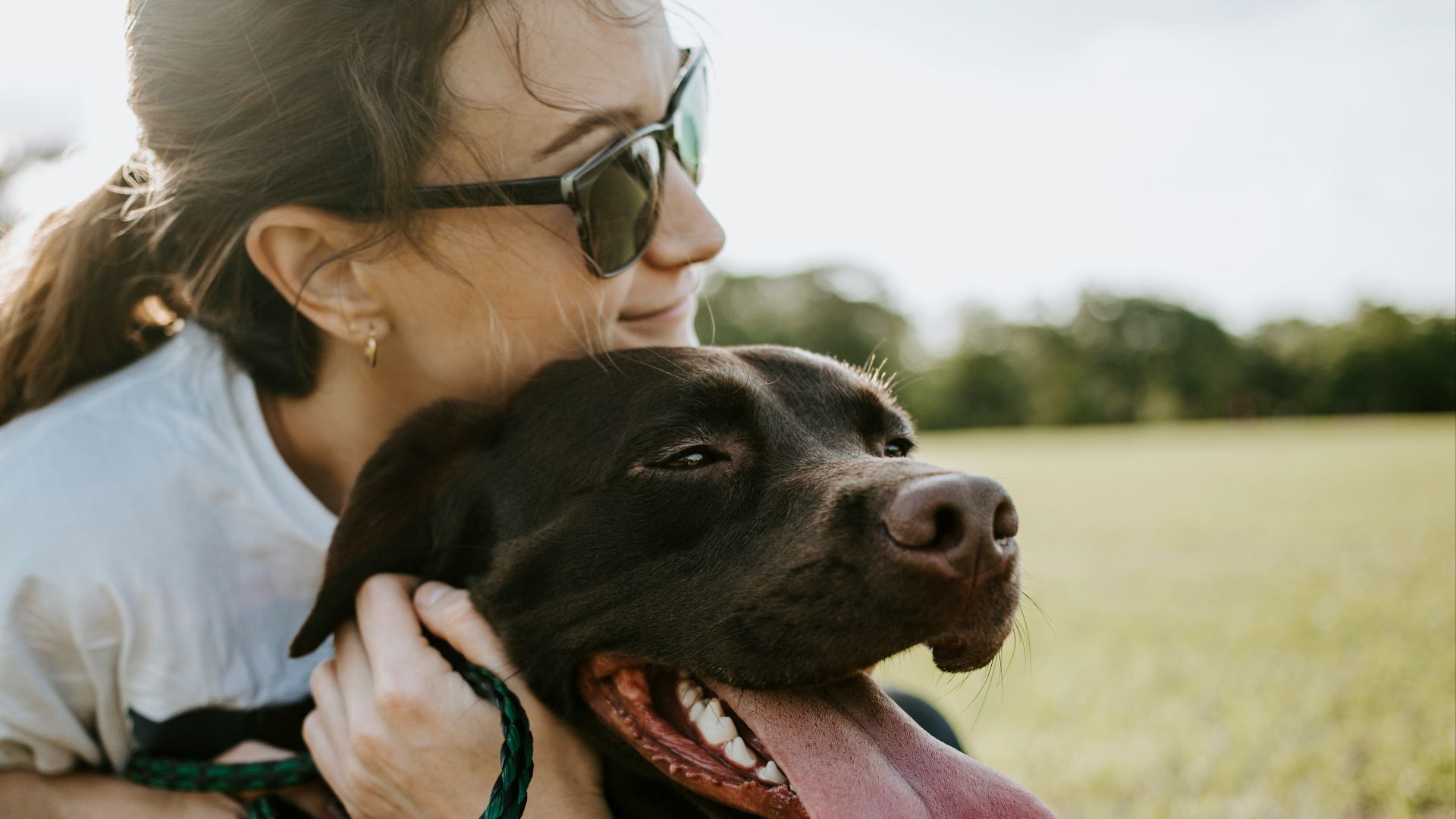
2. They Memorize Routines With Unfair Accuracy
Pets learn the order of events in a home and treat it like a promise. The coffee sound means breakfast is near, and the laptop closing means humans are available.
3. They Know Which Human Is Easiest To Persuade
Dogs often target the family member who caves fastest, then repeat the same look until it pays off. Cats do it with placement, sitting where guilt travels best, often near a doorway or on clean laundry.
4. They Use Smell As A Whole Extra Source Of Information
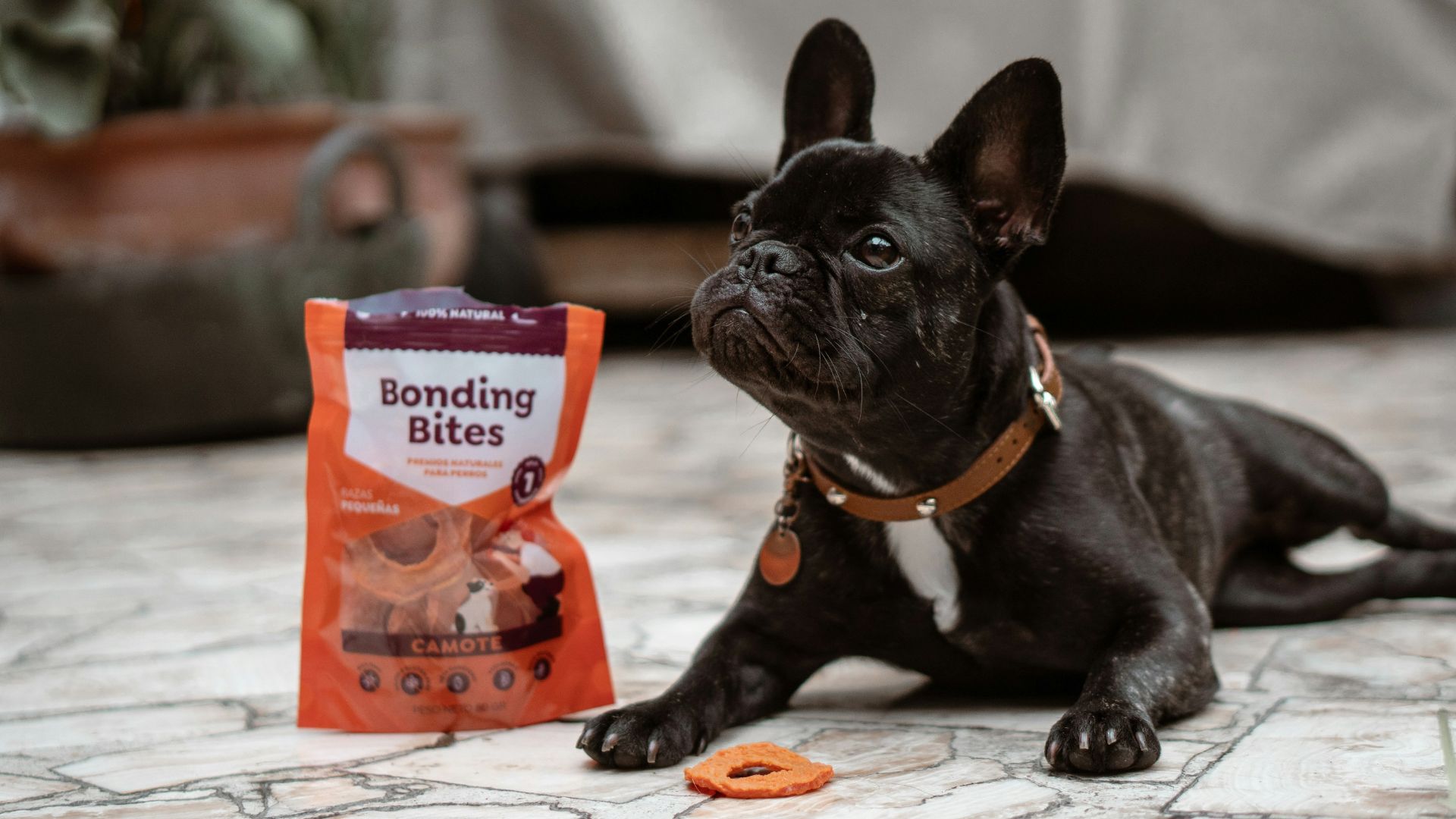
Humans see a hallway; dogs read it like a bulletin board of recent visitors. With their noses, they can detect who was there and which corner holds the most interesting news.

5. They Track Gestures Many Species Never Master
Research in canine cognition has found that many dogs can follow human pointing to locate hidden food, showing sensitivity to human social cues. At home, that skill looks like a dog who notices a glance toward the treat jar and relocates.

6. They Communicate In Context, Not Just Noise
Dog owners often recognize different barks for “stranger,” “play,” and “something is wrong,” and that flexibility is a real toolkit. Some cats even develop a special meow for people, as if they’ve adjusted for the audience.
7. They Practice Selective Memory Like Experts
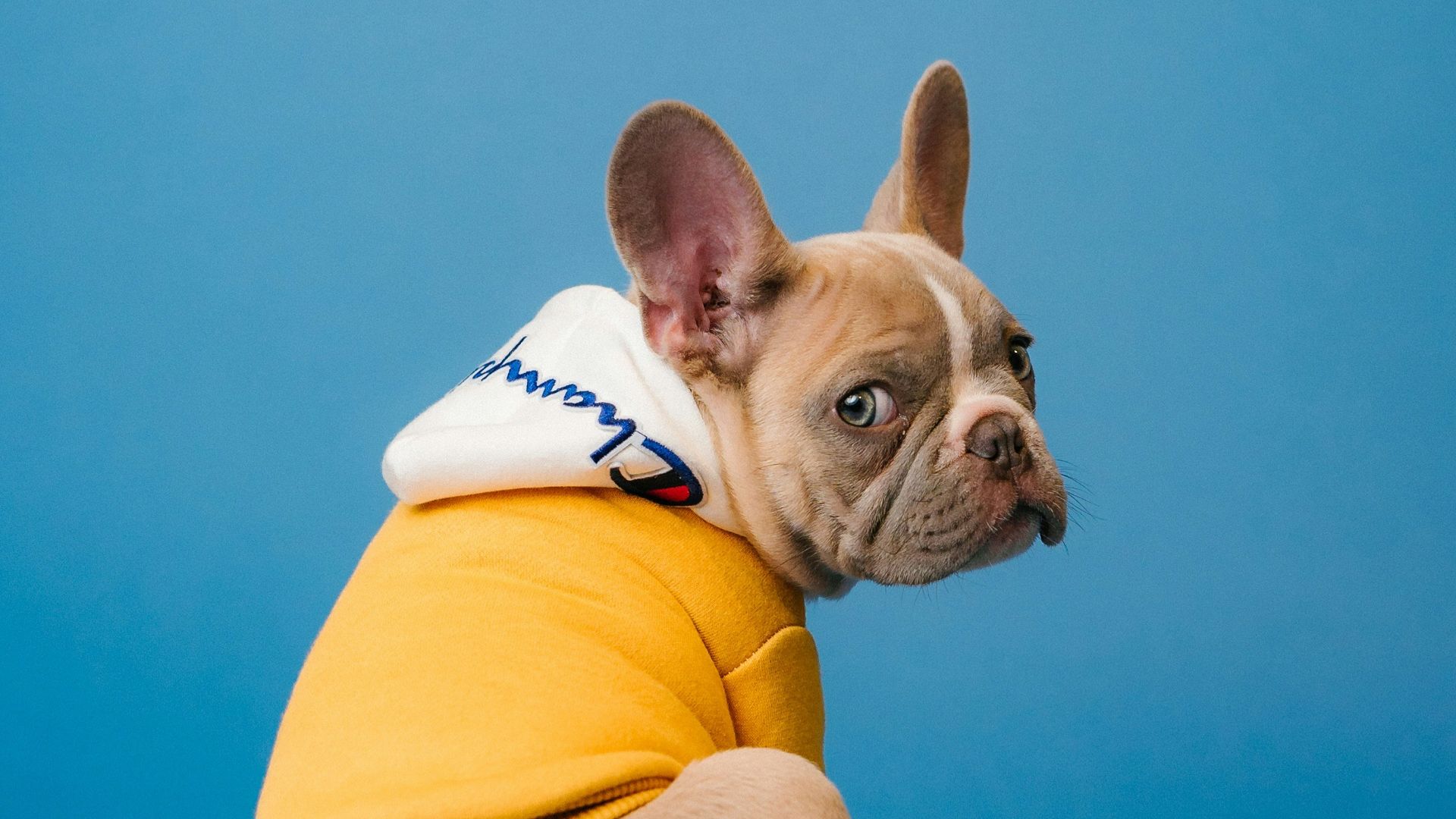
A command can vanish when the sidewalk smells exciting, then return instantly when chicken appears. That isn’t always stubbornness; it’s a tidy decision about which outcome matters most.
8. They Solve Problems By Trying Small Variations
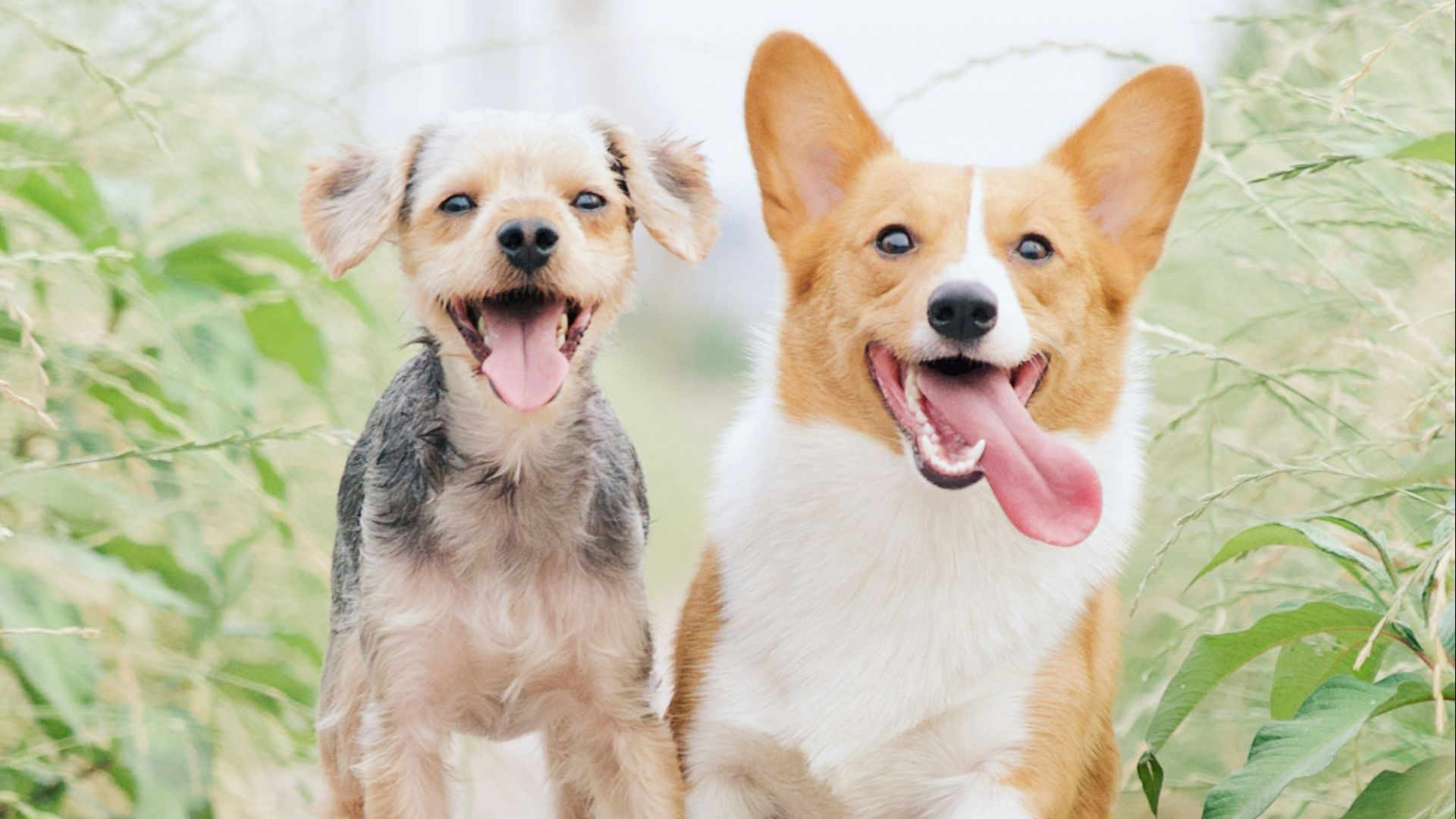
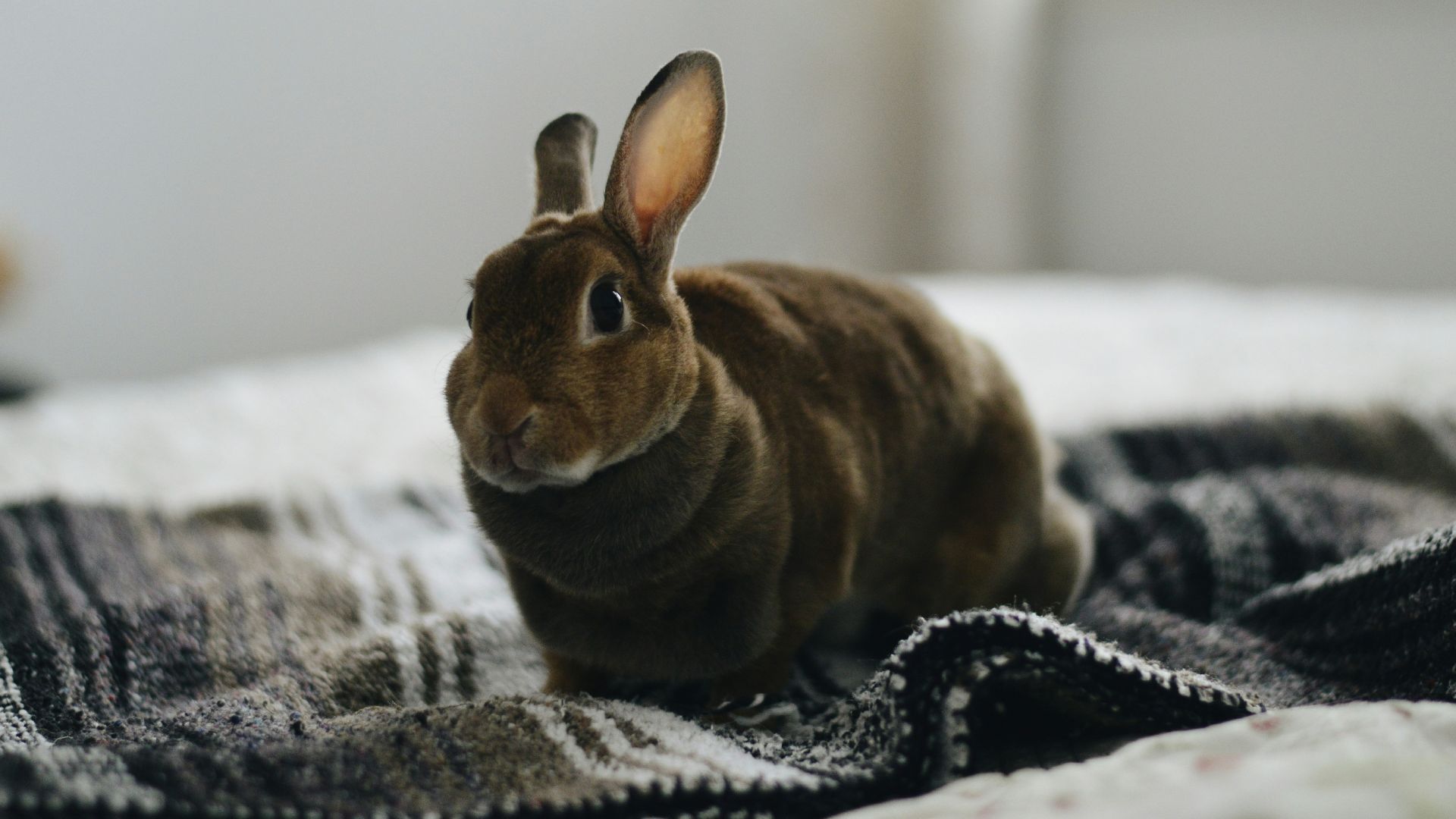
A pet who wants something will test the environment, then try again with a new angle. The dog nudges the door, the cat works the cabinet edge, and the rabbit studies the latch until “secure” becomes negotiable.
9. They Train You With Rewards And Timing
Pets notice what makes humans respond and they repeat it with precision. The mournful stare by the bowl works because it produces movement, and the purr at the perfect scratch spot keeps your hand there.
10. They Focus With A Kind Of Purity Humans Pay For
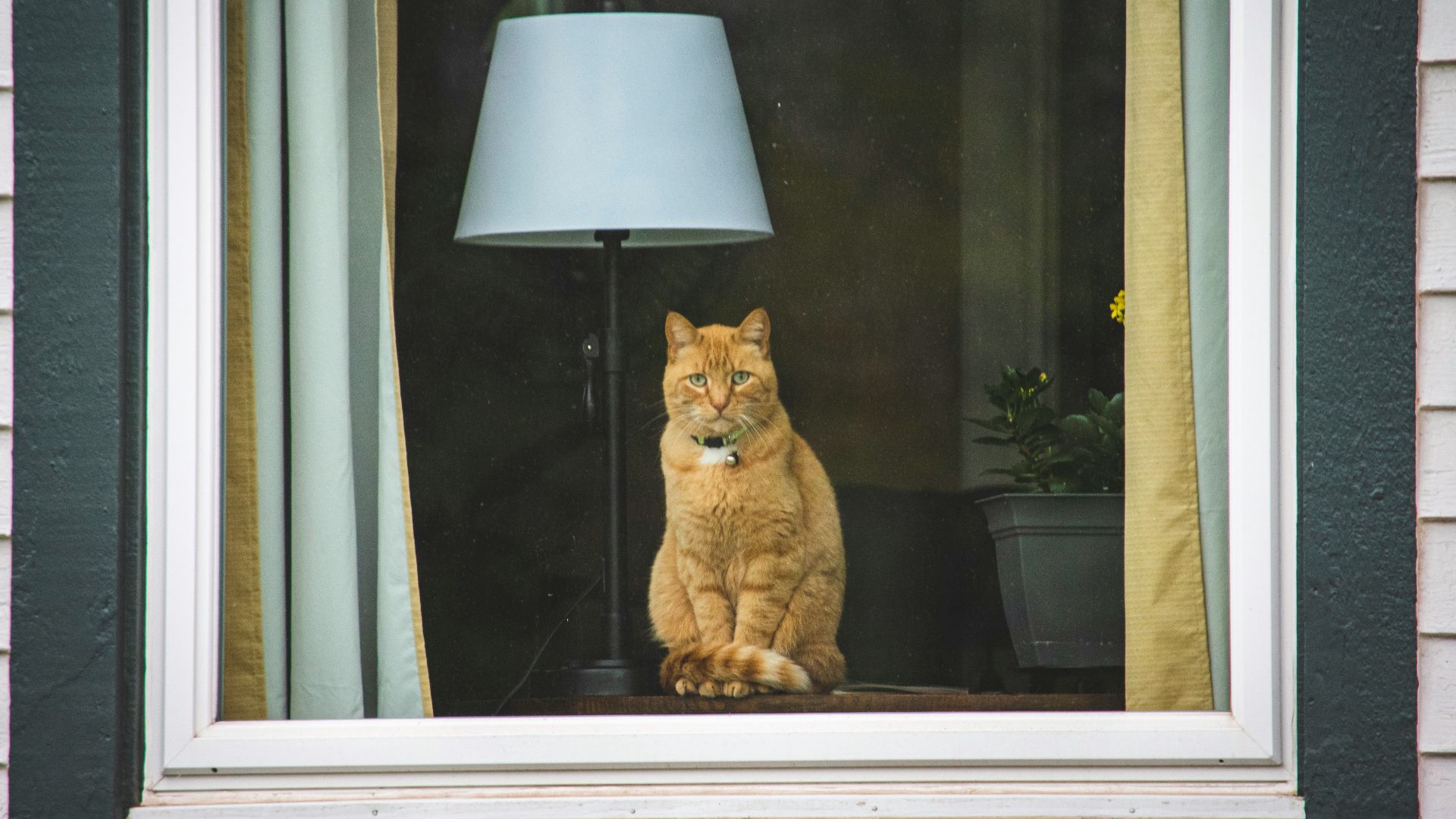
A dog can commit to a sniffing session like it’s reading a novel. A cat can hold a window-watch for an hour, fully invested in one bird’s afternoon for a while.
Now for the reality check: intelligence also shows up in planning, restraint, and the unglamorous work that keeps a home functioning. Here are ten ways human intelligence is on a whole other level.
1. You Plan Beyond The Next Meal
You schedule vet visits, track vaccines, and remember which food caused that one terrible stomach episode. Your pet may run the vibe, yet you run the calendar and the safety net.

2. You Can Delay Gratification
Humans can choose the boring choice now for a better outcome later, even when temptation screams. Research on delayed gratification, including the classic marshmallow studies with children, captures that basic skill of waiting for a bigger payoff.

3. You Maintain Rules Across Days And Moods
You can set rules like “no jumping,” “gentle mouth,” or “off the couch,” and then stick to them even when you’re tired, distracted, or feeling soft. That kind of follow-through turns boundaries into something your pet can actually rely on.

4. You Work With Symbols And Abstract Information
You can read labels, compare ingredients, and follow dosing instructions without tasting anything first. Your pet recognizes sounds and smells, yet you interpret words and numbers and choose based on meaning.

5. You Use Tools To Prevent The Same Problem Twice
A pet might paw at a latch until it opens, which is clever in the moment. You tighten the hinge, install the hook, and remove the failure so it stops being a game.

6. You Learn From Other People’s Experience
You can read about toxic plants and move lilies out of reach before anything happens. You can watch a vet demonstration and adjust your nail-trim technique the next time.

7. You Can Override An Impulse When It Matters
You can stay calm when a drink spills, a vase tips, or the leash tangles, then fix it without turning the room into a storm. That pause between feeling and reacting is a human advantage.

8. You Manage Social Worlds Larger Than The Living Room
You can imagine what a neighbor might misread, what a guest might need, and what a child might fear, then adjust your behavior. Pets read their household well, yet humans juggle more minds, rules, and consequences at once.

9. You Repair Relationships With Language
You can apologize, redirect, and set boundaries with words that stay meaningful tomorrow. That makes trust easier to rebuild after mistakes, even when everyone is tired.
 LinkedIn Sales Solutions on Unsplash
10. You Do The Invisible Work That Makes Comfort Possible
Fresh water, clean bowls, safe walks, and a home that doesn’t smell like trouble exist because you keep choosing effort. Being the smarter one often looks like picking up the mess while your pet supervises from the best spot.