Most people remember at least one toy from their childhood that felt impossible to put down. It might have been something simple on the surface, yet it often carried a surprising amount of meaning in everyday play. Nostalgic toys tend to stick in memory not just because they were fun, but because they shaped how imagination and curiosity showed up during growing years.
Looking back, it’s tempting to connect those early preferences to personality traits as an adult. While it’s important not to overstate what childhood play “proves” about someone, developmental psychology does suggest that play patterns can reflect interests, strengths, and ways of thinking. Your favorite toy may not define you, but it can offer a light-hearted lens into how you once explored the world.
Action Figures and Dolls: Storytelling and Social Imagination
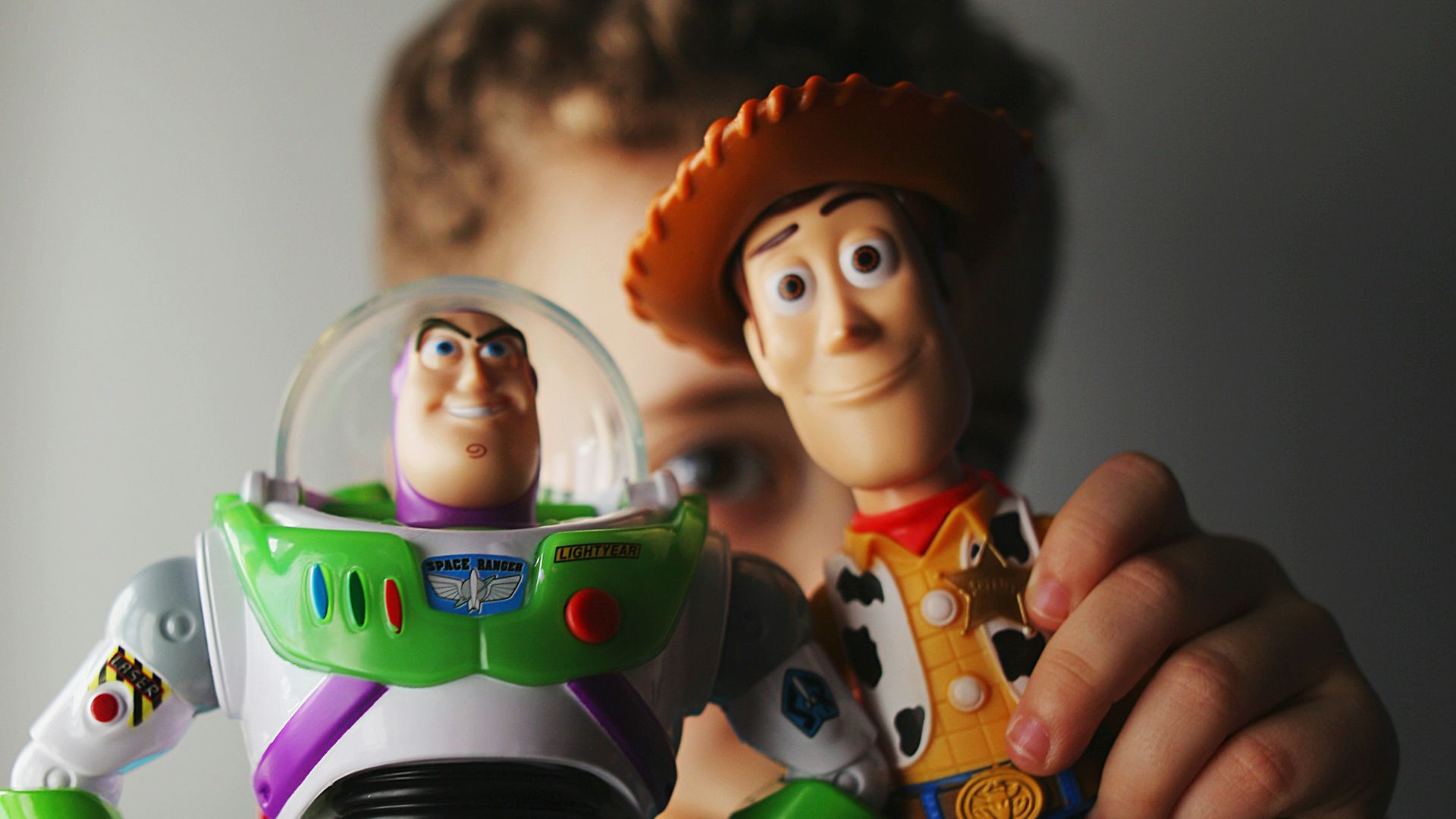
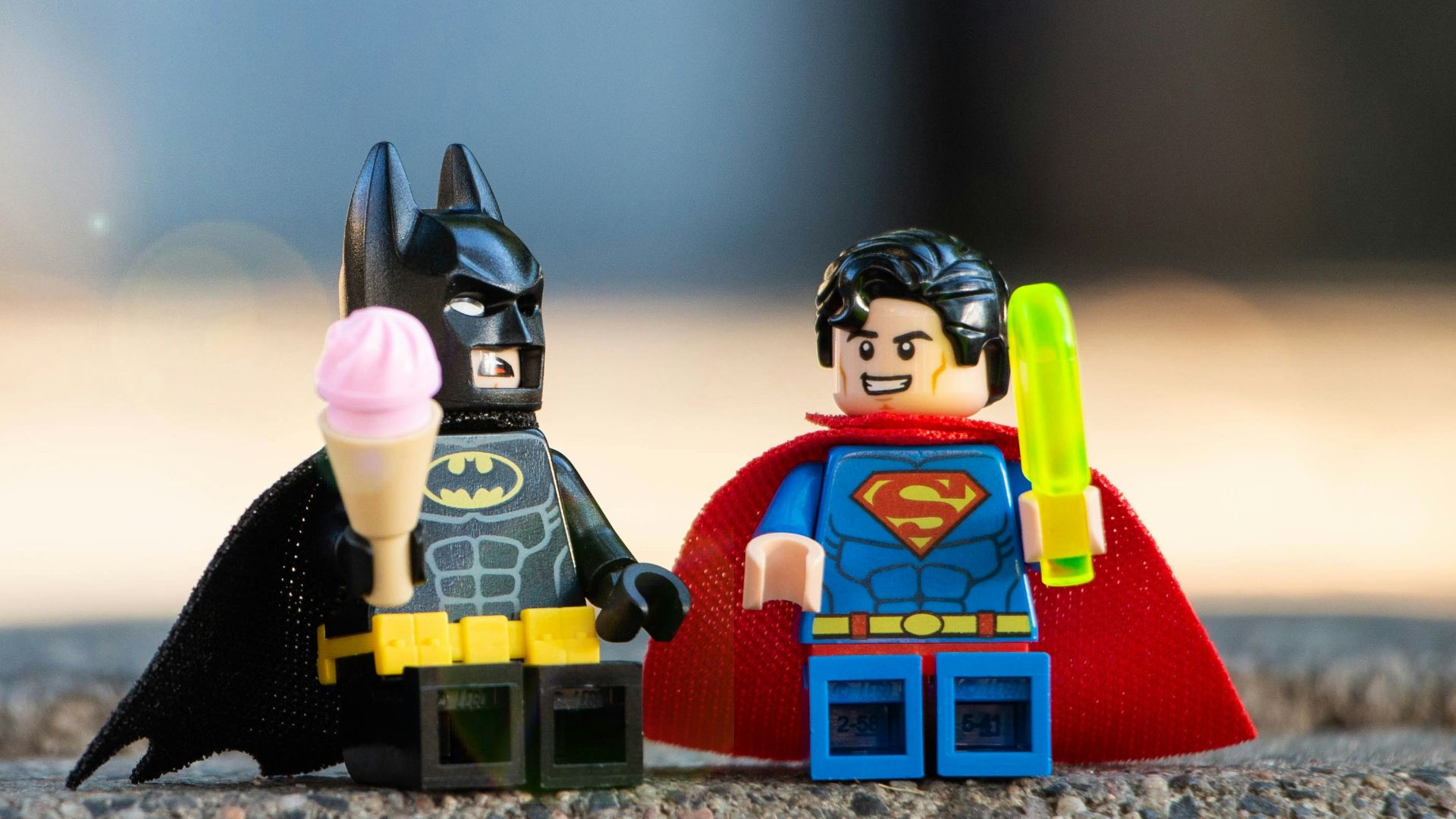
Playing with action figures and dolls also largely involved storytelling. Some children who played with action figures liked to develop catchphrases, scenarios, and drama that could change at any second. Storytelling play has been associated with developing the Theory of Mind.
Some adults who played with action figures also began collecting them. Organization of figures, taking care of them, or hunting for a particular figure to own can correlate with attention to detail. Of course, this isn't necessarily like saying someone has an obsessive personality, but the person may like rules when it comes to creativity.
Playing with action figures usually requires interacting with other kids. Whether it was compromising on a storyline, sharing a character you both like, or building a world together. Someone who played with action figures may enjoy keeping up with others' thought processes, even if it's a little more closely.
Building Toys: Curiosity, Patience, and Problem-Solving
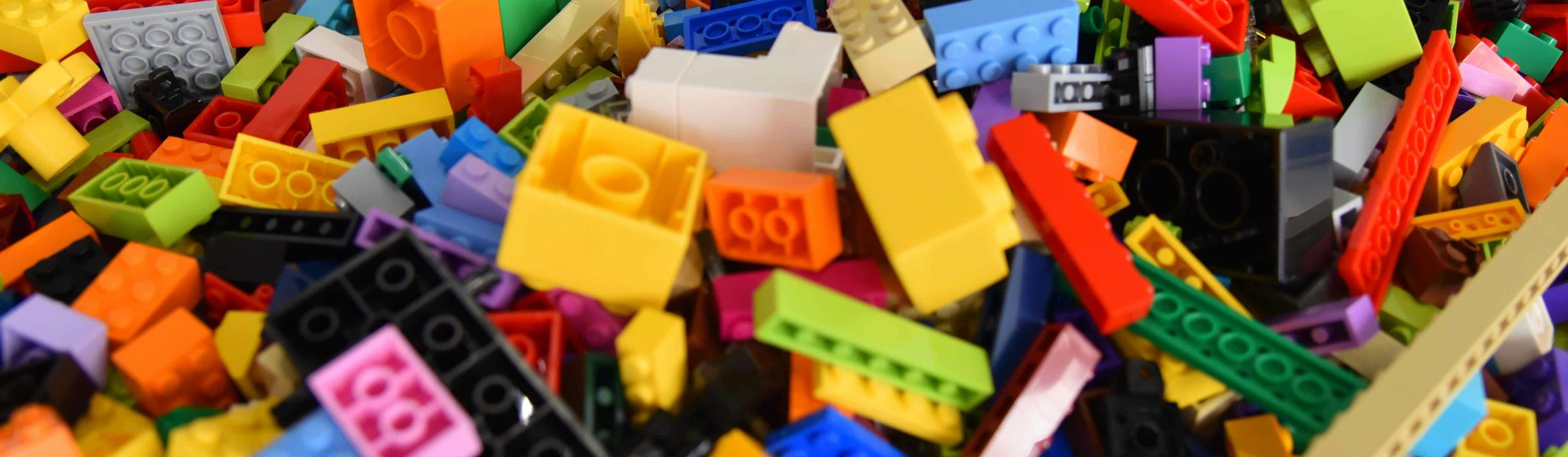
Building toys like LEGO sets has long been associated with hands-on creativity and spatial reasoning. Working with pieces to create structures requires visualizing outcomes and understanding how parts connect. This type of play naturally encourages experimentation, where ideas are tested and adjusted until something works.
Another common trait in building play is persistence. Sets rarely come together perfectly on the first try, which means following steps carefully or rebuilding sections becomes part of the process. That repetition can reflect an early comfort with trial and error, especially when working toward a clear goal.
There is also a planning element involved that often goes unnoticed. Even free-form building requires deciding what to make and how to approach it. Over time, this can support a mindset that enjoys organizing ideas before acting, even if the final result is imaginative rather than strictly structured.
Electronic Handhelds and Virtual Pets: Responsibility and Engagement
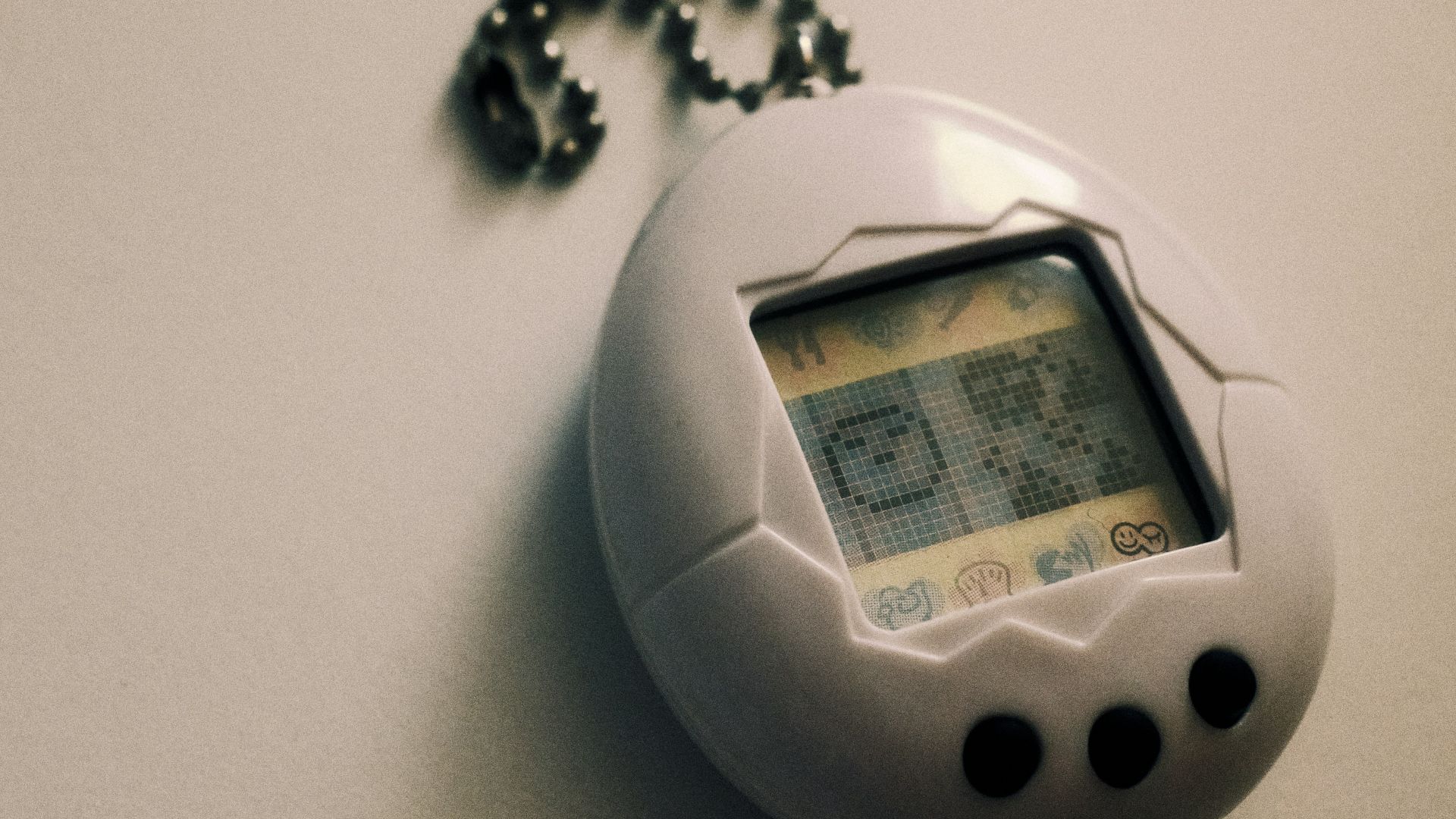
Electronic toys could include Tamagotchis. They mimicked a more direct responsibility, but were very low stakes. Making sure a pixelated creature survives might teach care for something other than oneself every day.
Game Boys were influential as well. Once you got your hands on that storytelling cartridge or those handheld puzzles, you could take them anywhere. Replaying your favorite bits allowed you to sink your teeth into it and truly commit. There were levels to beat, puzzles to solve, or weeks to log on a fitness tracker.
Building up that endurance was only one aspect of many of these games. Swapping candies, checking who had better stats, or comparing Pokémon teams were very social activities. Some players love recounting their embarrassing Pokémon trades. It forced you to socialize about the game at hand, even if you were playing by yourself.
What makes your favorite toy nostalgic could be that it aligned with how you wanted to play. Building, storytelling, or caring were all very interactive activities to get engaged with at a young age. That doesn't mean you are destined to become one type of person from that toy, but it might have reflected an inner child's curiosity.
Looking at them today can be a reminder that play has always been a form of learning. The way you once interacted with toys might still echo in how you approach problem-solving, creativity, or relationships. Even if the toys are long gone, the habits they encouraged often find quieter ways of showing up later in life.
Beyond the individual categories of toys, there is also the broader experience of nostalgia itself. Revisiting childhood playthings often brings a sense of emotional continuity, as if different stages of life are briefly stitched together. This reaction is not just sentimentality; it can be tied to how memory encodes emotional experiences alongside sensory detail. The feel of plastic blocks, the sound of clicking buttons, or the visual design of a handheld screen can all trigger vivid recall. In that way, toys become anchors for remembering who we were in different environments and relationships.
It is also worth noting that adults often reinterpret their childhood preferences through a modern lens. What once felt like simple fun may now be seen as early expressions of patience, leadership, or creativity. However, these interpretations should be taken lightly rather than as fixed explanations of personality. Human development is far too complex to be reduced to a single category of play.