
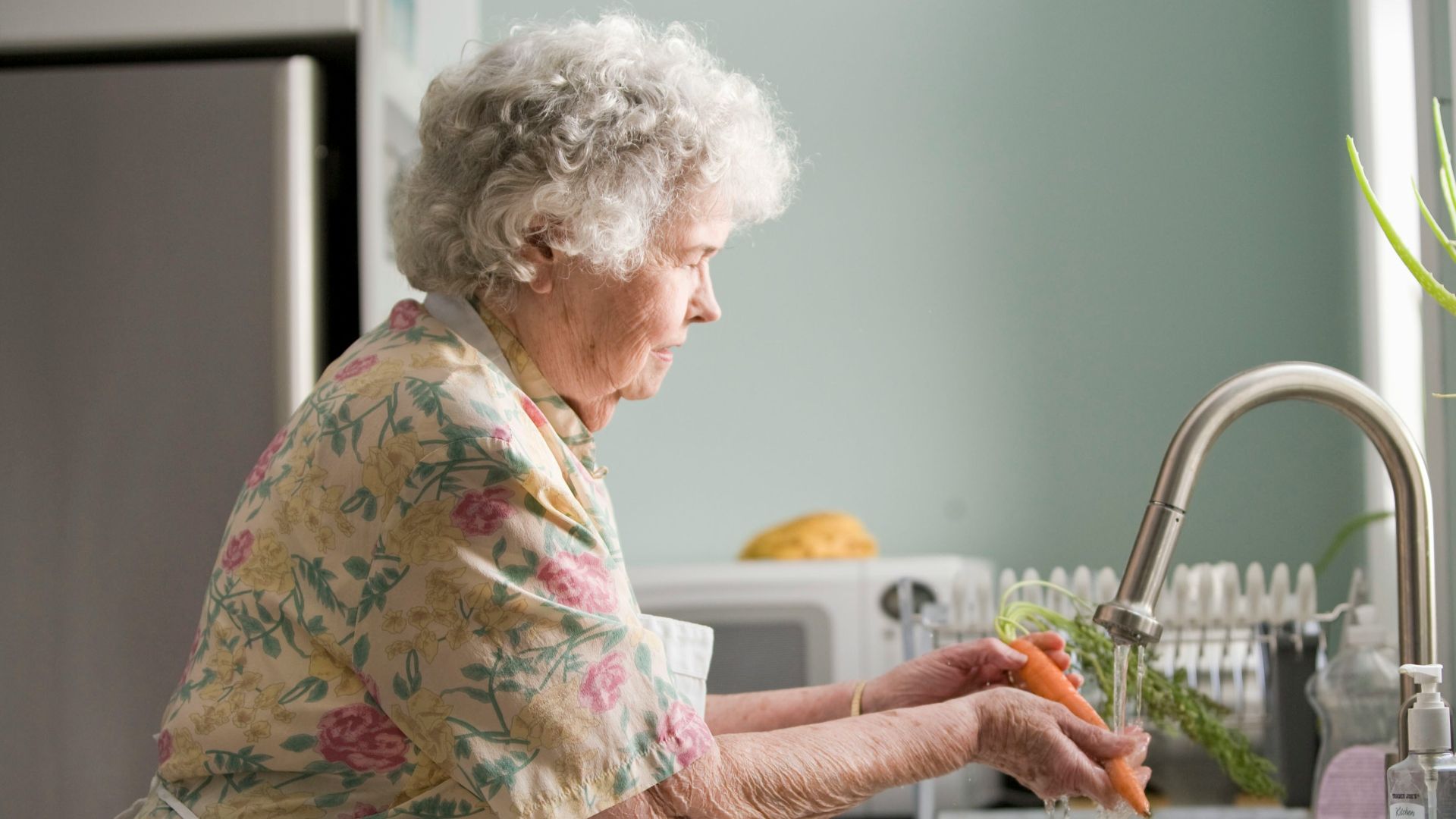
As you get older, you will not become a completely different person, but you might develop new likes and dislikes. Things that you didn't like before or didn't think were necessary could suddenly be enjoyable to you as you mature. You learn what makes life fun on a daily basis.
Research on aging suggests that people often place greater emphasis on emotionally meaningful goals and satisfying relationships as they get older. That doesn't mean older adults stop enjoying novelty or learning, but it can mean that time, comfort, and meaningful experiences become more important than they once were.
Suddenly, Comfort Seems Extremely Important

When you're used to living at home, you might begin to appreciate it more if it's cozy instead of chic. Things like making sure your chair supports your back, your room is quiet, and your A/C isn't freezing will catch your attention. These aren't particularly exciting concerns, but they can make an ordinary day noticeably better.
Sleep is another area where priorities can change. Older adults still generally need about seven to nine hours of sleep, although sleep patterns often change with age, including earlier bedtimes and more frequent nighttime waking.
Staying in on a Friday night may not seem as bad as it used to. When you're young, it's always about going out and doing things. Once you hit a certain age, you can enjoy eating your favorite meal and watching TV. There's nothing especially mysterious about it once you realize that relaxing can be more enjoyable than recovering from an exhausting night.
Another thing is you may want to have smaller groups of friends. Humans naturally gravitate toward building closer relationships with those we spend more time with as we age. You might also become less interested in maintaining a huge social circle. Research on socioemotional selectivity suggests that older adults tend to place greater emphasis on close, emotionally meaningful relationships and may spend less time on more peripheral social connections.
That can make small gatherings surprisingly attractive. Instead of feeling obligated to attend every event, you may prefer dinner with a few people you genuinely enjoy being around. Having fewer social commitments doesn't necessarily mean becoming antisocial; studies have found that older adults can have smaller networks while still reporting satisfying and supportive relationships.
There's also less appeal in pointless arguments. Research has found that older adults are more likely than younger adults to avoid situations involving social conflict and often report less negative affect in everyday life.
The Little Things Start Getting Their Due
Free time can take on a different value as you get older. Instead of automatically filling every available hour with work, errands, or social plans, you may become more interested in spending time on activities that are personally satisfying. This fits with research suggesting that emotionally meaningful and present-focused goals can become more important as people's perceptions of their remaining time change.
Another benefit to growing older is you'll learn what a normal day looks like. If you have your grocery runs planned out and know when you'll be exercising, you can enjoy that predictability. Routine can make your life less boring as well. If you're living life by a routine, you have more free time.
Simple things start to seem better. Eating a nice meal or having a conversation with someone that will last more than 5 minutes. Spending time outside or having nothing to do will seem fun as well. Studies have found that older adults place more emphasis on finding happiness in life.
Ultimately, many of these changes aren't really about becoming less adventurous or more set in your ways. They're often about becoming more selective with your time and attention, particularly when you have a clearer idea of what actually makes you happy. You may still enjoy trying something new, meeting someone interesting, or changing your plans, but you don't necessarily need constant excitement to have a good time.